

&imwidth=800&imheight=600&format=webp&quality=medium "US planned to break China’s rare earth dominance with new pricing system: Details here")
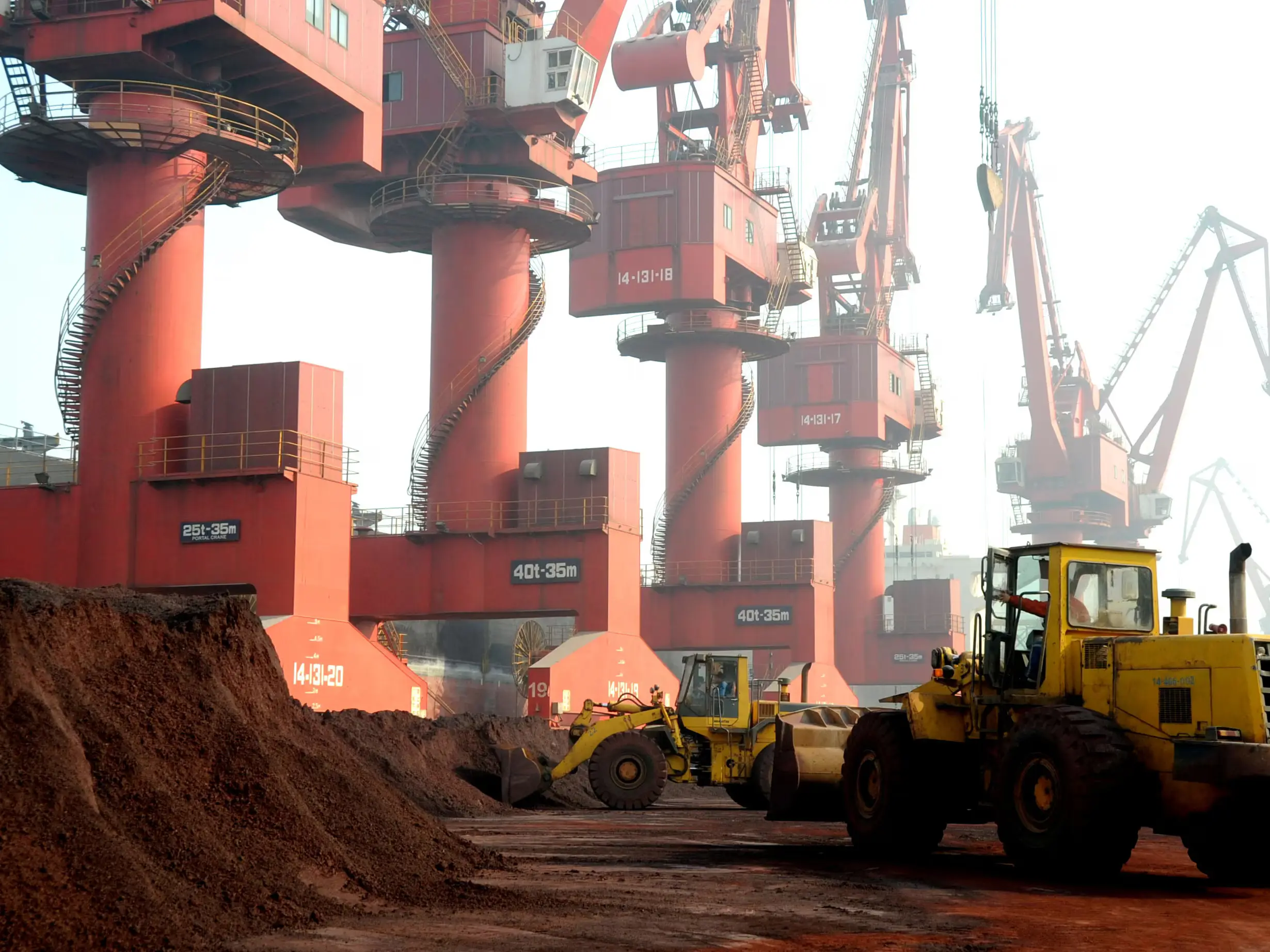
The United States has taken a bold step to challenge China’s near-monopoly over the rare earths market, unveiling a government-backed pricing system designed to kick-start investment in its own domestic industry, even if it means higher costs for buyers.
The new initiative, led by the US Department of Defense (DoD), will guarantee a minimum price of $110 per kilogram for two of the most sought-after rare earth metals, neodymium, and praseodymium (NdPr). These elements are critical for producing high-strength magnets used in electric vehicles (EVs), wind turbines and advanced military systems such as drones and fighter jets. As per Reuters, the pricing floor is almost double the current China-set market price of around $63/kg, signalling Washington’s intent to end reliance on low-cost Chinese supply that has long undercut Western competition.
A shift in global pricing power
China currently controls around 90 per cent of global rare earth supply, with its state-influenced pricing model widely blamed for discouraging mining and processing investment elsewhere. For years, Western miners have called for an alternative pricing system to make non-Chinese production viable. Analysts say the US-backed floor price represents a major new benchmark in the industry.
“This benchmark is now a new centre of gravity in the industry that will pull prices up,” said Ryan Castilloux, managing director of consultancy Adamas Intelligence, as quoted by Reuters.
The deal gives MP Materials, America’s only large-scale rare earth miner, a guaranteed market. Under the agreement revealed last Thursday, the DoD will pay MP the difference if market prices remain below $110/kg. If prices climb higher, the government will share 30 per cent of MP’s additional profits.
Trending Stories
&imwidth=180&imheight=135&format=webp&quality=medium)
Asian Para Games: Nishad Kumar clinches T47 long jump gold; Ravi Budigina bags swimming silver
&imwidth=180&imheight=135&format=webp&quality=medium)
China responds to Trump's Press Secretary Katie Zacharia after toilet remark: 'Visit China more often'
&imwidth=180&imheight=135&format=webp&quality=medium)
4 killed, 19 critically injured in grass fire at Canada's largest military base
&im=FitAndFill=(700,400)&imwidth=180&imheight=135&format=webp&quality=medium)
Tesla Roadster engineering: The hidden hardware behind its flying demonstration
&imwidth=180&imheight=135&format=webp&quality=medium)
India moves to buy 10,000 more AI chips for a national compute pool open to startups
&imwidth=180&imheight=135&format=webp&quality=medium)
'It's a joy to see the makers bring it on such a grand scale': SS Rajamouli on Ramayana
&imwidth=180&imheight=135&format=webp&quality=medium)
Elon Musk features on Lucknow's 'anti-India' Ravan poster alongside Rahul Gandhi, Akhilesh
&imwidth=180&imheight=135&format=webp&quality=medium)
MI5 is opening an AI threat centre, and OpenAI just told MPs the worst isn't over
&imwidth=180&imheight=135&format=webp&quality=medium)
'Grassroots leagues help bridge the gap': India's ODI WC winner Suresh Raina lauds ISCL ahead of Season 2
&imwidth=180&imheight=135&format=webp&quality=medium)
Brendan Taylor overtakes Andy Flower to become Zimbabwe’s leading ODI run-scorer
&imwidth=180&imheight=135&format=webp&quality=medium)
Girl 'dead' for 8 hours wakes up at her own funeral, dad insists she wasn't breathing
&imwidth=180&imheight=135&format=webp&quality=medium)
Anthropic’s public benefit plan: What its 5% share commitment means for AI’s future
&im=FitAndFill=(700,400)&imwidth=180&imheight=135&format=webp&quality=medium)
New OTT releases this week (October 19-25, 2026): Gajab Raat to Chaar Yaar-8 titles to watch during Dussehra week on Netflix, Prime Video and more
&imwidth=180&imheight=135&format=webp&quality=medium)
Researchers name newly discovered Andean plant after Argentina legend Lionel Messi
&imwidth=180&imheight=135&format=webp&quality=medium)
After Kennedy Center and reflecting pool disputes, Trump turns to Washington golf course plan amid legal battle
&imwidth=180&imheight=135&format=webp&quality=medium)
PCB omits Atherton, Hussain from tri-series commentary panel over Imran Khan interview row
&imwidth=180&imheight=135&format=webp&quality=medium)
NFl 2026/27 - Saints vs Steelers to go ahead in Paris next week despite protest
&imwidth=180&imheight=135&format=webp&quality=medium)
Flying car race: Alef Aeronautics welcomes Tesla Roadster '11 years' later, but are the two models the same?
&imwidth=180&imheight=135&format=webp&quality=medium)
Saudi Arabia asks skyscraper employees to work from home amid Houthi threats
&imwidth=180&imheight=135&format=webp&quality=medium)
'We feel like Mr India': Gujarat’s undercover SHE team guard garba nights at Navratri
&imwidth=180&imheight=135&format=webp&quality=medium)
Kylie Jenner makes Victoria’s Secret debut in $50 million diamond-encrusted design as Timothée Chalamet cheers
&imwidth=180&imheight=135&format=webp&quality=medium)
Nobel laureate Machado, who dedicated prize to Trump, confirmed as Venezuela opposition leader
&imwidth=180&imheight=135&format=webp&quality=medium)
Anirudh Ravichander-Kavya Maran wedding: Telangana CM reveals Chennai reception date
&imwidth=180&imheight=135&format=webp&quality=medium)
No Ravindra Jadeja, Yashasvi Jaiswal in India’s 2027 ODI World Cup plans: Report
&imwidth=180&imheight=135&format=webp&quality=medium)
Priest dies after crucifix falls on his head during livestreamed Mass in Ecuador | VIDEO
&imwidth=180&imheight=135&format=webp&quality=medium)
Putin wants joint meeting with Trump-Xi summit on Ukraine war, proposes talks alongside APEC: Report
&imwidth=180&imheight=135&format=webp&quality=medium)
Karan Johar reimagines Student Of The Year with thriller series After Dark, Shanaya Kapoor to debut on OTT
&imwidth=180&imheight=135&format=webp&quality=medium)
US to review Russia sanctions waiver within 60 days as Rubio cites India’s ‘substantial’ Russian energy imports
&imwidth=180&imheight=135&format=webp&quality=medium)
Shastri backs Shami comeback; lauds Bhuvi and warns Bumrah on format workload ahead of World Cup
&imwidth=180&imheight=135&format=webp&quality=medium)
Lawrence Bishnoi gang claims responsibility for firing at Tiger Shroff over ties to Salman Khan
&imwidth=180&imheight=135&format=webp&quality=medium)
Why France looks the most fragile in the G7 amid protests and budget deadlock
&imwidth=180&imheight=135&format=webp&quality=medium)
Cattle-feed bran in biscuits, detergent in milk: FSSAI acts against 3 companies
&imwidth=180&imheight=135&format=webp&quality=medium)
Netanyahu rival Benny Gantz quits Israel election race, vows to push for unity government
&im=FitAndFill=(700,400)&imwidth=180&imheight=135&format=webp&quality=medium)
Ghaziabad is world's fastest-growing city; Surat, Patna, Rajkot also feature on list
MP Materials to expand production
Las Vegas-based MP Materials already mines and processes rare earths and is preparing to start commercial magnet production at its new Texas facility by the end of this year. The company plans an initial output of 1,000 metric tonnes of magnets annually, expanding to 3,000 tonnes, and ultimately building a second US plant that would add 7,000 tonnes per year. Total production of 10,000 tonnes would roughly match US magnet consumption recorded in 2024, according to Adamas.
The deal also gives the DoD a 15 per cent stake in MP Materials, ensuring a government-backed anchor investor to de-risk expansion plans. Reuters reports that this level of output, while significant, does not include the 30,000 tonnes of magnets already imported annually by the US in finished goods.
Strategic race for supply chain control
Global demand for rare earth permanent magnets is forecast to more than double over the next decade to about 607,000 tonnes, with the US expected to see the highest annual growth rate of around 17 per cent, as per Adamas. The geopolitical context is unmistakable. China has demonstrated its leverage in this sector by curbing rare earth exports during trade tensions. The US and its allies fear that continued dependence leaves critical supply chains dangerously exposed.
“It will give Solvay and others the impetus to command a similar price level. It will give them a floor to stand on,” Castilloux added, referring to Belgian chemicals giant Solvay, which announced a rare earth expansion in April. While Solvay declined to comment to Reuters, other miners, developers and investors have broadly welcomed the US pricing plan. Aclara Resources, which is developing mines in Chile and Brazil and planning a US separation plant, said the deal opens “new strategic paths” for the company.
Costs and market uncertainty
While good news for miners, the pricing floor is likely to raise costs for consumers, such as automakers and wind turbine producers.
David Merriman of consultancy Project Blue told Reuters the guaranteed price band of $75–$105/kg had been seen as the minimum needed to spur new non-Chinese production. The new US floor of $110/kg is even more generous, but it remains unclear how industrial buyers will react. “Major non-government backed consumers are less likely to follow this same investment pattern, however, as they are not so clearly aligned to a particular regional supply route,” Merriman said.
Volkswagen, when asked by Reuters about the new pricing floor, declined to comment on specific prices but noted it “welcomes all efforts to strengthen long-term stability and diversification in global supply chains for critical materials.”
Can the US scale up?
Dominic Raab, former UK deputy prime minister and now head of global affairs at Appian Capital Advisory, told Reuters that piecemeal deals and tax breaks alone had proved insufficient in building competitive Western supply chains. “The next step is, can they scale it up?” Raab asked.
Washington’s new plan signals a willingness to directly subsidise prices to drive a shift in global market dynamics. If successful, it could finally help diversify critical mineral supply chains away from China, a goal Western governments have pursued for years with limited success.