US budget deficit surges 20% in July despite record tariff revenues

&imwidth=600&imheight=450&format=webp&quality=medium "US budget deficit surges 20% in July despite record tariff revenues")
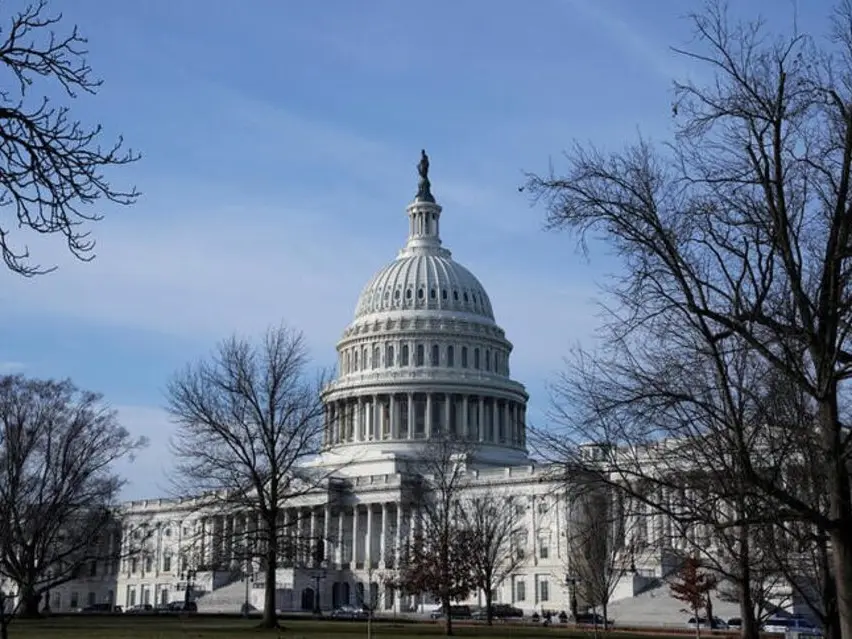
The US Capitol building is seen on Capitol Hill in Washington, US, February 7, 2023. Photograph: (Reuters)
A key factor in the government's revenue boost was a dramatic rise in customs duty collections. July’s tariff revenue jumped 273 per cent, or $21 billion, compared to the same period last year, reaching approximately $27.7 billion.
The US government’s budget deficit climbed by nearly 20 per cent in July to $291 billion, driven by rising government outlays that outpaced an increase in revenue, despite a surge in tariff collections from US President Donald Trump’s import taxes. According to Treasury Department data released on August 12, the deficit for July was up 19 per cent, or $47 billion, from the same month last year. Receipts totalled $338 billion, marking a modest 2 per cent growth, or an additional $8 billion. However, government outlays rose by a far larger 10 per cent, totalling $630 billion, a record high for July.
Trump’s tariff revenues soar, but not enough to offset spending
A key factor in the government's revenue boost was a dramatic rise in customs duty collections. July’s tariff revenue jumped 273 per cent, or $21 billion, compared to the same period last year, reaching approximately $27.7 billion. The increase is attributed to higher tariffs imposed on imports by President Trump, particularly following his trade policies with China and other countries.
Despite the surge in tariff income, US spending continues to grow faster than revenues. Much of the increase in outlays is linked to a rise in interest payments on public debt, as well as higher government healthcare costs and inflation-driven Social Security payments. Over the first 10 months of the fiscal year, the deficit has reached $1.629 trillion, a 7 per cent increase from the previous year. While tariff revenues have helped to offset some of the rising costs, economists note that the overall impact on reducing the deficit remains uncertain.
Trade negotiations and future tariff revenue
The growing tariff income is being closely watched as part of the Trump administration’s broader plan to reduce the deficit. Treasury Secretary Scott Bessent has stated that the administration remains focused on bringing down the deficit, even as the US gross national debt approaches $37 trillion.
Trending Stories
)
)
)
)
)
)
)
)
)
)
)
)
)
)
)
)
)
)
)
)
)
)
)
)
)
)
)
)
)
)
)
)
)
)
)
&im=FitAndFill=(700,400))
)
)
)
&im=FitAndFill=(700,400))
)
)
In related news, US President Trump extended his trade truce with China for another 90 days, maintaining the 30 per cent tariffs on Chinese imports as a bargaining chip. While negotiations continue, experts speculate that the US could see more tariff revenue as companies deplete their inventories and begin importing more goods, triggering additional duties. However, many are sceptical about the long-term effectiveness of the tariff strategy, with concerns that higher costs for consumers and reduced trade growth could ultimately offset any gains in federal revenue.