
&imwidth=800&imheight=600&format=webp&quality=medium "‘Imagine 50 AI fighters cornering one manned jet’: India’s mobbing doctrine eyes a new era of air warm")
For more than a century, air power has revolved around the fighter aircraft and the pilot inside it. Artificial intelligence and autonomous systems are now beginning to challenge that model by creating aircraft capable of flying, navigating and executing parts of a mission without a human in the cockpit.
The United States is already developing Collaborative Combat Aircraft designed to operate alongside crewed fighters. India too is pursuing unmanned and autonomous combat aircraft programmes. This transition could eventually change not only how aircraft are flown but also the economics of air warfare. Suhas Tejaskanda, founder and CEO of Flying Wedge Defence and Aerospace, believes future air combat will increasingly involve networks of autonomous platforms rather than individual aircraft operating independently. Speaking on WION’s Defence Pulse, Tejaskanda said his company’s different unmanned systems were designed with this interconnected battlefield in mind. “These are never meant to be working in silos. This definitely would be connected over a period of time.”
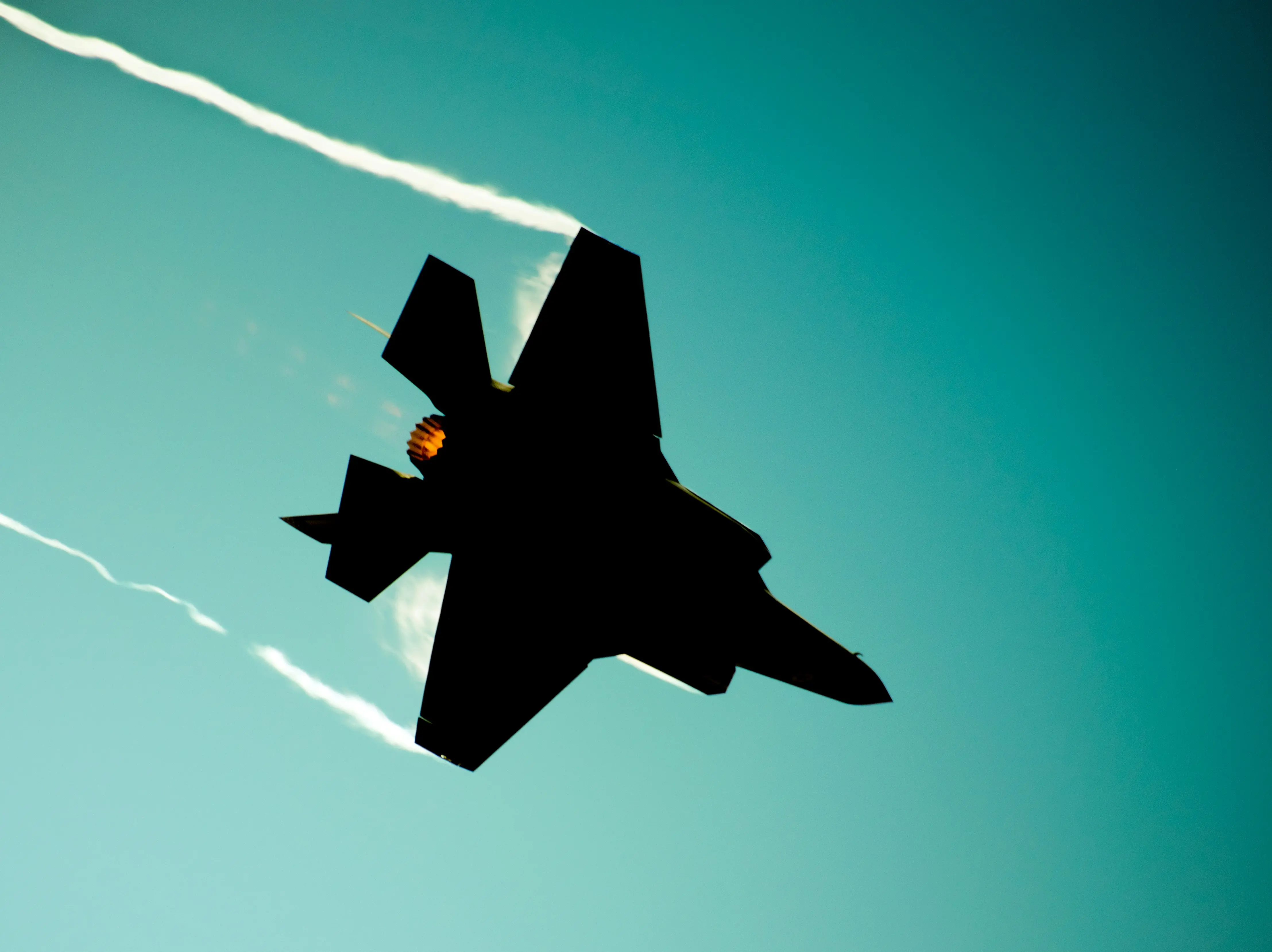
His vision involves autonomous aircraft communicating directly with one another, sharing information and coordinating their actions. Tejaskanda describes the concept as the “Mobbing Doctrine.” In simple terms, it envisages using large numbers of relatively lower-cost autonomous combat aircraft to create a numerical and tactical advantage against smaller numbers of expensive manned fighters. “Imagine 50 of them attacking a manned fighter or cornering a manned fighter.”

The concept exploits one fundamental limitation of any combat aircraft. However sophisticated a fighter may be, it carries a finite number of weapons. A sufficiently large group of adversary aircraft could potentially force it to expend those weapons. Tejaskanda argues that autonomous combat aircraft could eventually provide mass at substantially lower cost than high-end crewed fighters. The concept does not signal the immediate disappearance of fighter pilots. Instead, it points towards a different air-power equation built around fewer humans exposed to danger.

