Trump’s Qatar visit: US inks deals worth more than $240 billion with Qatar, Boeing lands record deal

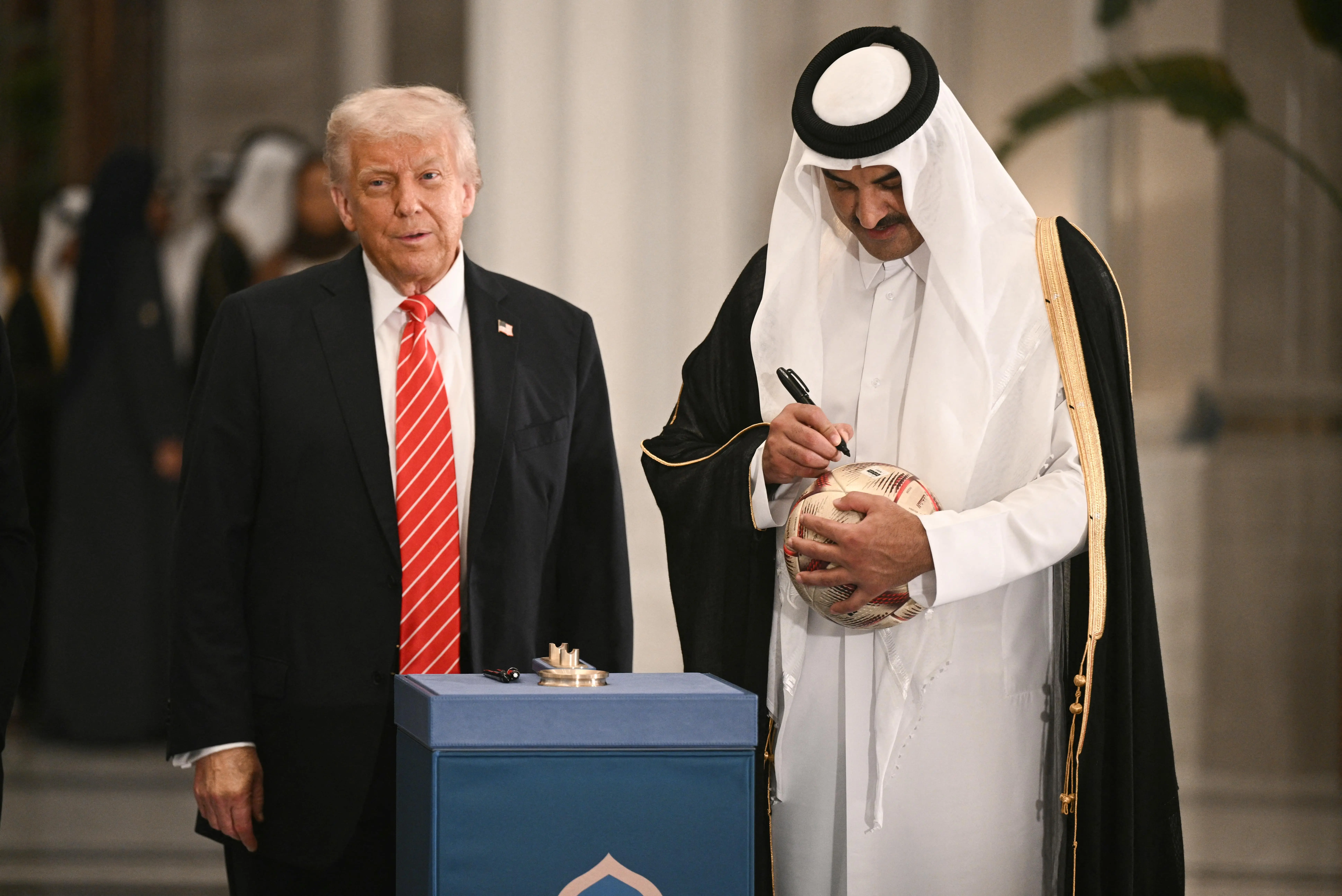
Business & Economy: The deals were signed during Trump’s visit to Qatar’s capital city, Doha, and are expected to generate over 1 million US jobs in the coming years.
US President Donald Trump has announced a series of landmark economic and defence deals with Qatar, with total agreements worth approximately $243.5 billion and setting the foundation for a broader $1.2 trillion economic commitment.
The deals were signed during Trump’s visit to Qatar’s capital city, Doha—the second leg of his ongoing West Asia trip—and span aviation, energy, defence, quantum technology, and infrastructure, and are expected to generate over 1 million US jobs in the coming years.
The centrepiece of the agreements is a $96 billion deal between Boeing, GE Aerospace, and Qatar Airways for the purchase of up to 210 widebody aircraft, marking Boeing’s largest-ever order for both the 787 Dreamliner and the 777X.

The White House hailed the deal as a catalyst for “a new Golden Age” of American manufacturing and innovation, underlining Trump's signature "America First" economic diplomacy.
Boeing’s record deal with Qatar Airways
The aviation sector was at the forefront of Trump’s announcement, with Boeing and GE Aerospace finalising a $96 billion agreement with Qatar Airways to supply up to 210 aircraft—an unprecedented deal in both scale and significance.
)
Did India risk its US trade deal despite softer stance at BRICS?
&im=FitAndFill=(700,400))
How 2nm technology improves iPhone performance
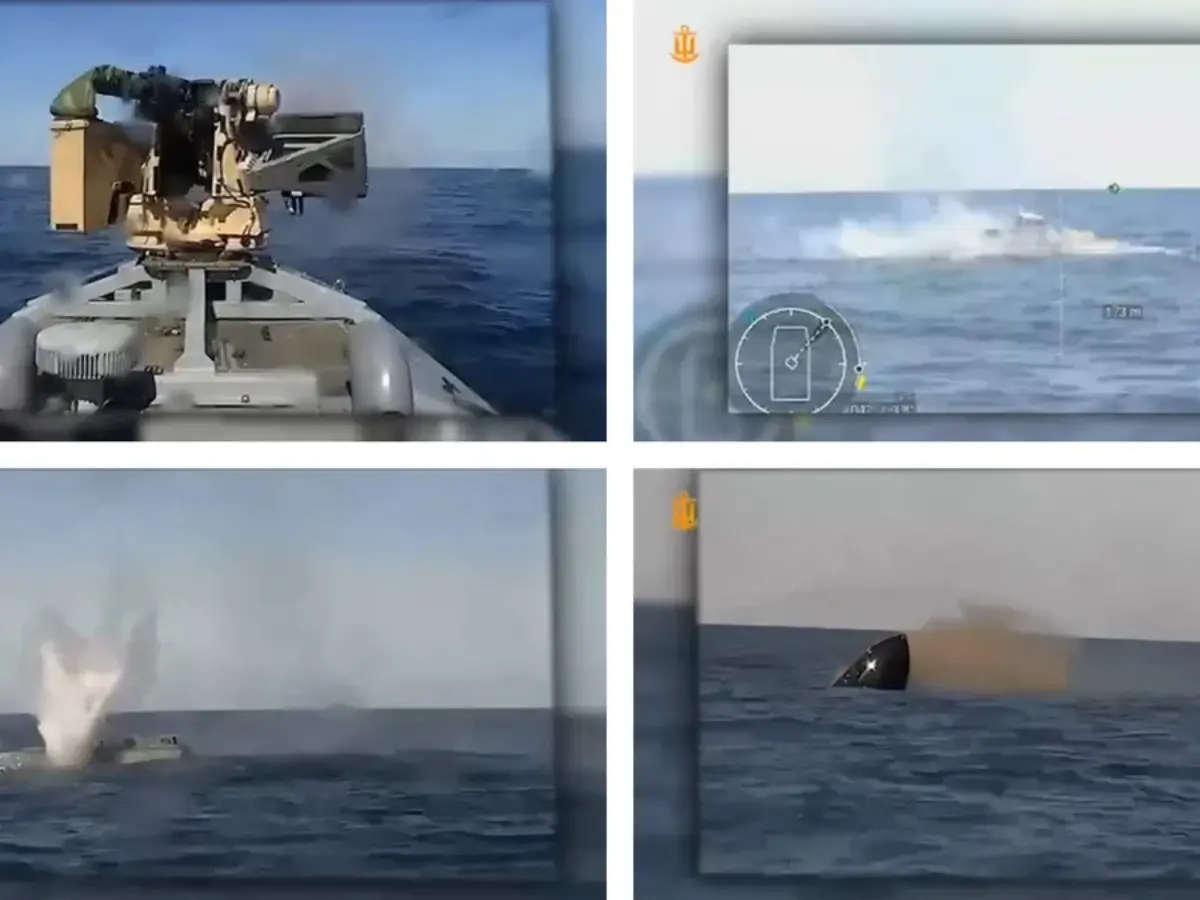)
First naval drone battle? Ukraine says Sargan 3000 sank Russian unmanned boat
)
BRICS Summit 2026: Trump wants to weaken BRICS, but maybe doing the opposite
)
'Huge destructive power': North Korea calls its latest missile launches 'live-fire drill' even as US dismisses 'immediate threat'
&im=FitAndFill=(700,400))
Meet top 5 batters fastest to 3000 runs in T20Is
)
Delhi’s balancing act: BRICS serves as a stage for West Asia diplomacy
&im=FitAndFill=(700,400))
Why European Meteor missiles use ramjet engines compared to standard US solid rockets
)
'He is popular...': Malaysian PM Anwar Ibrahim's praise for PM Modi during bilateral meeting | WATCH
)
Iran, India agree to deepen humanitarian and political ties, President Pezeshkian says
)
‘Want to reset ties with India, have engagement based on mutual interests,’ says Bangladesh minister
)
BRICS Summit 2026: PM Modi, Xi reach key consensus on ties, China to assume BRICS chairmanship in 2027
)
Trump says Canada eager to reach a deal, it could come ‘fairly soon’ if Ottawa treats US farmers better
)
Turkish Airlines plane flies through a storm three times, triggering severe turbulence
)
‘Partners, not rivals’: Xi outlines four point plan for stronger India-China ties
&im=FitAndFill=(700,400))
Why Chinese PL-15 air-to-air missiles use dual-pulse motors compared to European interceptors
)
NATO under Russian threat? Drone strikes just 2 km from Poland, narrow escape for former UK PM, CIA chief
)
Who is the smiling man beside Modi, Putin and Xi at BRICS Summit 2026?
)
BRICS Summit: New Delhi declaration adopted with full consensus, big diplomatic win for India
)
800 million years old - Scientists discover 'fingerprints' of supercontinent Gondwana in ancient rocks
)
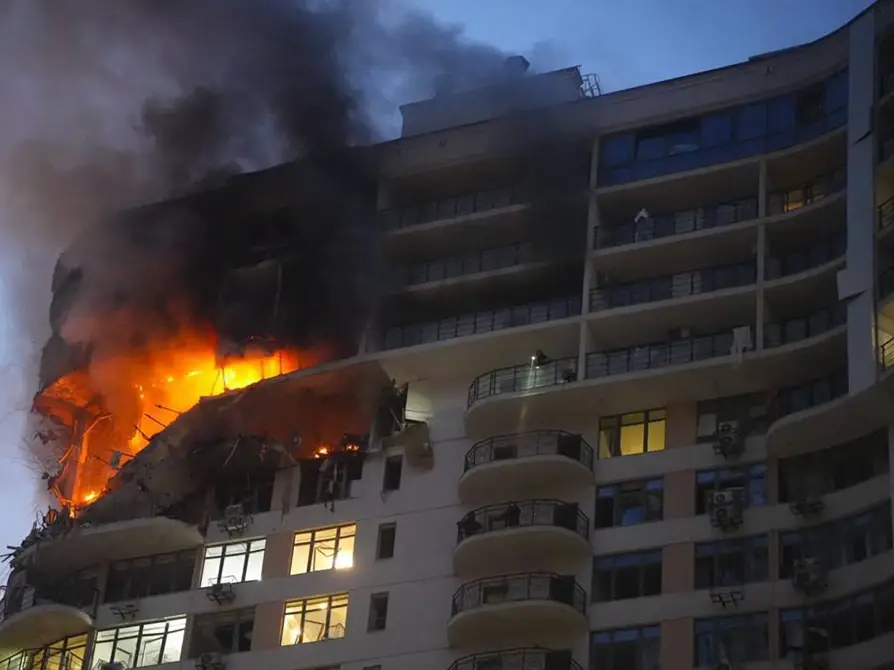
Russian drone hits Warsaw-bound train near Polish border, Zelensky accuses Moscow of ‘deliberate’ targeting
)
War is making Russia stronger? How Ukraine is shaping Moscow’s next generation of weapons
)
NEET-UG to move to computer-based test soon, NTA DG says ‘CBT is the future’
)
Liam Neeson sparks romance rumours after holding hands with Stella Stocker at TIFF 2026
&im=FitAndFill=(700,400))
New OTT releases this week (September 14-20, 2026): Lust Stories 3, Waiting Hai, Irumudi- 5 new titles coming on Netflix, Prime Video and more
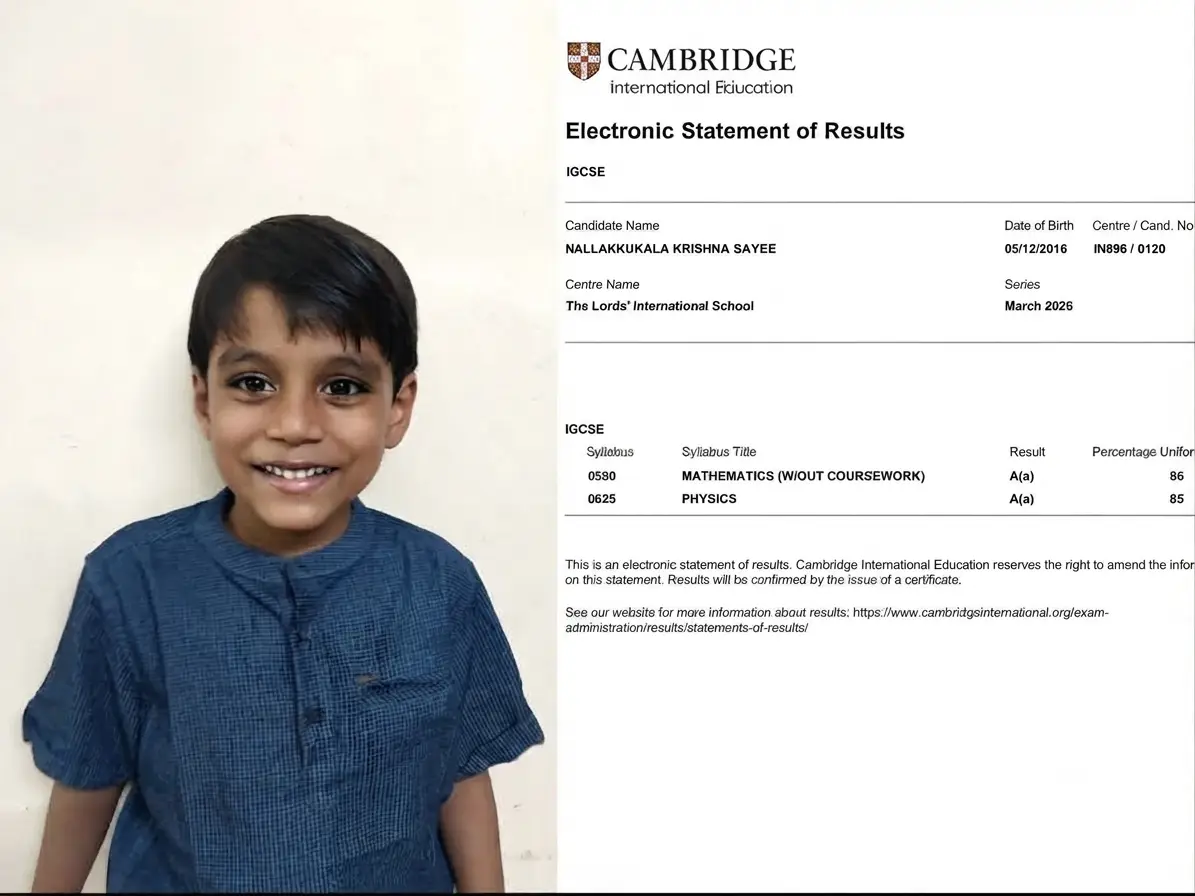)
9-year-old Chennai prodigy clears Cambridge IGCSE grade 10 exams
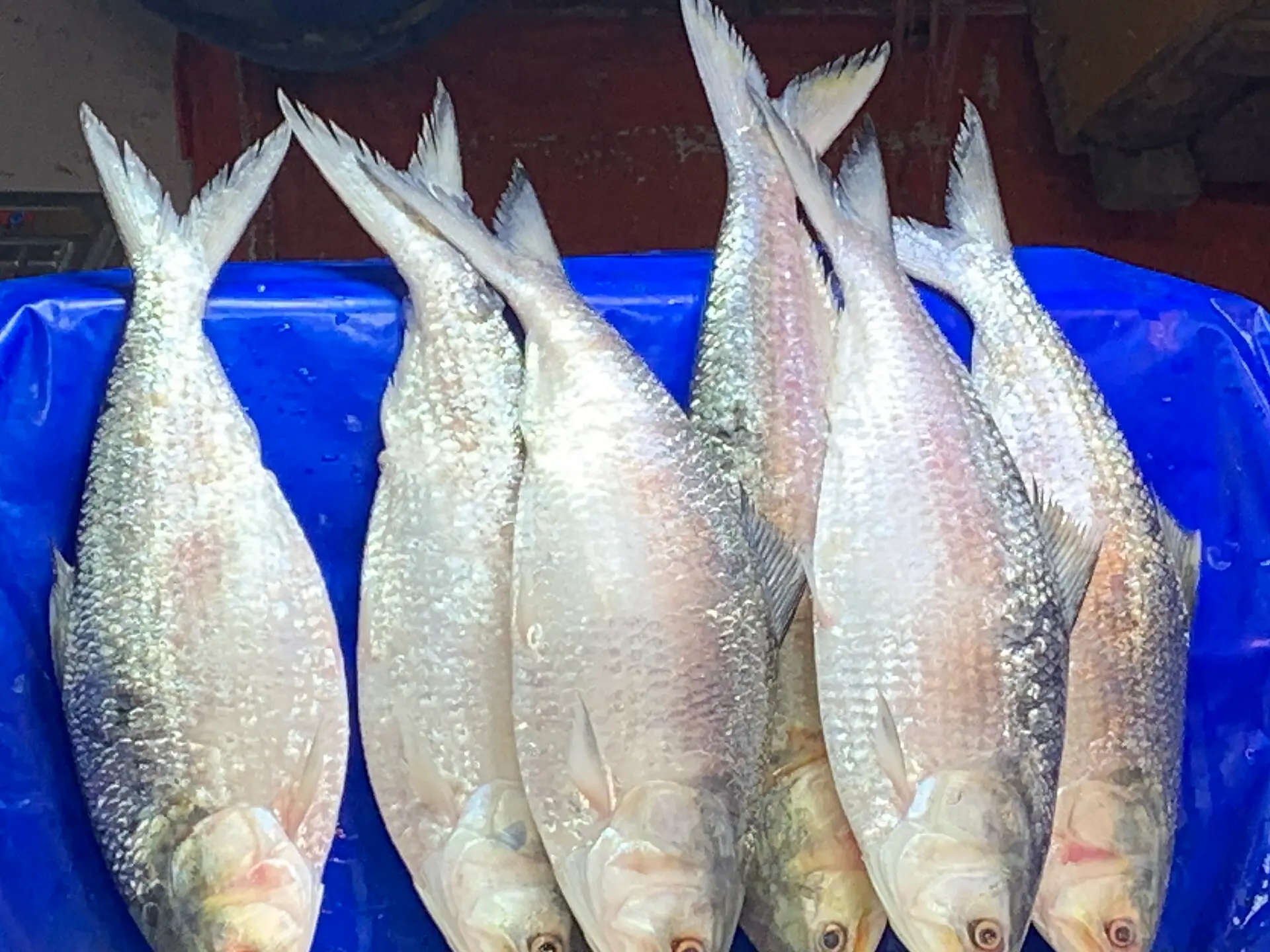)
Indian importers urge Bangladesh to lift export ban on 'Hilsa' fish ahead of Durga Puja
)
Did China give Iran intel before US base strike that killed 3 troops? Trump says, 'You’re right...'
)
Baba Vanga's first prophecy for 2027 is out, and straight out of science fiction
)
US diplomat accused of possessing child abuse images secretly flown out of UK by US Marines
)
Akram, Afridi, Mushtaq tear into PCB after Pakistan’s Test series collapse in UK
&im=FitAndFill=(700,400))
From Rinku Singh to Mayank Yadav, 5 players dropped from India’s squad for Afghanistan T20Is
)
PM Modi and China's Xi offered to help resolve Russia-Ukraine war: Kremlin
)
Humans may lose control of AI: Anthropic CEO calls for slowdown, Altman, Musk back him
Qatar Airways CEO Badr Mohammed al-Meer called the deal “historic”, stating that the investment supports the airline’s mission to build the “cleanest, youngest, and most efficient fleet in global aviation.” The aircraft will be powered exclusively by GE Aerospace engines, adding to the strategic impact for US manufacturing.
According to the White House, the agreement is projected to support 154,000 US jobs annually, amounting to over 1 million American jobs across the production and delivery lifecycle.
While the US administration touted Qatar's orders as a record for Boeing jets, the firm's ability to deliver has come into question. Boeing is currently struggling to keep up with deliveries of the previous order.
The firm fell into a deep crisis following a near-catastrophic accident in January 2024, that incident exposed hair-raising sloppiness at its factories and a key supplier.
Boeing's CEO Kelly Ortberg came out of retirement last year to help turn around the plane maker. But since taking over, Otberg has faced a debilitating strike by workers.
He has repaired the company's battered balance sheet with a fresh round of financing, but can Boeing overcome those issues at hand and deliver the record order from Qatar Air?
Boeing said the aircraft ordered by Qatar will be built into the next decade.
This deal is a major boost for Boeing amid the turbulence it has recently faced. Trump's involvement in sealing the agreement was widely seen as a symbolic endorsement of the company’s return to dominance in the global aerospace sector.
Defence, energy, and innovation drive deeper ties
In addition to aviation, the visit saw major defence procurement agreements. A statement released by the White House stated that Raytheon, a subsidiary of RTX, secured a $1 billion deal to provide Qatar with its Fixed Site – Low, Slow, Small Unmanned Aerial System Integrated Defeat System (FS-LIDS), a cutting-edge counter-drone technology. This deal marks Qatar as the first international customer for the advanced system.
General Atomics also finalised a nearly $2 billion agreement to supply the MQ-9B remotely piloted aircraft system to the Qatari Armed Forces. These deals, signed at the government-to-government level, are aimed at enhancing regional deterrence and strengthening the US-Qatar partnership.
Qatar also committed to investing $1 billion into quantum technologies through a joint venture with Quantinuum and Al Rabban Capital. The initiative is expected to advance state-of-the-art computing and workforce development in both nations.
Meanwhile, McDermott and QatarEnergy are advancing $8.5 billion worth of energy infrastructure projects. Parsons Corp. secured 30 high-value projects in Qatar valued at up to $97 billion, further deepening the commercial relationship between the two nations.
Qatar has also pledged continued support for the US defence industrial base, including a statement of intent to invest $38 billion in security partnerships, infrastructure at Al Udeid Air Base, and additional capabilities in maritime and air defence.
Diplomatic dimensions
Trump’s trip to Qatar was not without controversy. Domestically, critics raised alarms over reports that the US Department of Defense may accept a $400 million luxury Boeing jet from Qatar—dubbed a “palace in the sky”—for presidential use. Detractors, mainly Democrats, cited the US Constitution’s Emoluments Clause, which bars federal officials from accepting gifts from foreign governments without congressional approval.
Trump defended the gesture online, calling the aircraft a “gift, free of charge” and asserting the transaction was “public and transparent”. Nonetheless, the issue has reignited debates over presidential ethics and foreign influence.
At a state dinner hosted by Qatar’s Emir, Sheikh Tamim bin Hamad Al Thani, Trump appealed to Qatar to use its diplomatic leverage with Iran to advance nuclear negotiations. Citing Iran’s enrichment of uranium up to 60 per cent—just below weapons-grade—Trump stressed the urgency of containing Tehran’s nuclear ambitions and halting its support for proxy groups like Hamas, Hezbollah, and the Houthis.
Al Thani responded in a televised interview, affirming Qatar’s support for a nuclear-free Middle East while acknowledging Iran’s right to pursue civilian nuclear power, provided it does not pose a regional threat.
Broader economic strategy
The Qatar visit is part of Trump’s broader West Asia economic diplomacy tour, which began in Saudi Arabia. There, he announced $600 billion in investment commitments.
“President Trump is securing billions in investments to revitalise American manufacturing,” the White House said, pointing to the Qatar deals as evidence of his successful deal-making strategy.
Qatar’s US investments reflect long-term bilateral cooperation, spanning sectors such as tourism, energy, information technology, healthcare, and financial services. The Gulf state invested $3.3 billion in the US in 2023 alone, with projects in advanced manufacturing and hospitality.
Trade between the two countries totalled $5.64 billion in 2024, with the US enjoying a $2 billion surplus. The US has had a positive trade balance with Qatar since 2003, and Qatar remains a top foreign military sales partner with active cases valued at over $26 billion.
The agreements are aligned with Qatar’s Vision 2030, which aims to diversify the nation’s economy and embrace advanced technologies. The deals also align with Trump’s commitment to ‘Made in America’, bolstering the US industrial base and supporting high-paying jobs at home.
As Trump continues his West Asia tour, the impact of these historic deals will likely reverberate across sectors, from aerospace to defence and emerging tech—solidifying America’s economic and strategic footprint in the Gulf for years to come.