

&imwidth=800&imheight=600&format=webp&quality=medium "Trump tariffs on Vietnamese goods slashed to 20%, while US faces zero levy")
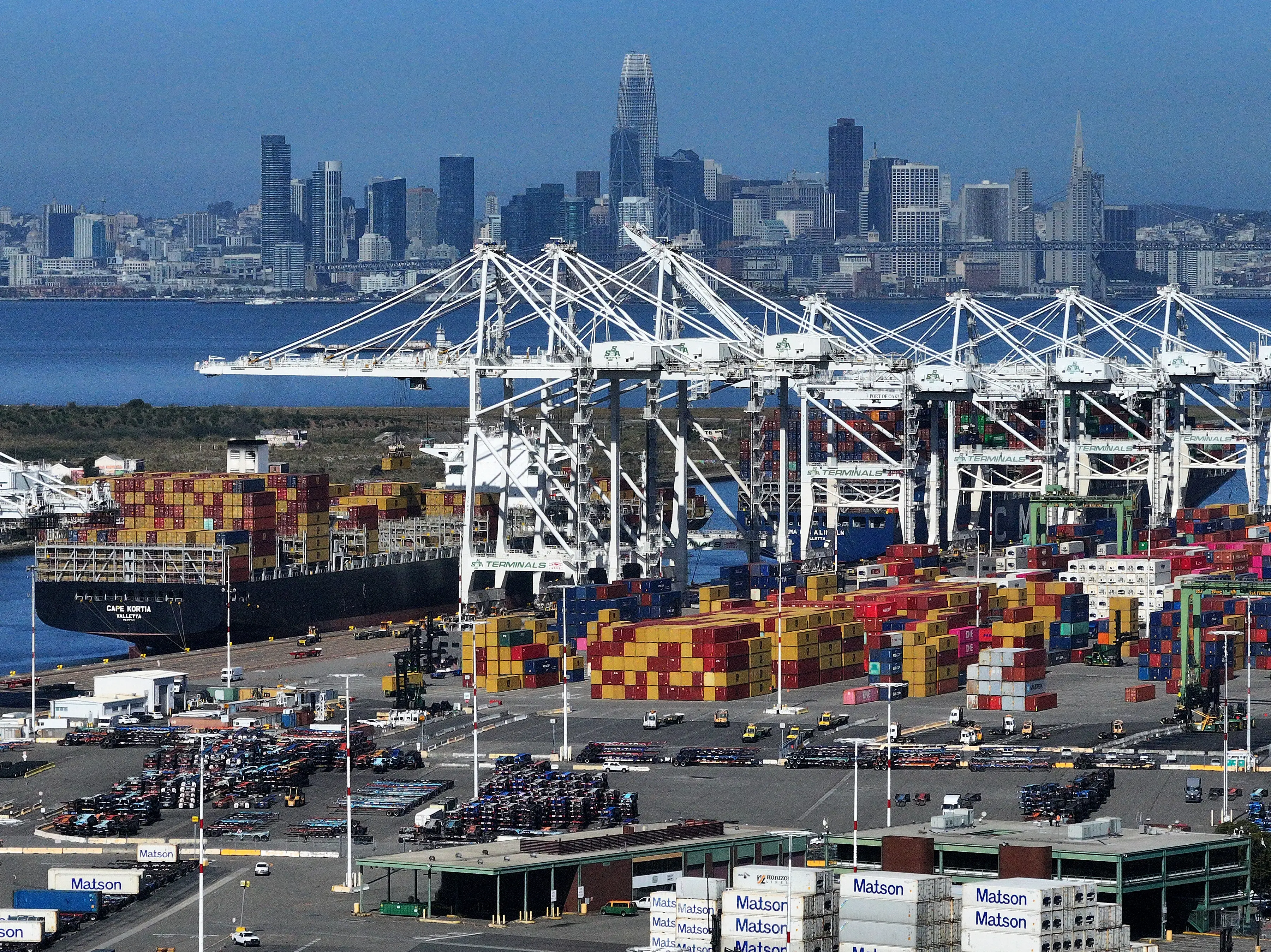
In a significant development in US-Vietnam trade relations, President Donald Trump announced on July 2 that a trade deal has been reached with the Southeast Asian nation. Under the terms of the agreement, Vietnamese exports to the United States will now be subject to a 20 per cent tariff, significantly lower than the 46 per cent levy initially planned. The deal also sets a 40 per cent tariff on goods transshipped through Vietnam, a measure aimed at curbing the practice of circumventing tariffs by routing Chinese goods through the country. In return, Vietnam will offer the United States zero-tariff access to its markets, a significant step forward in trade cooperation between the two nations.
The agreement, which came after weeks of tense negotiations, is seen as a key moment in the Trump administration’s broader strategy of imposing tariffs and negotiating trade deals with countries that are seen as not reciprocating US market access on equal terms. Trump took to the social media platform Truth Social to announce the deal, writing, “It is my great honor to announce that I have just made a trade deal with the Socialist Republic of Vietnam... It will be a great deal of cooperation between our two countries.”
The deal marks a win for the Trump administration, which had warned that without an agreement, the new 46 per cent tariffs on Vietnamese goods would go into effect on July 9. This would have added significant costs to US importers, with the potential to raise prices for consumers. The final deal represents a much-needed diplomatic breakthrough with Vietnam, which has seen its exports to the US soar in recent years, largely due to trade diversion from China.
Impact on US imports and exports
The newly agreed-upon tariff levels will affect the flow of goods between the two nations. While Vietnam will face a 20 per cent tariff on most of its exports to the US, the 40 per cent levy on transshipped goods could have a more far-reaching impact. Transshipping involves routing goods through Vietnam from third-party countries, particularly China, to avoid higher tariffs. This provision seeks to close loopholes in the enforcement of tariffs, ensuring that goods primarily made in China do not circumvent US duties by using Vietnam as an intermediary.
Vietnamese exports to the United States have skyrocketed in recent years, as US companies shifted their production lines from China to Vietnam to evade the Trump administration’s tariffs on Chinese goods. This trade diversification strategy has benefitted Vietnam, but it has also strained relations between the two countries. With the new deal, the US seeks to prevent abuse of the transshipment system while still benefiting from Vietnam’s growing role as a manufacturing hub in Asia.
Trending Stories
&im=FitAndFill=(700,400)&imwidth=180&imheight=135&format=webp&quality=medium)
Navratri 2026: 9 days, 9 forms of Goddess Durga and 9 colours- Check the complete list
&imwidth=180&imheight=135&format=webp&quality=medium)
Korean peninsula tensions escalate as North Korea launches multiple ballistic missiles, PACOM says 'no threat to US personnel'
&imwidth=180&imheight=135&format=webp&quality=medium)
Trump weighs firing Kimberly Guilfoyle as US ambassador to Greece amid misconduct allegations: Report
&imwidth=180&imheight=135&format=webp&quality=medium)
Anti-SIR protest in Mumbai: Protestors wear black masks & ribbons in Mumbai
&imwidth=180&imheight=135&format=webp&quality=medium)
UK PM Andy Birnham renews claims of Russian meddling in Brexit vote
&imwidth=180&imheight=135&format=webp&quality=medium)
BCCI rejects venue shift reports, India vs Sri Lanka 1st ODI to remain in Delhi
&imwidth=180&imheight=135&format=webp&quality=medium)
1,500 drones illuminate Mumbai sky as Cordelia Cruises unveils second ship, Cordelia Sky
&imwidth=180&imheight=135&format=webp&quality=medium)
India Rejects Pakistan-China Boundary Commission, Tells Islamabad to Drop 'Theatrics' | GRAVITAS
&imwidth=180&imheight=135&format=webp&quality=medium)
Houthis warns US of 'painful response' if Washington joins Saudi war in Yemen as airlines suspend flights to Saudi Arabia
&imwidth=180&imheight=135&format=webp&quality=medium)
Congress demands action against chief election commissioner
&imwidth=180&imheight=135&format=webp&quality=medium)
Apple HomeView smart home hub may launch soon with A18 chip, display and Siri controls: What to expect
&imwidth=180&imheight=135&format=webp&quality=medium)
'Turn approver, resign, we'll forgive you': Rahul Gandhi claims receiving messages from CEC Gyanesh Kumar
&imwidth=180&imheight=135&format=webp&quality=medium)
'I will not be silenced': Ilhan Omar alleges political intimidation after federal officers search her Washington home
&imwidth=180&imheight=135&format=webp&quality=medium)
Use AI as your ‘second brain’: Meta AI chief Alexandr Wang’s message to young people
&imwidth=180&imheight=135&format=webp&quality=medium)
Robotic surgery, advanced treatment: What is coming to this small Gujarat town?
&imwidth=180&imheight=135&format=webp&quality=medium)
US federal agents raid Dem Rep Ilhan Omar’s home ahead of midterms
&imwidth=180&imheight=135&format=webp&quality=medium)
Pakistan's government blames PTI for rise of terrorism in Khyber Pakhtunkhwa
&imwidth=180&imheight=135&format=webp&quality=medium)
‘This is just the start’: Maaya Rajeshwaran on historic ITF title, confidence boost and future goals
&im=FitAndFill=(700,400)&imwidth=180&imheight=135&format=webp&quality=medium)
How does a robot decide what to do next?
&imwidth=180&imheight=135&format=webp&quality=medium)
ICC penalises West Indies duo Powell, Rutherford for Code of Conduct breach
&imwidth=180&imheight=135&format=webp&quality=medium)
Trump says he 'may' meet North Korean leader Kim Jong Un during upcoming Asia trip
&imwidth=180&imheight=135&format=webp&quality=medium)
'Ouch!!! That must hurt': Kangana Ranaut hails Kamal Haasan's sharp reply to Elon Musk over Starlink row
&imwidth=180&imheight=135&format=webp&quality=medium)
Sidhu Moose Wala’s younger brother wins hearts by recreating late singer’s signature move at Toronto Hologram Show
&imwidth=180&imheight=135&format=webp&quality=medium)
UK school ditches technology, shifts from screen to pen and paper for learning
&imwidth=180&imheight=135&format=webp&quality=medium)
Opposition’s 10 demands in Supreme Court petition range from stay on SIR to audit of voter rolls
&imwidth=180&imheight=135&format=webp&quality=medium)
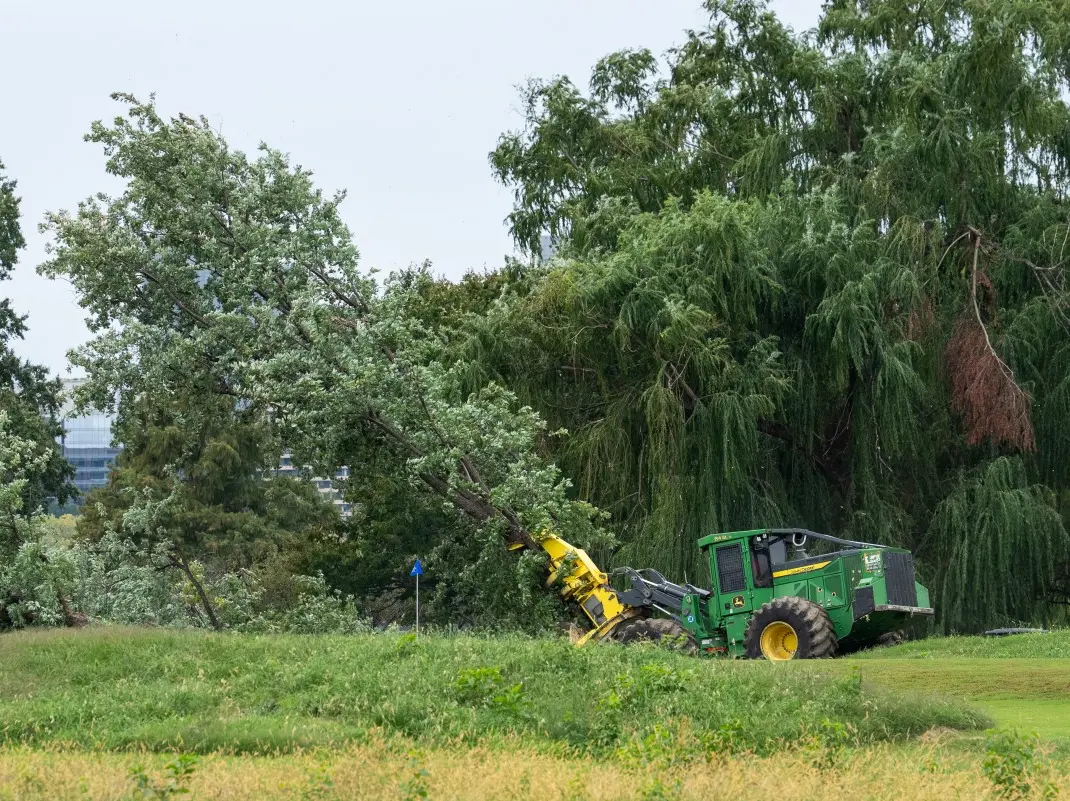
'I am thoroughly unamused': Judge slams Trump administration after 400 trees cut at Washington golf course
&imwidth=180&imheight=135&format=webp&quality=medium)
Portugal Federation confirms Cristiano Ronaldo’s return to national team despite suspension
&im=FitAndFill=(700,400)&imwidth=180&imheight=135&format=webp&quality=medium)
New OTT releases this week (October 12-18, 2026): Sacrifice, Koffee with Karan S9, Roadies Rebirth- 6 titles coming on Netflix, JioHotstar and more
&imwidth=180&imheight=135&format=webp&quality=medium)
Rishabh Pant ruled out of India A squad for New Zealand tour, Kumar Kushagra named replacement
&imwidth=180&imheight=135&format=webp&quality=medium)
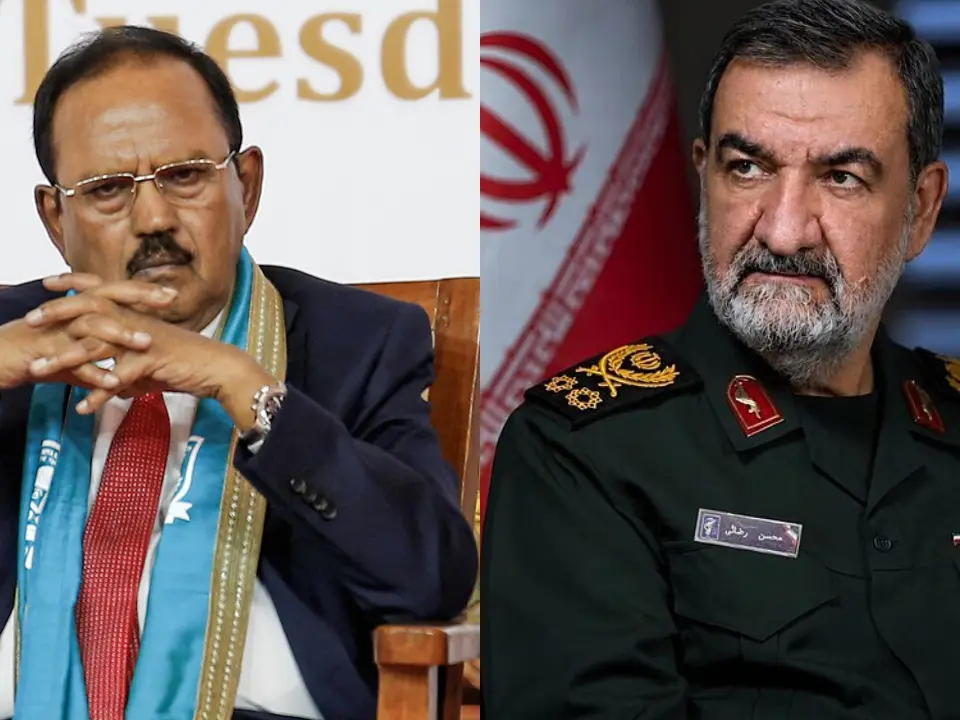
India's Ajit Doval, Iran's Mohsen Rezaei hold talks amid escalating West Asia tensions, discuss 'issues of mutual interest'
&imwidth=180&imheight=135&format=webp&quality=medium)
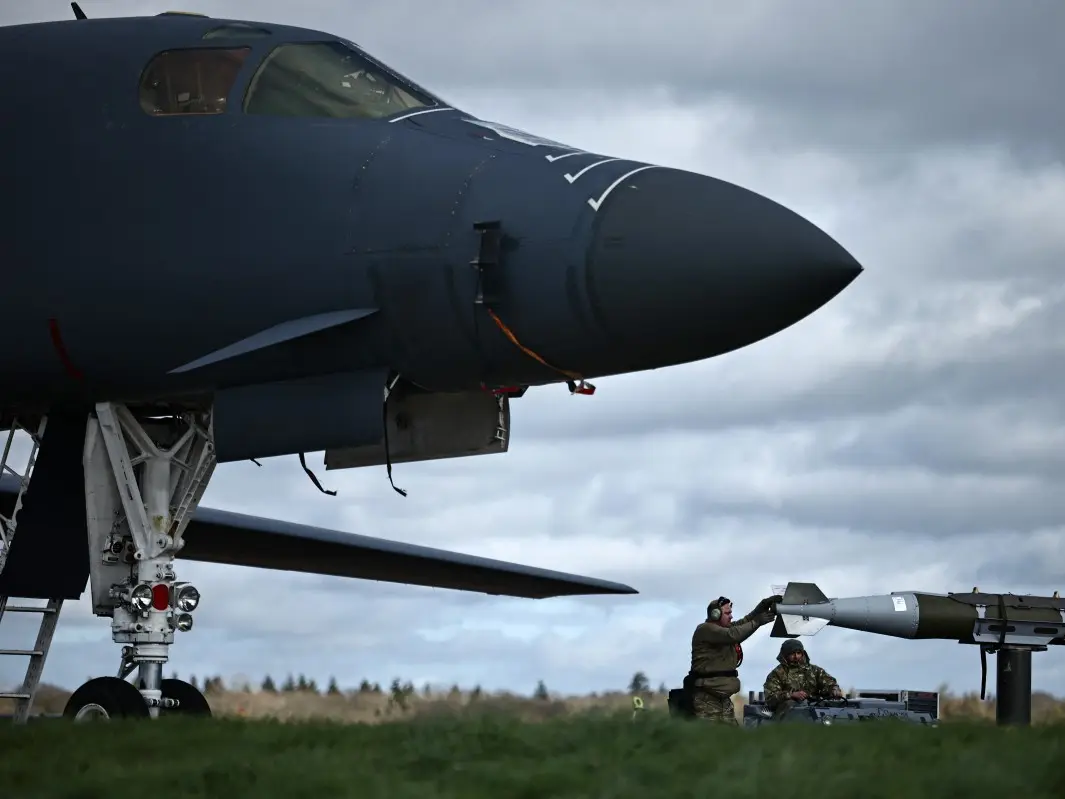
'Almost certainly': UK Prime Minister Andy Burnham says Iran's IRGC behind RAF Fairford threat
&imwidth=180&imheight=135&format=webp&quality=medium)
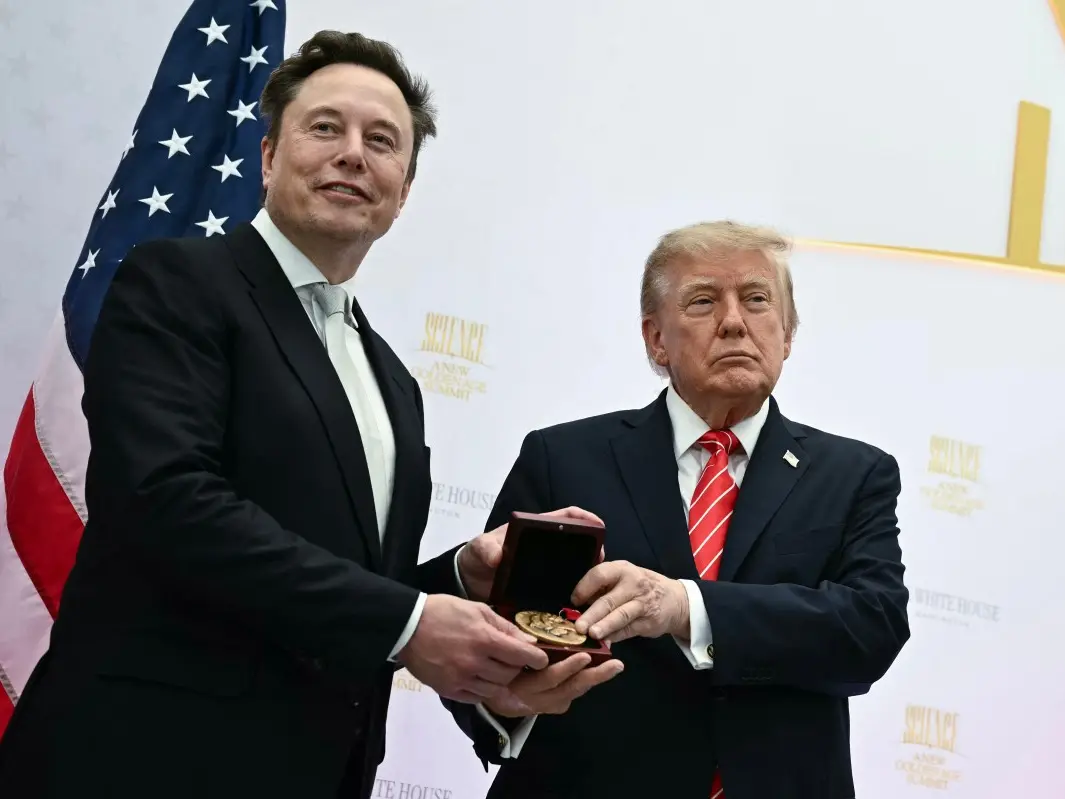
Elon Musk pumps $276 million into Republican campaigns ahead of US midterm elections
On the other hand, the US will gain substantial market access to Vietnam, with zero tariffs on US exports to the country. This could provide new opportunities for American manufacturers, especially in sectors like automotive and agriculture. Trump made the case for US auto exports to Vietnam, particularly large-engine vehicles, which he believes will be a valuable addition to the Vietnamese market.
Strategic importance of the deal
Beyond the economic factors, the deal with Vietnam has strategic implications. Vietnam is one of the key nations in Southeast Asia that the US sees as a crucial partner in balancing China’s growing influence in the region. While the trade agreement focuses on tariffs and market access, it also sets the stage for deeper diplomatic and military cooperation. Trump’s decision to strike a deal with Vietnam comes amid heightened tensions between the US and China, and Vietnam plays an important role as a counterbalance to China’s dominance in the region.
Additionally, Vietnam has long lobbied the US to recognise its market economy status and remove restrictions on the export of high-tech products to the country. This remains an ongoing issue, but the trade deal is a step toward resolving those concerns, which could pave the way for further economic exchanges.
The deal also includes provisions to address Vietnam’s concerns regarding its own access to US markets. Trump’s announcement noted that the country would enjoy full tariff-free access to US markets, opening opportunities for Vietnamese goods to reach American consumers without the burden of tariffs.
Uncertainty looms as details remain sparse
Despite the optimistic announcement, several details of the agreement remain unclear. Both the White House and the Vietnamese trade ministry have not provided full clarity on the specific products that will be affected by the 20 per cent tariff or how the transshipment provisions will be implemented in practice. The Trump administration has yet to release a formal trade agreement or term sheet, meaning that much of the deal remains in a framework stage, similar to previous trade agreements with other countries like China and the UK.
Vietnam ranks fifth among the countries that the US has the highest trade deficit with, and its growing trade surplus with the US has been a contentious issue, with Trump signalling that these tariffs were necessary to correct what he described as an “unfair” trading relationship. With the trade deal, Vietnam hopes to secure greater access to US markets, especially in sectors like agriculture and automotive manufacturing, while addressing the concerns of the US over trade imbalances and transshipment practices.