Pakistan lifts crypto banking ban — is this the ‘Trump effect’?

&imwidth=600&imheight=450&format=webp&quality=medium "Pakistan lifts crypto banking ban — is this the ‘Trump effect’?")
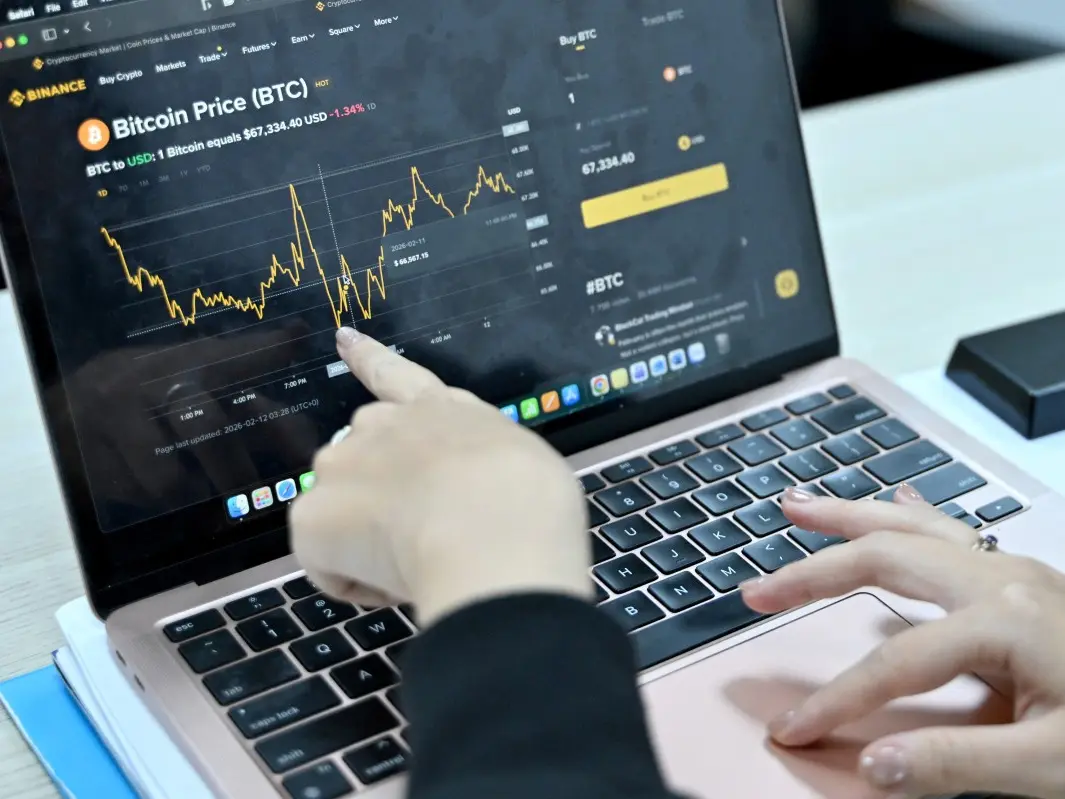
Representative image: Crypto trading Photograph: (AFP)
Why is Pakistan suddenly opening the door to crypto again? After years of restrictions, the State Bank of Pakistan is now allowing regulated crypto firms into the banking system—without fully legalising it. Is this the ‘Trump effect’?
Pakistan has decided to lift a seven-year restriction on banks servicing cryptocurrency-related businesses.
This marks one of the most significant financial policy shifts in its recent economic history.
From ban to framework: A controlled re-entry
Under the new framework, the State Bank of Pakistan now allows financial institutions to open accounts for registered Virtual Asset Service Providers (VASPs) and their clients. This effectively brings crypto-linked firms into the formal banking system for the first time since the 2018 ban, when banks were instructed to cut off all services to cryptocurrency businesses.
However, the shift stops well short of full legalisation. Banks are still explicitly barred from trading, holding, or investing in virtual assets. This dual structure (permission with restrictions) defines Pakistan's new crypto approach: controlled integration rather than unrestricted adoption.
Also read | US could 'do whatever we want': Trump says Iran war ‘going swimmingly’, signals deal could be close
Trending Stories
&imwidth=280&imheight=210&format=webp&quality=medium)
&imwidth=280&imheight=210&format=webp&quality=medium)
&imwidth=280&imheight=210&format=webp&quality=medium)
&imwidth=280&imheight=210&format=webp&quality=medium)
&imwidth=280&imheight=210&format=webp&quality=medium)
&imwidth=280&imheight=210&format=webp&quality=medium)
&imwidth=280&imheight=210&format=webp&quality=medium)
&imwidth=280&imheight=210&format=webp&quality=medium)
&imwidth=280&imheight=210&format=webp&quality=medium)
&imwidth=280&imheight=210&format=webp&quality=medium)
&imwidth=280&imheight=210&format=webp&quality=medium)
&imwidth=280&imheight=210&format=webp&quality=medium)
&imwidth=280&imheight=210&format=webp&quality=medium)
&imwidth=280&imheight=210&format=webp&quality=medium)
&imwidth=280&imheight=210&format=webp&quality=medium)
&imwidth=280&imheight=210&format=webp&quality=medium)
&imwidth=280&imheight=210&format=webp&quality=medium)
&imwidth=280&imheight=210&format=webp&quality=medium)
&imwidth=280&imheight=210&format=webp&quality=medium)
&im=FitAndFill=(700,400)&imwidth=280&imheight=210&format=webp&quality=medium)
&imwidth=280&imheight=210&format=webp&quality=medium)
&imwidth=280&imheight=210&format=webp&quality=medium)
&imwidth=280&imheight=210&format=webp&quality=medium)
&imwidth=280&imheight=210&format=webp&quality=medium)
&imwidth=280&imheight=210&format=webp&quality=medium)
&imwidth=280&imheight=210&format=webp&quality=medium)
&imwidth=280&imheight=210&format=webp&quality=medium)
&imwidth=280&imheight=210&format=webp&quality=medium)
New Rules: Strict integration, timeline, and a rising user base
The pivot to crypto started with Pakistan's Virtual Assets Act, a legislative framework established alongside the Pakistan Virtual Asset Regulatory Authority (PVARA). This also coincides with Trump coming to power in the White House in 2025. Dedicated meetings with Trump-affiliated officials aided the country's pivot from a crypto 'grey-zone' to a more friendly stance.
Despite regulatory ambiguity, usage continued to expand through informal peer-to-peer markets and offshore platforms.
Estimates suggest that Pakistan's crypto user base may range between 15 million and 40 million people.
The country's strong remittance culture has helped in driving large-scale adoption. With more than 60 per cent of its population under the age of 30, Pakistan represents one of the youngest and most digitally active demographics globally.
Stablecoins as a new financial infrastructure
Stablecoins, digital tokens typically pegged to the US dollar, are increasingly being explored as tools for cross-border payments. Unlike volatile cryptocurrencies, stablecoins offer price stability and transaction efficiency. For Pakistan, this global trend intersects with domestic economic realities.
The country's large remittance inflows, totalling $36 billion annually, combined with high transaction costs and delays in traditional banking channels, make digital settlement systems particularly appealing.
Also read | 'Fake Jesus!': Iran turns Trump's deleted AI-image into a viral LEGO diss track amid Pope row | In pics
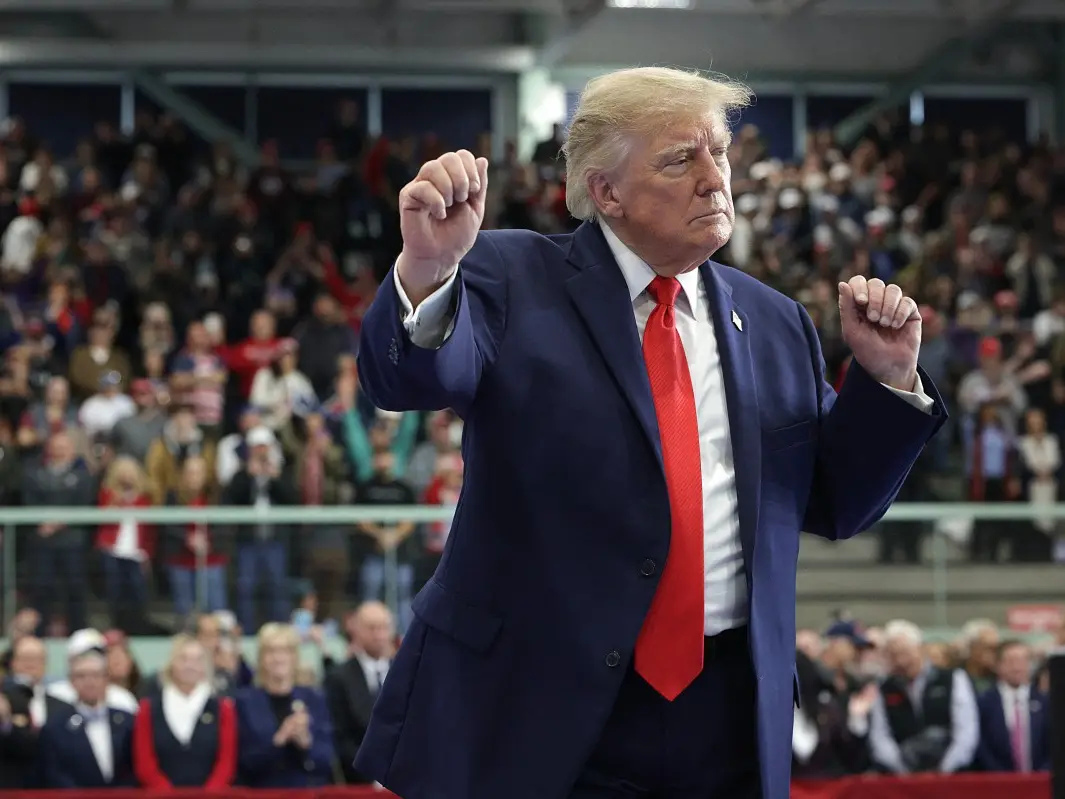
World Liberty connection & the 'Trump effect' debate
Pakistan's crypto pivot comes amid growing engagement with US-linked digital asset ventures, particularly those associated with the broader Trump-aligned crypto ecosystem.
Over the past year, Pakistan has expanded discussions with firms connected to World Liberty Financial, a crypto venture linked to business interests associated with Donald Trump's family ecosystem. Pakistan's newly formed crypto council signed a letter of intent with WLF last year, followed by an MOU involving SC Financial Technologies, an affiliate of WLF.
What is the Trump effect?
The Trump effect is a phenomenon that looks at key partnerships of economies with the United States, tied to Donald Trump's policies. Crypto push became Trump's key policy move, with laws aimed at integrating crypto in the global financial system.
Major countries, like Abu Dhabi, are reportedly linked to USD-1, the stablecoin linked to WLF. From this perspective, Pakistan's outreach to WLF is interpreted as a strategic alignment move, aimed at gaining access to Trump's inner circle.
Beyond Trump: Mounting domestic pressures
Pakistan's crypto policy shift is also rooted in internal economic necessity. The country faces a persistent balance-of-payments pressure, limited fiscal space, and high dependence on remittance inflows. The country recently secured an $8 billion aid package from Saudi Arabia and Qatar to stay afloat.
With Gulf remittances impacted, Pakistan is looking to open its economy to crypto, a move tied to domestic pressures and Trump-related commitments.