
&imwidth=800&imheight=600&format=webp&quality=medium "Oil surge threatens India’s economy, Bernstein's new report warns of structural risks")
Amid rising tensions in West Asia and a sustained increase in crude oil prices, the macro outlook of India faces rising risks, according to a report by global equity research and brokerage firm Bernstein. The report also warned that the ongoing geopolitical shock could lead to structural vulnerabilities in the Indian economy if it continues.
'A prolonged period of elevated crude and tighter external financing conditions could play out for India's macro," the report noted, warning of a potential "GFC moment." It also recalled that after the global financial crisis, "India's economic growth slipped from 10 per cent to 5 per cent, inflation spiked to 10 per cent, and the rupee depreciated 30 per cent."
The report highlighted crude oil prices as a major source of concern, warning that rising prices could push inflation beyond the acceptable range while also posing risks to economic growth and external stability. In a worst-case scenario, where the conflict continues into 2026, Bernstein cautioned that the impact could be severe, potentially leading to double-digit inflation, GDP growth slowing to 2–3 per cent, the rupee weakening past 110, and the Nifty falling well below 20,000.

Inflation is likely to cross 6 per cent
Even under more moderate conditions, the outlook remains difficult. The report indicated that there is a strong likelihood of inflation exceeding 6 per cent in the coming months, which could delay interest rate cuts by at least at the least, and GDP growth to taper. Higher crude prices are expected to strain external imbalances. The report also noted that "elevated crude and trade almost go hand in hand," potentially widening the merchandise trade deficit and putting pressure on the current account.
The currency is also under pressure, with the report indicating that the rupee could soon breach the 97–98 range if tensions persist. While a short-term easing of conflict is possible, Bernstein noted that lasting structural changes may already be taking place, with crude prices unlikely to return to previous lower levels this year.
Trending Stories
)
The Early Spring is proof not everyone can talk about their real feelings, and it is perfectly OK
)
UN votes to ‘correct the map’ as India backs fairer world view
)
Nigerian Navy discovers 99,000 litres of suspected stolen, illegally refined products as it intensifies anti-crude oil theft operations
)
Who is Aditi Paudel? 17-year-old becomes Japan's first literacy ambassador
)
Bengaluru: Officials find 40 kg expired chilli at chairman's club
)
Jaishankar rejects trade link to ending Ukraine war
)
Israeli strikes on Lebanon kill three, injure 23 despite truce
)
Alpine glacier was covered with sheep wool sheets to prevent melting. It worked
)
South Korea mulls deploying military assets to Strait of Hormuz
)
World's fifth-largest economy, British army can't afford to train
)
Breaking | Vance takes the podium: First White House briefing since Leavitt's exit
)
Taiwan raises 'concerns' over China's missile test
)
BRICS 2026: $1 trillion sovereign capital set to converge in Delhi for first iBRICS Summit
)
What is Iran's Pickaxe Mountain that Trump has again threatened to bomb?
)
UN votes to correct world map that visually shrank Africa for 450 years
)
Former NewJeans member Danielle launches YouTube channel, hints at new solo journey
)
Bangladesh batter Towhid Hridoy creates history with 350 not out in South Africa
)
Brendan Fraser’s transformation fuels The Mummy 4 excitement as fans welcome back Rick O’Connell
&im=FitAndFill=(700,400))
Krishna Janmashtami 2026: From Dhaniya Panjiri to Makhana Kheer- 5 best sweet dishes perfect for celebrating Lord Krishna’s birth
)
Donald Trump plans to travel to Ireland on Qatari-donated jet amid security concerns
)
Nazi-looted art to return to Jewish heirs
)
Eight killed in Kerala’s Thrissur after car rams into lorry parked on highway
&im=FitAndFill=(700,400))
Why Russian fighter jets use bulky, low-pressure tyres compared to US jets
)
FBI-wanted fraud accused arrested in Jalandhar over $600,000 scam
&im=FitAndFill=(700,400))
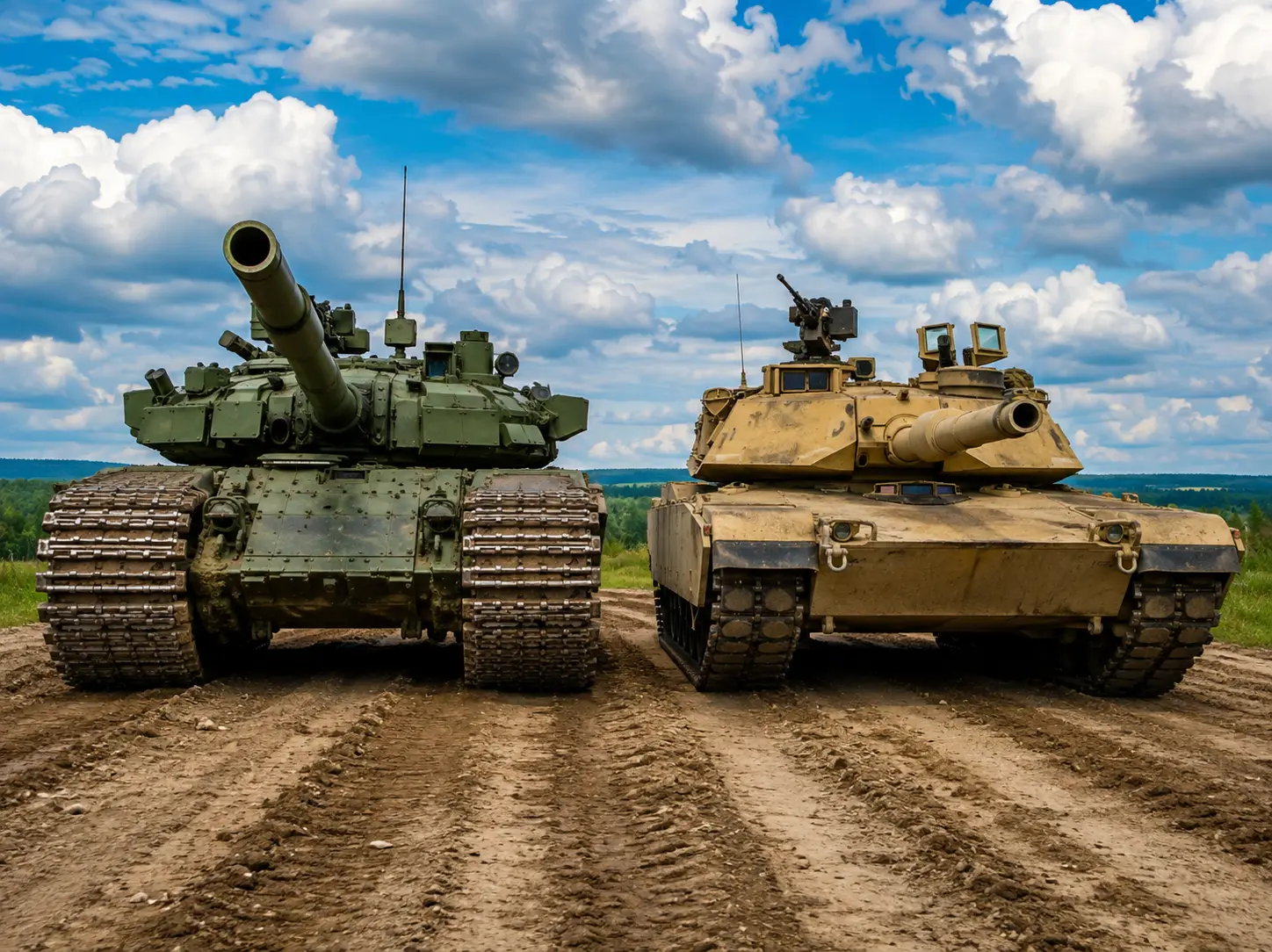
Why US tanks weigh over 20 tons more than Russian tanks
&im=FitAndFill=(700,400))
New Friday OTT releases (September 4, 2026): GDN, Dhamaal 4, Jagamae Sangeetham- Watch 6 new movies and TV shows on Netflix, Prime Video and more
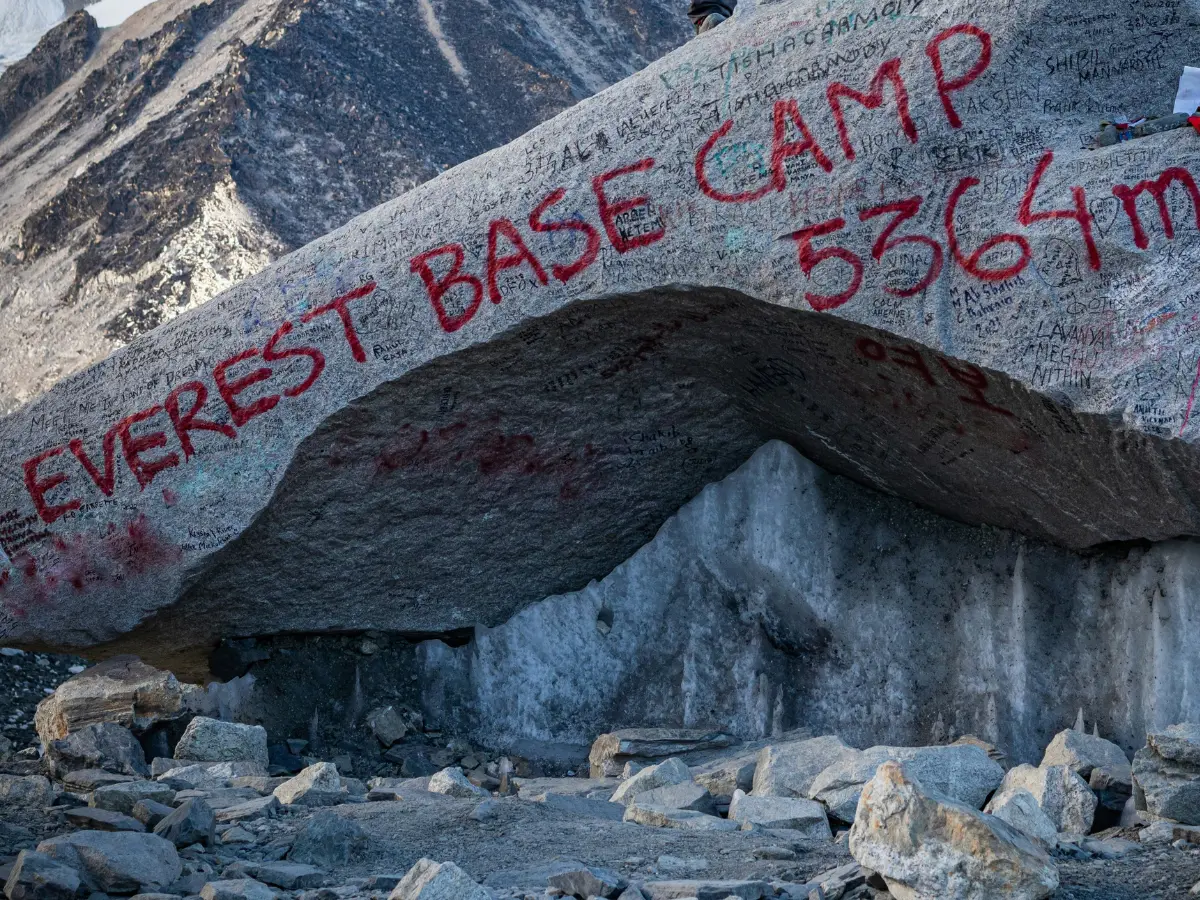)
Killing the Himalayas slowly: Human urine is melting a glacier on Mount Everest
Overall, the report warned that prolonged geopolitical tensions could significantly impact the economy, potentially setting growth back by three to four years. Even in less severe scenarios, it could reduce annual GDP growth by about one percentage point.

