

&imwidth=800&imheight=600&format=webp&quality=medium "Fuel crisis push: Why India wants to switch from LPG to PNG & where it mostly comes from")
The Indian government has been pushing people to opt for PNG (piped natural gas) over LPG (liquified petroleum gas) cylinders amid the chokehold of the Strait of Hormuz. The development unfolded as Iran's war with the US-Israel disrupts global energy flows due to the impact of drones and missiles on the entire oil-rich Gulf region. Several countries, including India, are facing one of the biggest fuel crunches in decades.
What is piped natural gas (PNG)?
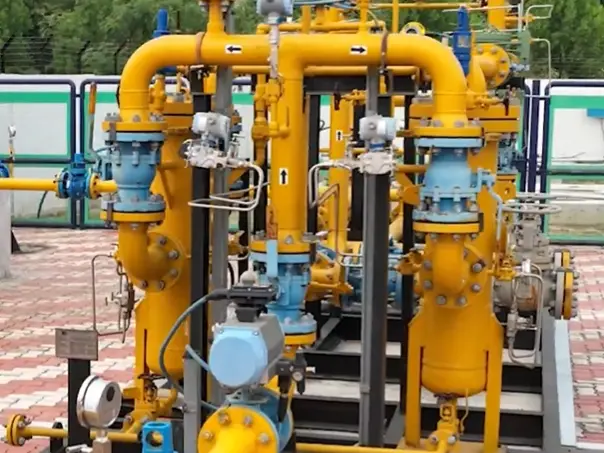
Piped Natural Gas (PNG) consists mainly of methane and is delivered straight to residences via a network of underground pipes. Extracted from natural gas fields, it is often transported to India in a chilled, liquid state known as Liquefied Natural Gas (LNG). Unlike cylinders that require manual refilling, PNG provides a continuous, low-pressure flow through city-wide grids. In contrast, LPG is a byproduct of crude oil processing at refineries.
Where is PNG sourced?
India’s domestic PNG supply is anchored by major gas fields in Tripura, Assam, and the Krishna-Godavari (KG) basin. The Deepwater KG basin on the eastern coast is the primary producer; in 2024, its three KG basin that include MJ, Satellites Cluster, and R Cluster, generated nearly 25 per cent of the nation’s 36 bcm net production. These fields are projected to yield 85 bcm over their operational lifespan. Onshore, the Tripura and Assam basins are important, contributing nearly 47 per cent of land-based production and 13 per cent of the total national supply. To meet remaining demand, India imports LNG, largely from Qatar in the Middle East, as well as from the United States and Australia.
Why does India want to switch from LPG to PNG?
Trending Stories
&imwidth=180&imheight=135&format=webp&quality=medium)
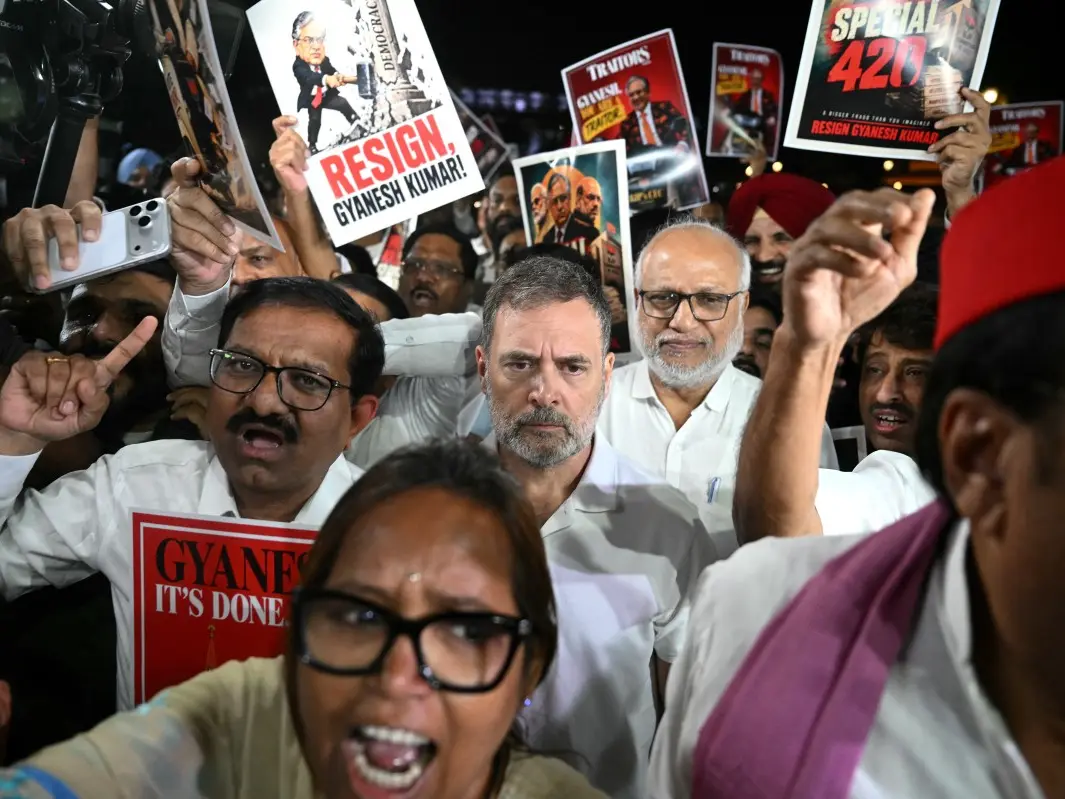
Rahul Gandhi's plea against Election Commission delayed as Supreme Court registry flags 14 ‘defects’
&im=FitAndFill=(700,400)&imwidth=180&imheight=135&format=webp&quality=medium)
Navratri 2026: 9 days, 9 forms of Goddess Durga and 9 colours- Check the complete list
&imwidth=180&imheight=135&format=webp&quality=medium)
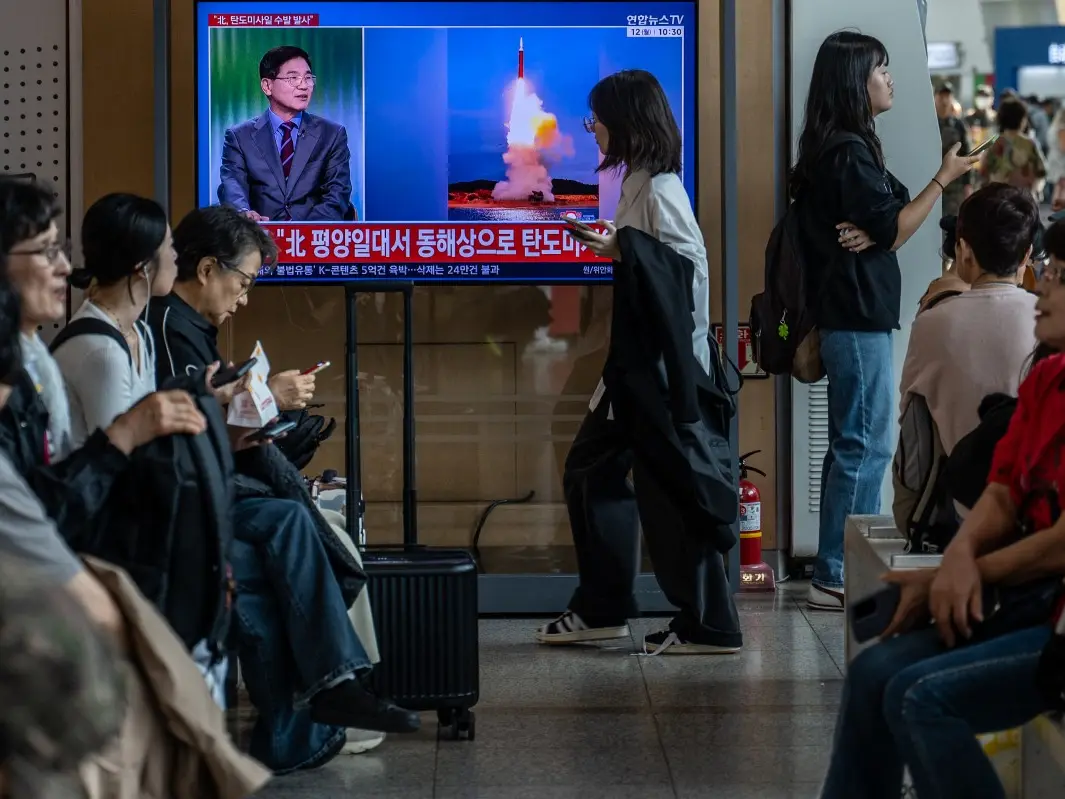
Korean peninsula tensions escalate as North Korea launches multiple ballistic missiles, PACOM says 'no threat to US personnel'
&imwidth=180&imheight=135&format=webp&quality=medium)
Trump weighs firing Kimberly Guilfoyle as US ambassador to Greece amid misconduct allegations: Report
&imwidth=180&imheight=135&format=webp&quality=medium)
Anti-SIR protest in Mumbai: Protestors wear black masks & ribbons in Mumbai
&imwidth=180&imheight=135&format=webp&quality=medium)
UK PM Andy Birnham renews claims of Russian meddling in Brexit vote
&imwidth=180&imheight=135&format=webp&quality=medium)
BCCI rejects venue shift reports, India vs Sri Lanka 1st ODI to remain in Delhi
&imwidth=180&imheight=135&format=webp&quality=medium)
'Absolutely disgusting': Australia slams US plan to livestream Nidal Hasan's execution; Mike Johnson raises concerns, warns of terrorist propaganda
&imwidth=180&imheight=135&format=webp&quality=medium)
1,500 drones illuminate Mumbai sky as Cordelia Cruises unveils second ship, Cordelia Sky
&imwidth=180&imheight=135&format=webp&quality=medium)
Houthis warns US of 'painful response' if Washington joins Saudi war in Yemen as airlines suspend flights to Saudi Arabia
&imwidth=180&imheight=135&format=webp&quality=medium)
Congress demands action against chief election commissioner
&imwidth=180&imheight=135&format=webp&quality=medium)
'Turn approver, resign, we'll forgive you': Rahul Gandhi claims receiving messages from CEC Gyanesh Kumar
&imwidth=180&imheight=135&format=webp&quality=medium)
'I will not be silenced': Ilhan Omar alleges political intimidation after federal officers search her Washington home
&imwidth=180&imheight=135&format=webp&quality=medium)
Robotic surgery, advanced treatment: What is coming to this small Gujarat town?
&imwidth=180&imheight=135&format=webp&quality=medium)
Pakistan's government blames PTI for rise of terrorism in Khyber Pakhtunkhwa
&imwidth=180&imheight=135&format=webp&quality=medium)
‘This is just the start’: Maaya Rajeshwaran on historic ITF title, confidence boost and future goals
&im=FitAndFill=(700,400)&imwidth=180&imheight=135&format=webp&quality=medium)
How does a robot decide what to do next?
&imwidth=180&imheight=135&format=webp&quality=medium)
Trump says he 'may' meet North Korean leader Kim Jong Un during upcoming Asia trip
&imwidth=180&imheight=135&format=webp&quality=medium)
'Ouch!!! That must hurt': Kangana Ranaut hails Kamal Haasan's sharp reply to Elon Musk over Starlink row
&imwidth=180&imheight=135&format=webp&quality=medium)
Sidhu Moose Wala’s younger brother wins hearts by recreating late singer’s signature move at Toronto Hologram Show
&imwidth=180&imheight=135&format=webp&quality=medium)
Girl 'dead' for 8 hours wakes up at her own funeral, dad insists she wasn't breathing
&imwidth=180&imheight=135&format=webp&quality=medium)
UK school ditches technology, shifts from screen to pen and paper for learning
&imwidth=180&imheight=135&format=webp&quality=medium)
Opposition’s 10 demands in Supreme Court petition range from stay on SIR to audit of voter rolls
&imwidth=180&imheight=135&format=webp&quality=medium)
'I am thoroughly unamused': Judge slams Trump administration after 400 trees cut at Washington golf course
&im=FitAndFill=(700,400)&imwidth=180&imheight=135&format=webp&quality=medium)
New OTT releases this week (October 12-18, 2026): Sacrifice, Koffee with Karan S9, Roadies Rebirth- 6 titles coming on Netflix, JioHotstar and more
&imwidth=180&imheight=135&format=webp&quality=medium)
Delhi protest: CJI Surya Kant declines to meet India Bloc leaders
&imwidth=180&imheight=135&format=webp&quality=medium)
China’s gold rush puts billion in focus
&imwidth=180&imheight=135&format=webp&quality=medium)
India's Ajit Doval, Iran's Mohsen Rezaei hold talks amid escalating West Asia tensions, discuss 'issues of mutual interest'
&imwidth=180&imheight=135&format=webp&quality=medium)
'Almost certainly': UK Prime Minister Andy Burnham says Iran's IRGC behind RAF Fairford threat
&imwidth=180&imheight=135&format=webp&quality=medium)
Elon Musk pumps $276 million into Republican campaigns ahead of US midterm elections
&imwidth=180&imheight=135&format=webp&quality=medium)
'Never met' him: Melbourne Imam denies links to Flydubai co-pilot Hamam al-Hammami
The most prominent rasons lies how both fuels are supplied to India. Basically, LPG highly rely on imports shipped from the Middle East, a major portion of its quantity is transported through the strategically sensitive Strait of Hormuz, where tankers have been hit by drones and missiles amid the West Asia war. Any logistical bottleneck at those points directly impacts tanker traffic, resulting in immediate shortages, delivery lags, and noticeable disruptions like unavailable cylinders or extended waitlists.
Conversely, Piped Natural Gas (PNG) is distributed via a stable, underground pipeline infrastructure, sourced from both internal gas fields and imported Liquefied Natural Gas (LNG). Since this system operates as a constant, integrated flow, it remains unaffected by the individual delivery schedules or "discrete events" required for cylinder replacements.

