Oil shocks may slowdown US economy amid geopolitical tensions, India to remain resilient: SBI

&imwidth=600&imheight=450&format=webp&quality=medium "Oil shocks may slowdown US economy amid geopolitical tensions, India to remain resilient: SBI")
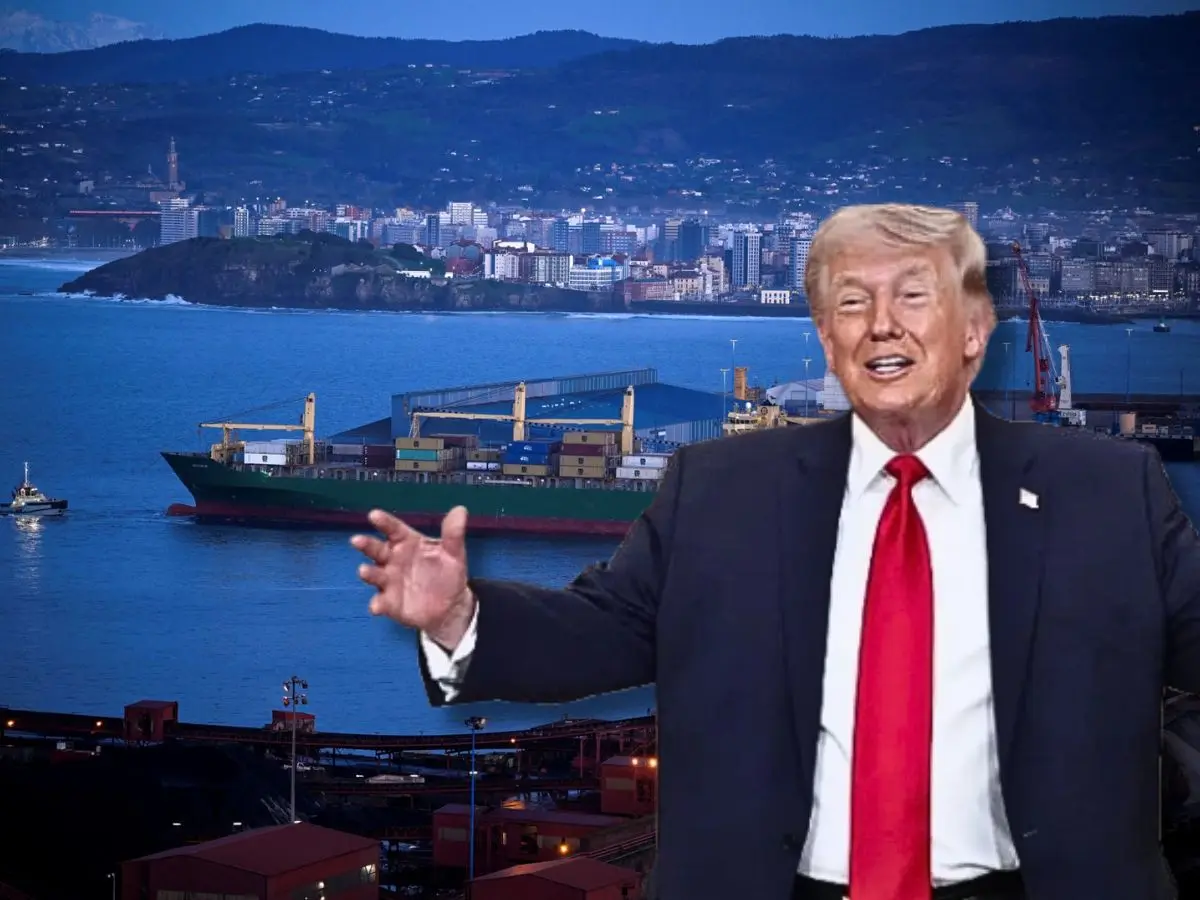
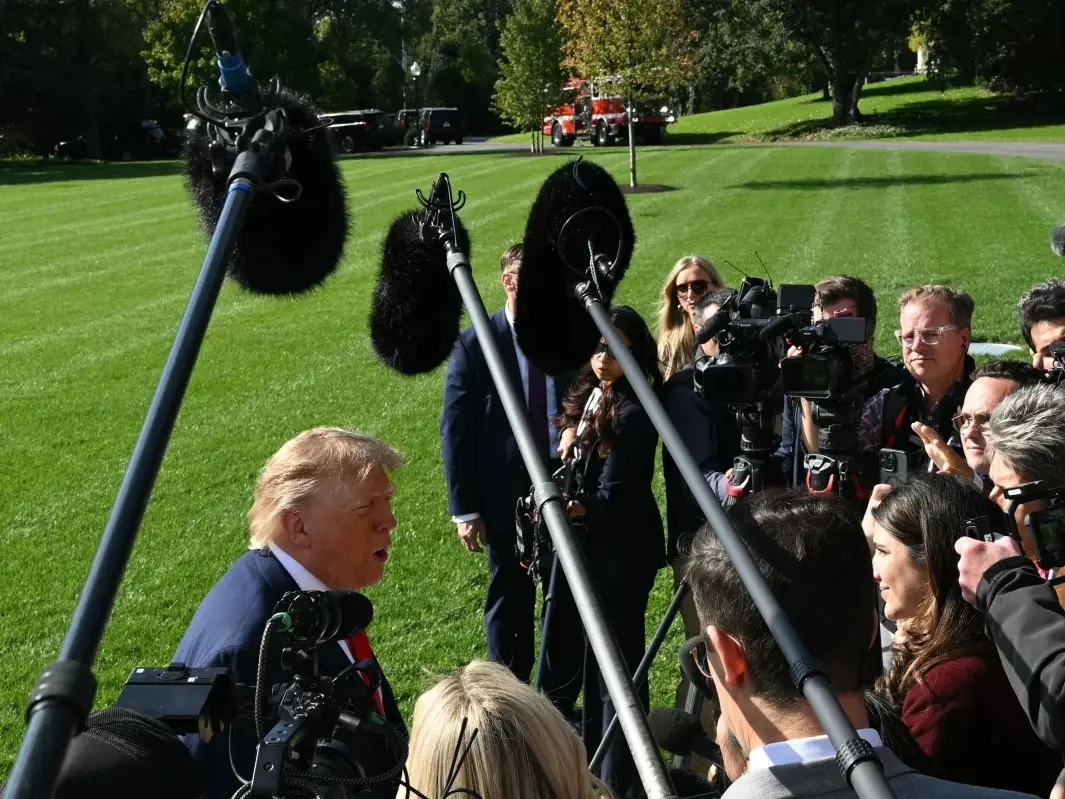
File photo of US President Donald Trump. Photograph: (AFP)
The report also warns that although risks remain high due to the ongoing West Asia crisis and disruptions in global supply chains, the usual strong link between oil shocks and US recessions may not be as pronounced this time.
Amid rising geopolitical tensions and energy shocks, the slowdown in the US economy has highlighted concerns with limited but notable implications for India, according to a report by SBI Research. The report suggests that the current situation could unfold differently from previous recession cycles, though it may still carry some limited yet meaningful consequences for India.
It highlights that historically, major global oil shocks have typically been followed by a recession in the United States. Instances such as the 1973 oil embargo, the 1979 Iran crisis, the Gulf War, and the 2008 global financial crisis all witnessed sharp surges in crude prices preceding economic contractions in the US.
US Economy in the past
However, the report emphasises that the current scenario is structurally different. Unlike in the past, the US economy is now more energy self-sufficient and has evolved into a net exporter of energy. The changes indicate that increased oil prices may not exhaust domestic resources, as increased energy spending resides within the country. In addition, US households are getting benefits from substantial tax refunds, which could shield consumption and delay any downturn.
The report warns that although risks remain high due to the ongoing West Asia crisis and disruptions in global supply chains, the usual strong link between oil shocks and US recessions may not be as pronounced this time. Regarding India, SBI Research noted that the country is approaching this period of global uncertainty from a relatively strong position. India posted a solid GDP growth of 7.6 per cent in FY26 and is expected to expand by around 6.5–6.8 per cent in FY27 despite challenging global conditions.
It added that India’s strong macroeconomic fundamentals, such as healthy domestic demand, a robust banking system, and stable financial conditions, act as a cushion against external shocks. The report also compared the current situation to the Russia-Ukraine conflict period, when India managed to sustain strong growth. However, it cautioned that indirect impacts, like rising crude oil prices, inflationary pressures, and global trade disruptions, could slow growth. It also stressed the importance of policy measures, particularly to manage the balance of payments and support currency stability.
Trending Stories
&imwidth=280&imheight=210&format=webp&quality=medium)
&imwidth=280&imheight=210&format=webp&quality=medium)
&imwidth=280&imheight=210&format=webp&quality=medium)
&imwidth=280&imheight=210&format=webp&quality=medium)
&imwidth=280&imheight=210&format=webp&quality=medium)
&imwidth=280&imheight=210&format=webp&quality=medium)
&imwidth=280&imheight=210&format=webp&quality=medium)
&imwidth=280&imheight=210&format=webp&quality=medium)
&imwidth=280&imheight=210&format=webp&quality=medium)
&imwidth=280&imheight=210&format=webp&quality=medium)
&imwidth=280&imheight=210&format=webp&quality=medium)
&imwidth=280&imheight=210&format=webp&quality=medium)
&imwidth=280&imheight=210&format=webp&quality=medium)
&imwidth=280&imheight=210&format=webp&quality=medium)
&imwidth=280&imheight=210&format=webp&quality=medium)
&imwidth=280&imheight=210&format=webp&quality=medium)
&imwidth=280&imheight=210&format=webp&quality=medium)
&imwidth=280&imheight=210&format=webp&quality=medium)
&imwidth=280&imheight=210&format=webp&quality=medium)
&imwidth=280&imheight=210&format=webp&quality=medium)
&imwidth=280&imheight=210&format=webp&quality=medium)
&imwidth=280&imheight=210&format=webp&quality=medium)
&imwidth=280&imheight=210&format=webp&quality=medium)
&imwidth=280&imheight=210&format=webp&quality=medium)
&imwidth=280&imheight=210&format=webp&quality=medium)
&im=FitAndFill=(700,400)&imwidth=280&imheight=210&format=webp&quality=medium)
&imwidth=280&imheight=210&format=webp&quality=medium)
&imwidth=280&imheight=210&format=webp&quality=medium)
&imwidth=280&imheight=210&format=webp&quality=medium)
&imwidth=280&imheight=210&format=webp&quality=medium)
&imwidth=280&imheight=210&format=webp&quality=medium)
&imwidth=280&imheight=210&format=webp&quality=medium)
&imwidth=280&imheight=210&format=webp&quality=medium)
&imwidth=280&imheight=210&format=webp&quality=medium)
&imwidth=280&imheight=210&format=webp&quality=medium)
&imwidth=280&imheight=210&format=webp&quality=medium)

