Oil prices stay steady amid Russia sanctions and tariff fears collide

&imwidth=600&imheight=450&format=webp&quality=medium "Oil prices stay steady amid Russia sanctions and tariff fears collide")
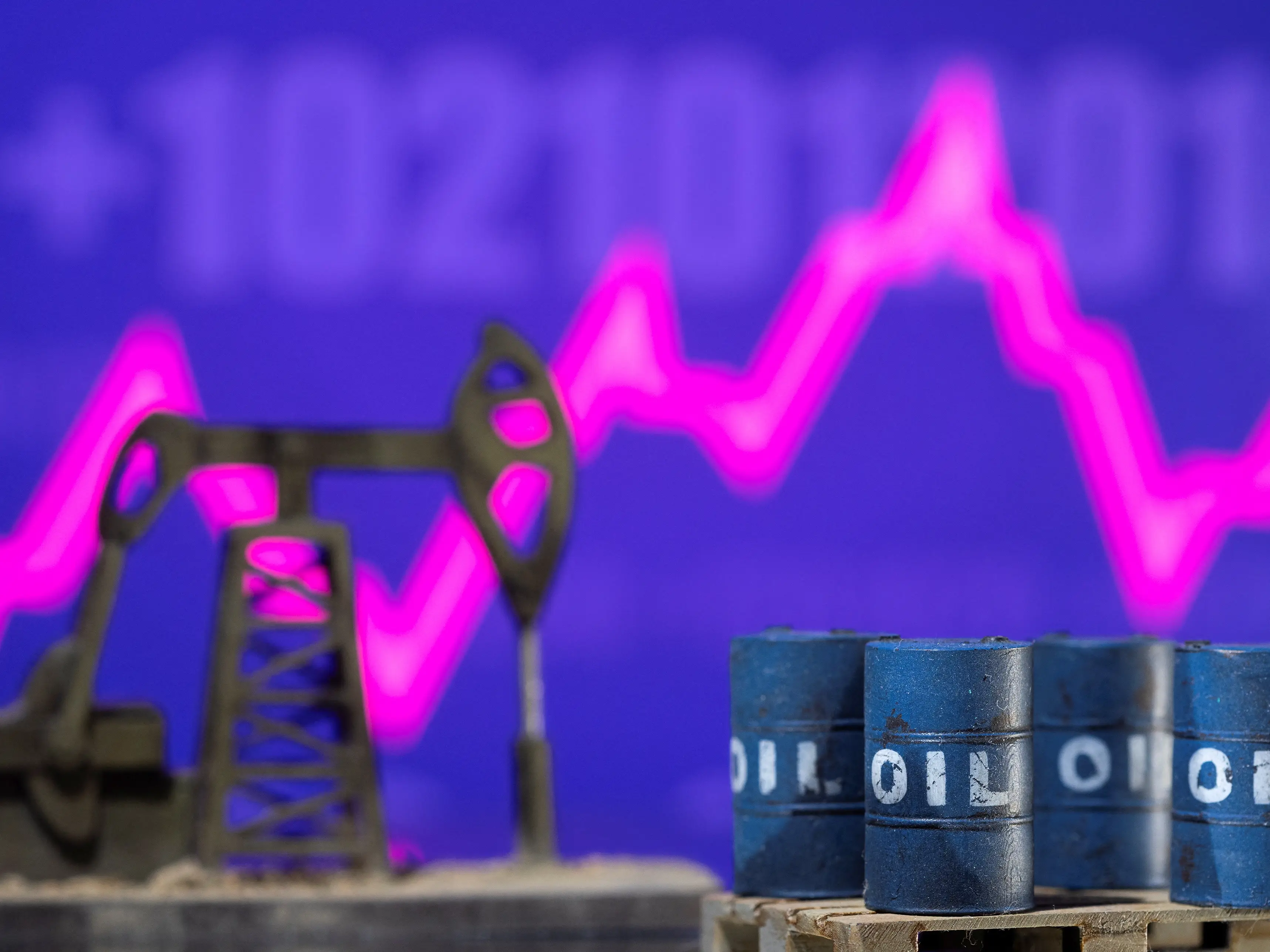
Models of oil barrels and a pump jack are displayed in front of a rising stock graph in this illustration taken. Photograph: (Reuters)
Oil prices on Monday remained stagnant as investors assessed new European sanctions on Russian energy, diplomatic uncertainties around Iran, and upcoming US tariffs.
On Monday, as investors took stock of fresh European sanctions on Russian energy exports, diplomatic uncertainty over Iran, and the looming risk of new US tariffs, oil prices barely moved. Despite escalating geopolitical tension, traders remained cautious, with crude benchmarks locked in a narrow range. As per Reuters, Brent crude went up by just 5 cents to $69.33 a barrel in early trade, while US West Texas Intermediate (WTI) added 2 cents to $67.36. This follows Friday's trend, but oil remains under pressure after slipping 1.5 per cent last week, its first weekly drop in July, as per Bloomberg.
Since May, crude prices have been trending higher, but remain nearly 7 per cent lower for the year. Analysts say a mix of oversupply, trade war fears, and diplomatic standoffs has kept energy markets in a holding pattern.
India’s Nayara caught in crossfire as EU targets Russian energy
Last week, the European Union approved its 18th package of sanctions against Russia. This comes as the West intensifies pressure on Moscow over the war in Ukraine. The measures include a lower price cap on Russian crude, banking restrictions, and new curbs on refined fuels. The sanctions also reportedly hit India’s Nayara Energy, a major buyer and exporter of Russian oil products.
By slamming the move as “unjustified and illegal", Rosneft, Russia’s top oil producer and a stakeholder in Nayara warns that this will threaten India’s energy security. Kremlin spokesperson Dmitry Peskov added that Russia had developed “a certain immunity” to Western sanctions, as quoted by Reuters.
Iran to resume nuclear talks as fresh sanctions in play
Trending Stories
)
&im=FitAndFill=(700,400))
&im=FitAndFill=(700,400))
)
)
)
)
)
)
)
)
)
&im=FitAndFill=(700,400))
)
&im=FitAndFill=(700,400))
)
)
)
&im=FitAndFill=(700,400))
&im=FitAndFill=(700,400))
&im=FitAndFill=(700,400))
&im=FitAndFill=(700,400))
)
)
)
)
)
&im=FitAndFill=(700,400))
)
)
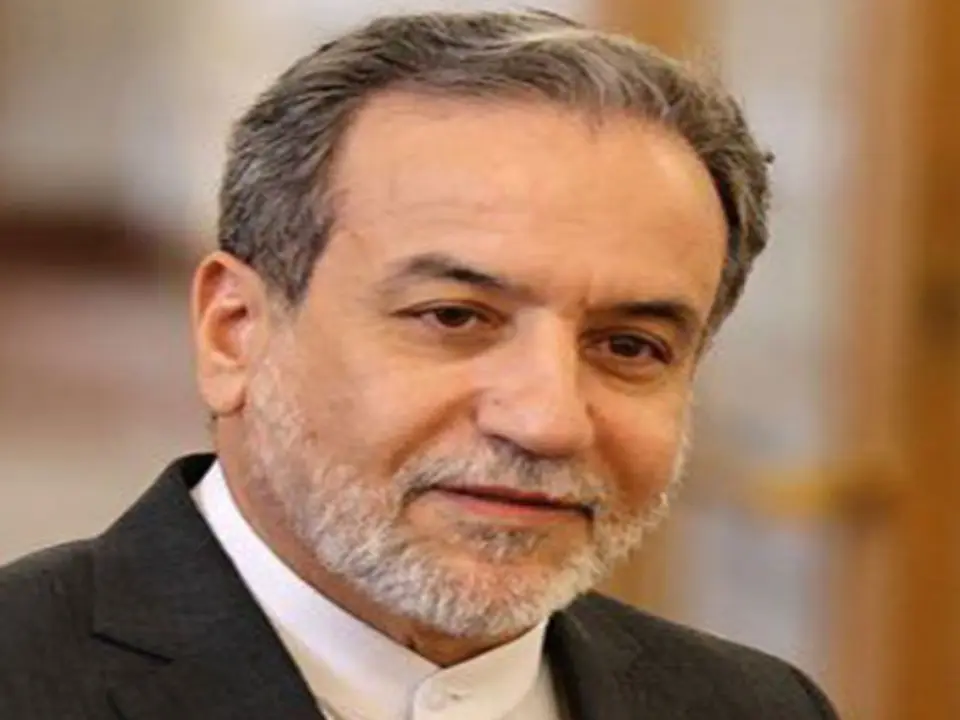
Meanwhile, another sanctioned oil producer, Iran, is preparing for renewed nuclear talks. According to an Iranian foreign ministry spokesperson quoted by Reuters, negotiations with Britain, France, and Germany are expected to take place in Istanbul on Friday.
The talks follow warnings from European powers that failure to re-engage on the 2015 nuclear deal could trigger new international sanctions. This further adds uncertainty to the global crude supply.
US eyes tariffs
Across the Atlantic, markets are closely watching the next phase of the US-EU trade standoff. US tariffs on European imports are set to kick in on August 1. However, US Commerce Secretary Howard Lutnick said on Sunday he remains “confident” that a trade deal can be reached, as reported by Reuters. Bloomberg reports that EU envoys could meet as early as this week to plan countermeasures, including possible restrictions on US energy firms, in the event of a no-deal outcome. President Donald Trump’s negotiating position is said to have hardened ahead of the August deadline.
Meanwhile, in the US, oilfield activity is showing signs of a slowdown. The number of active oil rigs fell by two last week to 422, the lowest since September 2021, according to Baker Hughes data released on Friday. Though this suggests slightly tighter domestic supply, analysts say it’s unlikely to drive major price changes without a broader shift in geopolitical risk or demand outlook.
With sanctions tightening on Russia and Iran, and trade tensions heating up between the US and Europe, oil markets are stuck in a delicate balancing act. As traders await clarity on both diplomacy and demand, prices may remain range-bound in the near term.
(With inputs from the agencies)