Oil holds as Trump’s tariff war clashes with Russian supply fears

&imwidth=600&imheight=450&format=webp&quality=medium "Oil holds as Trump’s tariff war clashes with Russian supply fears")
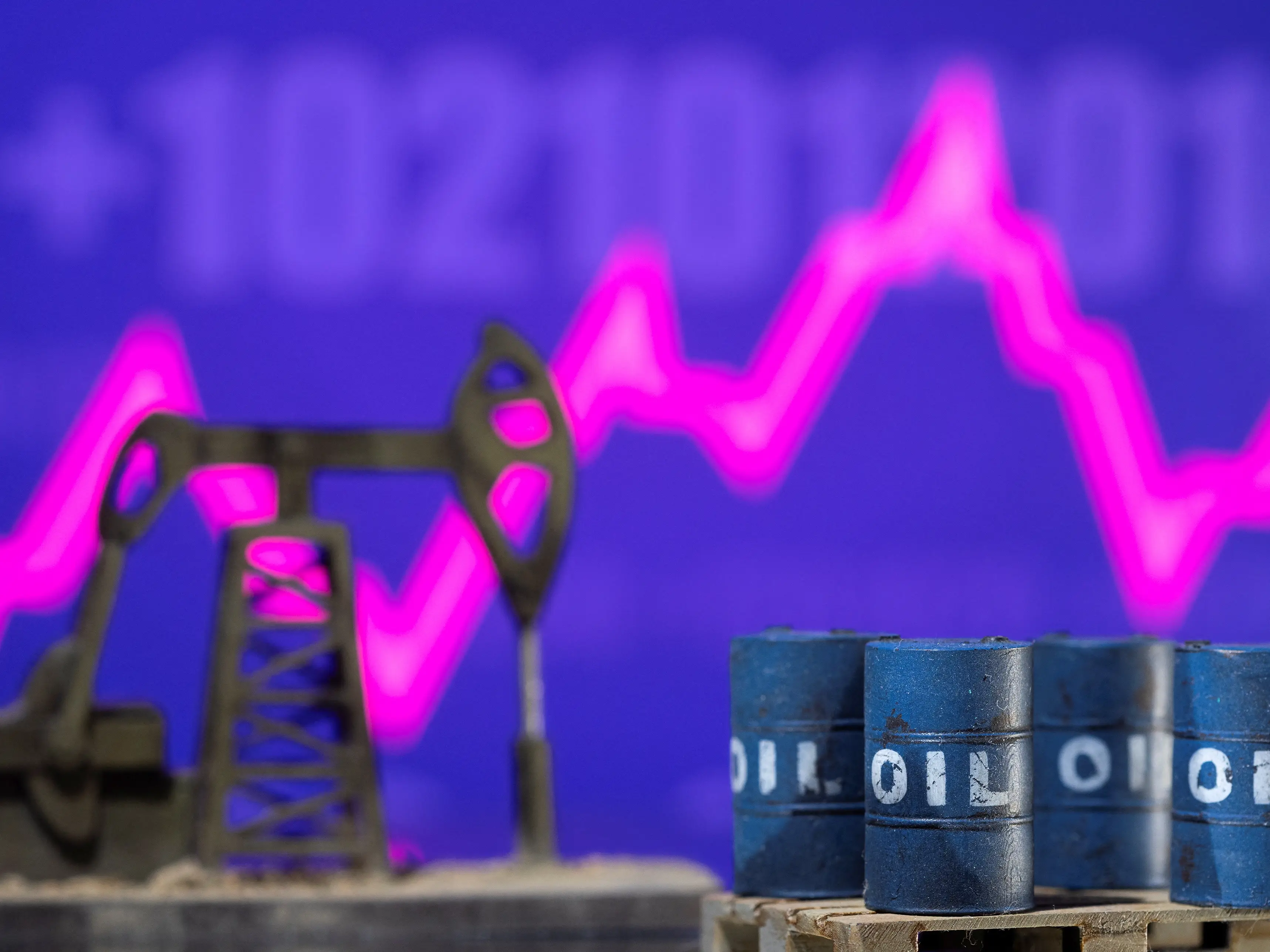
Models of oil barrels and a pump jack are displayed in front of a rising stock graph in this illustration. Photograph: (Reuters)
Oil prices stabilised on Friday amid conflicting pressures: apprehensions about descending global demand due to US tariffs, and potential supply disruptions from Russia.
On Friday, oil prices paused for breath. This comes as it was teetering between two conflicting forces, fears of slowing global demand triggered by US tariffs, and threats of supply disruptions from Russia that could tighten markets. As per Reuters, Brent crude futures inched up by just 4 cents to $71.74 a barrel at 1201 GMT, while US West Texas Intermediate (WTI) crude edged a mere 1 cent higher to $69.27. Despite the quiet session, both benchmarks were on track for weekly gains, 4.9% for Brent and a stronger 6.4% for WTI.
Tariff threats complicate the outlook
At the centre of the volatility is US President Donald Trump’s aggressive new trade offensive. On Thursday, Trump signed an executive order imposing steep tariffs, between 10 per cent and 41 per cent, on US imports from dozens of countries, including Canada, India, and Taiwan. The order targets nations that failed to meet Trump’s August 1 deadline to strike bilateral trade agreements with Washington. These sweeping tariffs are already showing ripple effects in the US economy, as per Reuters. In June, inflation ticked up as duties drove prices higher on imported goods ranging from furniture to recreational products, adding to concerns that consumer spending may be squeezed.
This, in turn, could weigh on fuel demand. Analysts warn that higher costs and delayed Federal Reserve rate cuts could limit economic growth, indirectly suppressing oil consumption in the world’s largest crude consumer. “The levies will limit economic growth by raising prices, which would weigh on oil consumption,” analysts cautioned in remarks quoted by Reuters.
Russian oil supply caught in the crosshairs
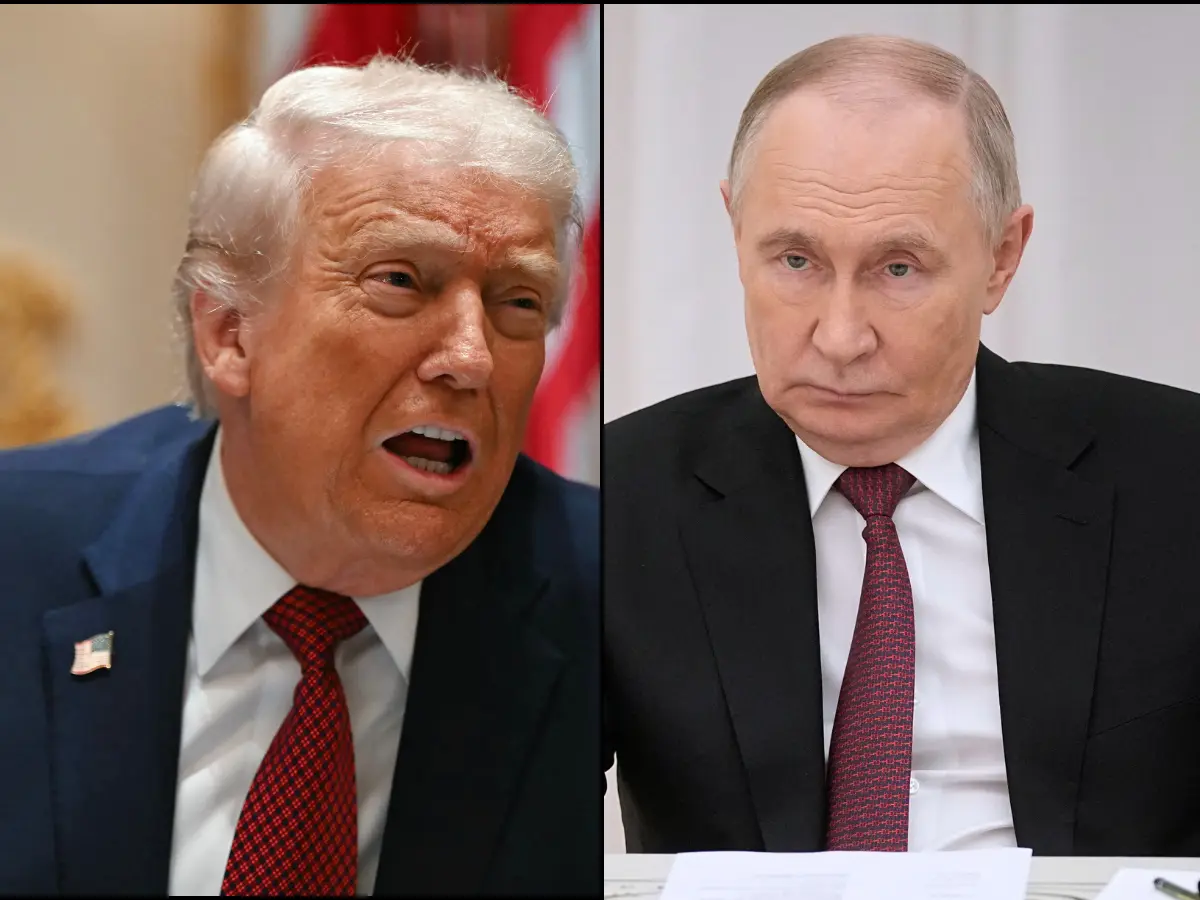
Yet while demand-side worries linger, supply-side jitters are keeping a floor under oil prices. Earlier this week, Trump threatened secondary sanctions on countries that continue to buy Russian crude, which notably includes China and India, who are the second and third-largest oil consumers in the world. The major goal of Trump's ultimatum is to economically isolate Moscow and force an end to its war against Ukraine.
Trending Stories
&imwidth=280&imheight=210&format=webp&quality=medium)
&imwidth=280&imheight=210&format=webp&quality=medium)
&imwidth=280&imheight=210&format=webp&quality=medium)
&imwidth=280&imheight=210&format=webp&quality=medium)
&imwidth=280&imheight=210&format=webp&quality=medium)
&imwidth=280&imheight=210&format=webp&quality=medium)
&im=FitAndFill=(700,400)&imwidth=280&imheight=210&format=webp&quality=medium)
&imwidth=280&imheight=210&format=webp&quality=medium)
&imwidth=280&imheight=210&format=webp&quality=medium)
&imwidth=280&imheight=210&format=webp&quality=medium)
&imwidth=280&imheight=210&format=webp&quality=medium)
&imwidth=280&imheight=210&format=webp&quality=medium)
&imwidth=280&imheight=210&format=webp&quality=medium)
&imwidth=280&imheight=210&format=webp&quality=medium)
&imwidth=280&imheight=210&format=webp&quality=medium)
&imwidth=280&imheight=210&format=webp&quality=medium)
&imwidth=280&imheight=210&format=webp&quality=medium)
&imwidth=280&imheight=210&format=webp&quality=medium)
&imwidth=280&imheight=210&format=webp&quality=medium)
&imwidth=280&imheight=210&format=webp&quality=medium)
&imwidth=280&imheight=210&format=webp&quality=medium)
&imwidth=280&imheight=210&format=webp&quality=medium)
&imwidth=280&imheight=210&format=webp&quality=medium)
&imwidth=280&imheight=210&format=webp&quality=medium)
&im=FitAndFill=(700,400)&imwidth=280&imheight=210&format=webp&quality=medium)
&imwidth=280&imheight=210&format=webp&quality=medium)
&imwidth=280&imheight=210&format=webp&quality=medium)
&imwidth=280&imheight=210&format=webp&quality=medium)
&imwidth=280&imheight=210&format=webp&quality=medium)
&imwidth=280&imheight=210&format=webp&quality=medium)
&imwidth=280&imheight=210&format=webp&quality=medium)
&imwidth=280&imheight=210&format=webp&quality=medium)
&imwidth=280&imheight=210&format=webp&quality=medium)
&imwidth=280&imheight=210&format=webp&quality=medium)
The move has sparked unease in global oil markets. According to a note from JP Morgan, also cited by Reuters, as much as 2.75 million barrels per day of Russian seaborne oil exports could be at risk if Washington proceeds with penalising buyers. “The Trump administration, like its predecessors, will likely find sanctioning the world’s second-largest oil exporter unfeasible without spiking oil prices,” JP Morgan analysts wrote. Even the threat of such tariffs has already started reshuffling global trade flows, with refiners and shippers reassessing exposure to Russian barrels. In the short term, this could tighten supply and lend support to oil prices.
What happens next?
Markets now face a delicate balancing act. Will Trump’s tariff escalation choke off global growth? Or will Russian supply threats dominate headlines and keep prices elevated? What’s clear is that geopolitics, not just fundamentals and will continue to drive volatility in oil markets.
With US inflation rising and the Federal Reserve potentially delaying interest rate cuts until October, as reported by Reuters, any sustained rise in oil prices could further complicate the policy outlook. For now, oil traders are caught between two opposing forces, a world that might consume less, and a world that might produce less.
And in the middle of it all is a global economy trying to dodge both a trade war and an oil shock.
(With inputs from the agencies)