New Tax Rules Alert: Buying Luxury? Say Hello to 1% TCS on ₹10 Lakh+ Items

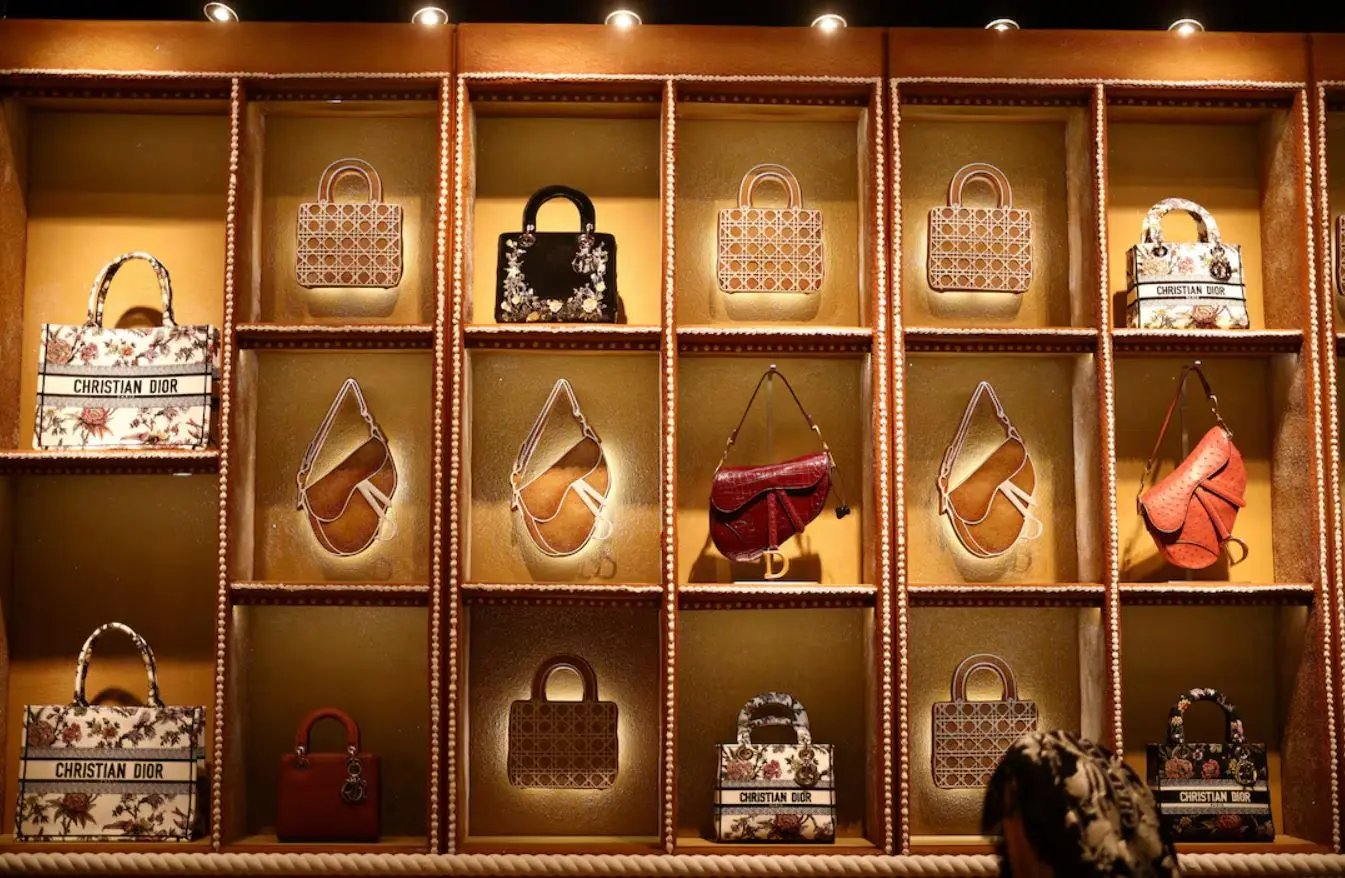
Business & Economy: Starting April 22, 2025, a 1% TCS will apply on luxury goods above ₹10 lakh, including items like yachts and designer handbags. This aims to enhance tax transparency and monitor high-value purchases.
Thinking of splurging on a designer handbag or a helicopter joyride? The taxman wants a piece too.
In a move aimed at tightening the net around big-ticket spending, the Central Board of Direct Taxes (CBDT) has implemented a new rule mandating 1% Tax Collected at Source (TCS) on luxury goods priced above ₹10 lakh, effective April 22, 2025.

What Will Attract the New 1% TCS?
The following luxury items are covered under the new rule if priced above ₹10 lakh:- Luxury wristwatches
- Paintings, sculptures, antiques
- Collectables like coins and stamps
- Premium vehicles: yachts, helicopters, rowing boats, canoes
- High-end sunglasses
- Luxury handbags and purses
- Designer footwear
- Golf kits and ski wear
- Home theatre systems
- Horses used in racing or polo
For example, if you're purchasing a designer watch worth ₹15 lakh, you’ll now pay an additional ₹15,000 as TCS. The seller collects this and deposits it with the Income Tax Department against your PAN.
&imwidth=180&imheight=135&format=webp&quality=medium)
Kolkata airport: CISF detects ₹1.13 crore in US dollars hidden in bags of 2 Bangkok-bound passengers
&imwidth=180&imheight=135&format=webp&quality=medium)
Priyanka Chopra celebrates Dussehra 2026 with Nick Jonas and daughter Malti Marie | See pics
&imwidth=180&imheight=135&format=webp&quality=medium)
US-Iran war: Bibi, Trump gamble on new Iran war to save themselves in polls
&imwidth=180&imheight=135&format=webp&quality=medium)
Australia police arrest former national 100m champ Jake Doran for alleged child abuse
&imwidth=180&imheight=135&format=webp&quality=medium)
Diljit Dosanjh's Oct 30 Delhi show hits roadblock, Delhi Police denies permission
&imwidth=180&imheight=135&format=webp&quality=medium)
Rafale Marine fighter begins flight trials in Goa ahead of Indian Navy induction
&im=FitAndFill=(700,400)&imwidth=180&imheight=135&format=webp&quality=medium)
New OTT releases this week (October 19-25, 2026): Gajab Raat to Chaar Yaar-8 titles to watch during Dussehra week on Netflix, Prime Video and more
&imwidth=180&imheight=135&format=webp&quality=medium)
US midterms 2026: What polls and prediction markets indicate about Congress
&imwidth=180&imheight=135&format=webp&quality=medium)
Meta slapped with $25 billion fine in New Mexico over Facebook data practices, company plans appeal
&imwidth=180&imheight=135&format=webp&quality=medium)
EU probes Booking.com under Digital Services Act
&imwidth=180&imheight=135&format=webp&quality=medium)
‘I caution the president...’: Trump’s ex-press secretary warns after Zacharia’s exit
&imwidth=180&imheight=135&format=webp&quality=medium)
'It's a crime not to see this scene': Tehran puts Trump 'behind bars'
&imwidth=180&imheight=135&format=webp&quality=medium)
16-foot doomsday fish in Chile triggers fears that the next earthquake is coming
&imwidth=180&imheight=135&format=webp&quality=medium)
Why websites around the world are suddenly going offline? What you need to know about PHP
&imwidth=180&imheight=135&format=webp&quality=medium)
'You are a dummy, you are a stupid person': Trump loses temper with CNN, ABC reporters after questions about Russia sanctions
&imwidth=180&imheight=135&format=webp&quality=medium)
China's dancing robot turns violent bodyguard, lifts cars and fights intruders - Watch
&imwidth=180&imheight=135&format=webp&quality=medium)
Ilhan Omar breaks silence over alleged marriage to her brother; Trump thinks it's 'really good answer'
&imwidth=180&imheight=135&format=webp&quality=medium)
'Father of all bombs' vs 'mother of all bombs': Iran threatens US with new weapon as Trump hints at MOAB strike
&imwidth=180&imheight=135&format=webp&quality=medium)
Feds obtain DNA evidence that could prove Ilhan Omar married her brother: Report
&imwidth=180&imheight=135&format=webp&quality=medium)
From Agni-V to Project Kusha: How are India’s indigenous missile systems and defence shield reshaping modern warfare
&imwidth=180&imheight=135&format=webp&quality=medium)
WATCH: Woman IPS officer fires several rounds of AK-47, ignites debate online
&imwidth=180&imheight=135&format=webp&quality=medium)
Pakistan signs another defence pact even as Makkah Alliance shows no teeth. This time, it's with Qatar, Indonesia, Turkey
&imwidth=180&imheight=135&format=webp&quality=medium)
Ranbir Kapoor apologises for Dussehra speech slip, clarifies remark at Ramayana event
&imwidth=180&imheight=135&format=webp&quality=medium)
US to get 850 F-35 stealth fighter jets under 10-year Pentagon-Lockheed deal
&imwidth=180&imheight=135&format=webp&quality=medium)
Viral video shows cross falling on Colombia priest, no official confirmation | WATCH
&imwidth=180&imheight=135&format=webp&quality=medium)
'Gyanu must go': CJP's Saurav Das, Ashutosh Ranka after release, despite Jantar Mantar protest undertaking
&imwidth=180&imheight=135&format=webp&quality=medium)
Will Rohit and Kohli play ODI World Cup 2027? BCCI president Manhas says board 'not in a position to comment'
&imwidth=180&imheight=135&format=webp&quality=medium)
Are the US and Israel preparing for another major attack on Iran? Here's what report claims
&imwidth=180&imheight=135&format=webp&quality=medium)
US midterms 2026: Trump's approval rating hits record low as Democrats gain ground
What is TCS?
Tax Collected at Source (TCS) is a mechanism where the seller collects tax from the buyer during a high-value transaction. This ensures the government gets early visibility on luxury consumption and helps widen the tax base.
How Do Buyers Claim It?
TCS paid will be reflected in your Form 26AS, which is your tax passbook. It can be claimed as credit during Income Tax Return (ITR) filing.
Part of a Larger Reform
The provision for this TCS was introduced in the Finance Act, 2024, during the Union Budget. It aligns with broader reforms aimed at simplifying TDS and TCS rules, which took effect on April 1, 2025. These reforms are designed to reduce compliance burdens for ordinary taxpayers and traders by making high-value financial transactions, such as foreign remittances, business deals, and now luxury spending, more transparent and efficient.
The government believes such targeted levies will foster a more equitable tax regime and help India align with global standards of tax surveillance and compliance.According to two official notifications issued by the CBDT—one specifying the goods and another outlining the threshold and tax rate—sellers are now required to collect 1% TCS from buyers at the time of payment. This tax will be levied on the entire transaction amount exceeding ₹10 lakh.