Jet fuel and LPG prices in India slashed as global oil tension continues to rise

&imwidth=600&imheight=450&format=webp&quality=medium "Jet fuel and LPG prices in India slashed as global oil tension continues to rise")
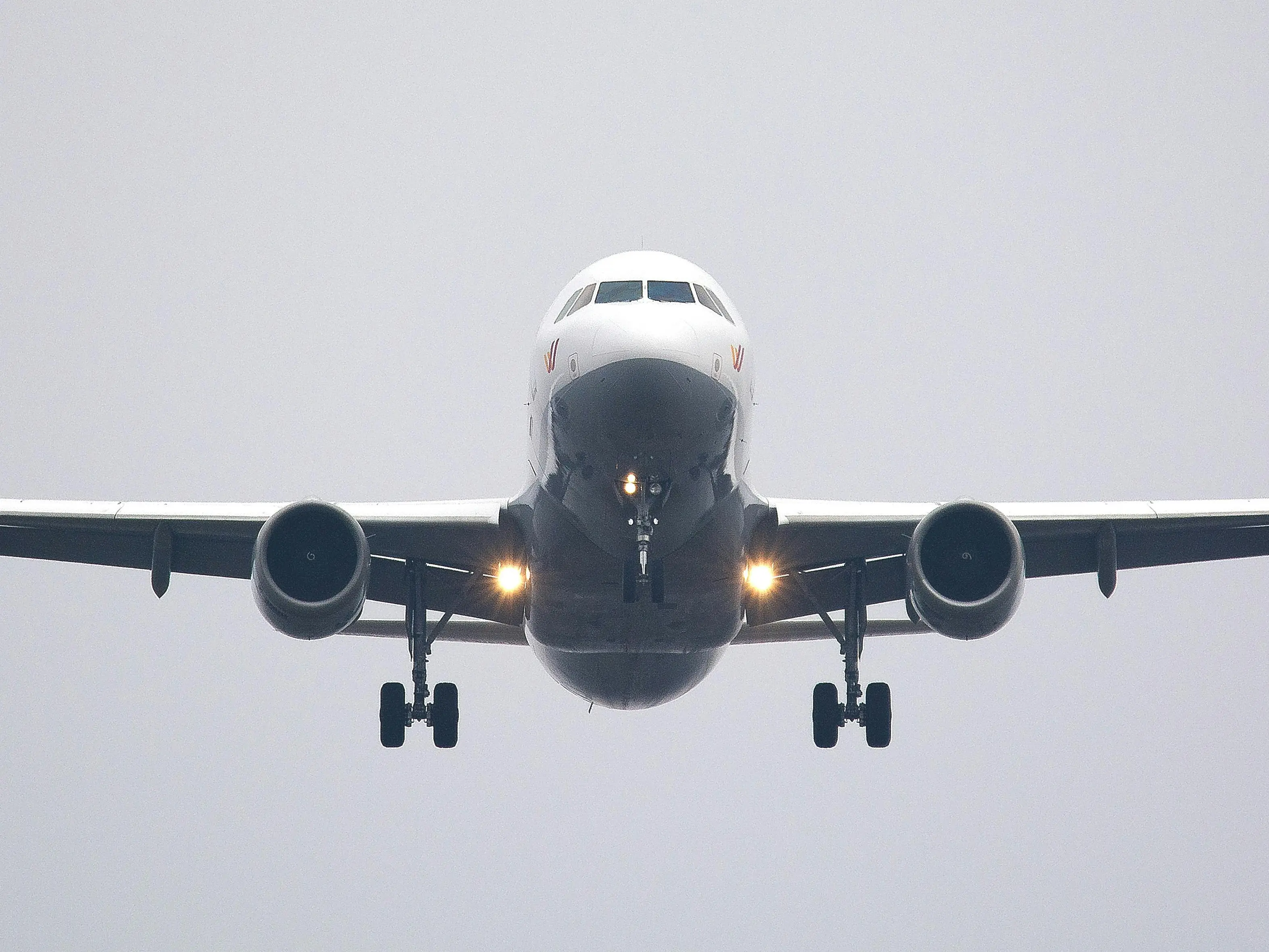
Generic airplane visual Photograph: (Pexels)
Following a drop in global crude benchmarks, jet fuel and commercial LPG costs in India's aviation and hospitality industries fell 3.2% for the third consecutive month.
Consumers in India’s aviation and hospitality sectors received much-needed relief on Sunday as jet fuel and commercial LPG prices were cut for the third consecutive month.
The revision reportedly comes amid a persistent decline in global crude benchmarks, signalling broader shifts in the international oil economy and easing cost pressures for fuel-reliant industries.
According to a PTI-cited report, aviation turbine fuel (ATF) prices in India were slashed by 2.82 per cent, or ₹2,414.25 per kilolitre (~$28.90), bringing the price in Delhi down to ₹83,072.55 per kl (~$995).
Similarly, the price of commercial LPG, used extensively in hotels and restaurants, was reduced by ₹24 per 19-kg cylinder (~$0.29), with revised prices now at ₹1,723.50 in Delhi (~$20.63) and ₹1,647.50 in Mumbai (~$19.72).
What it means for flyers, food businesses, and fuel consumers in India
This downward revision is expected to reduce operational costs for Indian airlines, where fuel makes up nearly 40 per cent of total expenditure.
Trending Stories
&imwidth=280&imheight=210&format=webp&quality=medium)
&imwidth=280&imheight=210&format=webp&quality=medium)
&imwidth=280&imheight=210&format=webp&quality=medium)
&imwidth=280&imheight=210&format=webp&quality=medium)
&imwidth=280&imheight=210&format=webp&quality=medium)
&imwidth=280&imheight=210&format=webp&quality=medium)
&imwidth=280&imheight=210&format=webp&quality=medium)
&imwidth=280&imheight=210&format=webp&quality=medium)
&imwidth=280&imheight=210&format=webp&quality=medium)
&imwidth=280&imheight=210&format=webp&quality=medium)
&imwidth=280&imheight=210&format=webp&quality=medium)
&imwidth=280&imheight=210&format=webp&quality=medium)
&im=FitAndFill=(700,400)&imwidth=280&imheight=210&format=webp&quality=medium)
&imwidth=280&imheight=210&format=webp&quality=medium)
&imwidth=280&imheight=210&format=webp&quality=medium)
&imwidth=280&imheight=210&format=webp&quality=medium)
&imwidth=280&imheight=210&format=webp&quality=medium)
&imwidth=280&imheight=210&format=webp&quality=medium)
&imwidth=280&imheight=210&format=webp&quality=medium)
&imwidth=280&imheight=210&format=webp&quality=medium)
&imwidth=280&imheight=210&format=webp&quality=medium)
&imwidth=280&imheight=210&format=webp&quality=medium)
&imwidth=280&imheight=210&format=webp&quality=medium)
&imwidth=280&imheight=210&format=webp&quality=medium)
&imwidth=280&imheight=210&format=webp&quality=medium)
&imwidth=280&imheight=210&format=webp&quality=medium)
&imwidth=280&imheight=210&format=webp&quality=medium)
&imwidth=280&imheight=210&format=webp&quality=medium)
&imwidth=280&imheight=210&format=webp&quality=medium)
&imwidth=280&imheight=210&format=webp&quality=medium)
&imwidth=280&imheight=210&format=webp&quality=medium)
&imwidth=280&imheight=210&format=webp&quality=medium)
With travel peaking during the summer holiday season, this move could improve margins for airlines or potentially lead to lower fares, though no official comment has been issued by carriers so far.
In the hospitality and food services sector, the cut in commercial LPG prices will bring some cost relief to restaurants, cafés, and catering units across India that continue to battle inflationary pressures and volatile demand cycles.
According to PTI, the ATF price cuts in April (6.15 per cent), May (4.4 per cent) and now June (2.82 per cent) have collectively rolled back most of the fuel price hikes from early 2024, marking a welcome breather for the aviation sector.
Global Trade tension weighs on oil demand outlook
While Indian consumers are seeing local benefits, the root of these price cuts lies in a softening of global crude oil benchmarks, which have dipped due to a dampened demand outlook.
As PTI notes, “international oil prices have softened in the last couple of months as the global trade war eroded the outlook for fuel demand.”
Escalating trade tensions between major economies, especially China and the US along with ongoing geopolitical uncertainties have pushed down global oil prices, allowing oil-importing countries like India to pass on the benefits.
Retail fuel prices remain unchanged for Indian households
Despite these cuts, domestic LPG prices in India remain unchanged, holding at ₹853 per 14.2-kg cylinder (~$10.21). In fact, April saw a ₹50 hike (~$0.60) in household LPG rates, a cost still being borne by Indian households.
Meanwhile, petrol and diesel prices have been frozen since a ₹2 per litre cut (~$0.024) in March 2024, ahead of the general elections.
Petrol continues to retail at ₹94.72 per litre (~$1.13) in Delhi, while diesel is priced at ₹87.62 (~$1.05).
State-run fuel retailers, Indian Oil Corporation (IOC), Bharat Petroleum Corporation Ltd (BPCL), and Hindustan Petroleum Corporation Ltd (HPCL), adjust prices of ATF and LPG on the first of every month, based on global fuel averages and currency exchange rate, as per PTI.
Prices still vary from state to state depending on local VAT and taxes.
The three consecutive cuts in jet fuel and LPG prices signal temporary relief, but analysts warn of continued volatility in the global oil markets.
With Trump’s aggressive tariff policies, demand stagnation in China, and geopolitical tensions in West Asia, the outlook for stable oil prices remains uncertain.
Nonetheless, Indian businesses, especially those in aviation, logistics, and hospitality are seeing tangible gains from the ongoing softness in global energy markets.
Whether this turns into sustained consumer relief or merely a temporary dip before another rally will depend on global policy moves and geopolitical shifts in the months ahead.