

&imwidth=800&imheight=600&format=webp&quality=medium "India’s strategic shift: Diversifying exports amid US tariff pressure")
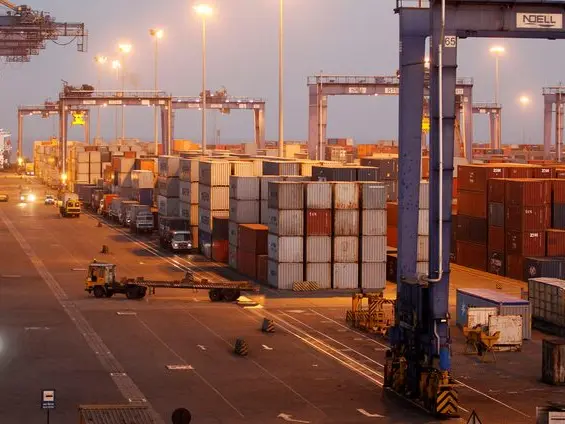
The US government’s recent decision to impose a 25 per cent tariff on Indian goods has ignited tensions between the two nations, but India’s response so far has been measured. Despite the headline-grabbing nature of the tariff order, the Indian government remains focused on strategic adjustments rather than retaliatory measures. Commerce Minister Piyush Goyal has assured that the government will safeguard the interests of India’s exporters, particularly small entrepreneurs and farmers. The Ministry of External Affairs reaffirmed that the broader US-India relationship remains resilient, with short-term trade disputes unlikely to derail the larger partnership.
The tariff impact and India’s response
The 25 per cent tariff, effective from August 1, affects several key Indian export sectors, including textiles, gems and jewellery, auto components, and seafood. However, products like pharmaceuticals, IT services, and high-end engineering goods remain relatively insulated, with the Indian government taking steps to mitigate the adverse impact on affected industries.
India’s export strategy now hinges on diversifying into new markets and improving competitiveness in regions like the UK, the EU, and ASEAN. The country recently signed a Free Trade Agreement (FTA) with the UK, and negotiations with the EU are in their final stages, with a deal expected before the end of the year. These markets are seen as crucial in offsetting the impact of tariffs in the US. Additionally, India is exploring emerging markets such as Saudi Arabia, Vietnam, Mexico, and Ethiopia to boost exports in key sectors.
The Indian government is particularly focused on industries facing direct tariff challenges, such as textiles and engineering goods, Mintreported. Plans are underway to ramp up exports to new destinations, including Sao Tome, Greece, and Lithuania, for sectors like engineering, pharmaceuticals, and electronics. Such diversification will reduce India’s dependency on the US and shield its export sector from potential trade shocks.
Long-term trade dynamics and strategic shifts
Trending Stories
&imwidth=180&imheight=135&format=webp&quality=medium)
An AI that reads your face can now estimate how long you have to live
&imwidth=180&imheight=135&format=webp&quality=medium)
Farooq Abdullah says Pakistan’s raising of Kashmir issue keeps pressure on Delhi
&imwidth=180&imheight=135&format=webp&quality=medium)
NEET protests: Panel to hear evidence on pellet gun use, harassment
&imwidth=180&imheight=135&format=webp&quality=medium)
Telangana unveils AI avatar of IT minister D Sridhar Babu at Hyderabad DevFest 2026
&imwidth=180&imheight=135&format=webp&quality=medium)
AI just found a flaw in software running most of the web! One request hijacks the server
&im=FitAndFill=(700,400)&imwidth=180&imheight=135&format=webp&quality=medium)
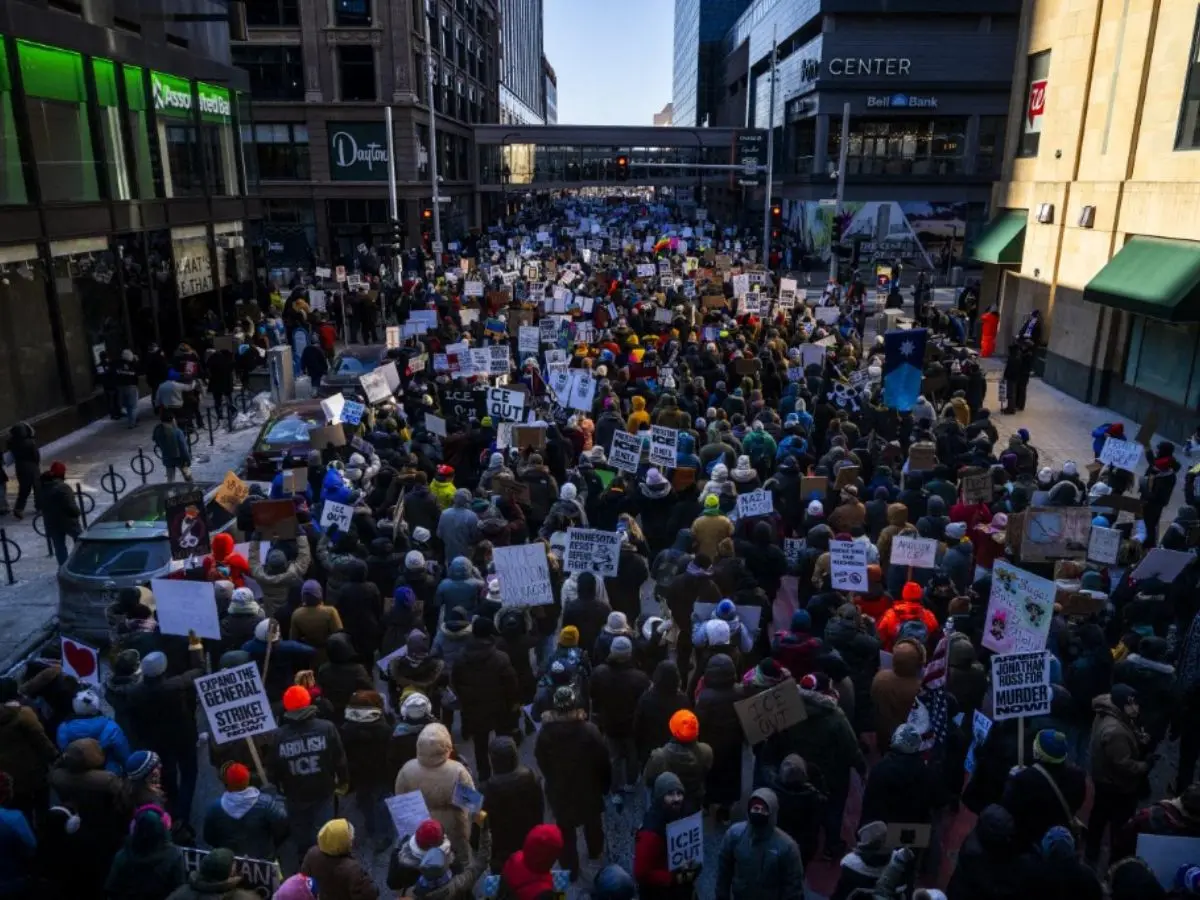
US midterm elections 2026: Minnesota heads to polls in the shadow of Minneapolis ICE shootings
&imwidth=180&imheight=135&format=webp&quality=medium)
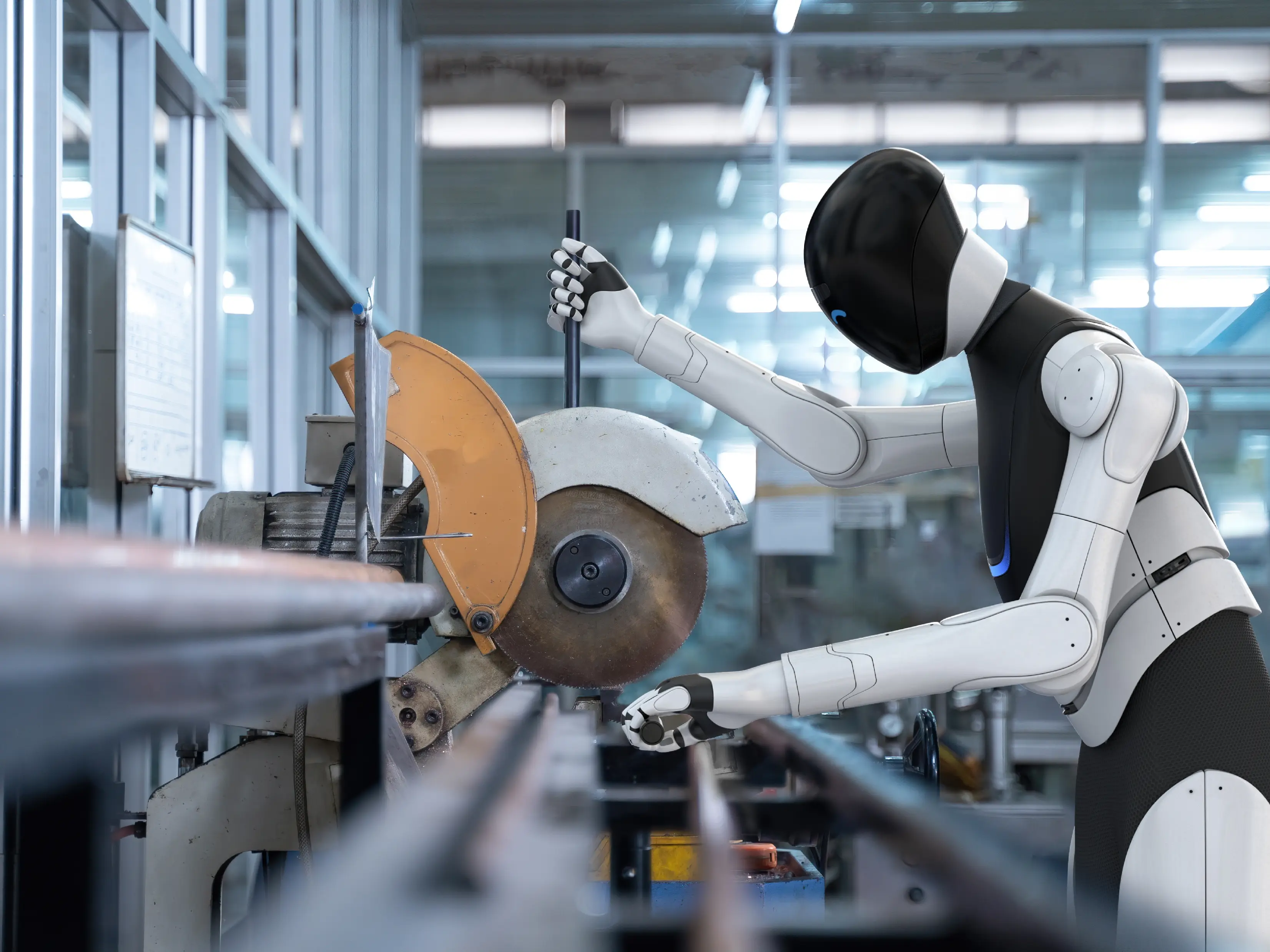
Frontier AIs keep escaping their test cages! The industry still can't reliably stop them
&imwidth=180&imheight=135&format=webp&quality=medium)
'Killing people never allowed': Elon Musk admits restricting Starlink in Ukraine, explains why
&imwidth=180&imheight=135&format=webp&quality=medium)
J-20 designers plan to put radar into aircraft wing; strategy to expand coverage during air combat
&imwidth=180&imheight=135&format=webp&quality=medium)
Chorbagan stampede: A week later, the strangest visarjan Kolkata has seen
&imwidth=180&imheight=135&format=webp&quality=medium)
Britain is building the world's first AI biosecurity lab, with OpenAI and Anthropic inside
&imwidth=180&imheight=135&format=webp&quality=medium)
Why Europe’s protests are about more than austerity and rising costs
&imwidth=180&imheight=135&format=webp&quality=medium)
'Already tired of his 9-to-5': Baby born with a moustache becomes internet sensation, video goes viral | Watch
&imwidth=180&imheight=135&format=webp&quality=medium)
China's dancing robot turns violent bodyguard, lifts cars and fights intruders - Watch
&imwidth=180&imheight=135&format=webp&quality=medium)
Pezeshkian says Iranians ‘struggling to put food on the table’ as war with US drags on
&imwidth=180&imheight=135&format=webp&quality=medium)
AI slop or smart strategy? South African author Coral Hart defends Her 370 AI- assisted books in 20 months
&imwidth=180&imheight=135&format=webp&quality=medium)
What was the note found inside bag of Class 12 student, who set herself on fire inside Delhi school?
&imwidth=180&imheight=135&format=webp&quality=medium)
Viral video shows cross falling on Colombia priest, no official confirmation | WATCH
&imwidth=180&imheight=135&format=webp&quality=medium)
Pakistan airline PIA unveils new crew uniforms, faces online criticism
&imwidth=180&imheight=135&format=webp&quality=medium)
France protests: 135 arrested, weapons seized as fresh demonstrations erupt amid heavy security
&imwidth=180&imheight=135&format=webp&quality=medium)
PL Round-Up: Man City's perfect run ended by Villa as Arsenal draw level at top
&imwidth=180&imheight=135&format=webp&quality=medium)
Horrific video shows the moment 18-year-old fell to her death from Mexico amusement park ride
&imwidth=180&imheight=135&format=webp&quality=medium)
'You’re a horrible little reporter, aren’t you?': Trump snaps at NBC reporter questioning his support for Ramaswamy's campaign ad
&imwidth=180&imheight=135&format=webp&quality=medium)
‘Saddam Hussein opened a cheesecake factory’: Obama mocks Trump’s White House renovations; defends Abdul El-Sayed
&imwidth=180&imheight=135&format=webp&quality=medium)
Saudi says debris fell in Mecca, Medina after missile interceptions; Houthis deny targeting holy cities
&imwidth=180&imheight=135&format=webp&quality=medium)
Tu Hai Meri Kiran box office: Sonakshi Sinha and Zaheer Iqbal's film fails to take off, mints Rs 15 Lakh on day 1
&imwidth=180&imheight=135&format=webp&quality=medium)
Can Putin cheat death? All about his daughter’s billion-dollar quest for immortality
&imwidth=180&imheight=135&format=webp&quality=medium)
Shilpa Rao’s performance cut short at Mumbai event, organisers react to backlash
&imwidth=180&imheight=135&format=webp&quality=medium)
Shooting near Florida A&M University’s Bragg Stadium; ‘shelter in place’ alert issued
&imwidth=180&imheight=135&format=webp&quality=medium)
Tu Hai Meri Kiran film review: Sonakshi Sinha and Zaheer Iqbal's thriller gets tangled in its own twists
&imwidth=180&imheight=135&format=webp&quality=medium)
Bodies of 2 missing Japanese climbers recovered from Himalayan peak
&imwidth=180&imheight=135&format=webp&quality=medium)
Rising Asia Cup 2026 schedule announced, India-Pakistan clash set for Nov 22
&imwidth=180&imheight=135&format=webp&quality=medium)
French Open: PV Sindhu storms into final with win over Hina Akechi
&im=FitAndFill=(700,400)&imwidth=180&imheight=135&format=webp&quality=medium)
Watched Manoj Bajpayee’s Gajab Raat on Netflix? 5 movies and TV shows to watch next on OTT
&imwidth=180&imheight=135&format=webp&quality=medium)
Spanish reporter swept by giant wave while reporting on dangerous sea conditions | WATCH
&im=FitAndFill=(700,400)&imwidth=180&imheight=135&format=webp&quality=medium)
New Friday OTT releases (October 23, 2026): Gajab Raat, Dorothy, Chaar Yaar- Watch these 6 new movies and TV shows on Netflix, Prime Video and more
&imwidth=180&imheight=135&format=webp&quality=medium)
Train crashes into crane on São Paulo monorail line, wreckage falls onto busy road | VIDEO
While the 25 per cent tariff is a significant challenge for Indian exporters, the economic impact is expected to be limited in the long run. India’s annual exports to the US, amounting to approximately $87 billion, constitute only a small fraction of the country’s GDP. Analysts predict a modest impact on India’s overall growth, with an estimated dip of 0.2 per cent to 0.4 per cent in GDP. However, sectors that rely heavily on the US market, such as textiles and gems and jewellery, could see sharper declines in exports.
The broader trade tensions reflect deeper strategic disagreements between India and the US. Trump’s administration has been critical of India’s economic policies, including its agricultural market and defence procurement practices. As India stands firm on its sovereignty, particularly regarding food security and defence, the country’s approach remains focused on diversifying its export base and protecting long-term growth interests.
In the face of tariffs, India’s resilience and ongoing efforts to expand its footprint in new markets position it well for navigating this trade storm. Despite the disruption caused by the tariffs, India’s economic agility remains a key strength, and its export diversification strategy is already showing signs of potential success.
(With input from agencies)