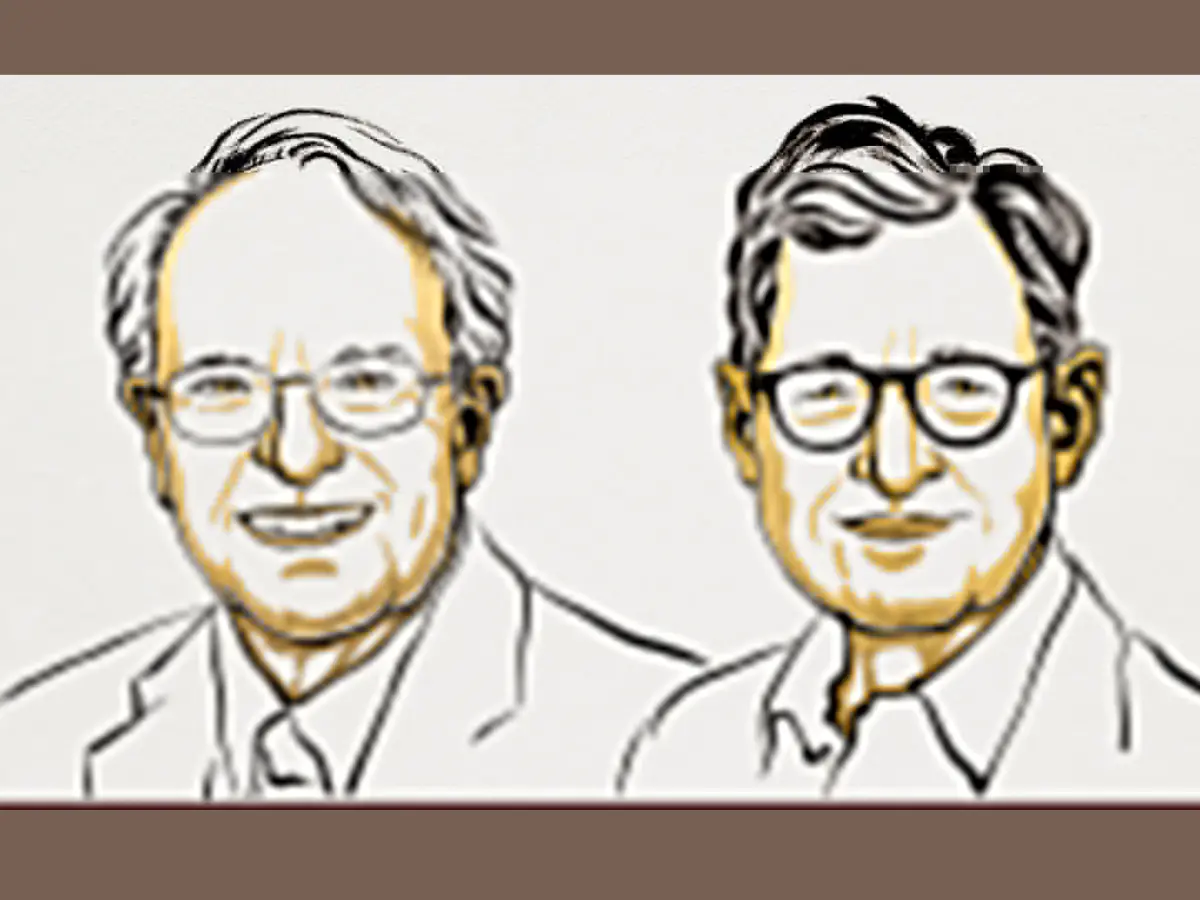
How Nobel Economics Prize winner Michael Woodford’s ideas helped China manage interest rates

&imwidth=600&imheight=450&format=webp&quality=medium "How Nobel Economics Prize winner Michael Woodford’s ideas helped China manage interest rates")
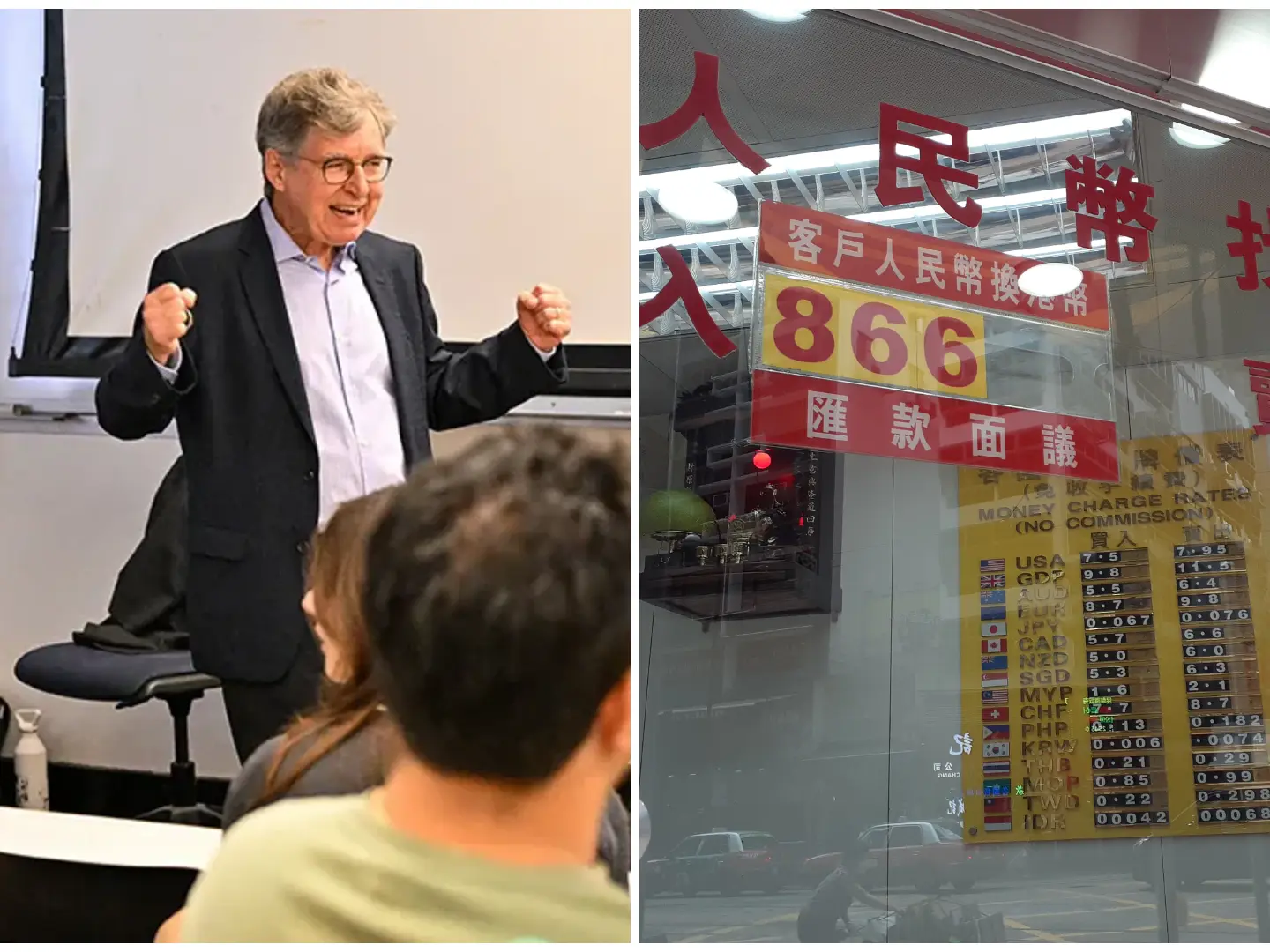
Michael Woodford and a currency exchange shop in Hong Kong are shown in this combo Photograph: (Others)
Michael Woodford’s 2026 Nobel Economics Prize-winning research helped shape China’s monetary policy thinking. Here is how
Nobel Economics Prize winner Michael Woodford’s research influenced policy thinking at Chinese central bank, the People’s Bank of China (PBOC). The PBOC drew on Woodford’s New Keynesian models, particularly the role of expectations and the importance of central bank communication and forward guidance. Woodford inspired Chinese officials through a high-profile speech in Beijing in 2005, according to a report in the South China Morning Post. The Columbia University professor shared the 2026 Nobel Memorial Prize in Economic Sciences with Robert E. Hall for developing the microeconomic foundations of macroeconomic stabilisation.
What are the New Keynesian models?
The theories developed by the duo are based on the assumption that households and firms make spending and investment decisions based on expectations of future income, costs, prices and policy, rather than relying solely on statistical relationships between aggregate economic variables.
At the core of Woodford’s research is the idea that managing expectations through credible communication becomes a key policy tool for central banks when conventional interest-rate cuts are constrained.
This framework is central to the forward guidance practices of central banks worldwide currently. It highlights the value of clear communication in signalling the likely future path of interest rates and shaping expectations, particularly when short-term rates are near the lower bound.
Trending Stories
&imwidth=280&imheight=210&format=webp&quality=medium)
&imwidth=280&imheight=210&format=webp&quality=medium)
&imwidth=280&imheight=210&format=webp&quality=medium)
&im=FitAndFill=(700,400)&imwidth=280&imheight=210&format=webp&quality=medium)
&imwidth=280&imheight=210&format=webp&quality=medium)
&imwidth=280&imheight=210&format=webp&quality=medium)
&imwidth=280&imheight=210&format=webp&quality=medium)
&imwidth=280&imheight=210&format=webp&quality=medium)
&imwidth=280&imheight=210&format=webp&quality=medium)
&imwidth=280&imheight=210&format=webp&quality=medium)
&imwidth=280&imheight=210&format=webp&quality=medium)
&imwidth=280&imheight=210&format=webp&quality=medium)
&imwidth=280&imheight=210&format=webp&quality=medium)
&imwidth=280&imheight=210&format=webp&quality=medium)
&imwidth=280&imheight=210&format=webp&quality=medium)
&imwidth=280&imheight=210&format=webp&quality=medium)
&imwidth=280&imheight=210&format=webp&quality=medium)
&imwidth=280&imheight=210&format=webp&quality=medium)
&imwidth=280&imheight=210&format=webp&quality=medium)
&imwidth=280&imheight=210&format=webp&quality=medium)
&imwidth=280&imheight=210&format=webp&quality=medium)
&imwidth=280&imheight=210&format=webp&quality=medium)
&imwidth=280&imheight=210&format=webp&quality=medium)
&imwidth=280&imheight=210&format=webp&quality=medium)
&imwidth=280&imheight=210&format=webp&quality=medium)
&imwidth=280&imheight=210&format=webp&quality=medium)
&imwidth=280&imheight=210&format=webp&quality=medium)
&im=FitAndFill=(700,400)&imwidth=280&imheight=210&format=webp&quality=medium)
&imwidth=280&imheight=210&format=webp&quality=medium)
&imwidth=280&imheight=210&format=webp&quality=medium)
&imwidth=280&imheight=210&format=webp&quality=medium)
&imwidth=280&imheight=210&format=webp&quality=medium)
&imwidth=280&imheight=210&format=webp&quality=medium)
&imwidth=280&imheight=210&format=webp&quality=medium)
Woodford’s involvement with China
Woodford delivered a speech in Beijing in 2005 titled “Economic Literacy, Central Bank Communication, and Macroeconomic Stability” at an event linked to the PBOC’s Graduate School. Economic and administrative officials attended the lecture, for which tickets were reportedly in high demand. Chinese state media gave the event widespread coverage, as per the SCMP report.
In his lecture, Woodford highlighted how a more sophisticated public communication by the US Federal Reserve and the Bank of England had helped create better-informed market participants. He suggested that China also needed stronger economic research and better training to achieve similar results.
In its Monetary Policy Implementation Report for the second quarter of 2013, the PBOC cited Woodford’s work. “As Columbia University professor Michael Woodford put it, once rates hit the lower bound and nominal interest rates remain flat for an extended stretch, public expectations materially shape economic outcomes, making central bank guidance far more important,” the PBOC wrote.
The New Keynesian economics advocated by Woodford continues to inform the PBOC’s priorities, including establishing a clearer policy-rate framework, improving monetary-policy transmission and anchoring market expectations more effectively, according to Chinese economists.