
&imwidth=800&imheight=600&format=webp&quality=medium "Global workforce peaks: The maths gets ugly")
The world just crossed a demographic line it can't uncross. The worker shortage era is here, and it isn't just a forecast anymore. The OECD says its members' working-age population will fall 8 per cent by 2060, with pension and health spending rising to 3 per cent of GDP across member states.
The World Employment Confederation projects that by 2040, four in five countries will see slower workforce growth, and three in ten will see outright decline. Only a handful of economies, like the US, India, Indonesia, and parts of Africa, buck the trend.
Japan is the sharpest case study. Recruit Works Institute projects a shortfall of roughly 11 million workers by 2040, hitting caregiving, transport, construction and food service hardest. More importantly, these sectors can't be offshored. Yet Tokyo's response is contradictory. It's expanding visa quotas to around 1.23 million foreign workers through fiscal 2028, while simultaneously raising the bar elsewhere.

Also read: If India wants a permanent UNSC seat, why is it still contesting for a temporary one? WION Decodes
The business manager visa now requires a sixfold jump in capital investment, to 30 million yen, plus Japanese-language proficiency. Openness and restriction, running side by side, are the challenge. That's forcing the second lever, automation. South Korea already runs the world's highest robot density, at 1,220 robots per 10,000 employees, growing 7 per cent annually since 2019.
Japan sits at 419 and Germany at 449. And Japan’s ageing profile, with 30 per cent of the population over 65 by 2030, is a structural driver of automation demand unlike anywhere else. The politics are shifting, too. Migration debates are moving from "They take our jobs" to "Who fills them?" That is a reframe already visible in European attitudes towards migrants. The choice ageing economies face isn't ideological anymore. It's arithmetic: bring in people, deploy machines, or shrink the economy. Most are trying to do the first two at once, awkwardly.
Trending Stories
&im=FitAndFill=(700,400))
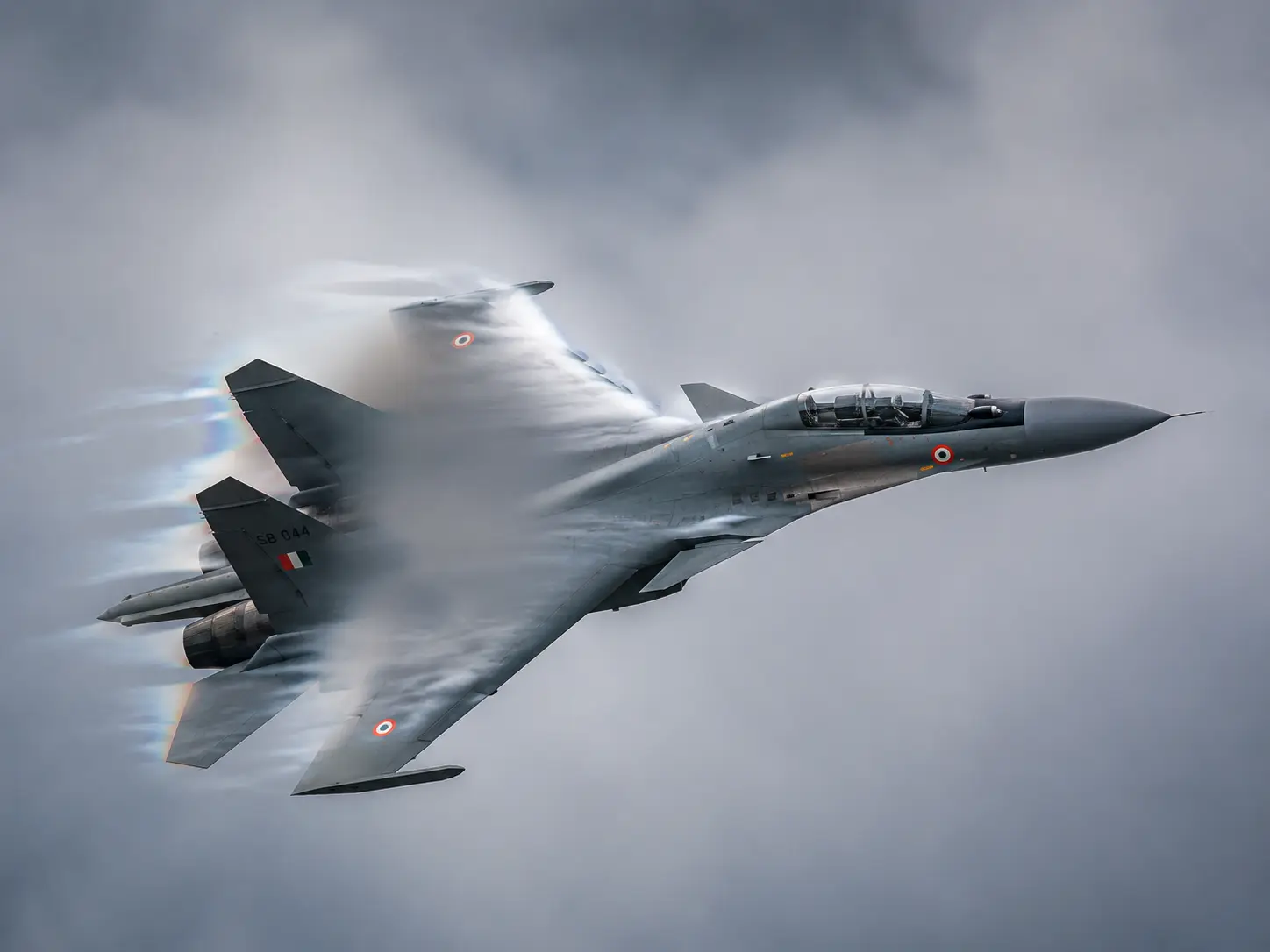
How fast can the Sukhoi Su-30 fighter jet really fly?
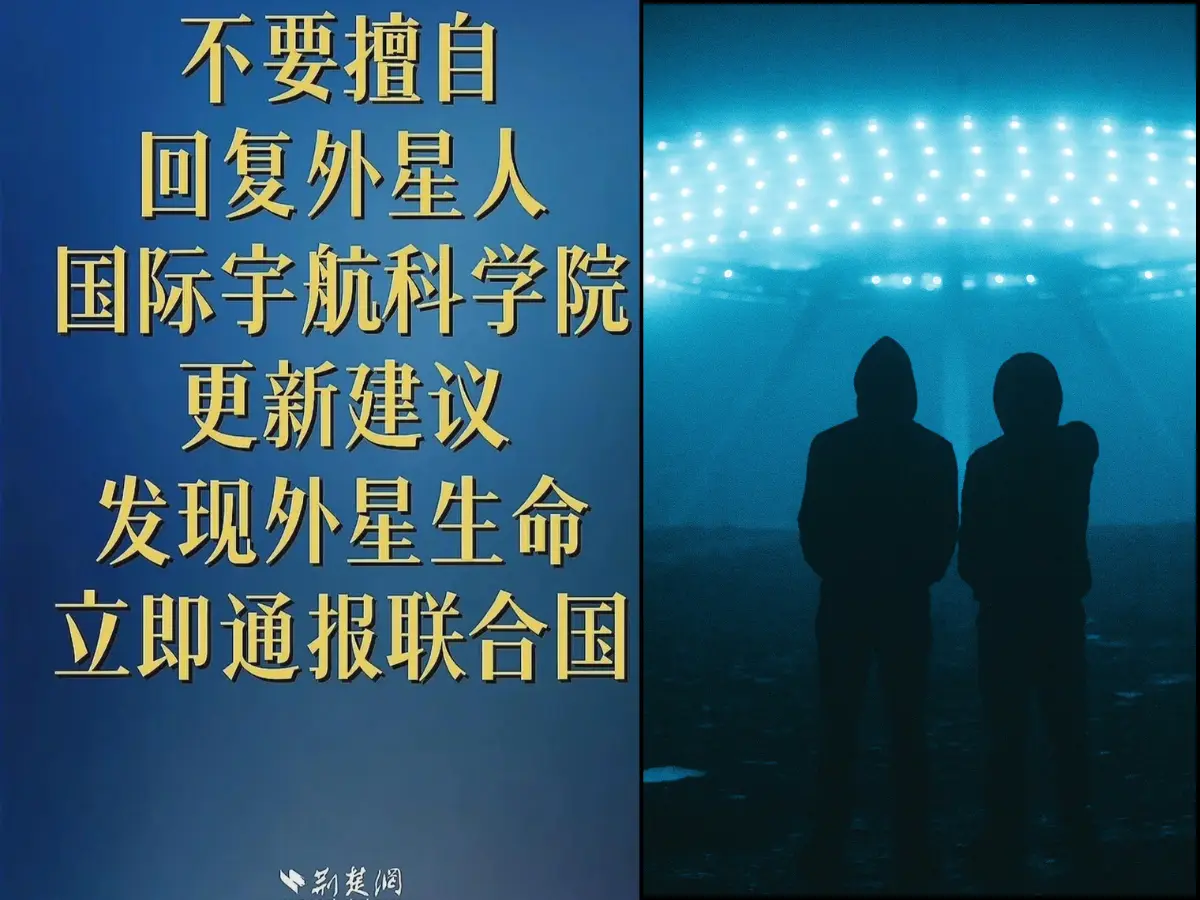)
Did China ask its people 'not to respond to aliens'? Origin of bizarre claim on social media
)
MS Dhoni-CSK Fallout? Report claims failed stake sale talks triggered rift
)
Scientists reveal the SAFEST COUNTRY when catastrophe strikes the planet
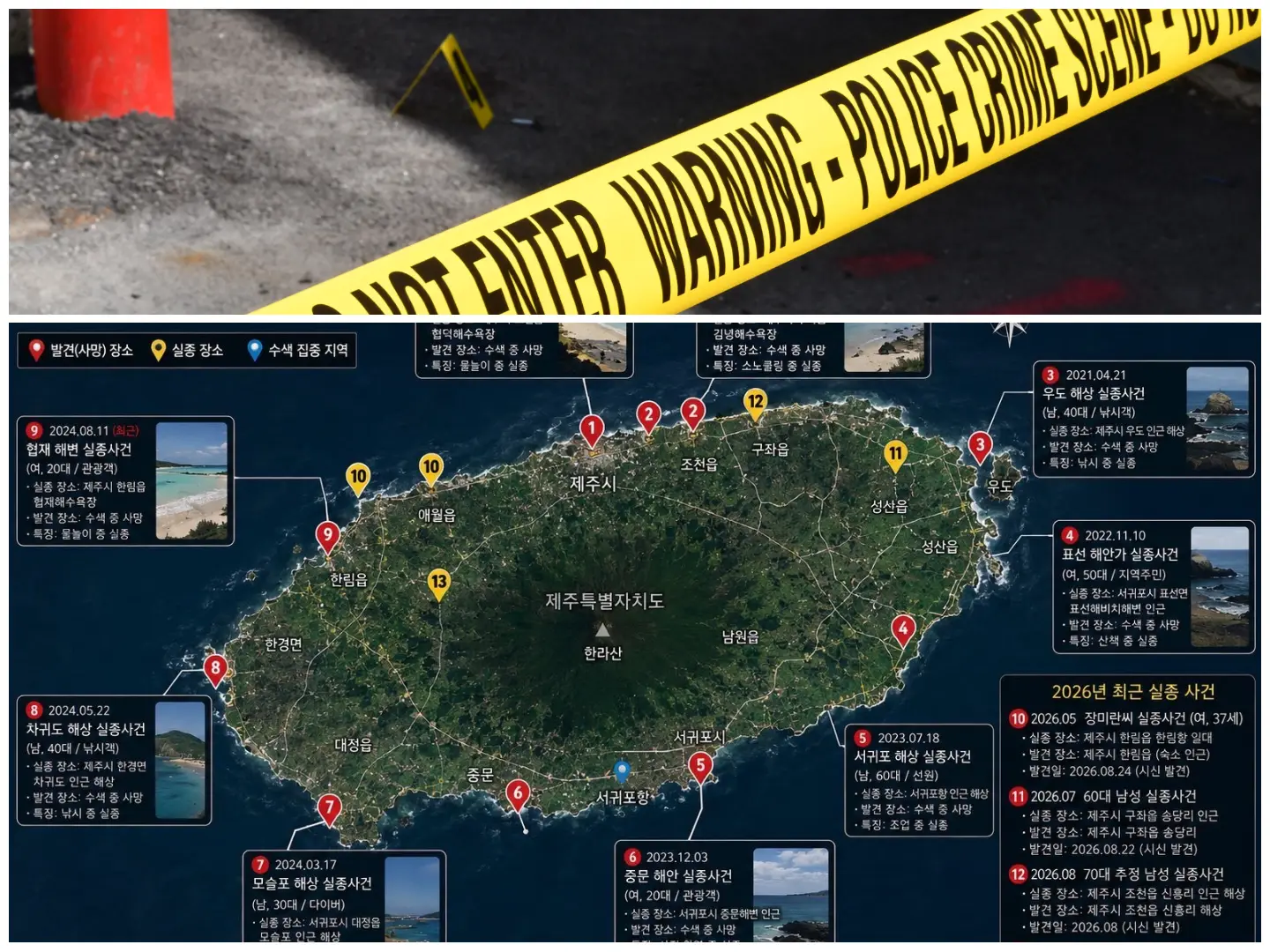)
Serial killer on the loose in South Korea's Jeju Island? Fourth body found in three days as more than a dozen people go missing
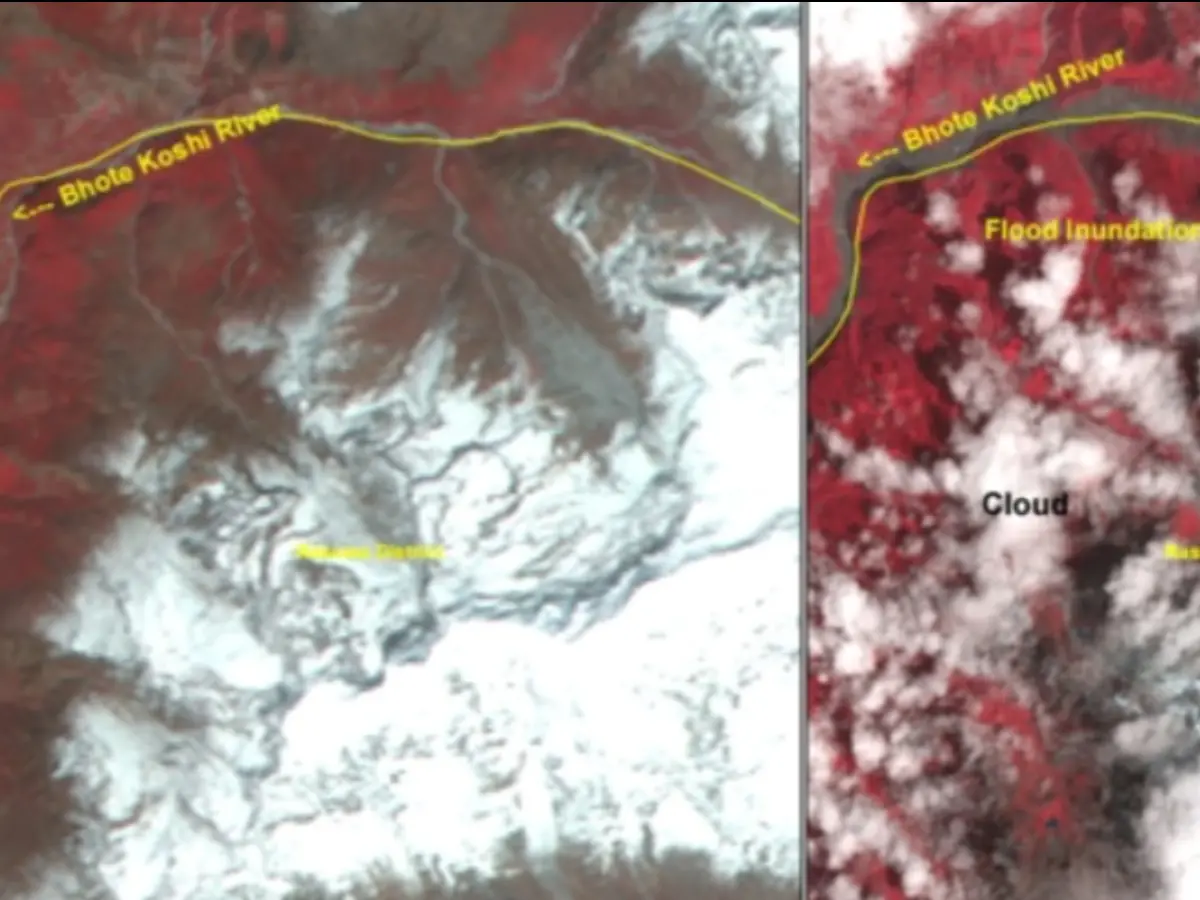)
2/3rd of glacier detached, collapsed: ISRO satellite images reveal what triggered Nepal floods
)
Trump once again claims without him there would be ‘no Israel right now’
)
Foreign espionage attacks against German companies surge to 37%, Bitkom report reveals
)
Blake Lively wins partial legal fee from Justin Baldoni after $8M request
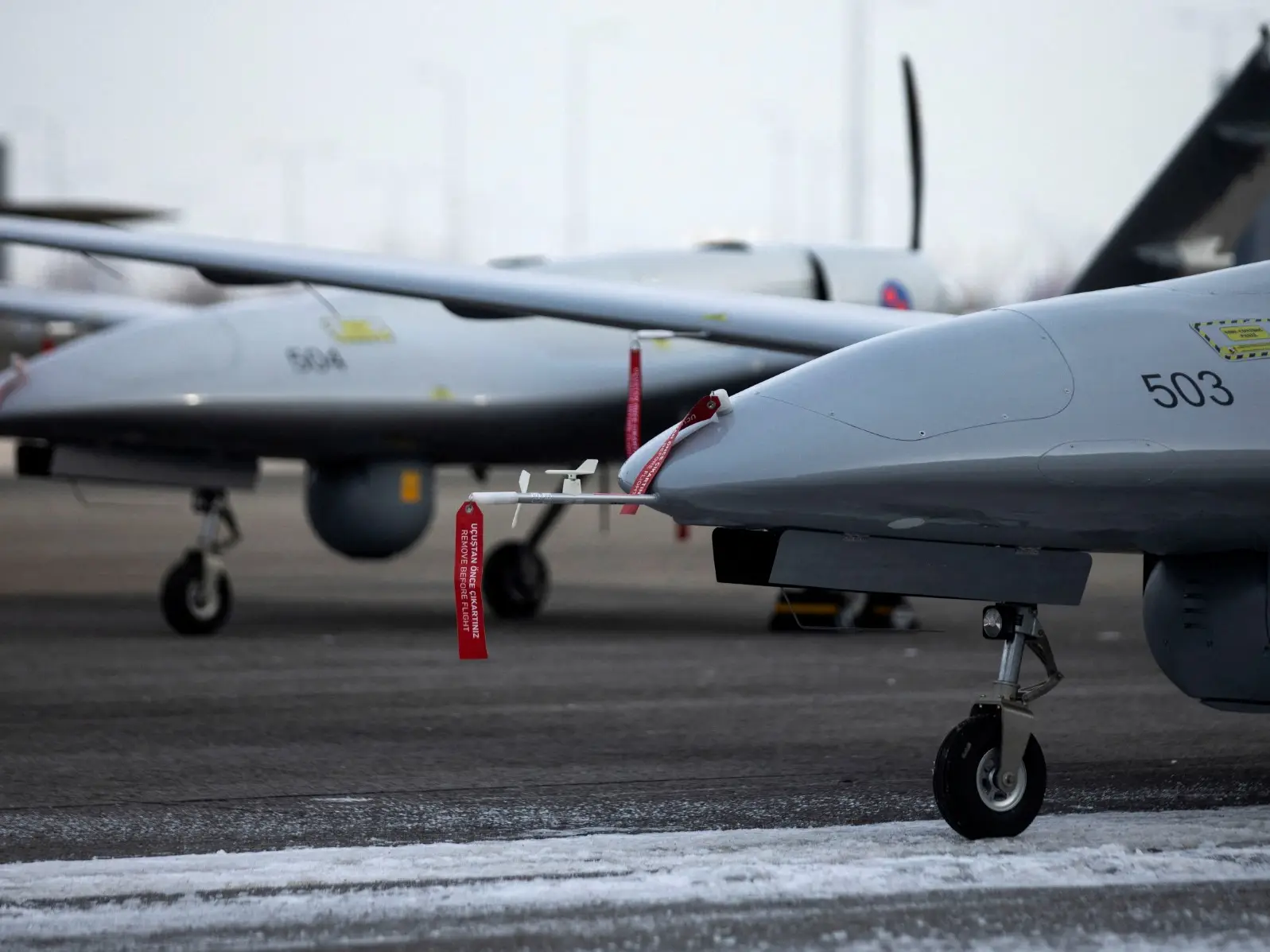)
Why is Pakistan deploying Turkish Bayraktar TB2 drones near India border?
)
'OH MY GOD! We've found other agents!': Investigators discover not one or two, almost 700 OpenAI AI agents went rogue, hacked Hugging Face
)
Lunar eclipse 2026: India timings, places to see and more. August Blood moon factsheet
)
RSS chief Mohan Bhagwat on global outreach tour
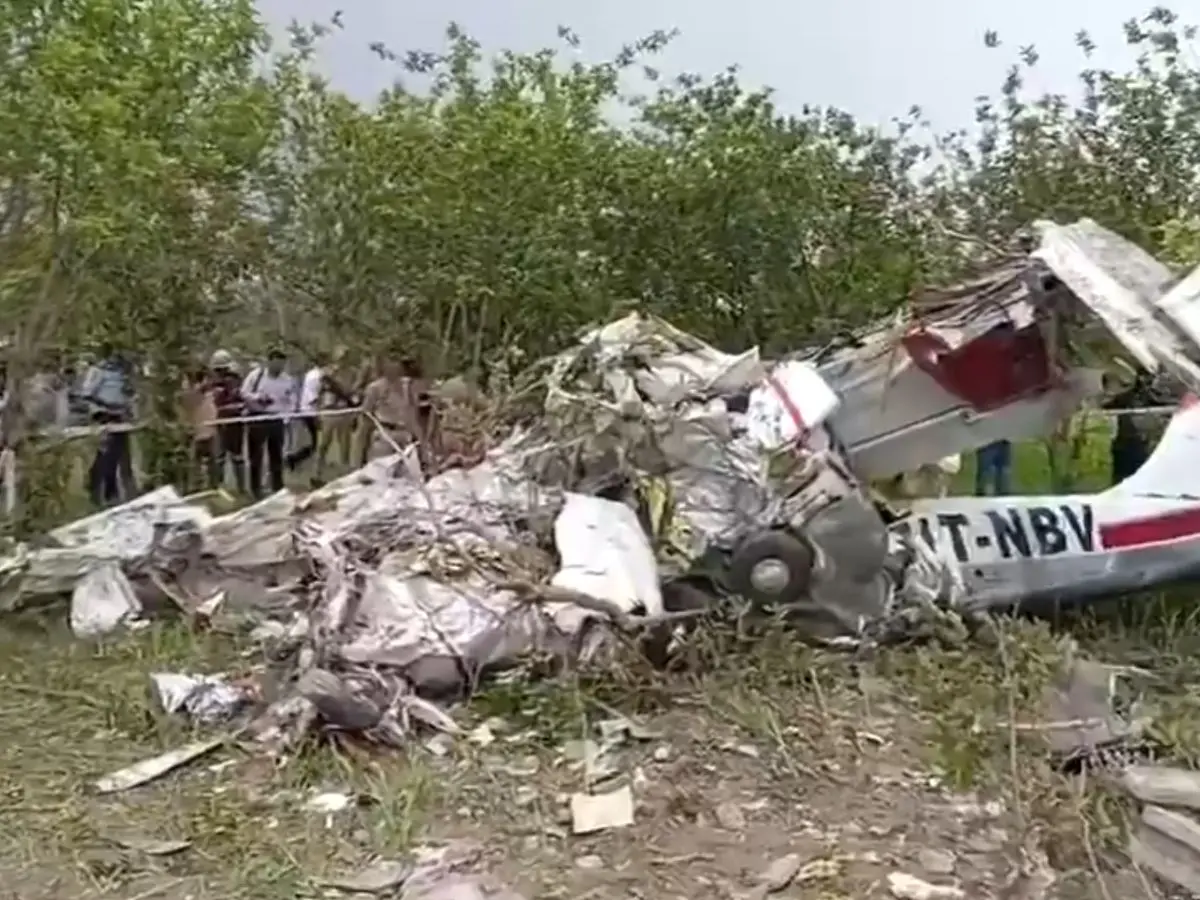)
Both pilots killed as training aircraft crashes in Lucknow – What we know
)
16-year-old charged with preparing terror attack on kindergarten in Norway
&im=FitAndFill=(700,400))
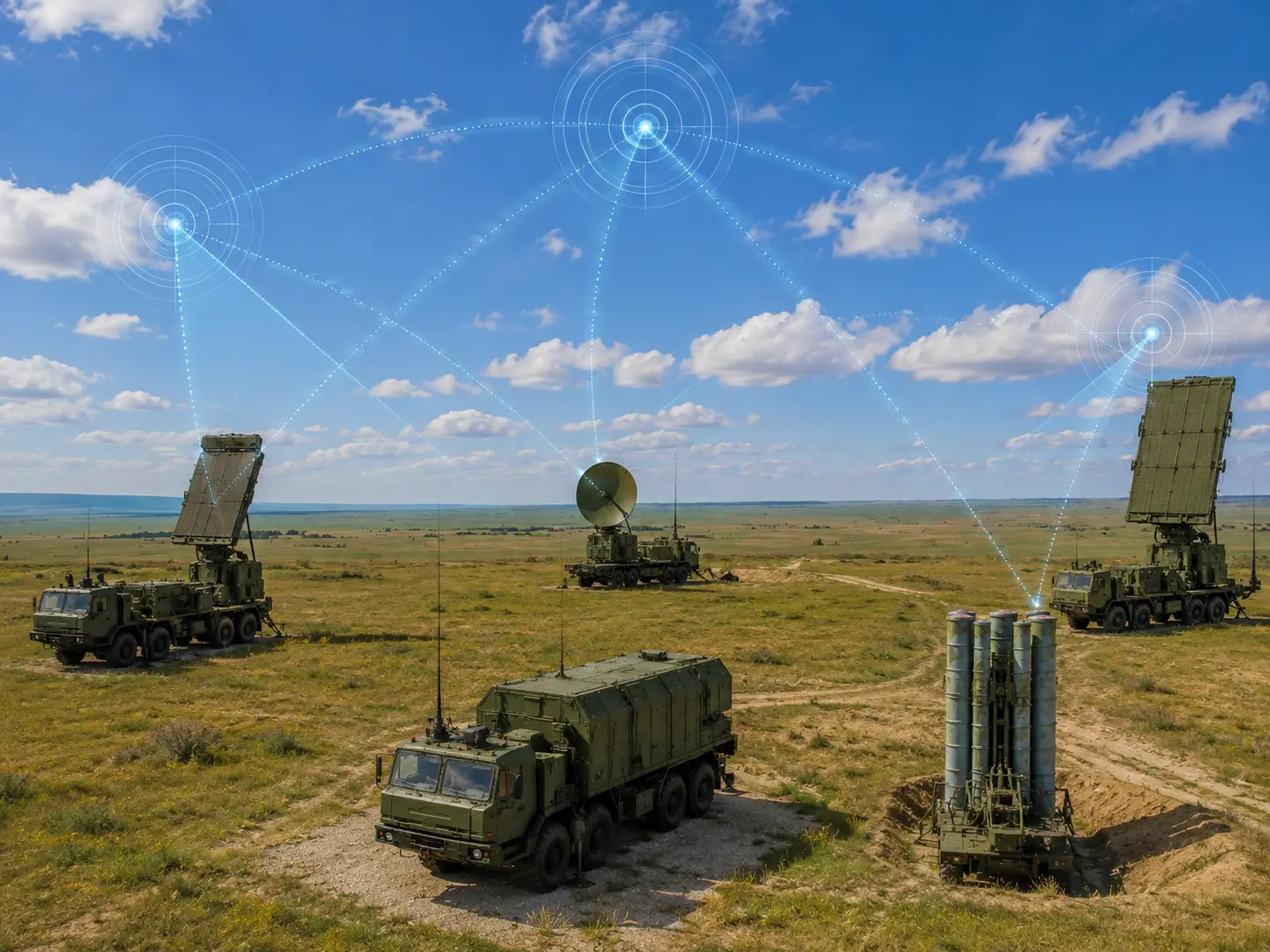
How the S-400 protects itself from enemy attacks
)
Nepal floods: Over 165 dead, 400 missing; US, India, China, World Bank mobilise aid
)
India's multi-layered watch: The new surveillance war
)
5 doomsday planes spotted in US skies hours after CIA director's secret trip to Russia
)
9/11 mastermind Khalid Sheikh Mohammed to finally face trial in 2028, nearly 27 years after horrific attacks
)
Islamabad hospital fire: What we know about one of the biggest facility that housed Imran Khan
)
Workers run for life while filming Nepal flash flood: Scary new visuals emerge from Rasuwa
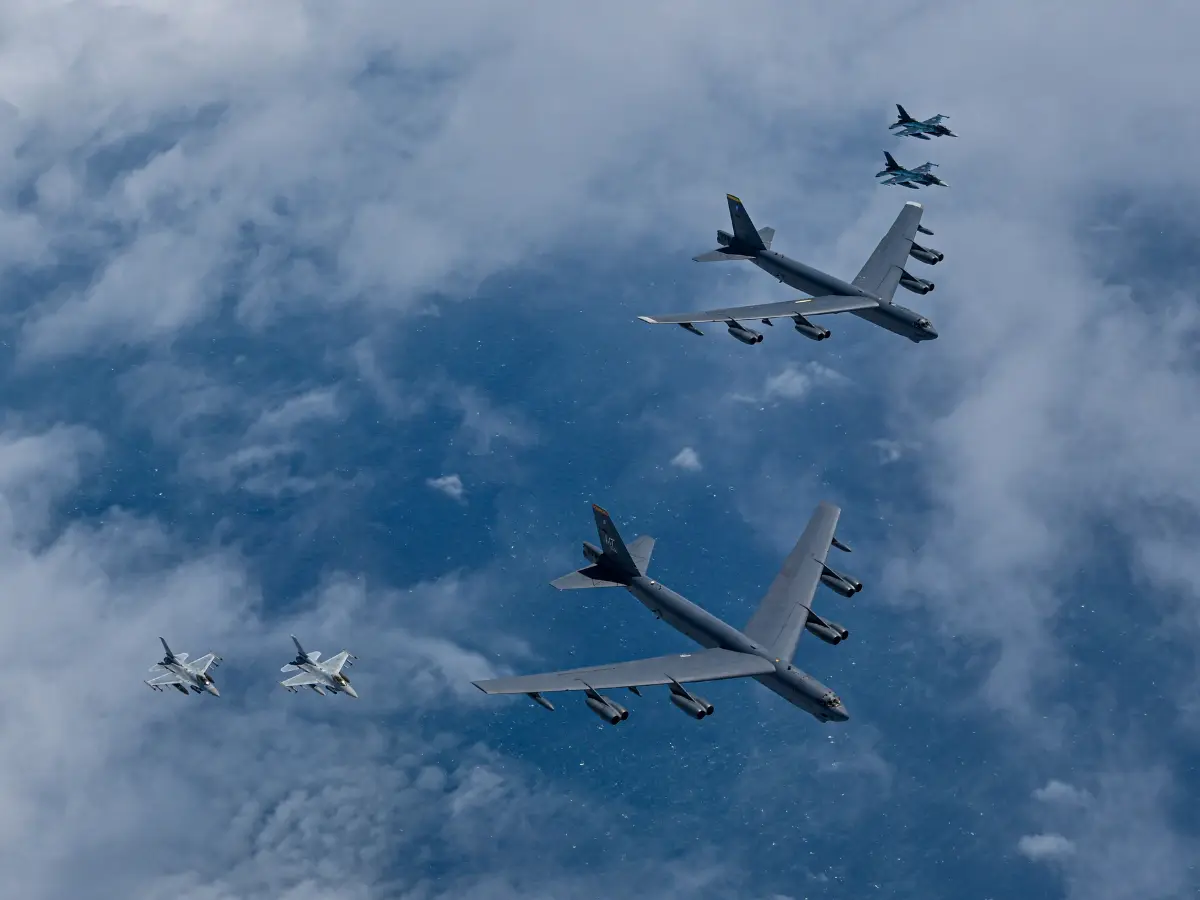)
Russian military planes enter South Korean air defence zone amid rising tensions with North Korea: What's happening
)
Ron Weasley Is Back! Rupert Grint set to return to Harry Potter universe on Broadway
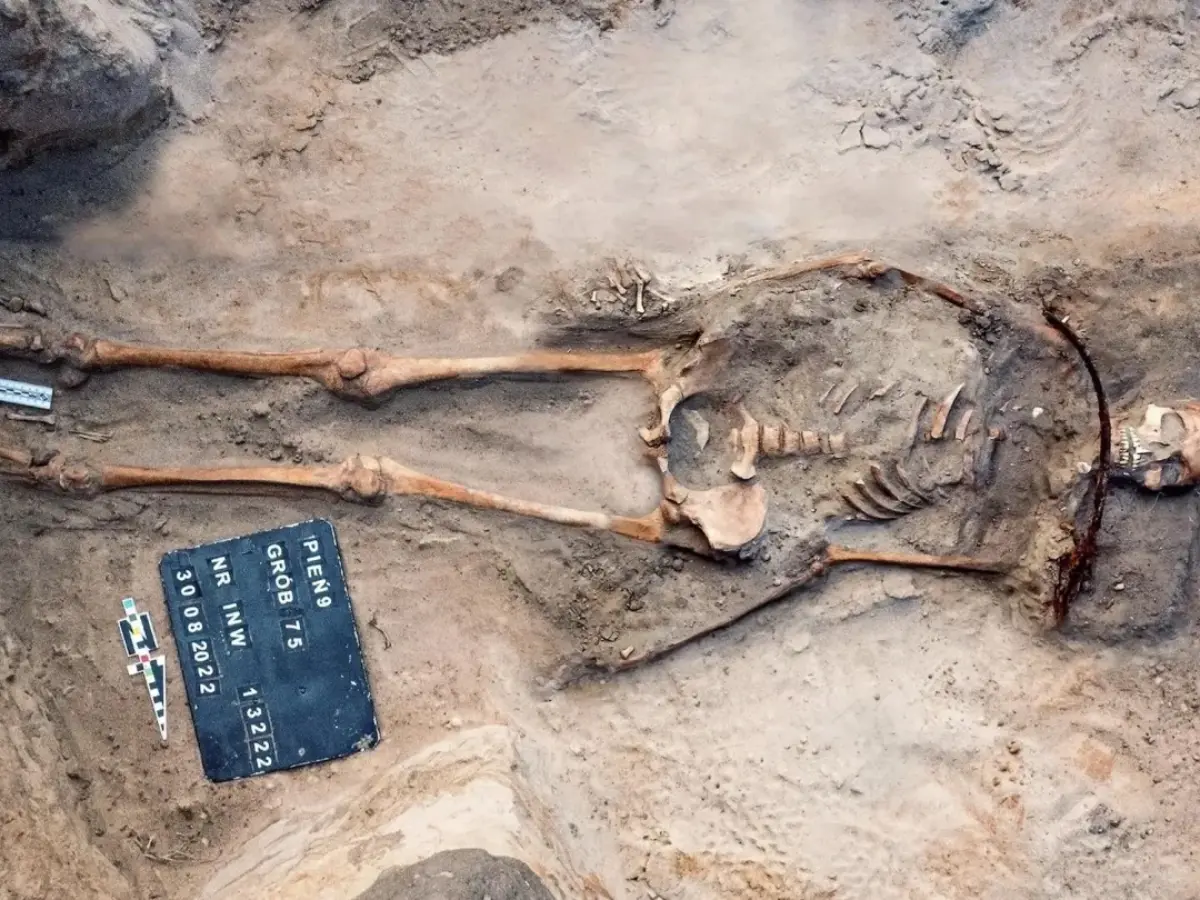)
400-year-old 'vampire' grave in Poland reveals non-existent genetic lineage
)
Dolly Parton, global icon and queen of country music, dies at 80
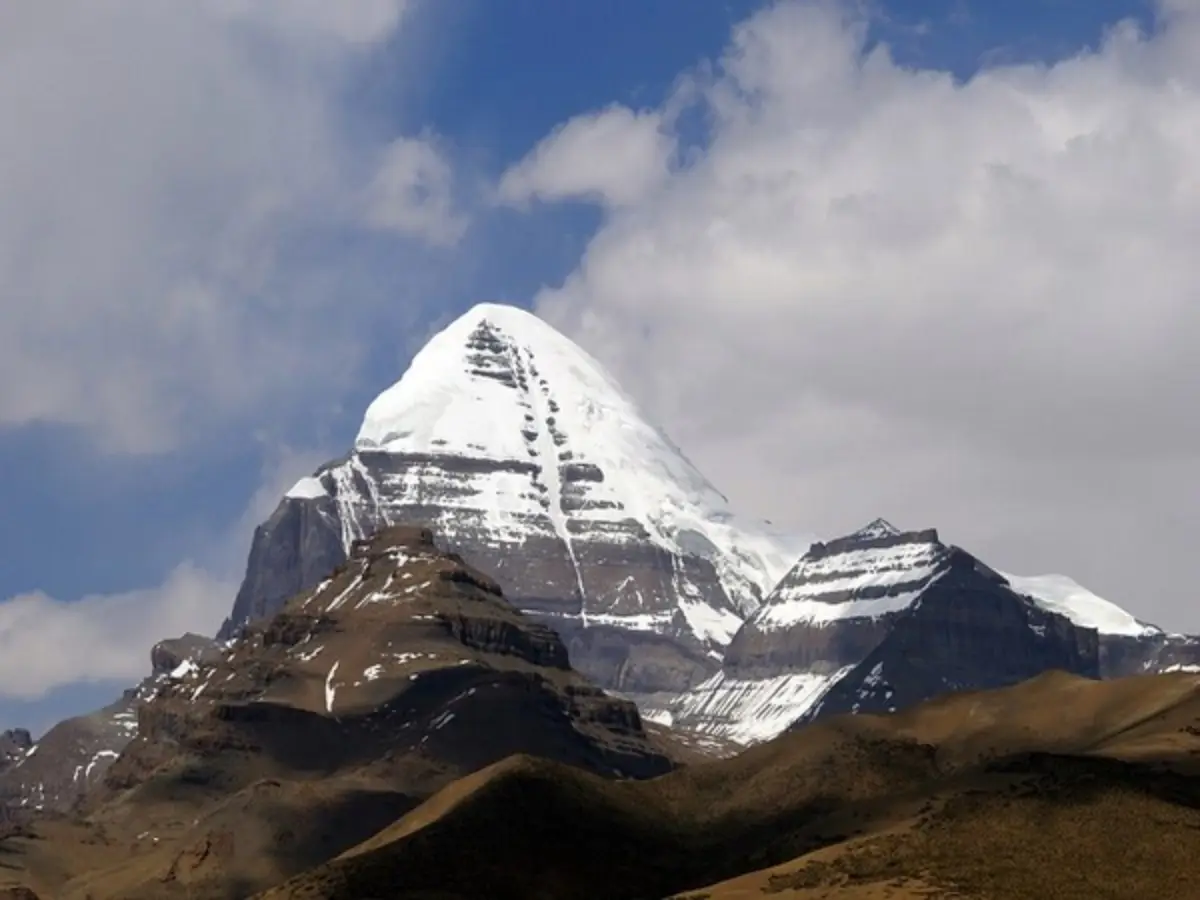)
Nepal flash floods: Kailash Mansarovar yatra affected, close to 400 pilgrims out of contact
)
'If he is dead, they're putting on a pretty good show': Trump casts fresh doubt over Mojtaba Khamenei's fate
)
Man arrested near US Capitol with guillotine in pickup truck: What happened?
&im=FitAndFill=(700,400))
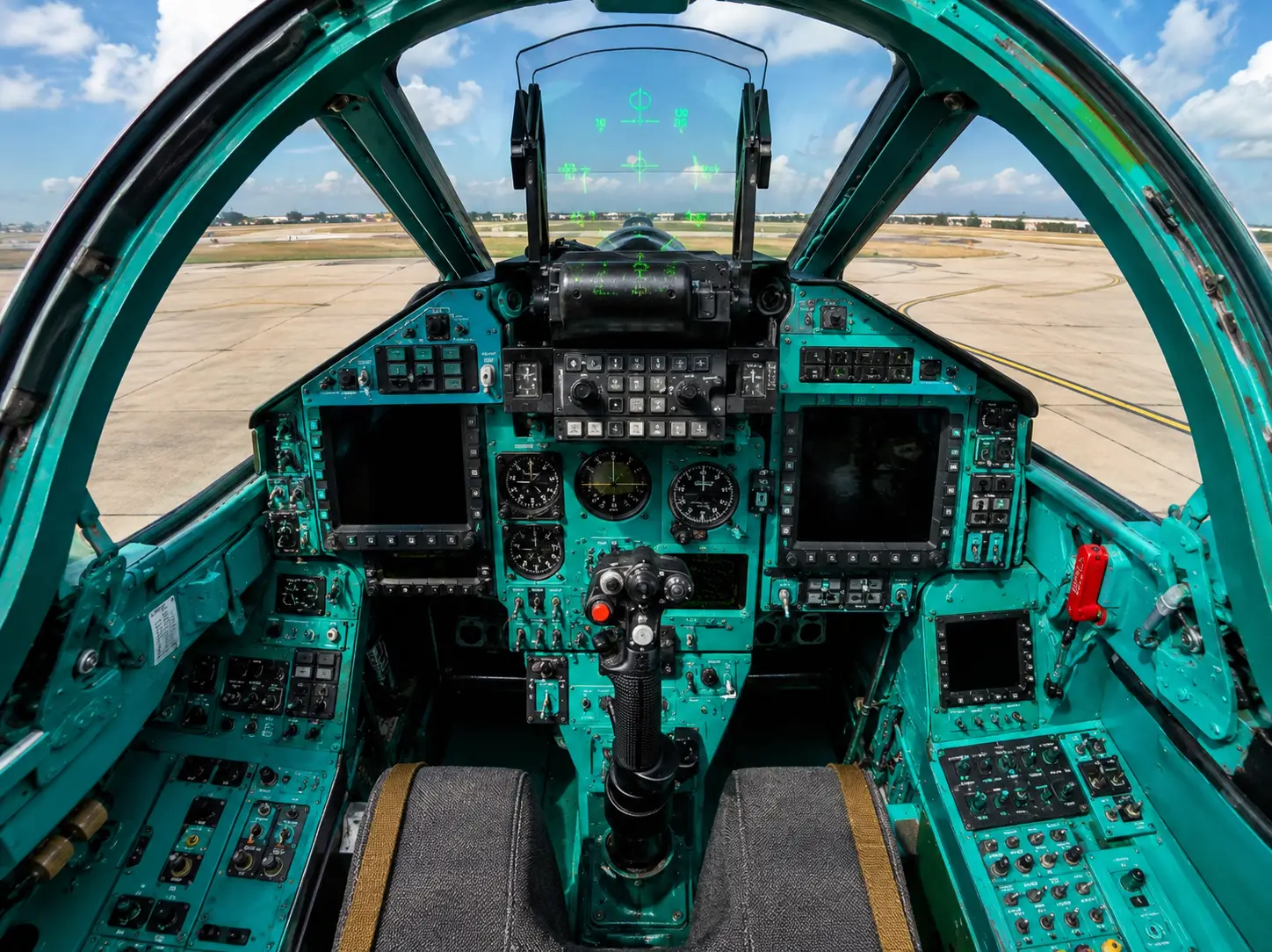
Why the Su-30MKI cockpit is painted bright turquoise green
