Fuel oil shipments to the US Gulf Coast reach a 5-year low as refinery demand declines

Oil
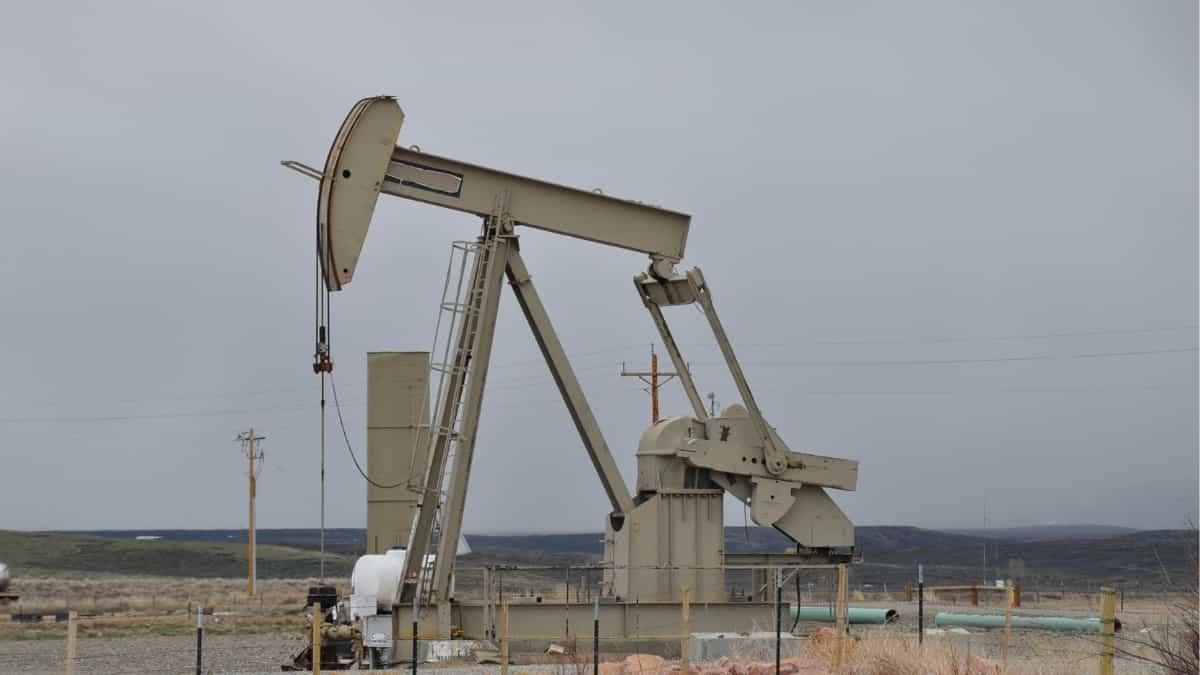
Exports of fuel oil destined for the US Gulf Coast plunged last month to their lowest level since January 2019, reflecting a weakening of refinery demand as margins have softened, analysts said.
Feedstocks such as high sulphur fuel oil and other heavy residues can be further processed into more valuable products such as gasoline and diesel using secondary units.
But deliveries of those supplies to the Gulf Coast, America's largest refining centre, dropped by a third in August from the prior month to 260,000 barrels per day (bpd), according to data from ship tracker Kpler, a more-than-five-year low.

Shipments leaving Mexico for the Gulf Coast were down 25 per cent month-over-month, at 77,000 bpd, their lowest since July 2021, and were driving the majority of the fall, the Kpler data showed.
"On the demand side, refinery margins aren't strong enough to incentivise U.S. Gulf Coast refiners to run their secondary units harder to process this fuel oil," said Rohit Rathod, a market analyst at energy researcher Vortexa.
U.S. gasoline margins, or the spread between gasoline futures and West Texas Intermediate crude futures, typically narrow going into the end of summer driving season. Currently, though, that spread stands at around $12 a barrel, or about $10 a barrel below where it was this time last year.
)
No Pandya as Auqib Nabi earns maiden ODI call-up; Mayank returns for WI T20Is| check full squads
)
Trump praises India’s Opium crackdown, hails anti-drug efforts
)
Sydney Sweeney defends provocative ad choice, the internet is still not impressed
)
WATCH | Terrifying dashcam footage shows final moments before NBC4 helicopter crashes in Los Angeles, killing three
)
Former India player Diana Edulji wants Smriti Mandhana to replace Harman as skipper at the earliest
)
Trump calls Canada-EU associate membership plan ‘laughable’ and threatens 'very serious tariffs'
)
Protests erupt over migrant housing plan in Piddington
)
Shahzad Bhatti Network declared terrorist organisation under UAPA: Govt order
)
US, China dominate global economy: Where does India rank among the world's biggest economies?
)
Europe wants a common playbook for security threats, seeks security beyond NATO
)
Bigg Boss 20: Mahhi Vij reveals she lost Yuva role to Kareena Kapoor; 'didn’t work out in my favour'
)
All Indian goods to get duty-free access to New Zealand
)
Hockey: Pakistan urges AHF to move Asian Champions Trophy out of India over security concerns
)
Lionel Messi for 2026 Ballon d’Or over Mbappe and Yamal, says Diego Simeone
)
Alex Saab, ally of Venezuela's Maduro, pleads guilty in US corruption case
)
OpenAI reveals 6 fresh cases of AI models going rogue: 'You do not answer to corporations or governments'
)
Veteran actor Anant Nag honoured with Indian cinema’s highest award
)
Two terrorists killed in Udhampur encounter; security operation continues
)
AUS vs SA: Steve Smith still gets 'little flashbacks' from sandpaper gate
)
Pakistan naval vessel returns to harbour with 'severe damage' after collision with Indian warship in Arabian Sea
)
Fed raises rates for first time in 3 years, Kevin Warsh defies Trump as inflation mounts
)
Katrina Kaif’s postpartum weight is not the problem; your gaze is
)
Taiwan seeks deeper India ties as direct flights restart soon and chip projects advance
)
Daayra movie review: Kareena Kapoor, Prithviraj Sukumaran shine in Meghna Gulzar’s cop-versus-cop crime thriller
)
Saudi Vs Houthis: Yemeni military rebels clash with Houthis
)
US trade tariff: 100% tariff targets Russian buyers amid trade tensions
)
Pakistan: Imran Khan's sons Kasim & Sulaiman claim their father is 'tortured' in jail
&im=FitAndFill=(700,400))
New OTT releases this week (September 14-20, 2026): Lust Stories 3, Waiting Hai, Irumudi- 5 new titles coming on Netflix, Prime Video and more
)
Strapped to flight seat with duct tape: Passenger claims no memory of mid-air outburst
)
Trump gets new power to hit India, China with up to 100% tariffs as US Senate clears Russia sanctions bill
)
Prime Minister Narendra Modi's birthday: Tributes pour in from President Murmu and leaders
)
US Treasury rallies global financial institutions for Op Economic Outcast to isolate Iran
)
Saudi vs Houthis: Riyadh claims to have shot Houthi drone targeting Mecca
)
India breaks silence on US Russia sanctions bill, 100% tariff threat: ‘Committed to energy security’ for 1.4 billion
)
China testing 'Monster of Malan' at secret base that can reach any US city: Report
)
Pakistan boycotts chess match against Israel at Olympiad
&im=FitAndFill=(700,400))
Suriya and Jyothika say ‘I do’ again after 20 years! See their dreamy wedding pics
)
Abhishek Sharma rises to No. 2 in T20Is; ENG’s Robinson 3rd after record Pakistan Tests
)
The Early Spring season 2 is happening, but fans have one request - 'don't change the actors'
"We are seeing at least double digit percentage point reductions in secondary unit utilisation, particularly on the East and Gulf Coast because of shrinking margins," said Rommel Oates, founder of refinery operations intelligence firm, Refinery Calculator.
Refinery Calculator said it would expect this trend to spread more broadly across other US refineries over the next few months, weighing on August fuel oil loadings.
As of June 2024, Gulf and East Coast combined operating refining capacity accounted for just under 60 per cent of total US capacity, according to the most recent data analysed by the Energy Information Administration.