Foxconn Chairman predicts continued growth in AI investment as language models evolve


File photo of Foxconn logo.
Foxconn's Chairman Young Liu has recently shed light on the rapidly growing field of artificial intelligence (AI), asserting that the current investment boom in AI is far from over. Speaking in an interview with CNBC, Liu emphasised that advancements in large language models (LLMs) indicate that the industry is still in its early stages of development.
Liu noted that each new iteration of AI technology is becoming increasingly sophisticated, which he believes will significantly impact the AI server sector. This sector has been a key driver of Foxconn's growth this year, particularly with the anticipated release of Nvidia's Blackwell server chip, which Liu described as having "much better" demand than initially expected.
The concept of Artificial General Intelligence (AGI) was also a focal point in Liu's discussion. He explained that while discussions around AGI are gaining traction, we are currently at what he terms "level two" of intelligence development, with further advancements needed to reach higher levels. His insights align with those from OpenAI's CEO Sam Altman, who has suggested that AGI could emerge in the near future but may not have as profound an impact on employment as many anticipate.

Foxconn, known as Hon Hai in Taiwan and China, is not only a major player in AI infrastructure but also a leading contract manufacturer for global technology firms including Apple. Recently, the company reported impressive sales figures, with revenues surpassing 1 trillion Taiwanese dollars (approximately £575 billion) for the September quarter a year-on-year increase of 20.2 per cent. This growth is attributed to heightened demand for AI technologies.
The strong demand for Nvidia's Blackwell chip has prompted Foxconn to expand its manufacturing capabilities. Liu indicated that the company is establishing new factories in Mexico to meet this demand, which he described as "insane." The Blackwell chip, expected to be priced between £30,000 and £40,000 per unit, is sought after by tech giants like OpenAI and Microsoft for their AI data centres.
As Foxconn continues to supply cloud-based AI applications like ChatGPT, it is also focusing on producing devices featuring generative AI capabilities. Liu expressed optimism about "on-device" AI, where data processing occurs directly on mobile devices rather than relying solely on cloud services. He believes that this area represents a significant growth opportunity for Foxconn.
&imwidth=180&imheight=135&format=webp&quality=medium)
Sidhu Moose Wala’s younger brother wins hearts by recreating late singer’s signature move at Toronto Hologram Show
&imwidth=180&imheight=135&format=webp&quality=medium)
UK school ditches technology, shifts from screen to pen and paper for learning
&imwidth=180&imheight=135&format=webp&quality=medium)
'I am thoroughly unamused': Judge slams Trump administration after 400 trees cut at Washington golf course
&imwidth=180&imheight=135&format=webp&quality=medium)
'I will not be silenced': Ilhan Omar alleges political intimidation after federal officers search her Washington home
&imwidth=180&imheight=135&format=webp&quality=medium)
I.N.D.I.A. Bloc lists 10 requests to Supreme Court
&im=FitAndFill=(700,400)&imwidth=180&imheight=135&format=webp&quality=medium)
How does a robot decide what to do next?
&imwidth=180&imheight=135&format=webp&quality=medium)
New Cold War: Why is China buying more gold? Explained
&imwidth=180&imheight=135&format=webp&quality=medium)
Rahul Gandhi's plea against Election Commission delayed as Supreme Court registry flags 14 ‘defects’
&imwidth=180&imheight=135&format=webp&quality=medium)
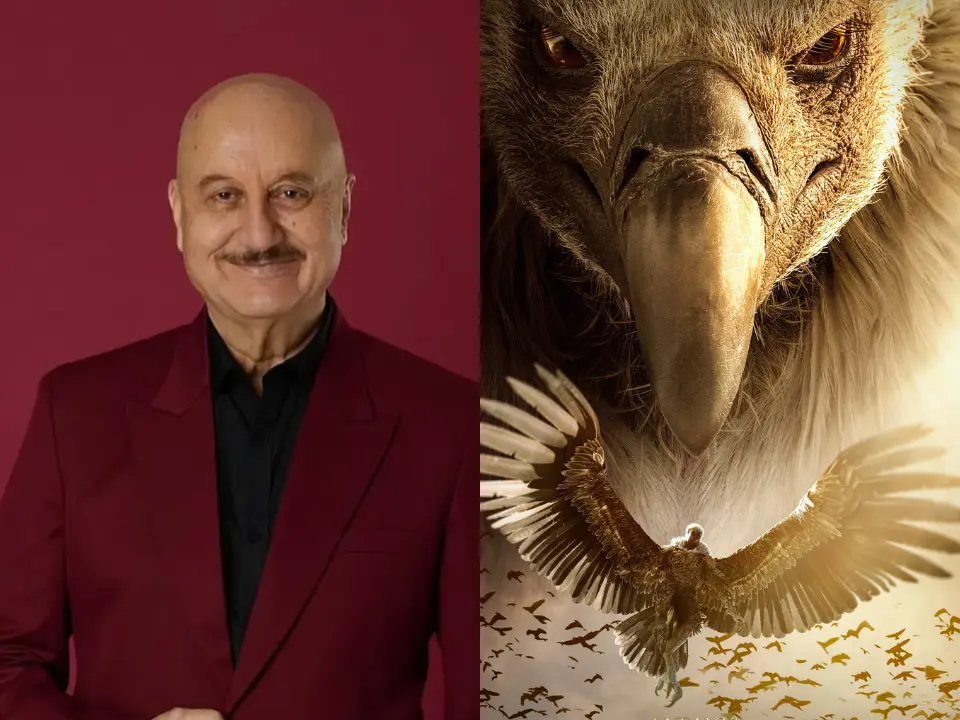
Anupam Kher joins Ranbir Kapoor's Ramayana as Jatayu, new poster unveiled
&imwidth=180&imheight=135&format=webp&quality=medium)
India's Ajit Doval, Iran's Mohsen Rezaei hold talks amid escalating West Asia tensions, discuss 'issues of mutual interest'
&imwidth=180&imheight=135&format=webp&quality=medium)
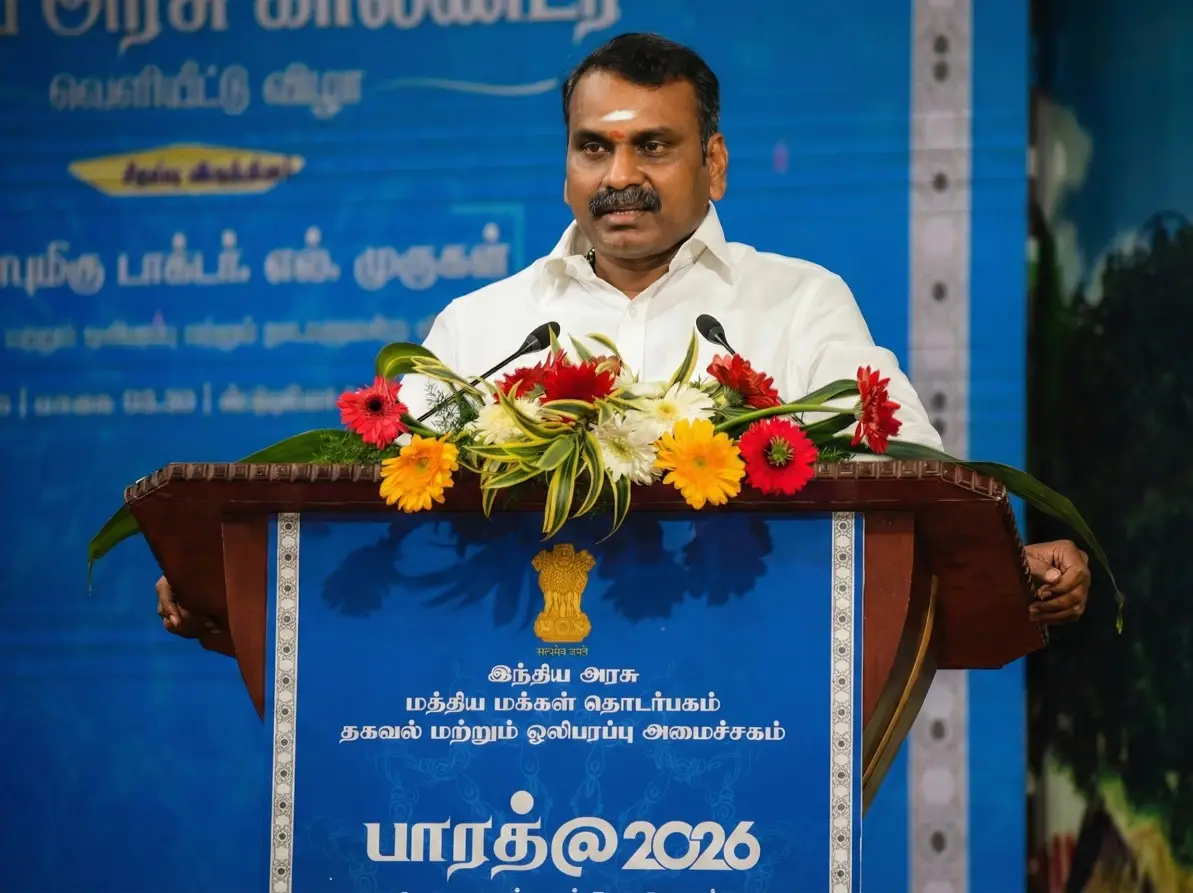
L Murugan resigns as Union Minister, expresses wish to return to grassroots
&imwidth=180&imheight=135&format=webp&quality=medium)
1,500 drones illuminate Mumbai sky as Cordelia Cruises unveils second ship, Cordelia Sky
&imwidth=180&imheight=135&format=webp&quality=medium)
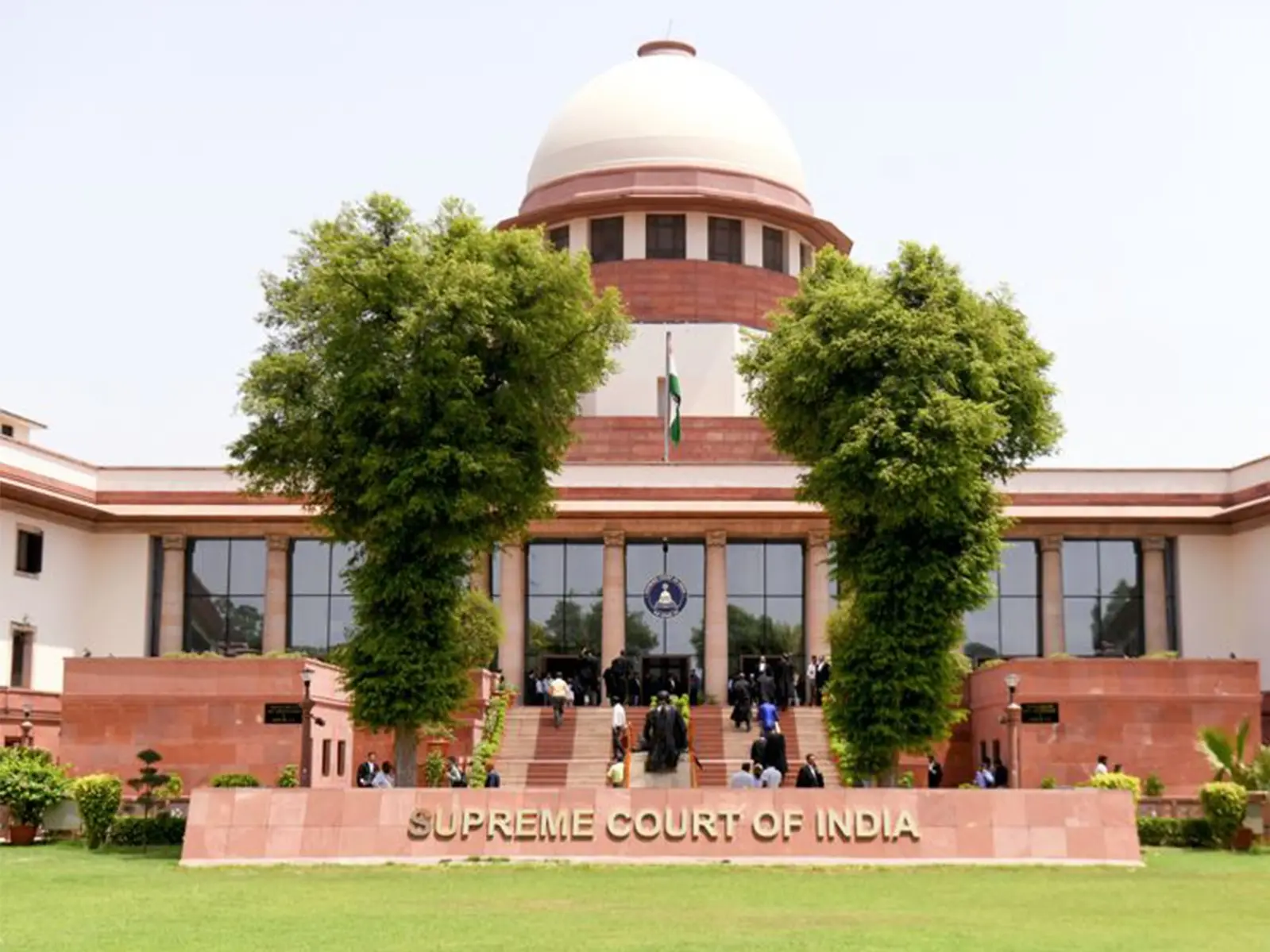
Opposition’s 10 demands in Supreme Court petition range from stay on SIR to audit of voter rolls
&imwidth=180&imheight=135&format=webp&quality=medium)
Trump weighs firing Kimberly Guilfoyle as US ambassador to Greece amid misconduct allegations: Report
&imwidth=180&imheight=135&format=webp&quality=medium)
'Ouch!!! That must hurt': Kangana Ranaut hails Kamal Haasan's sharp reply to Elon Musk over Starlink row
&imwidth=180&imheight=135&format=webp&quality=medium)
Pakistan's government blames PTI for rise of terrorism in Khyber Pakhtunkhwa
&imwidth=180&imheight=135&format=webp&quality=medium)
'Turn approver, resign, we'll forgive you': Rahul Gandhi claims receiving messages from CEC Gyanesh Kumar
&imwidth=180&imheight=135&format=webp&quality=medium)
Korean peninsula tensions escalate as North Korea launches multiple ballistic missiles, PACOM says 'no threat to US personnel'
&imwidth=180&imheight=135&format=webp&quality=medium)
Elon Musk pumps $276 million into Republican campaigns ahead of US midterm elections
&imwidth=180&imheight=135&format=webp&quality=medium)
UK PM Andy Birnham renews claims of Russian meddling in Brexit vote
&imwidth=180&imheight=135&format=webp&quality=medium)
BCCI rejects venue shift reports, India vs Sri Lanka 1st ODI to remain in Delhi
&imwidth=180&imheight=135&format=webp&quality=medium)
Houthis warns US of 'painful response' if Washington joins Saudi war in Yemen as airlines suspend flights to Saudi Arabia
&imwidth=180&imheight=135&format=webp&quality=medium)
Anti-SIR protest in Mumbai: Protestors wear black masks & ribbons in Mumbai
&imwidth=180&imheight=135&format=webp&quality=medium)
Girl 'dead' for 8 hours wakes up at her own funeral, dad insists she wasn't breathing
&imwidth=180&imheight=135&format=webp&quality=medium)
China’s gold rush puts billion in focus
&imwidth=180&imheight=135&format=webp&quality=medium)
Is the AI chip boom already over? Global semiconductor stocks slide as investors question unbridled spending
&im=FitAndFill=(700,400)&imwidth=180&imheight=135&format=webp&quality=medium)
New OTT releases this week (October 12-18, 2026): Sacrifice, Koffee with Karan S9, Roadies Rebirth- 6 titles coming on Netflix, JioHotstar and more
&imwidth=180&imheight=135&format=webp&quality=medium)
'Almost certainly': UK Prime Minister Andy Burnham says Iran's IRGC behind RAF Fairford threat
&imwidth=180&imheight=135&format=webp&quality=medium)
Congress demands action against chief election commissioner
&im=FitAndFill=(700,400)&imwidth=180&imheight=135&format=webp&quality=medium)
IMF World Economic Outlook: 10 economies to watch for growth in FY27 and FY28 - Where does India stand?
&imwidth=180&imheight=135&format=webp&quality=medium)
‘This is just the start’: Maaya Rajeshwaran on historic ITF title, confidence boost and future goals
&imwidth=180&imheight=135&format=webp&quality=medium)
Robotic surgery, advanced treatment: What is coming to this small Gujarat town?
&im=FitAndFill=(700,400)&imwidth=180&imheight=135&format=webp&quality=medium)
Navratri 2026: 9 days, 9 forms of Goddess Durga and 9 colours- Check the complete list
&imwidth=180&imheight=135&format=webp&quality=medium)
Trump says he 'may' meet North Korean leader Kim Jong Un during upcoming Asia trip
&imwidth=180&imheight=135&format=webp&quality=medium)
'Absolutely disgusting': Australia slams US plan to livestream Nidal Hasan's execution; Mike Johnson raises concerns, warns of terrorist propaganda
The smartphone market is also witnessing a resurgence, with manufacturers integrating advanced AI features into their latest devices. Preliminary data from IDC indicates a 6.5 per cent year-on-year increase in smartphone shipments during the second quarter of 2024, marking four consecutive quarters of growth after years of decline.
Liu anticipates that generative AI devices will become a major growth area for Foxconn in the coming years. He remarked on the potential for a new phase of continuous growth termed a "supercycle," driven by innovative AI features in smartphones from major players like Apple, Samsung, Google, and Huawei's Honor.
As Foxconn navigates this evolving landscape, it remains well-positioned to capitalise on both current trends and future developments within the AI sector. With Liu’s insights underliningthe ongoing evolution of technology and its implications for various industries, it is clear that the journey towards more advanced AI capabilities is just beginning.
