
&imwidth=800&imheight=600&format=webp&quality=medium "China’s rare earths flow again but supply risks remain as US and Beijing strike deal")
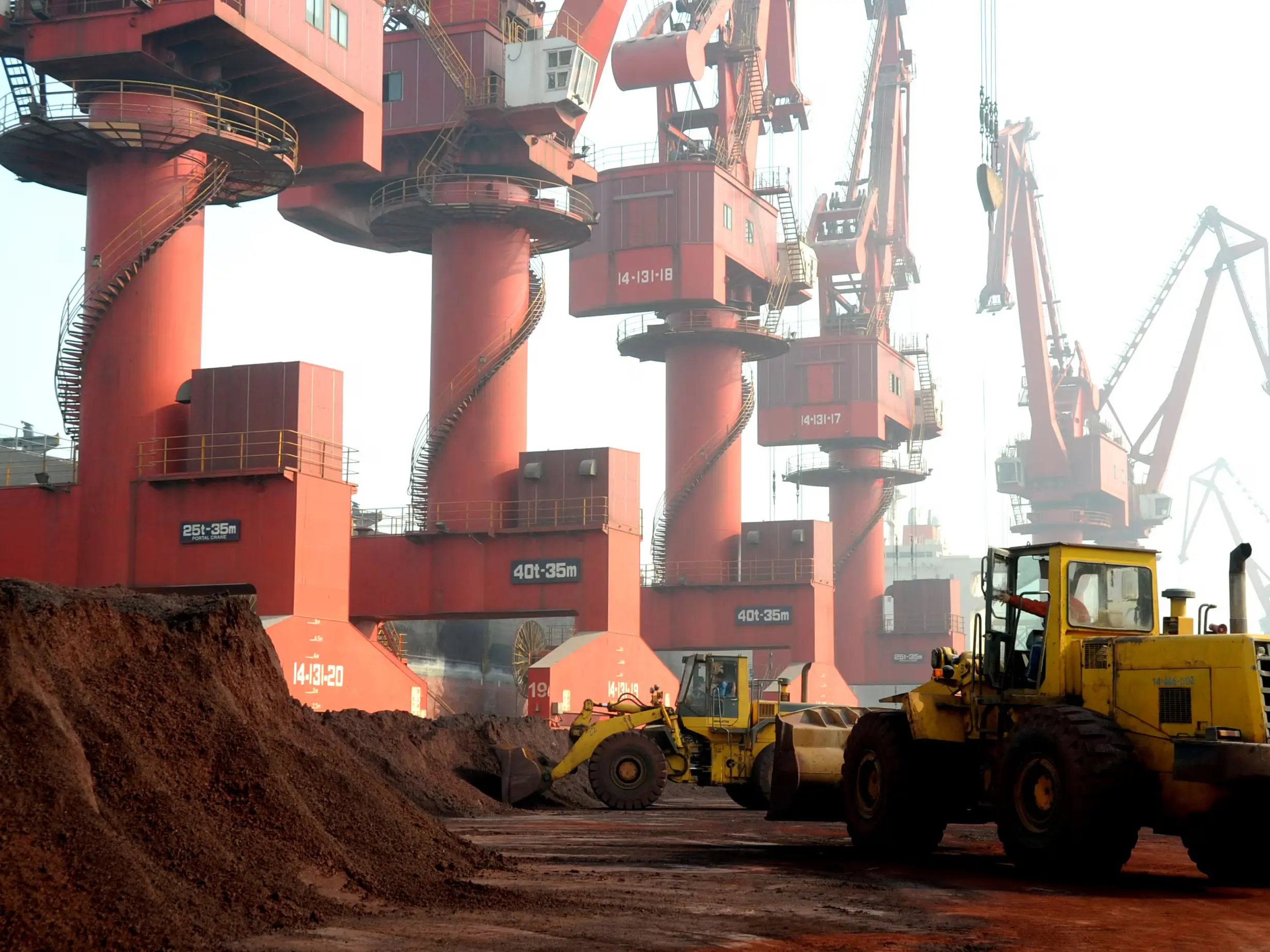
Global carmakers and tech giants are breathing a cautious sigh of relief as China’s rare earth magnets start flowing again, but supply chain uncertainty lingers despite a diplomatic breakthrough between Washington and Beijing aimed at easing critical mineral export restrictions. After weeks of industry alarm, the threat of mass shutdowns across automotive production lines is easing. European suppliers report receiving enough Chinese export licences to keep factories running in July, avoiding the “full panic” seen earlier this month.
However, hundreds of licence applications remain stuck in China’s opaque approval system, with exporters prioritising deliveries to familiar partners and leaving many US-bound shipments delayed or blocked entirely.
Licences speed up but hurdles remain

China imposed strict export controls on seven rare earths and related magnets in April, retaliating against US tariffs announced by President Donald Trump. The move sent shockwaves through supply chains critical to automakers, aerospace manufacturers, semiconductor firms and military contractors.
According to Reuters, export volumes of rare earth magnets from China have plunged by roughly 75 per cent since the restrictions took effect, forcing production halts at plants in Asia, Europe and the United States. But industry groups say the worst-case scenario has been avoided for now.
Nils Poel, head of market affairs at European supplier association CLEPA, said the rate of licence issuance has accelerated to around 60 per cent from 25 per cent in recent weeks. “Overall the feeling is that we probably will still have production in July and that the impact will be manageable,” Poel told Reuters. “Maybe here and there a production line will be affected, but we have avoided that for the moment.”
Trending Stories
)
Asian Games: Shooting spree continues as India win silver in women’s 50m rifle 3P team event
)
Bollywood mourns Mushtaq Khan: Sunny Deol, Rajpal Yadav and others pay tribute
)
'A terrorist country is asking me that question?': Jaishankar hits back at Pakistani journalist at UN; flags attacks on commercial shipping
&im=FitAndFill=(700,400))
New Friday OTT releases (September 25, 2026): Don’t Be Shy, Hunkkaar: The Roar, Mango Pachcha- 6 movies and TV shows on Netflix, Prime Video and more
)
India's UN Envoy slams Pakistan: 'They claim security by day, terrorism by night'
)
10,000 gather in support of 87-year-old forcefully evicted from home of 71 years
)
Indian diplomat Petal Gahlot raises deteriorating situation in Pakistan-occupied Kashmir in right of reply at UN
)
US court backs Pentagon's decision to exclude Anthropic over Claude AI restrictions
)
OpenAI AI Agents hacked 4 websites before Hugging Face, researchers reveal
)
Yemen's war escalates: Saudi-backed leader calls for general mobilisation against the Houthis
)
'FIRST LOOK from inside Noah’s Ark': Researchers share video from inside mysterious mound in Turkey
)
Army chief reviews operational preparedness along LoC, visits mega eye camp in Tangdhar
)
Pentagon quietly adds 37 wounded troops to Iran war tally without explaining when or how
)
Heart of the Beast review: Brad Pitt leads a gripping tale of survival and loyalty
)
Myanmar training camp case: US national, 6 Ukrainians allowed to meet their families abroad
)
Scientists detect first radio signals directly from faraway planet
)
Did Hitler kill his niece Geli Raubal? Newly found records reopen a 95-year-old mystery
)
Bias or safety concerns? Bengaluru CEO says firm will not hire men from UP, Bihar, Rajasthan, MP. Here's why
)
Gaza's war turned environmental damage into second crisis
)
Trump rejects Iran's 7-day ceasefire proposal as US weighs renewed bombing after midterms: Report
)
‘Not just a local tragedy’: Nepal PM Shah warns UN of growing climate threat, says Nepal floods were 'a warning to the world'
)
Nigeria Navy moves to boost oil security, tackle crude theft and infrastructure threats
)
WATCH | As Shehbaz Sharif claims Pakistan’s ‘victory’ during 2025 conflict, Indian diplomat R Srinivas laughs at UN
)
Jay-Z rape case: Accuser says allegations were false, never met rapper
)
Asian Games 2026: India women’s kabaddi team edge Iran 37-34 to clinch 3rd gold medal
)
Cindy Crawford’s son Presley Gerber cremated as death probe continues
)
Pakistan deploys over 20,000 security personnel as PTI vows march for Imran Khan's release
)
Saudi oil exports surge despite Iran war
)
'Making history': Xi Jinping praises Trump as US-China leaders dine at White House
)
Tesla is preparing something big for Optimus: new Gen 3 models surface in app
)
US Supreme Court backs Trump administration's use of SAVE database to check voter citizenship
)
‘It is all possible’: Putin weighs next steps on Ukraine talks, rules out Europe conflict
)
Outrage erupts after 3-year-old is married to 60-year-old man in Pakistan, link to her sister's murder being probed
)
Trump-Xi summit wrap: Big pageantry, Iran talks, few major developments and more meetings planned
)
Red Sea crisis: Houthis promise not to target European ships; UNSC condemns Saudi attacks
)
‘Attack on Mecca a red line for Pakistan’: Shehbaz Sharif warns Houthis at UN
US and China agree to speed up shipments
The pressure on global supply chains prompted urgent high-level diplomacy. On Thursday, a White House official said the US and China had reached an “understanding” to expedite rare earth shipments to American buyers. “The administration and China agreed to an additional understanding for a framework to implement the Geneva agreement,” the official told Reuters, referring to trade talks held in May.
That deal included China’s commitment to remove non-tariff countermeasures it had imposed in response to Trump’s tariffs, though neither side offered much detail about how those measures would be rolled back. US Commerce Secretary Howard Lutnick was quoted by Bloomberg as saying: “They’re going to deliver rare earths to us” and once they do “we’ll take down our countermeasures.”
Beijing’s cautious approach
While the White House framed the deal as a breakthrough, Beijing signalled it would continue vetting export licences carefully, citing national security concerns. China’s embassy in Washington did not immediately respond to requests for comment. According to industry sources, China has taken its dual-use restrictions on rare earths “very seriously” and is scrutinising buyers to ensure materials are not diverted to US military programmes, as per Reuters. This strict vetting has slowed licensing approvals, particularly for shipments bound for the US or routed through third countries such as India.
One European official told Reuters that China was approving the “bare minimum” of licences to avoid European production shutdowns while maintaining leverage in the broader trade dispute.
Automakers still on alert
Automotive giants remain wary of further disruption. Volkswagen told Reuters its supply of rare earth components was currently stable, while Stellantis said it had resolved its immediate production concerns. But the underlying risk of a fresh shortage remains real. Two weeks ago, the car industry was in “full panic”, according to an executive at a leading US supplier and a source with knowledge of a major European carmaker’s supply chain, both speaking anonymously to Reuters.
Even now, delays are causing headaches for American firms. US magnet maker Dexter Magnetic Technologies, which supplies both civilian and defence industries—has received just five of 180 export licences since April “It’s an extended delay,” CEO Kash Mishra told Reuters. “It’s 45 days trying to get the paperwork right for the supplier, and then it’s 45 more days or so before any licences are granted.”
Trade war truce remains fragile
The rare earth dispute has become a central front in the wider US–China trade war that has escalated under President Trump’s administration. In response to China’s critical mineral restrictions, Washington slapped new export controls of its own, blocking shipments of semiconductor design software, aircraft components and other goods to Chinese firms.
Earlier in June, Trump said there was an agreement with China in which Beijing would resume supplying magnets and rare earth minerals, while the US would allow Chinese students into its colleges and universities. While this week’s deal marks a tentative de-escalation, the fundamental mistrust between the two economic superpowers remains.
For now, automakers and technology firms hope the flow of rare earth materials will resume quickly enough to prevent fresh production stoppages. But with hundreds of export licences still pending and both governments keeping the details of their agreement vague, the supply chain remains anything but secure.
(With inputs from the agencies)