China’s fiscal engine sputters as the land model cracks

&imwidth=600&imheight=450&format=webp&quality=medium "China’s fiscal engine sputters as the land model cracks")
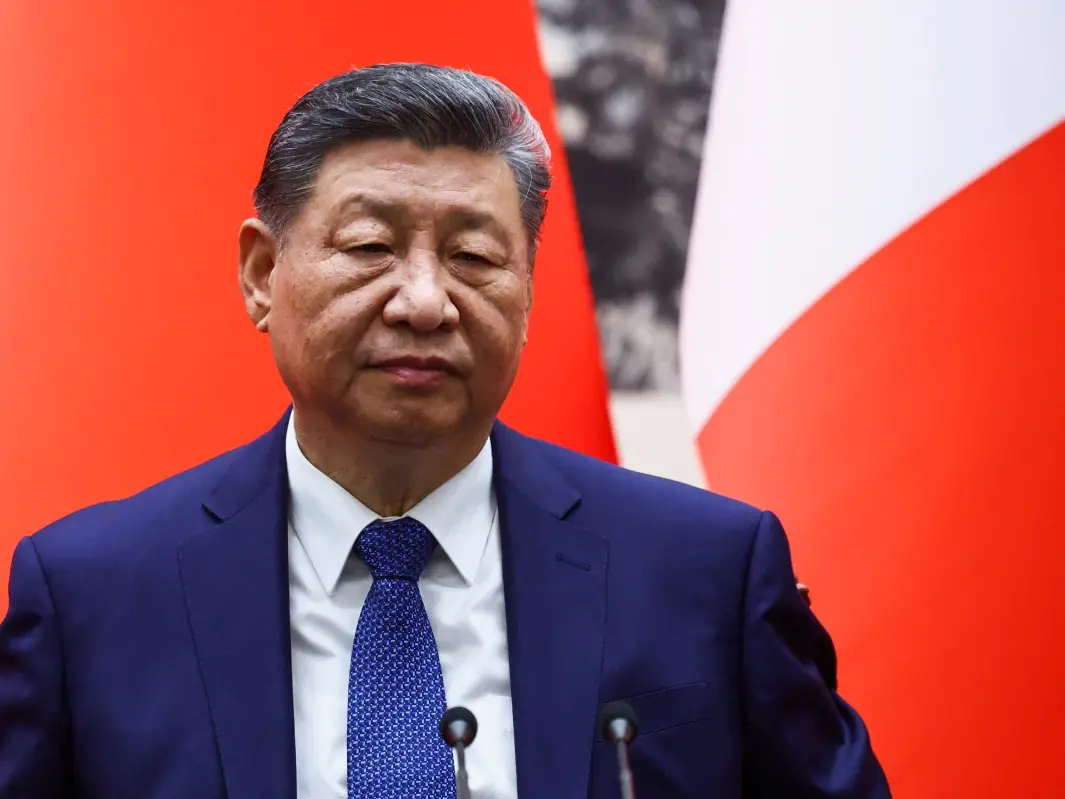
File photo of Chinese President Xi Jinping. Photograph: (AFP)
For decades, Beijing ran a simple formula: sell land and fund the government. In 2021, land sales alone generated 8.7 trillion yuan, or nearly $1.3 trillion. But by 2025, that figure had crashed to just 4.15 trillion yuan, a fall of more than 50%.
China’s fiscal engine is sputtering, and Beijing’s own numbers show why. The country’s long-standing revenue model is coming under pressure, as the pillars that once powered government finances begin to weaken. Two years ago, the Chinese government pulled in 21.7 trillion yuan, or about $3.2 trillion. Nearly 40% of that came from value-added tax alone, with corporate and individual income taxes adding another 32%.
But the latest data tells a starker story. China’s fiscal revenue fell 1.7% in 2025 from a year earlier, marking the first contraction since 2020. That comes as a protracted property slump and weak domestic demand have saddled the economy. Fiscal revenues in 2025 totalled 21.6 trillion yuan, barely changed from 2023’s headline figure despite years of nominal growth targets.
The real hit for China has come from land. For decades, Beijing ran a simple formula: sell land and fund the government. In 2021, land sales alone generated 8.7 trillion yuan, or nearly $1.3 trillion. But by 2025, that figure had crashed to just 4.15 trillion yuan, a fall of more than 50%.
And the pain is not slowing. In just the first four months of 2026, government land sales revenue fell 27.2% year-on-year to 680 billion yuan. These figures do not just show a dip but a structural collapse of the mechanism that once funded roads, schools and local budgets. Elsewhere, the numbers offer limited relief. Tax revenue rose just 0.8% in 2025, while non-tax income slumped 11.3%.
One bright spot was stamp tax revenue from securities transactions, which surged 57.8%, buoyed by a stock market rally. It is a reminder that Beijing is now leaning on capital markets to plug holes left by real estate.
Trending Stories
&imwidth=280&imheight=210&format=webp&quality=medium)
&imwidth=280&imheight=210&format=webp&quality=medium)
&imwidth=280&imheight=210&format=webp&quality=medium)
&imwidth=280&imheight=210&format=webp&quality=medium)
&imwidth=280&imheight=210&format=webp&quality=medium)
&imwidth=280&imheight=210&format=webp&quality=medium)
&imwidth=280&imheight=210&format=webp&quality=medium)
&imwidth=280&imheight=210&format=webp&quality=medium)
&imwidth=280&imheight=210&format=webp&quality=medium)
&imwidth=280&imheight=210&format=webp&quality=medium)
&imwidth=280&imheight=210&format=webp&quality=medium)
&imwidth=280&imheight=210&format=webp&quality=medium)
&imwidth=280&imheight=210&format=webp&quality=medium)
&imwidth=280&imheight=210&format=webp&quality=medium)
&imwidth=280&imheight=210&format=webp&quality=medium)
&imwidth=280&imheight=210&format=webp&quality=medium)
&imwidth=280&imheight=210&format=webp&quality=medium)
&imwidth=280&imheight=210&format=webp&quality=medium)
&imwidth=280&imheight=210&format=webp&quality=medium)
&imwidth=280&imheight=210&format=webp&quality=medium)
&im=FitAndFill=(700,400)&imwidth=280&imheight=210&format=webp&quality=medium)
&imwidth=280&imheight=210&format=webp&quality=medium)
&imwidth=280&imheight=210&format=webp&quality=medium)
&imwidth=280&imheight=210&format=webp&quality=medium)
&imwidth=280&imheight=210&format=webp&quality=medium)
&imwidth=280&imheight=210&format=webp&quality=medium)
&imwidth=280&imheight=210&format=webp&quality=medium)
&imwidth=280&imheight=210&format=webp&quality=medium)
&imwidth=280&imheight=210&format=webp&quality=medium)
&imwidth=280&imheight=210&format=webp&quality=medium)
&imwidth=280&imheight=210&format=webp&quality=medium)
&imwidth=280&imheight=210&format=webp&quality=medium)
&imwidth=280&imheight=210&format=webp&quality=medium)
&imwidth=280&imheight=210&format=webp&quality=medium)
Spending, however, has not slowed to match. Government expenditures grew one per cent to 28.7 trillion yuan, widening the gap between what Beijing collects and what it spends. Growth held at the targeted 5%, but economists warn that it is propped up by exports rather than consumption.
The broader picture is becoming clear. China’s revenue model, built on land and investment, is running out of road. And for now, there is no clean replacement in sight.