China lays out ambitious AI vision, countering US’ America First plan

&imwidth=600&imheight=450&format=webp&quality=medium "China lays out ambitious AI vision, countering US’ America First plan")
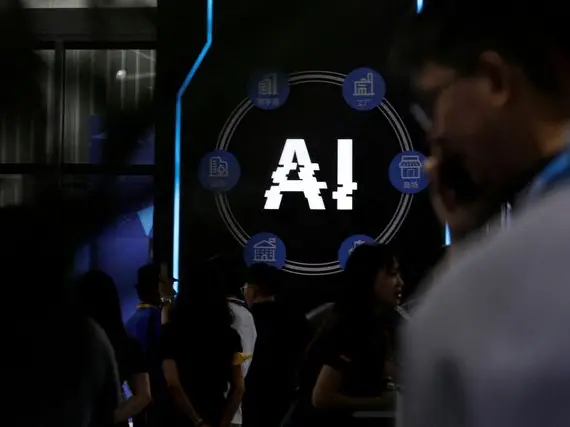
Visitors stand near a sign of artificial intelligence at an AI robot booth at Security China, an exhibition on public safety and security, in Beijing, China June 7, 2023. Photograph: (Reuters)
Chinese Premier Li Qiang outlined China's approach to AI governance, which contrasts with the US's recent AI action plan focused on national dominance, emphasising the importance of global cooperation, and suggesting that AI governance should not be monopolised by a few nations or tech firms.
At the World Artificial Intelligence Conference (WAIC) 2025, China presented a bold vision for its role in shaping the global AI landscape, offering an alternative to the US’ “America First” approach. The three-day event, which concluded on July 28, attracted more than 800 companies, including tech giants like Tencent, Alibaba, and Huawei, as well as international leaders from Google, including former CEO Eric Schmidt. The showcase, featuring robots, flying taxis, and AI-driven technologies, underscored China’s efforts to position itself as a champion of multilateralism and international collaboration in the AI race.
During his keynote speech, Premier Li Qiang outlined China's approach to AI governance, which contrasts with the US's recent AI action plan focused on national dominance. Li emphasised the importance of global cooperation, suggesting that AI governance should not be monopolised by a few countries or tech giants. “If we engage in technological monopoly, AI will become an exclusive game for a small number of countries and enterprises,” he warned. His comments came just days after the Trump administration unveiled its own strategy for AI supremacy, which included removing bureaucratic barriers and reinforcing US leadership in the field.
China’s AI alliances and technological showcases
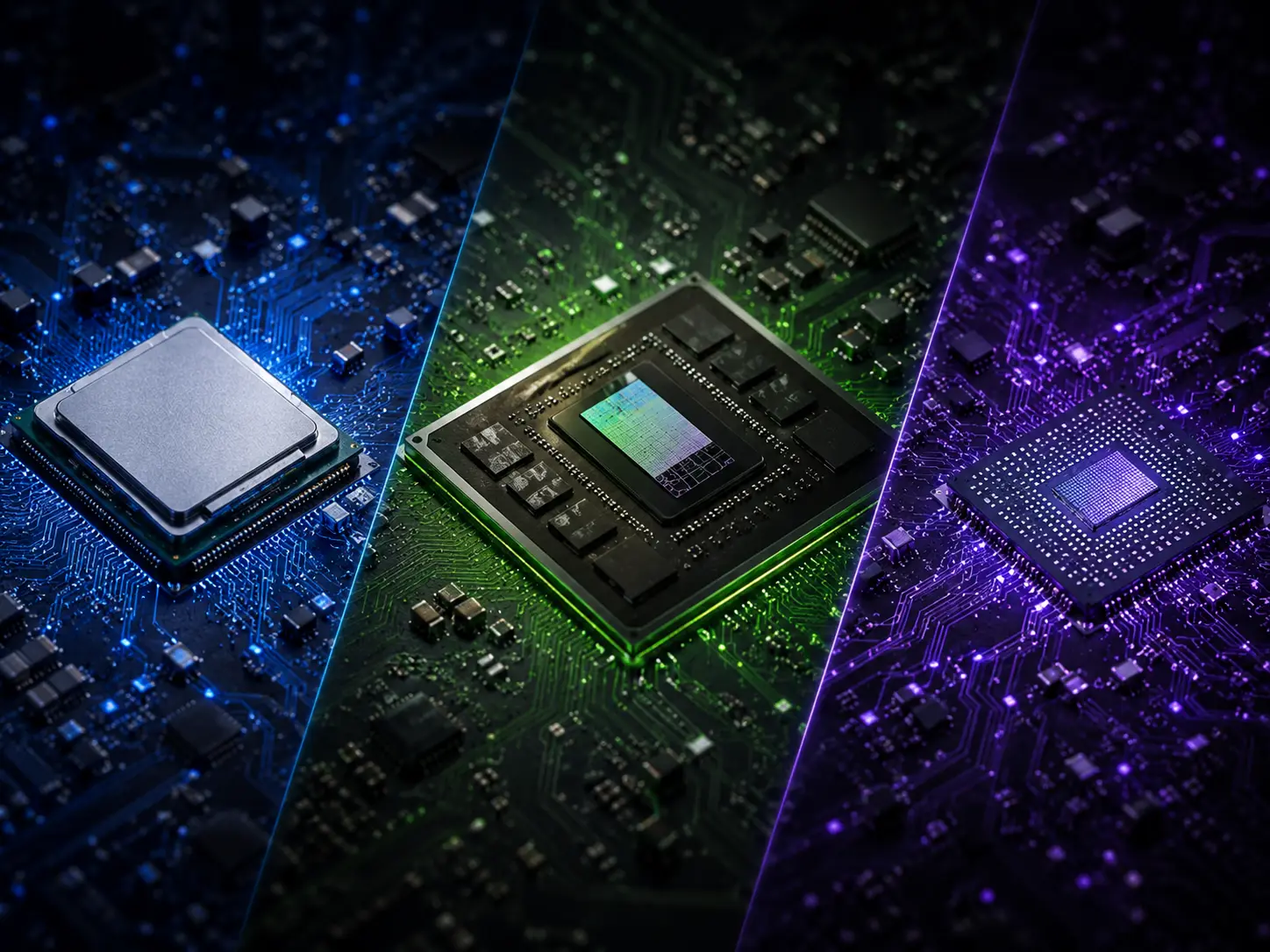
One of the key announcements at WAIC was the formation of two new industry alliances aimed at bolstering China’s domestic AI ecosystem in the wake of US export restrictions on advanced semiconductors. The “Model-Chip Ecosystem Innovation Alliance” is a collaboration between Chinese large language model (LLM) developers and chip manufacturers, including Huawei and other firms impacted by US sanctions. The alliance aims to create a self-sustaining ecosystem, reducing China’s dependence on foreign technology, especially in the critical AI chip sector.
Another alliance, the Shanghai General Chamber of Commerce AI Committee, seeks to integrate AI technologies into industrial applications, marking a shift from purely consumer-driven AI solutions to those targeting broader economic sectors. Companies such as SenseTime, a leader in AI-driven facial recognition technologies, are pivoting to LLMs, underscoring the speed of China's AI sector evolution.
On the exhibition floor, China’s AI prowess was evident in the numerous product debuts. Huawei introduced the CloudMatrix 384, an AI computing system said to rival Nvidia’s offerings. The system uses 384 Huawei 910C chips, demonstrating the company’s ability to produce competitive alternatives to US-made AI chips despite facing export restrictions. Other Chinese firms, including Metax and Iluvatar CoreX, showcased their own advancements in AI chip technology, further signalling China’s increasing self-reliance in this critical domain.
Trending Stories
&imwidth=280&imheight=210&format=webp&quality=medium)
&im=FitAndFill=(700,400)&imwidth=280&imheight=210&format=webp&quality=medium)
&imwidth=280&imheight=210&format=webp&quality=medium)
&imwidth=280&imheight=210&format=webp&quality=medium)
&imwidth=280&imheight=210&format=webp&quality=medium)
&im=FitAndFill=(700,400)&imwidth=280&imheight=210&format=webp&quality=medium)
&imwidth=280&imheight=210&format=webp&quality=medium)
&imwidth=280&imheight=210&format=webp&quality=medium)
&imwidth=280&imheight=210&format=webp&quality=medium)
&imwidth=280&imheight=210&format=webp&quality=medium)
&imwidth=280&imheight=210&format=webp&quality=medium)
&imwidth=280&imheight=210&format=webp&quality=medium)
&imwidth=280&imheight=210&format=webp&quality=medium)
&imwidth=280&imheight=210&format=webp&quality=medium)
&imwidth=280&imheight=210&format=webp&quality=medium)
&imwidth=280&imheight=210&format=webp&quality=medium)
&imwidth=280&imheight=210&format=webp&quality=medium)
&imwidth=280&imheight=210&format=webp&quality=medium)
&imwidth=280&imheight=210&format=webp&quality=medium)
&imwidth=280&imheight=210&format=webp&quality=medium)
&imwidth=280&imheight=210&format=webp&quality=medium)
&imwidth=280&imheight=210&format=webp&quality=medium)
&imwidth=280&imheight=210&format=webp&quality=medium)
&imwidth=280&imheight=210&format=webp&quality=medium)
&im=FitAndFill=(700,400)&imwidth=280&imheight=210&format=webp&quality=medium)
&imwidth=280&imheight=210&format=webp&quality=medium)
&imwidth=280&imheight=210&format=webp&quality=medium)
&imwidth=280&imheight=210&format=webp&quality=medium)
&imwidth=280&imheight=210&format=webp&quality=medium)
&imwidth=280&imheight=210&format=webp&quality=medium)
&imwidth=280&imheight=210&format=webp&quality=medium)
&imwidth=280&imheight=210&format=webp&quality=medium)
&imwidth=280&imheight=210&format=webp&quality=medium)
&imwidth=280&imheight=210&format=webp&quality=medium)
&imwidth=280&imheight=210&format=webp&quality=medium)
Among the most talked-about innovations were consumer-orientated products like Alibaba’s Qwen AI Glasses, which will enable users to navigate and make payments through voice commands. These smart glasses, slated for release in 2025, exemplify China’s drive to integrate AI seamlessly into everyday life.
International collaboration and ethical concerns
The global impact of AI was a recurring theme at the conference, with several prominent figures urging international cooperation on AI safety and regulation. Eric Schmidt, former CEO of Google, called for the US and China to collaborate on AI safety, highlighting the existential risks that come with the rapid proliferation of AI technologies. He noted that both countries, as the world’s largest economic players, have a shared responsibility to ensure that AI remains a force for good.
AI ethics and safety were hotly debated, with some experts expressing concerns over China’s open-source approach to AI models. While the open-source model allows for greater collaboration and innovation, it also opens the door for misuse by bad actors. Despite this, China remains committed to advancing its AI technologies, having invested heavily in research and development. Between 2013 and 2023, China’s state venture capital firms pumped an estimated $209 billion into AI businesses. The nation’s AI industry is valued at approximately $84 billion, with expectations to top $400 billion in public spending this year alone.
Experts are also taking note of China’s rapid progress in AI. The launch of DeepSeek’s breakthrough AI model, which outpaced models developed by Meta and Anthropic, sent shockwaves through the global AI community. The model, developed with just $5.6 million, was far more cost-effective than similar offerings from US companies, signalling China’s ability to deliver high-quality AI products at a fraction of the cost.
The WAIC 2025 expo demonstrated China’s growing confidence in its AI sector, with the country positioning itself as a leader in shaping the future of artificial intelligence. As Premier Li Qiang emphasised, AI governance should be a collaborative effort, with countries working together to create a global framework that ensures AI serves humanity's best interests.
(With inputs from agencies)