Anthropic to pay $1.5 billion to settle lawsuit for using pirated books

&imwidth=600&imheight=450&format=webp&quality=medium "Anthropic to pay $1.5 billion to settle lawsuit for using pirated books")
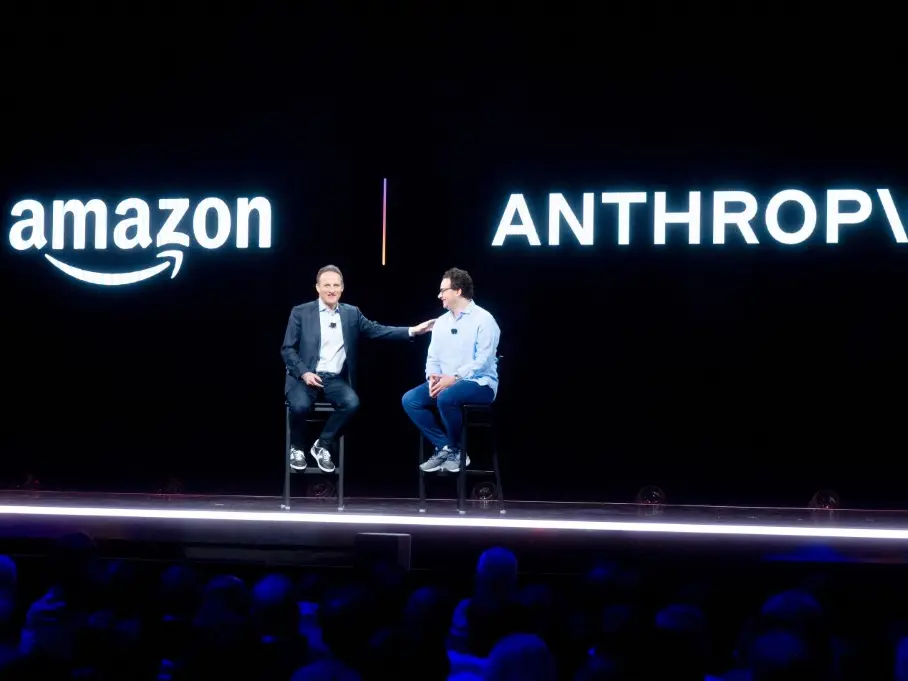
Amazon Web Services (AWS) CEO Adam Selipsky speaks with Anthropic CEO and co-founder Dario Amodei during AWS re:Invent 2023. Photograph: (AFP file)
Anthropic lawsuit: The San Francisco-based company's settlement will cover 500,000 books, which translates to $3000 per book. Mary Rasenberger, CEO of the Authors Guild, called it a major win.
AI giant Anthropic will pay $1.5 billion to settle a US lawsuit for using pirated books to train its artificial intelligencemodels. It is the first such ruling in the AI era, which can set the tone for how businesses can offset expected losses incurred because of changing user behavior due to artificial intelligence.
Authors Andrea Bartz, Charles Graeber, and Kirk Wallace Johnson had filed a class-action lawsuit accusing Anthropic of illegally copying their books to train the firm's AI chatbot, Claude. The AI chatbot is the rival of ChatGPT.
In June, US District Court Judge William Alsup ruled that the company's training of its Claude AI models with books -- whether bought or pirated -- transformed the works and could be deemed fair use under the law.
Alsup compared AI training to how humans learn by reading books, saying the technology was among the most transformative.
However, the judge rejected a blanket protection request urged by Anthropic. He said that the company's practice of downloading millions of pirated books to build a permanent digital library wasn't fair use.
Anthropic, which is based in San Francisco, has raised $13 billion in funding, which scaled up the firm's valuation to $183 billion.
Trending Stories
&imwidth=280&imheight=210&format=webp&quality=medium)
&im=FitAndFill=(700,400)&imwidth=280&imheight=210&format=webp&quality=medium)
&imwidth=280&imheight=210&format=webp&quality=medium)
&im=FitAndFill=(700,400)&imwidth=280&imheight=210&format=webp&quality=medium)
&imwidth=280&imheight=210&format=webp&quality=medium)
&imwidth=280&imheight=210&format=webp&quality=medium)
&imwidth=280&imheight=210&format=webp&quality=medium)
&imwidth=280&imheight=210&format=webp&quality=medium)
&imwidth=280&imheight=210&format=webp&quality=medium)
&imwidth=280&imheight=210&format=webp&quality=medium)
&imwidth=280&imheight=210&format=webp&quality=medium)
&imwidth=280&imheight=210&format=webp&quality=medium)
&imwidth=280&imheight=210&format=webp&quality=medium)
&imwidth=280&imheight=210&format=webp&quality=medium)
&imwidth=280&imheight=210&format=webp&quality=medium)
&imwidth=280&imheight=210&format=webp&quality=medium)
&imwidth=280&imheight=210&format=webp&quality=medium)
&imwidth=280&imheight=210&format=webp&quality=medium)
&imwidth=280&imheight=210&format=webp&quality=medium)
&imwidth=280&imheight=210&format=webp&quality=medium)
&imwidth=280&imheight=210&format=webp&quality=medium)
&imwidth=280&imheight=210&format=webp&quality=medium)
&im=FitAndFill=(700,400)&imwidth=280&imheight=210&format=webp&quality=medium)
&imwidth=280&imheight=210&format=webp&quality=medium)
&imwidth=280&imheight=210&format=webp&quality=medium)
&imwidth=280&imheight=210&format=webp&quality=medium)
&imwidth=280&imheight=210&format=webp&quality=medium)
&imwidth=280&imheight=210&format=webp&quality=medium)
&imwidth=280&imheight=210&format=webp&quality=medium)
&imwidth=280&imheight=210&format=webp&quality=medium)
&imwidth=280&imheight=210&format=webp&quality=medium)
&imwidth=280&imheight=210&format=webp&quality=medium)
&imwidth=280&imheight=210&format=webp&quality=medium)
&imwidth=280&imheight=210&format=webp&quality=medium)
It competes with Google, OpenAI, Meta, and Microsoft in the AI race.
The settlement covered 500000 books at the rate of $3,000 per work. The agreement says that Anthropic will destroy the original pirated files and any copies made.
What the author's guild said
"This settlement sends a strong message to the AI industry that there are serious consequences when they pirate authors' works to train their AI, robbing those least able to afford it," said Mary Rasenberger, CEO of the Authors Guild, in a statement.