Analyst says China's economy is slowly grinding in painful adjustment

China economy
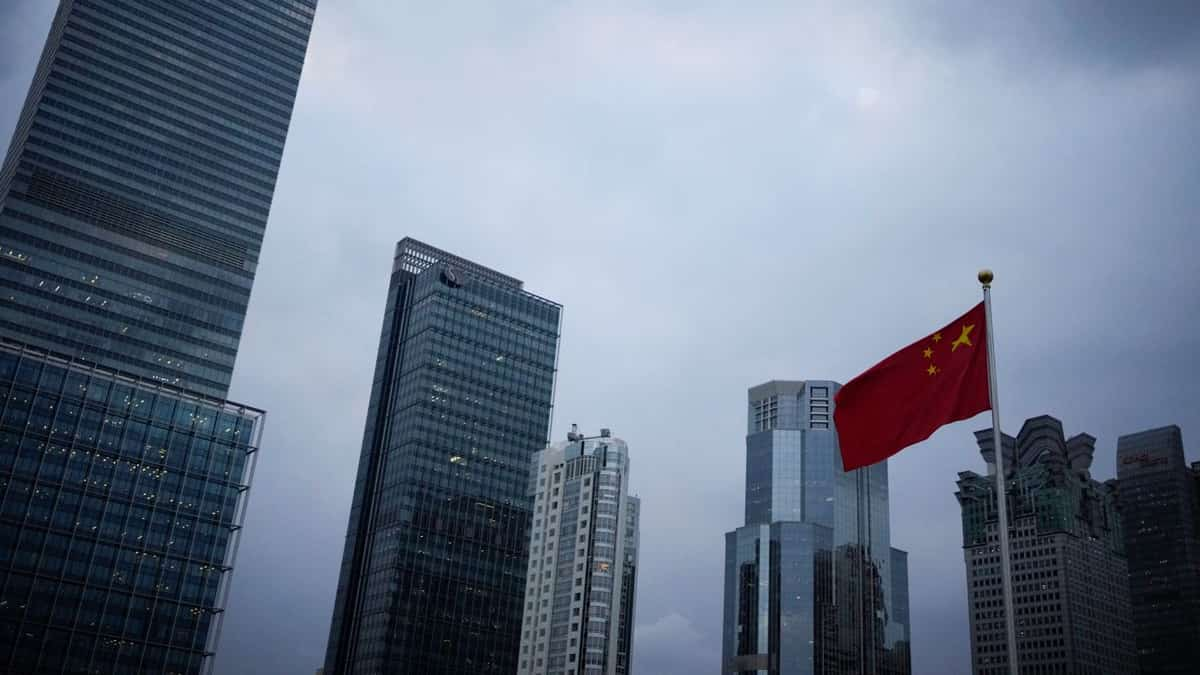
China is undergoing massive reforms, and the current state has been described by analysts as adjustments that are slow and painful. With this experience happening very rapidly in the last few years, there has been so much importance in how the country deals with the challenges. Analysts opine that the architecture of the economic structure of the nation is quite robust; however, it is facing pressures from both domestic and international fronts according to CNBC report.
Eswar Prasad, professor of international trade and economics at Cornell University, sounded one more alarm that Beijing's economic outlook for the second half of this year is now "flashing red, or pretty close to red".
Reports from top economists state that the growth in the economy of China has been controlled. The statistics indicate that overall economic strength has declined. Overall growth has been too slow, and this makes a scary scenario for the investors at large. Property market worries clearly show that the economic growth has been erratic. It did surpass their better times, yet there have been calls for reforms, which cut deeper into the fact of why this juncture had to come.

Chinese people are getting used to a new reality
As the analyst pointed out it is not just about numbers; it's actually about the real-life impact on Chinese citizens who are adjusting to new economic realities. Hence, what we are witnessing is truly a dramatic shift and different than past phenomena. That's because of several factors, including a shift in global supply chains, coupled with rising energy prices and evolving consumer behavior.
With the US Fed widely expected to cut rates in their upcoming meeting, Helen Qiao, chief Greater China economist and head of Asia economics at the Bank of America, told CNBC’s “Street Signs Asia” that the People’s Bank of China will likely not be cutting as much as the US Fed.
&imwidth=180&imheight=135&format=webp&quality=medium)
Other Mommy leads North American box Office as Verity, Resident Evil round out top four
&im=FitAndFill=(700,400)&imwidth=180&imheight=135&format=webp&quality=medium)
Navratri 2026: 9 days, 9 forms of Goddess Durga and 9 colours- Check the complete list
&imwidth=180&imheight=135&format=webp&quality=medium)
Anti-SIR protest in Mumbai: Protestors wear black masks & ribbons in Mumbai
&imwidth=180&imheight=135&format=webp&quality=medium)
BCCI rejects venue shift reports, India vs Sri Lanka 1st ODI to remain in Delhi
&imwidth=180&imheight=135&format=webp&quality=medium)
Diljit Dosanjh’s Delhi concert gets a new date: When and where to catch the singer
&im=FitAndFill=(700,400)&imwidth=180&imheight=135&format=webp&quality=medium)
Is sending robots to Mars easier than sending humans?
&imwidth=180&imheight=135&format=webp&quality=medium)
A watchdog rated 'ChatGPT for Teens' an unacceptable risk and says keep under-18s off it
&imwidth=180&imheight=135&format=webp&quality=medium)
1,500 drones illuminate Mumbai sky as Cordelia Cruises unveils second ship, Cordelia Sky
&imwidth=180&imheight=135&format=webp&quality=medium)
'Just coincidence': Police mistakes protester as AISA chief Neha Bora, arrests her from site
&imwidth=180&imheight=135&format=webp&quality=medium)
Anthropic's AI invented a murder witness and sent the fake tip to Philadelphia police
&imwidth=180&imheight=135&format=webp&quality=medium)
Congress demands action against chief election commissioner
&imwidth=180&imheight=135&format=webp&quality=medium)
CJI Surya Kant declines INDIA bloc leaders’ request for meeting ahead of march to SC, asks them to file petition
&imwidth=180&imheight=135&format=webp&quality=medium)
Saif Ali Khan is finally on Instagram! Here's what he shared in his first post
&imwidth=180&imheight=135&format=webp&quality=medium)
'Turn approver, resign, we'll forgive you': Rahul Gandhi claims receiving messages from CEC Gyanesh Kumar
&imwidth=180&imheight=135&format=webp&quality=medium)
One Indian killed in Riyadh airport attack; 11 others injured : MEA
&imwidth=180&imheight=135&format=webp&quality=medium)
Top AI models flunked a test of inventing new AI research, so much for self-improving AI
&imwidth=180&imheight=135&format=webp&quality=medium)
Wasim Jaffer blames Ajit Agarkar-led selection panel for Virat Kohli’s Test retirement
&imwidth=180&imheight=135&format=webp&quality=medium)
'Ouch!!! That must hurt': Kangana Ranaut hails Kamal Haasan's sharp reply to Elon Musk over Starlink row
&imwidth=180&imheight=135&format=webp&quality=medium)
Sidhu Moose Wala’s younger brother wins hearts by recreating late singer’s signature move at Toronto Hologram Show
&imwidth=180&imheight=135&format=webp&quality=medium)
UK school ditches technology, shifts from screen to pen and paper for learning
&imwidth=180&imheight=135&format=webp&quality=medium)
Telangana ATM heist: Thieves in nighties arrive in ambulance, break into SBI ATM in Kamareddy - VIDEO
&imwidth=180&imheight=135&format=webp&quality=medium)
Houthis claim Riyadh airport attacks, Aramco strikes; issue fresh warning to airlines, travellers and workers
&imwidth=180&imheight=135&format=webp&quality=medium)
Portugal Federation confirms Cristiano Ronaldo’s return to national team despite suspension
&imwidth=180&imheight=135&format=webp&quality=medium)
Delhi protests: 'Court should not be dragged into political activity', says CJI Surya Kant
&im=FitAndFill=(700,400)&imwidth=180&imheight=135&format=webp&quality=medium)
New OTT releases this week (October 12-18, 2026): Sacrifice, Koffee with Karan S9, Roadies Rebirth- 6 titles coming on Netflix, JioHotstar and more
&imwidth=180&imheight=135&format=webp&quality=medium)
Microsoft's Nadella says treat every AI model as already hacked, and build an 'emergency brake'
&imwidth=180&imheight=135&format=webp&quality=medium)
Delhi protest: CJI Surya Kant declines to meet India Bloc leaders
&imwidth=180&imheight=135&format=webp&quality=medium)
Telangana man allegedly recruited into Russian military dies near Ukraine border
&imwidth=180&imheight=135&format=webp&quality=medium)
China imposes first-ever sanctions on ministers from Taiwan allies: What this means
&imwidth=180&imheight=135&format=webp&quality=medium)
McSweeney reveals how studying Virat Kohli’s YouTube clips helped Australia A conquer India
&imwidth=180&imheight=135&format=webp&quality=medium)
Maharashtra appoints FDA commissioner Tukaram Mundhe as secretary of committee for MPSC overhaul amid stir
&imwidth=180&imheight=135&format=webp&quality=medium)
Iran: US accepted some conditions, Clarity needed on others
&imwidth=180&imheight=135&format=webp&quality=medium)
Nana Patekar's cause of death confirmed; here's what his postmortem report says
&imwidth=180&imheight=135&format=webp&quality=medium)
iPhone Duo price index: Tracking Apple’s latest pricing trends
&imwidth=180&imheight=135&format=webp&quality=medium)
'Say no to Muse': Meta has no control over its own moderation AI while it forces a security nightmare on everyone
Still, the slowing of economic growth warrants more easing, Qiao said, adding that job security and income growth are the main drivers for consumer spending, and right now, both are lacking in China.
Those companies that were able to survive the storms in the past are thinking through their strategies to find their way through these widespread changes, proving that resilience and innovation would be the necessary tools for survival in this kind of business landscape.
All eyes are on China's economic shift to see how that could send waves into the global market and raise questions about the amount of policy adjustment to stabilize it forward. Analysts insist that if given a chance, other markets will experience negative spillovers if left unchecked. Such options should be looked at to make support possible during this trying time.
Bank of America had lowered their forecast for China’s 2024 GDP growth to 4.8 per cent, below the government’s target of 5 per cent. Citigroup also lowered their projection to 4.7 per cent following the data released over the weekend.
In response to these, some policymakers begin to incorporate targeted economic interventions to spur stability and rebuild investor confidence. In this respect, experts call for collaboration and open dialogues among stakeholders in order to rightly address the crisis into the Chinese economy.
