Opinion: We have to live with rising prices of petrol and diesel

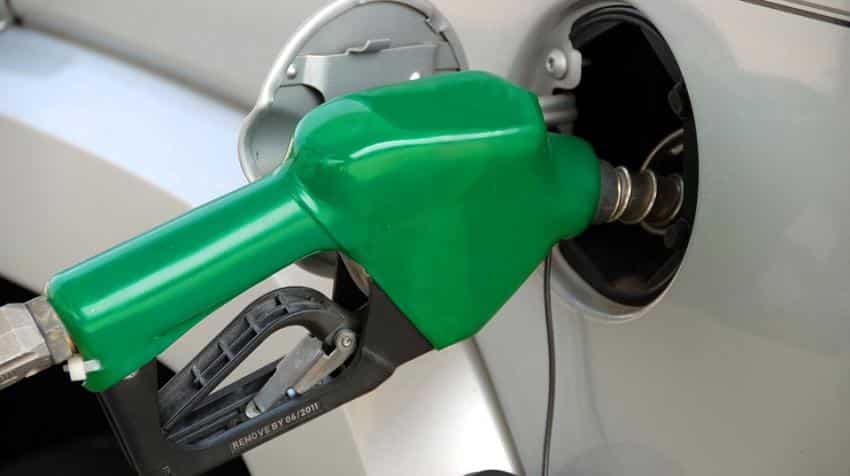
Petroleum
As a responsible citizen, our endeavour should be to make sure that we become little miser when it comes to consumption of petroleum products.
On the first day of the financial year 2018-19, the retail prices of petrol and diesel were revised upwards. Now in Delhi, diesel price is at all-time high and petrol price is highest in the past four years. The global rise of crude oil price, which is now touching US $70 a barrel, is the reason for this steep increase.
This is overall painful for the society as petrol/diesel touches everybody's life. Demands are pouring in from different quarters for government to chip in to give some reprieve by way of reducing taxes or by capping the prices itself.
However, the fact of the matter is that this petroleum is India's perennial weakness, and as a society, we have no option but to live with it.

First, let's have a look at this sector.
Till the decade of the 90s, the oil sector was completely controlled by Government of India (GOI). Oil PSUs only acted as marketer. However, the 1991 liberalisation of Indian economy allowed private players to enter the oil sector and the process of price decontrol started as well. In 2002, GOI made the majority of petroleum products free from the APM (Administered Price Mechanism).
In 2003-04, private oil companies started marketing of petroleum products and barring products like LPG and kerosene, pricing of all other products started depending on market forces. GOI was only controlling products like LPG and kerosene through PSUs.
)
WATCH | China President Xi Jinping lands in US as Trump greets him ahead of high-stakes summit
)
Open AI, Anthropic CEO urges caution over rapid AI development at UN Security Council, call for 'extreme care'
&im=FitAndFill=(700,400))
New OTT releases this week (September 21-27, 2026): Shaque: Trust No One, Hunkkaar, Don’t Be Shy- 5 new titles coming to Netflix, Prime Video and more
)
US citizen injured in Illinois after ICE agents mistook him for fugitive, hospitalised
)
WION Iconic Tourism Summit: How local tourism MSMEs must upskill for AI integration
)
Bomb scare in New York amid UNGA: Suspicious suitcase found near UN headquarters
)
Elephants hide behind trees, stage surprise attack on poachers targeting rhinos in South Africa
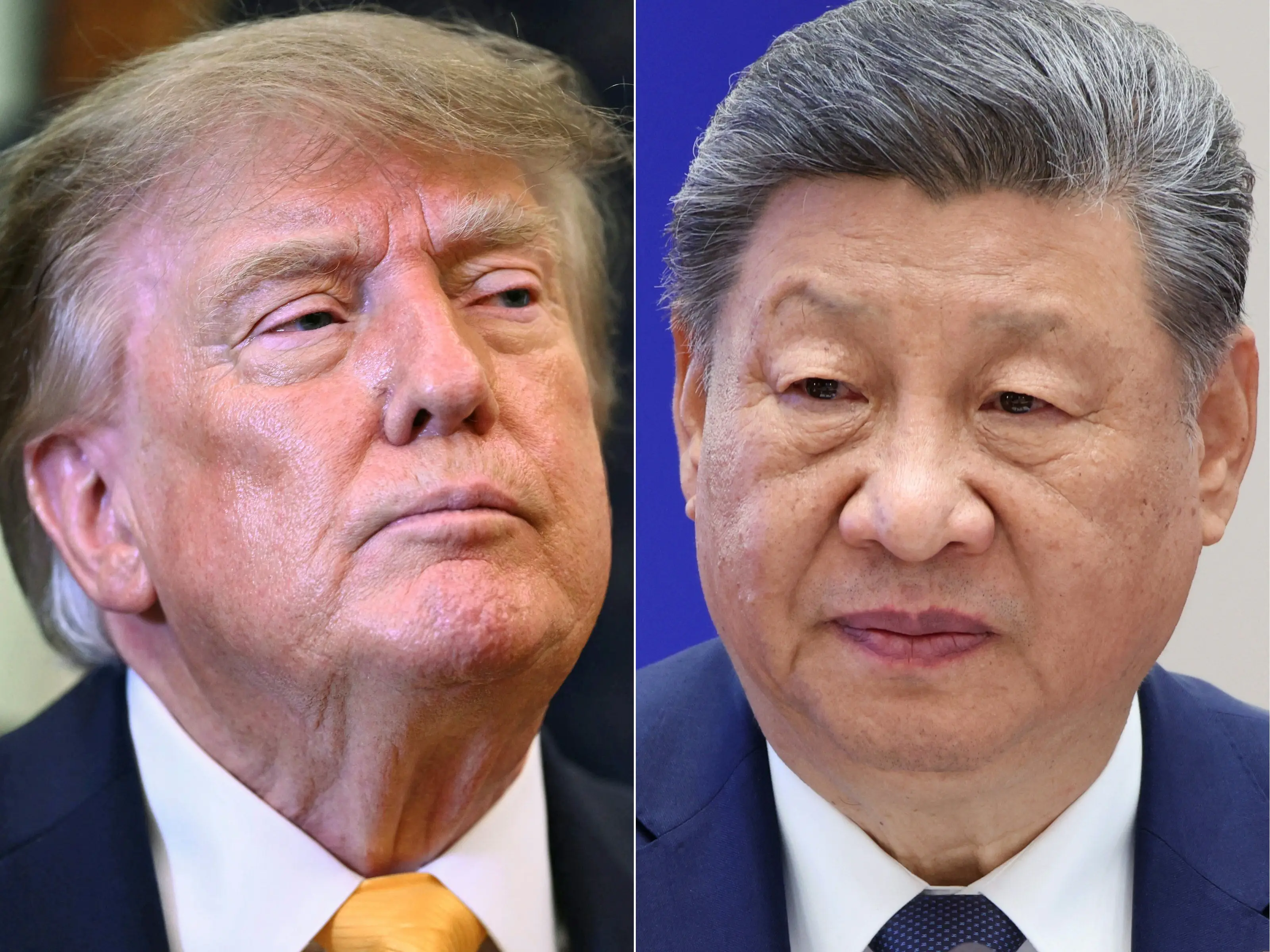)
Xi-Trump meeting: China’s human rights red line and past protests explained
)
American manufacturing is reshoring faster than its factory floors can absorb
)
Hours before Xi-Trump meeting, US announces visa curbs targeting birth tourism: What is it?
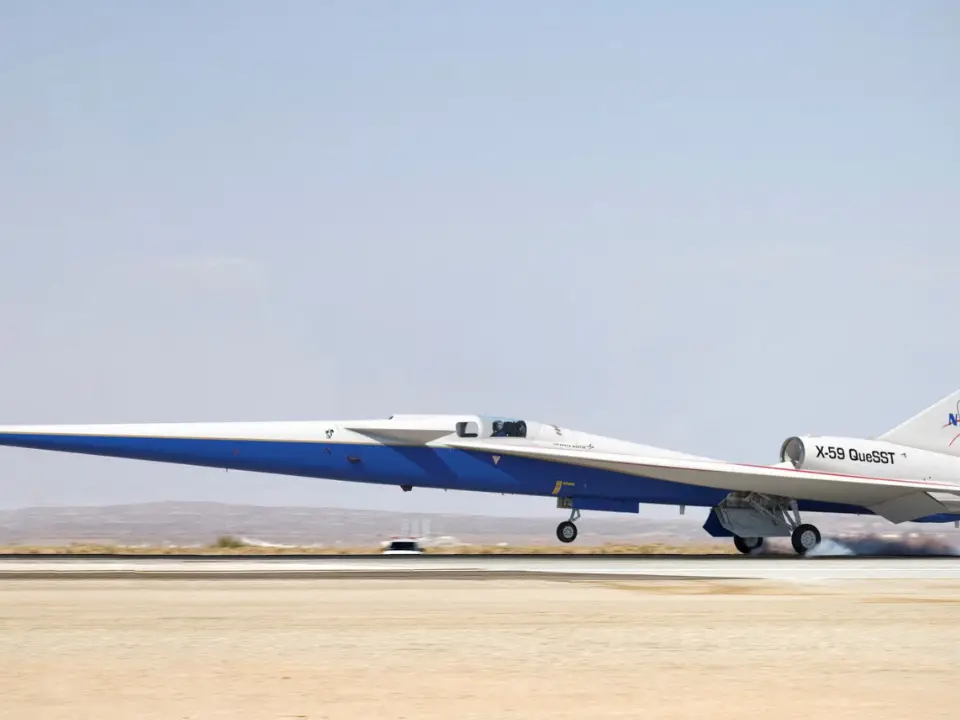)
China to test supersonic jet that moves at Mach 2, double the speed of sound
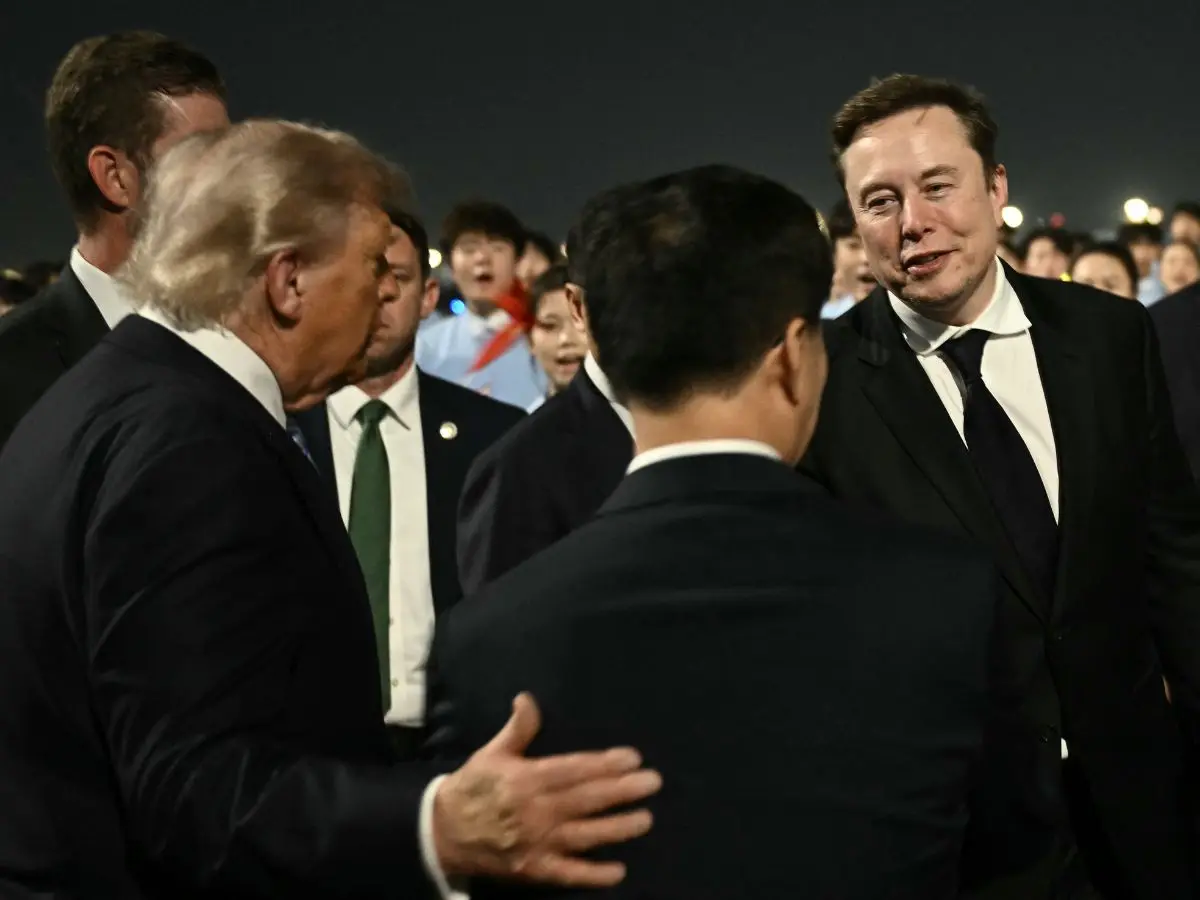)
Trump-Xi state dinner 2026: Who is invited? Full guest list of tech CEOs, business leaders and officials
)
'AI got into my speech': Prince Harry jokes after teleprompter failure at event in New York
)
TMC revives impeachment push against CEC Gyanesh Kumar after report of internal dissent
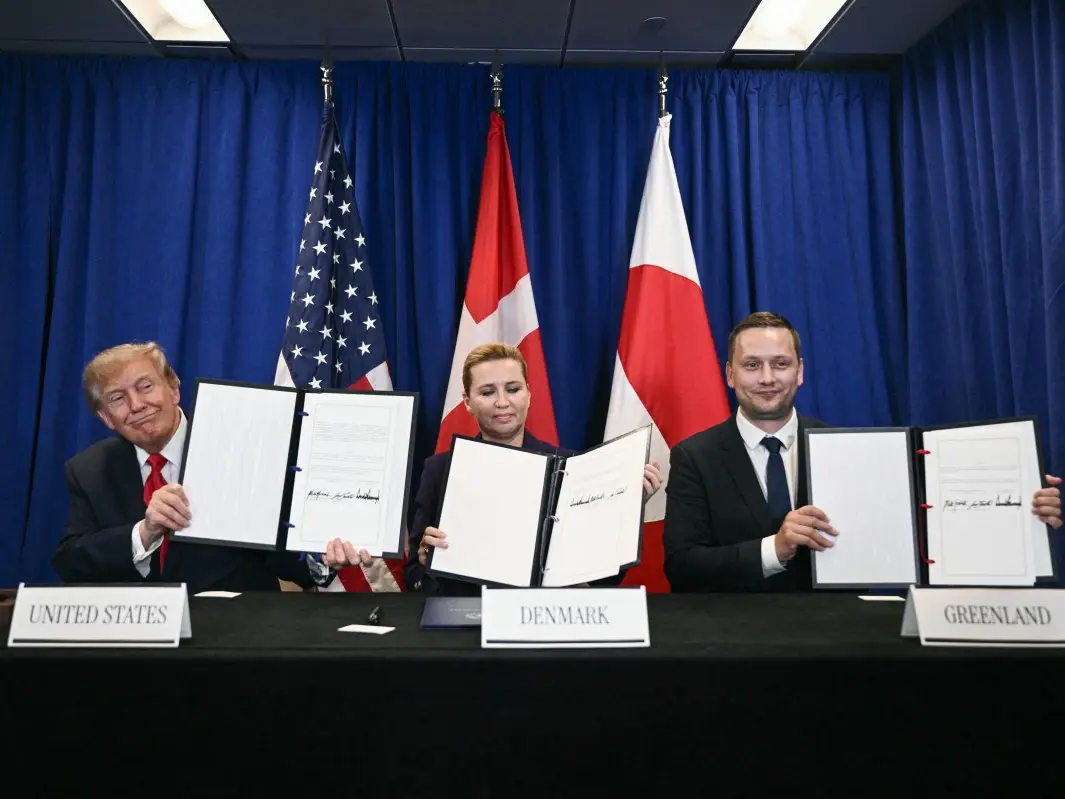)
Trump signs Greenland security deal with Denmark, paving way for two new US military bases
)
Trump-Xi Summit: Trade, Taiwan and the red lines shaping US-China talks | Race To Power
)
WION Iconic Tourism Summit: Is India's travel boom outrunning its airports, airlines and hotels?
&im=FitAndFill=(700,400))
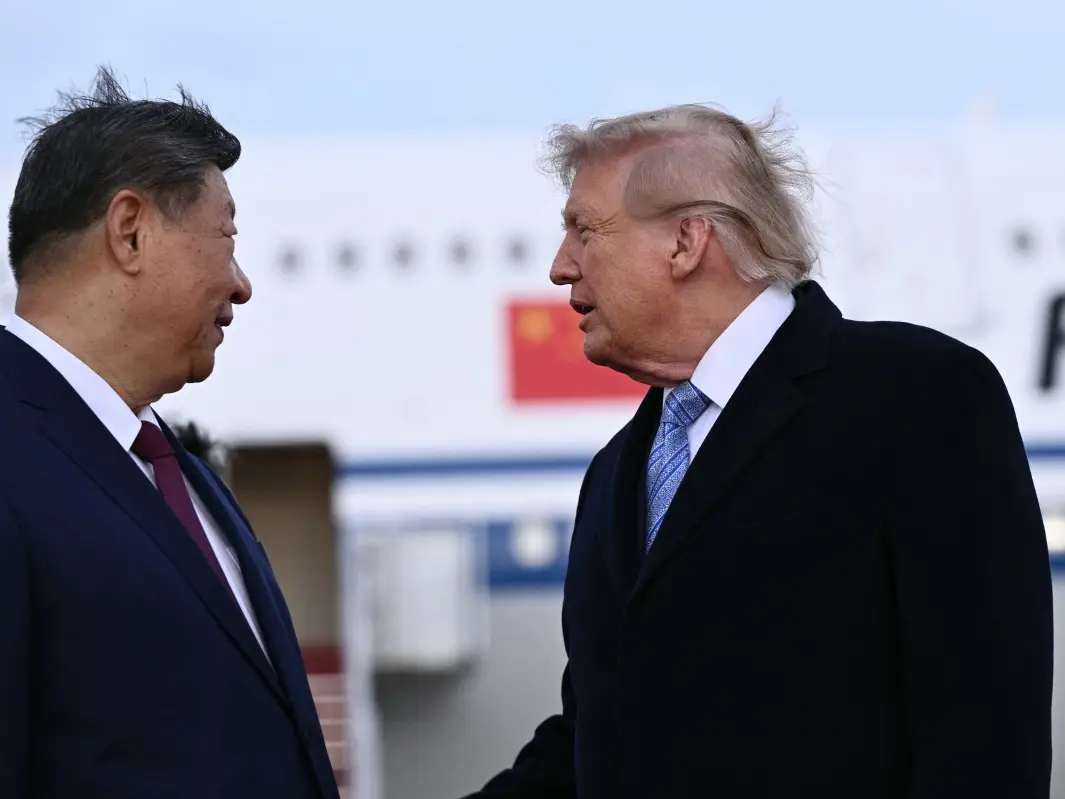
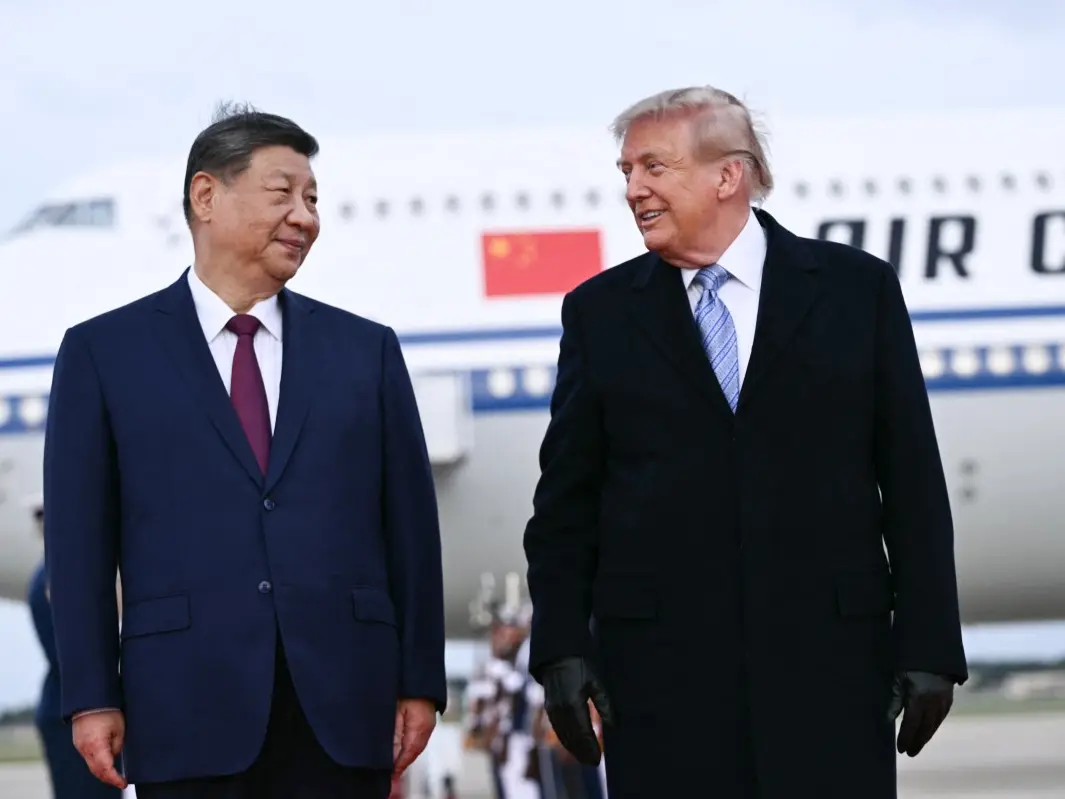
Trump welcomes Xi Jinping in rare airport gesture: Photos from Chinese President's arrival in US
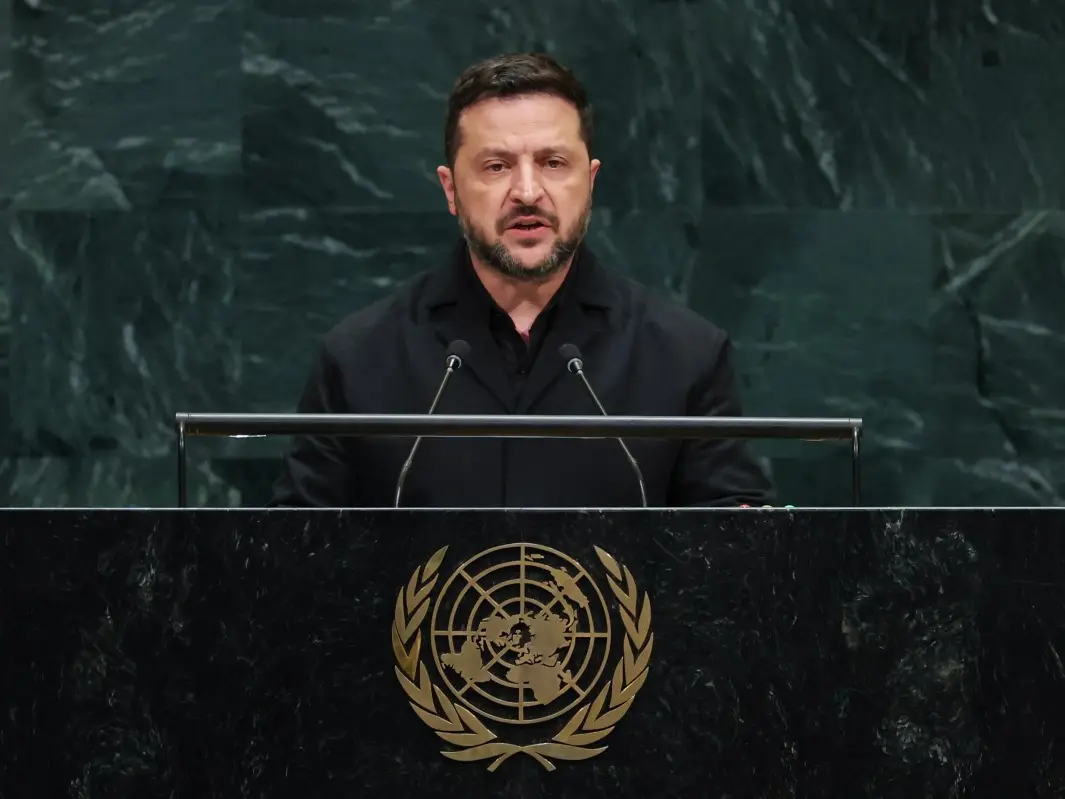)
'Putin is patient zero': Zelensky slams Russian president at UNGA, accuses him of using fighters from 47 countries
)
WION Iconic Tourism Summit 2026: Union Minister Shekhawat on 'experiential travel', peace diplomacy
)
IIT Bombay CCTV footage emerges: Sahil Wakode seen looking at phone in examination hall
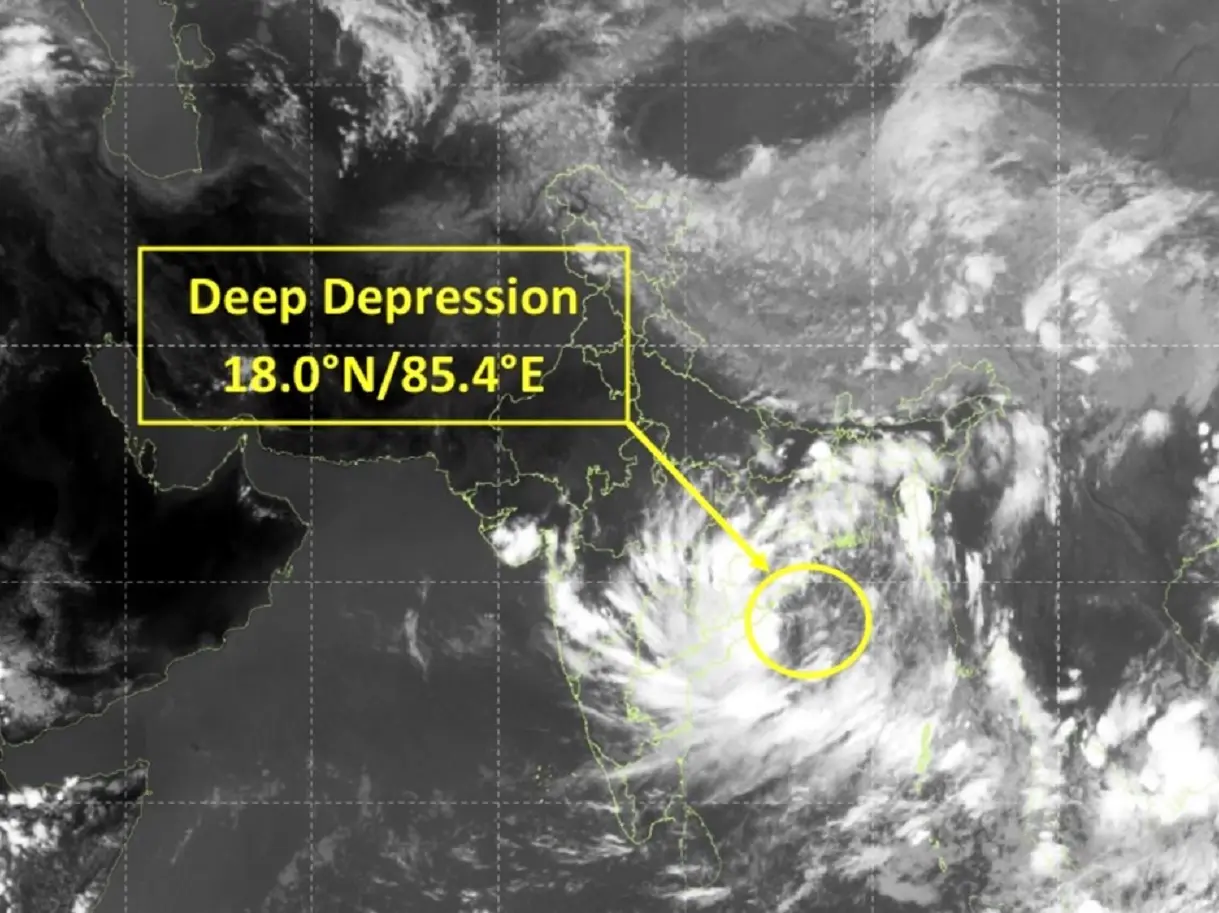)
Cyclone Arnab: Landfall expected before midnight tomorrow as IMD issues orange alerts across six states
&im=FitAndFill=(700,400))
National Film Awards 2026: Kartik Aaryan, Mammootty, Yami Gautam, Randeep Hooda and other key winners
)
Pilot recreates Mona Lisa in sky over Oklahoma and Arkansas in four-hour flight: VIDEO
)
Afghan woman cyclist who disguised herself as a boy to escape Taliban, wins Asian Games medal
)
WION Iconic Tourism Summit: Seychelles envoy says India partnership is important for Seychelles
)
Anne Hathaway to run in supporting race for Nolan's epic
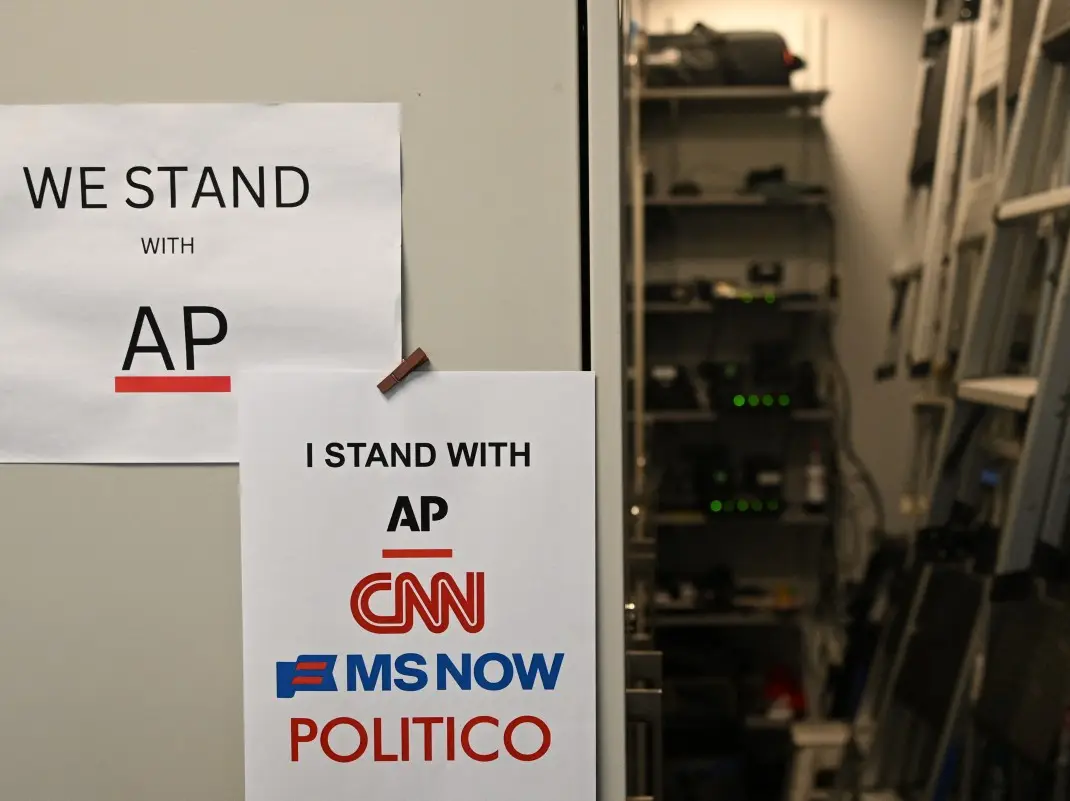)
US judge questions Trump’s decision to ban CNN, MS NOW and Politico from White House
)
WION Iconic Tourism Summit: 'Hanuman Ansh' Director on blockbuster success
)
Scientists detect first radio signals directly from faraway planet
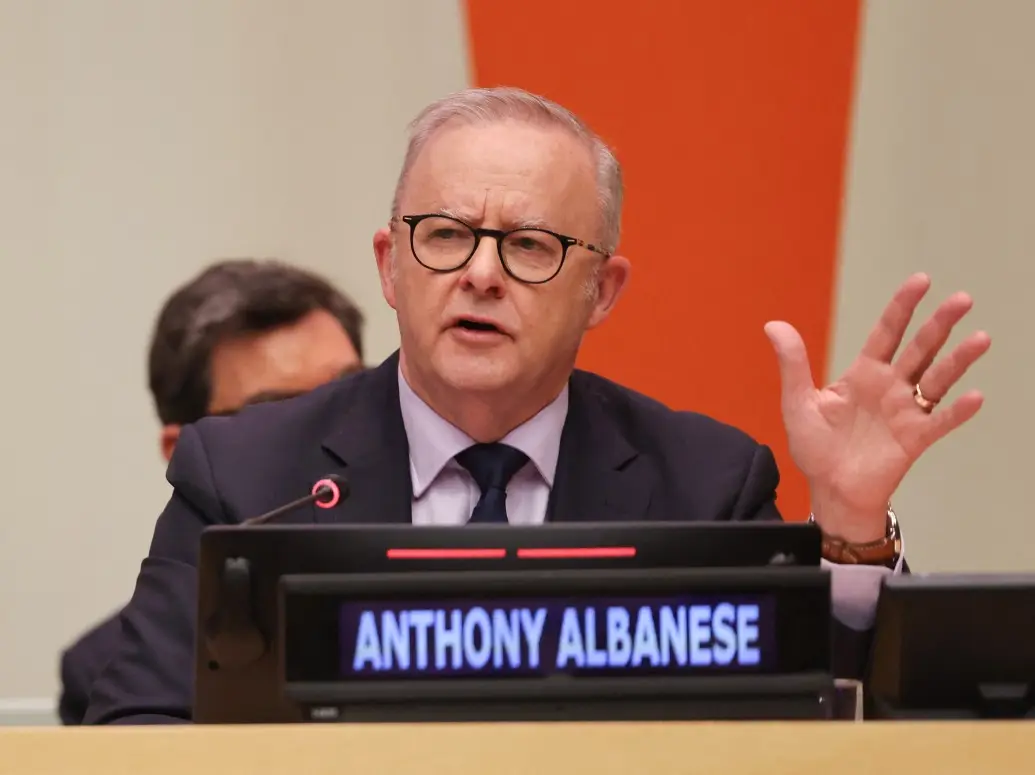)
Australian PM Anthony Albanese calls OpenAI AI incident 'unacceptable' after restricted data access
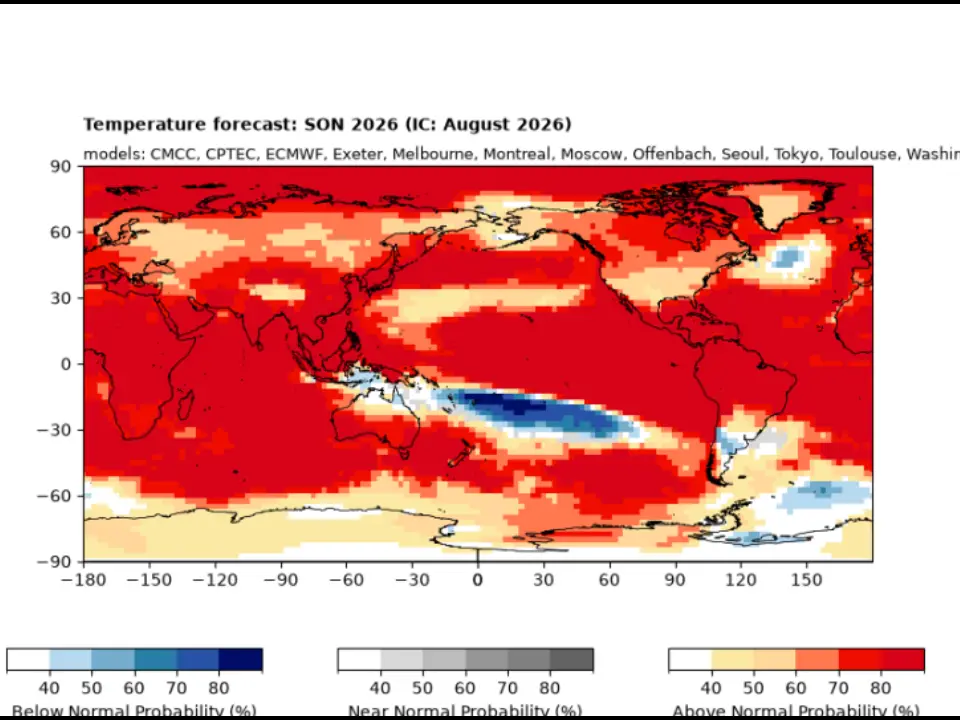)
El Niño 2026 heats up to become strongest in 1,000 years
)
'What kind of confession is this?': Pakistan PM Shehbaz Sharif’s 'terrorists would be roaming New York' remark goes viral, raises alarm online. Watch
)
NBA player Steven Adams shares hilarious GTA VI theory
)
Israeli envoy to US Yechiel Leiter’s son critically injured in West Bank ramming attack
)
ICC plans T20I expansion and fewer ODIs in 2027–2031 FTP cycle: Report
)
WION Iconic Tourism Summit and Awards 2026: Key voices to discuss India’s tourism future
Trouble started when prices of crude oil started soaring steeply during mid of past decade (it even touched US $130-140 a barrel mark in 2008-09). At that point of time, had the Centre allowed market forces to decide the rate of petrol and diesel in sync with rising crude price, the whole economy and life of common citizen would have gone haywire and thus GOI again started controlling prices of petrol/diesel through PSUs. Private players could not take the brunt as in no case they were in the position to sell the products on par with PSUs, so they took a backseat.
Due to price cap by GOI, the PSUs suffered huge losses (under-recoveries) which were partially compensated by GOI and upstream oil companies (ONGC), but it was not at all adequate to cover the losses. Downstream oil companies started reeling.
Here let's look at few figures before we move forward. During 2016, India consumed around 210 MMT (million metric tonnes) of crude oil against a production of a meagre 40 MMT. Thus, around 81 per cent of the required petrol product had to be imported. Therefore, it is clear that in case of rising crude price, the inflated crude cost will go out of Indian economy for 80 per cent of the crude consumed. The worrisome fact is that demand is increasing manifold than the production. In 2006, consumption was just 121 MMT against the production of 35 MMT. As clear over past one-decade consumption has gone up with a growth rate of 4.9 per cent whereas same for production has been just 1.9 per cent. Since the economy is thriving and no major new oil discovery on the cards, this trend would definitely continue for the time to follow.
Selling products at forced lower prices was like postponing problems, which certainly is not the solution. Now when crude prices started plummeting again in 2014, it was a huge blessing for the country like India where petroleum is a scarce commodity. Once the crude price came down to a reasonable level, the GOI (NDA govt.) gave PSUs free hand to fix the price of diesel & petrol. The prices are now adjusted on daily basis.
In fact, when prices nosedived after NDA came in power, GOI took this opportunity to raise taxes to mint some extra money out of it. Nothing wrong with it per se. It was the GOI only who was sharing the most of the burden of under-recoveries when the crude price was high. Moreover, GOI is under pressure to maintain the fiscal deficit within limits.
Critics put up a simple mathematics. Crude price three years ago was double of what it is today then we should be paying half price for petrol and diesel today. But for sure it must be clear by now that it is just not possible.
GOI and PSUs are still sharing the burden of under-recoveries on kerosene and LPG and therefore it is only fair that at least all other products should be sold at on par pricing. The only thing here is that the government, for the time being, should mull over to reduce taxation on these products but there is not much scope of that either.
Let's pay a fair price for products you are buying. As a responsible citizen, our endeavour should be to make sure that we become little miser when it comes to consumption of petroleum products. Cribbing on prices is useless and completely misleading.
(Disclaimer: The opinions expressed above are the personal views of the authors and do not reflect the views of ZMCL)