Volkswagen's audit of Xinjiang plant fails to meet international standard, report


The revelations about the audit's shortcomings stirred mixed reactions.
An independent audit commissioned by Volkswagen to assess labour conditions at its joint venture facility in Xinjiang, China, has come under scrutiny for failing to adhere to key aspects of the international standard the company claimed to have followed, according to a recent report by the Financial Times.
The audit, conducted in 2023, was intended to address concerns raised by investors regarding potential forced labour practices at the site, which is co-owned by SAIC in a region where human rights organisations have documented widespread abuses, including mass detention and forced labour. The Chinese government has consistently denied these allegations.
Upon obtaining the full audit report, the Financial Times uncovered several discrepancies between the actual process and the standards Volkswagen had publicly committed to upholding. One of the most significant issues was the manner in which worker interviews were conducted. Contrary to the requirement for confidentiality, these interviews were reportedly live-streamed to a law firm's headquarters in Shenzhen, potentially compromising the workers' ability to speak freely without fear of repercussions.

The audit's methodology appeared to be flawed in its approach to investigating forced labour concerns. The report indicates that only managerial staff were questioned about issues related to forced labour, raising doubts about the comprehensiveness and accuracy of the findings.
Volkswagen had previously stated that the audit was conducted in accordance with the SA8000 standard, a widely recognised benchmark for assessing workplace conditions across eight key areas, including child labour, forced labour, and health and safety.
According to the Financial Times, when asked for a comment the company clarified that the SA8000 standard was used only as a "basis" for the audit, rather than being fully implemented.
)
No Pandya as Auqib Nabi earns maiden ODI call-up; Mayank returns for WI T20Is| check full squads
)
Trump praises India’s Opium crackdown, hails anti-drug efforts
)
Sydney Sweeney defends provocative ad choice, the internet is still not impressed
)
Trump calls Canada-EU associate membership plan ‘laughable’ and threatens 'very serious tariffs'
)
Protests erupt over migrant housing plan in Piddington
)
Shahzad Bhatti Network declared terrorist organisation under UAPA: Govt order
)
US, China dominate global economy: Where does India rank among the world's biggest economies?
)
Europe wants a common playbook for security threats, seeks security beyond NATO
)
Bigg Boss 20: Mahhi Vij reveals she lost Yuva role to Kareena Kapoor; 'didn’t work out in my favour'
)
All Indian goods to get duty-free access to New Zealand
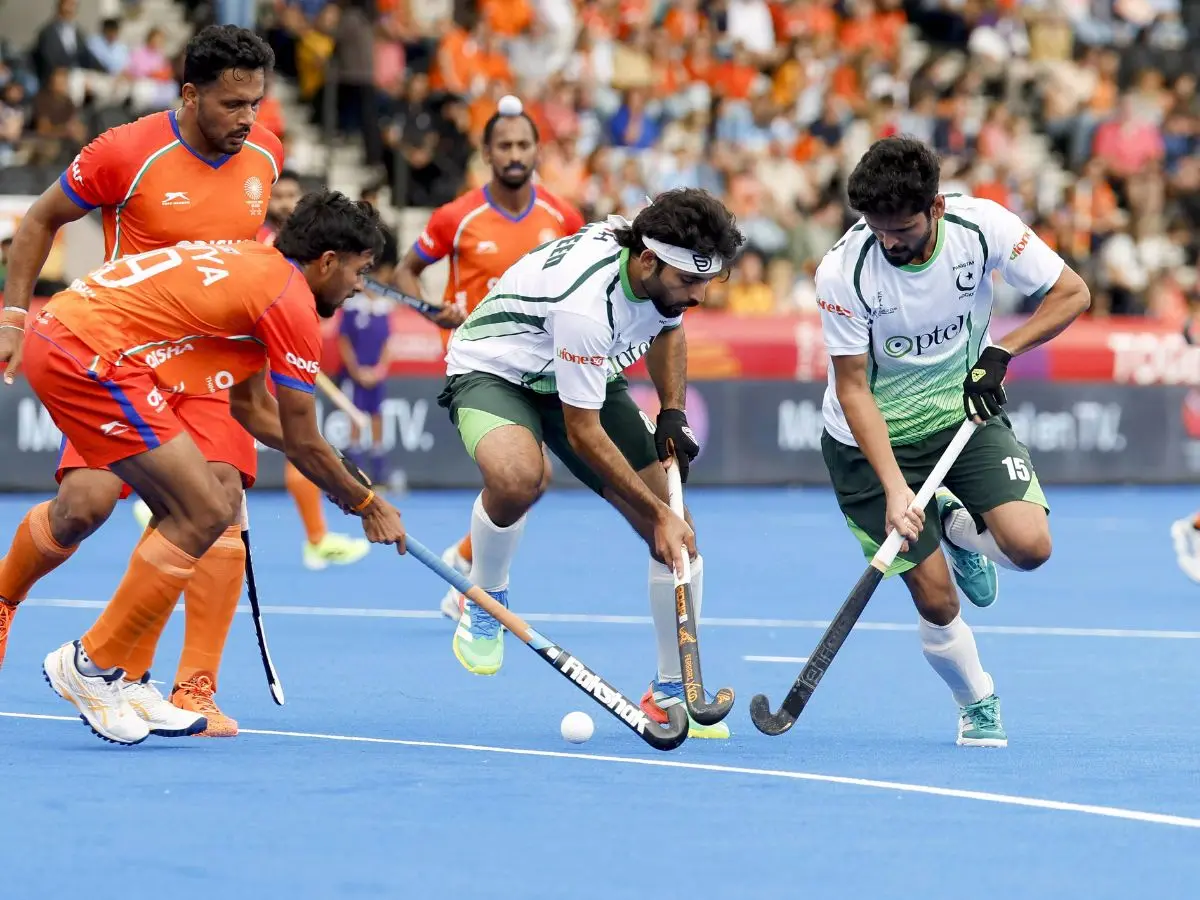)
Hockey: Pakistan urges AHF to move Asian Champions Trophy out of India over security concerns
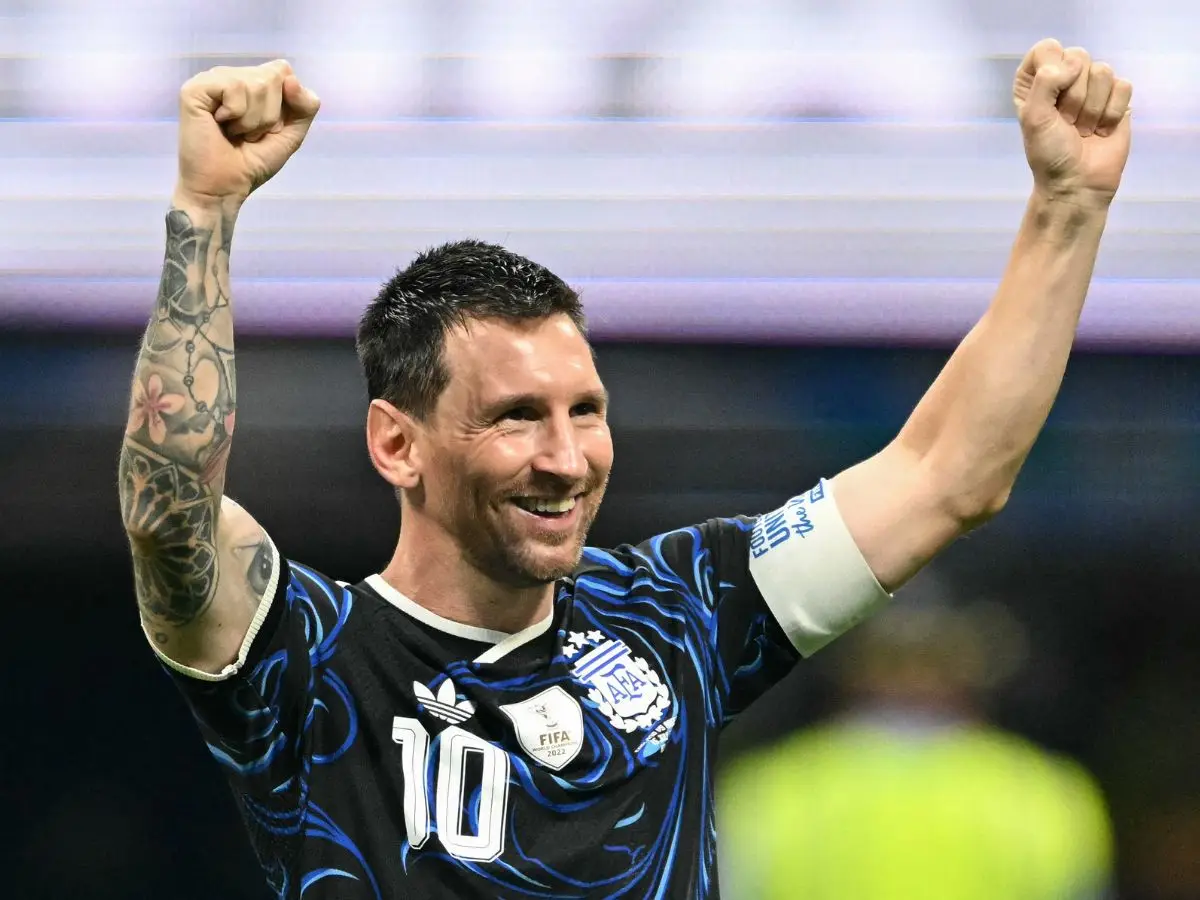)
Lionel Messi for 2026 Ballon d’Or over Mbappe and Yamal, says Diego Simeone
)
Alex Saab, ally of Venezuela's Maduro, pleads guilty in US corruption case
)
Veteran actor Anant Nag honoured with Indian cinema’s highest award
)
Two terrorists killed in Udhampur encounter; security operation continues
)
AUS vs SA: Steve Smith still gets 'little flashbacks' from sandpaper gate
)
Pakistan naval vessel returns to harbour with 'severe damage' after collision with Indian warship in Arabian Sea
)
Fed raises rates for first time in 3 years, Kevin Warsh defies Trump as inflation mounts
)
Katrina Kaif’s postpartum weight is not the problem; your gaze is
)
Taiwan seeks deeper India ties as direct flights restart soon and chip projects advance
)
Daayra movie review: Kareena Kapoor, Prithviraj Sukumaran shine in Meghna Gulzar’s cop-versus-cop crime thriller
)
Saudi Vs Houthis: Yemeni military rebels clash with Houthis
)
US trade tariff: 100% tariff targets Russian buyers amid trade tensions
)
Pakistan: Imran Khan's sons Kasim & Sulaiman claim their father is 'tortured' in jail
&im=FitAndFill=(700,400))
New OTT releases this week (September 14-20, 2026): Lust Stories 3, Waiting Hai, Irumudi- 5 new titles coming on Netflix, Prime Video and more
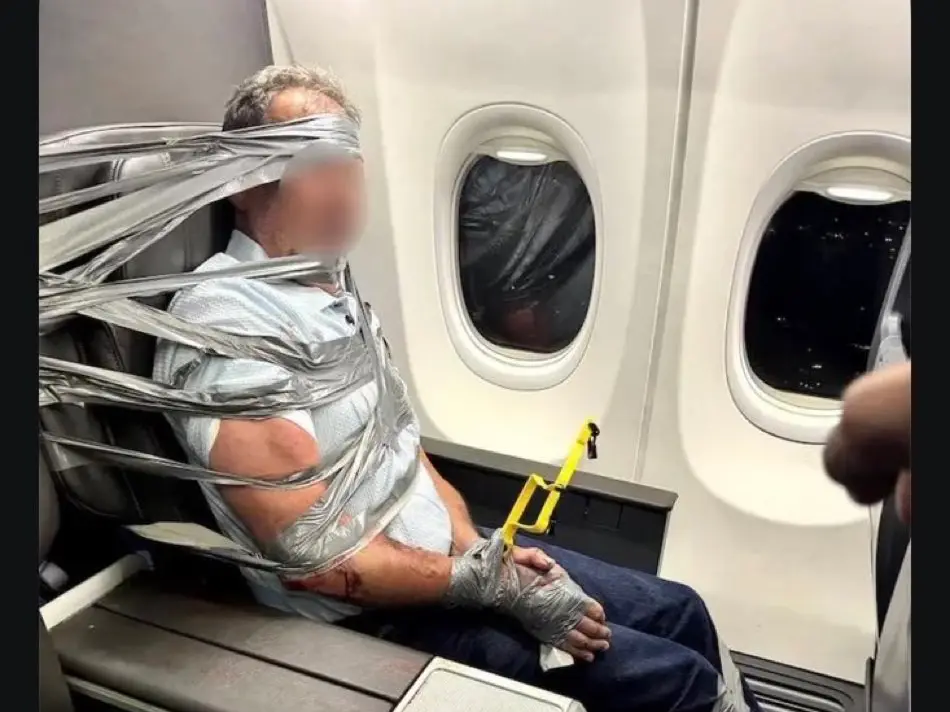)
Strapped to flight seat with duct tape: Passenger claims no memory of mid-air outburst
)
Trump's Iran war faces fresh House rebuke; 7 Republicans join Democrats in push to end conflict ahead of midterms
)
Trump gets new power to hit India, China with up to 100% tariffs as US Senate clears Russia sanctions bill
)
Prime Minister Narendra Modi's birthday: Tributes pour in from President Murmu and leaders
)
US Treasury rallies global financial institutions for Op Economic Outcast to isolate Iran
)
Saudi vs Houthis: Riyadh claims to have shot Houthi drone targeting Mecca
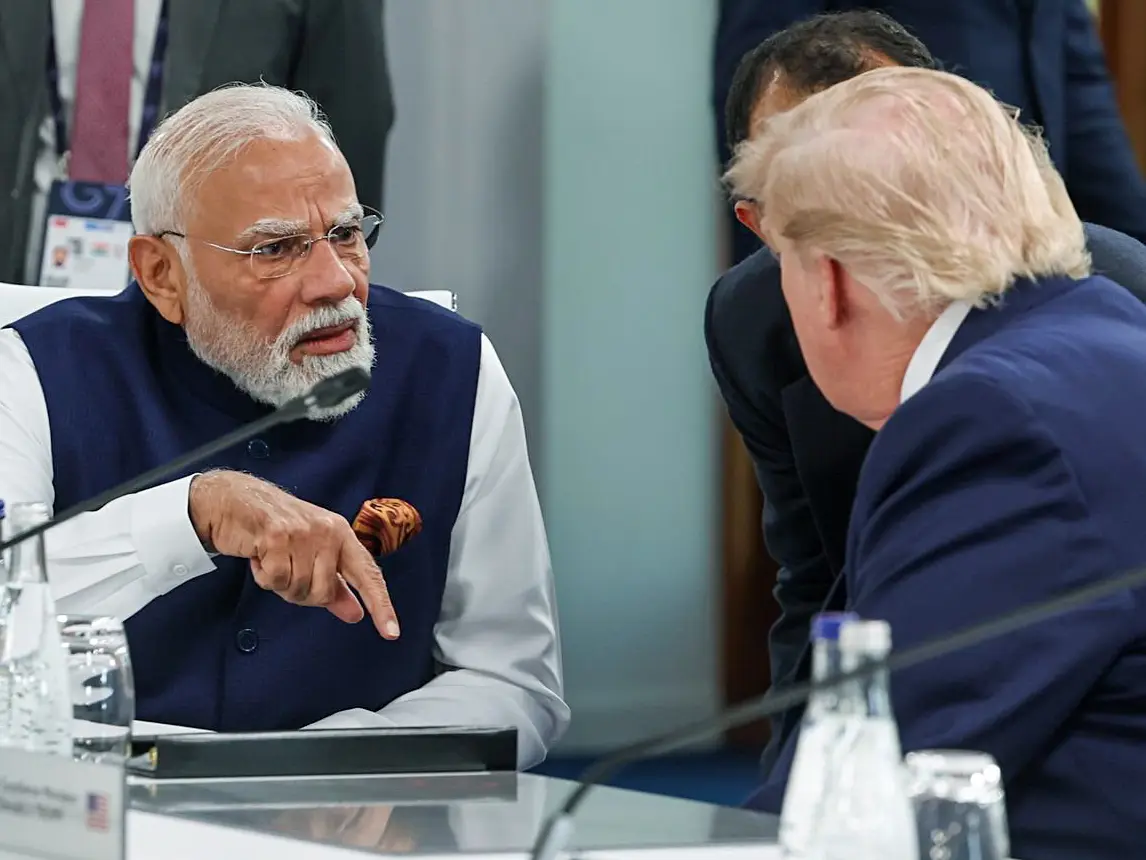)
India breaks silence on US Russia sanctions bill, 100% tariff threat: ‘Committed to energy security’ for 1.4 billion
)
Pakistan boycotts chess match against Israel at Olympiad
&im=FitAndFill=(700,400))
Suriya and Jyothika say ‘I do’ again after 20 years! See their dreamy wedding pics
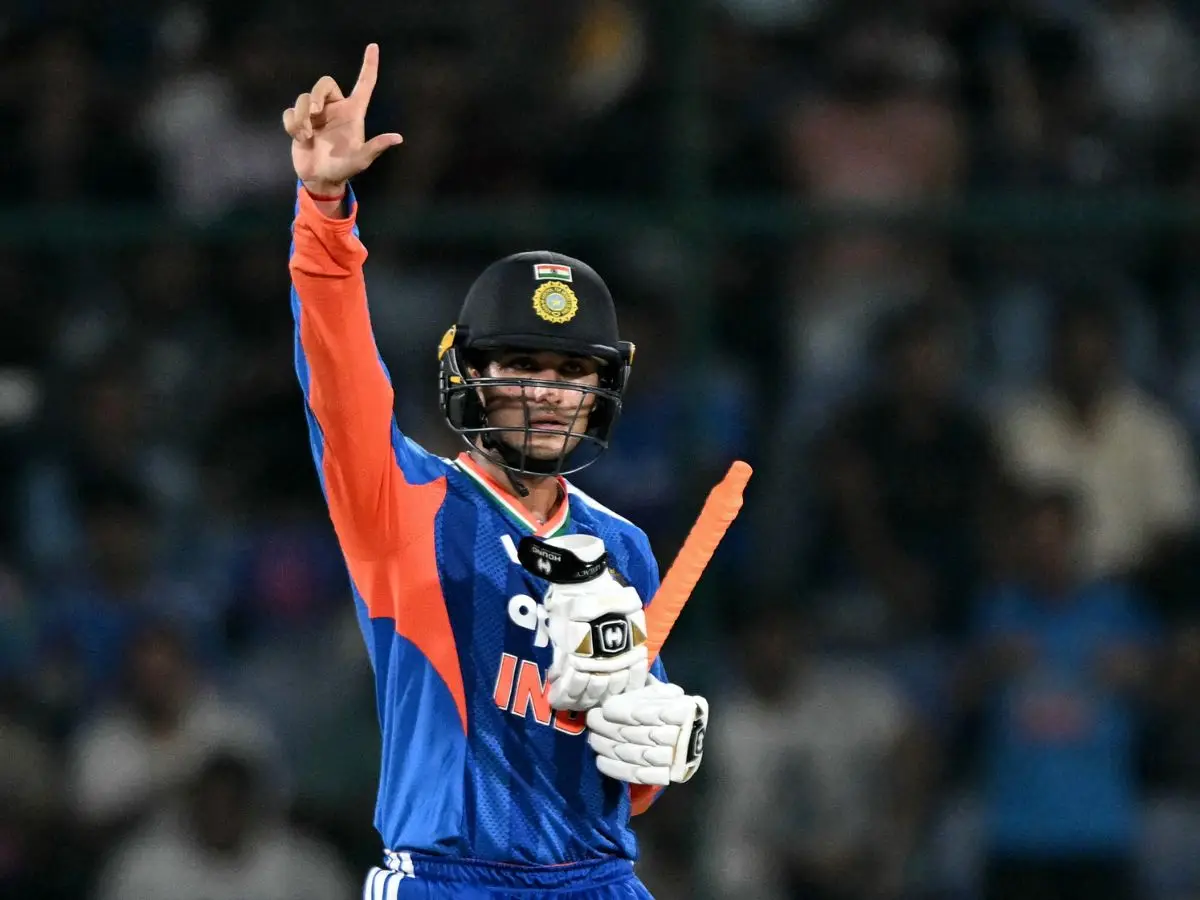)
Abhishek Sharma rises to No. 2 in T20Is; ENG’s Robinson 3rd after record Pakistan Tests
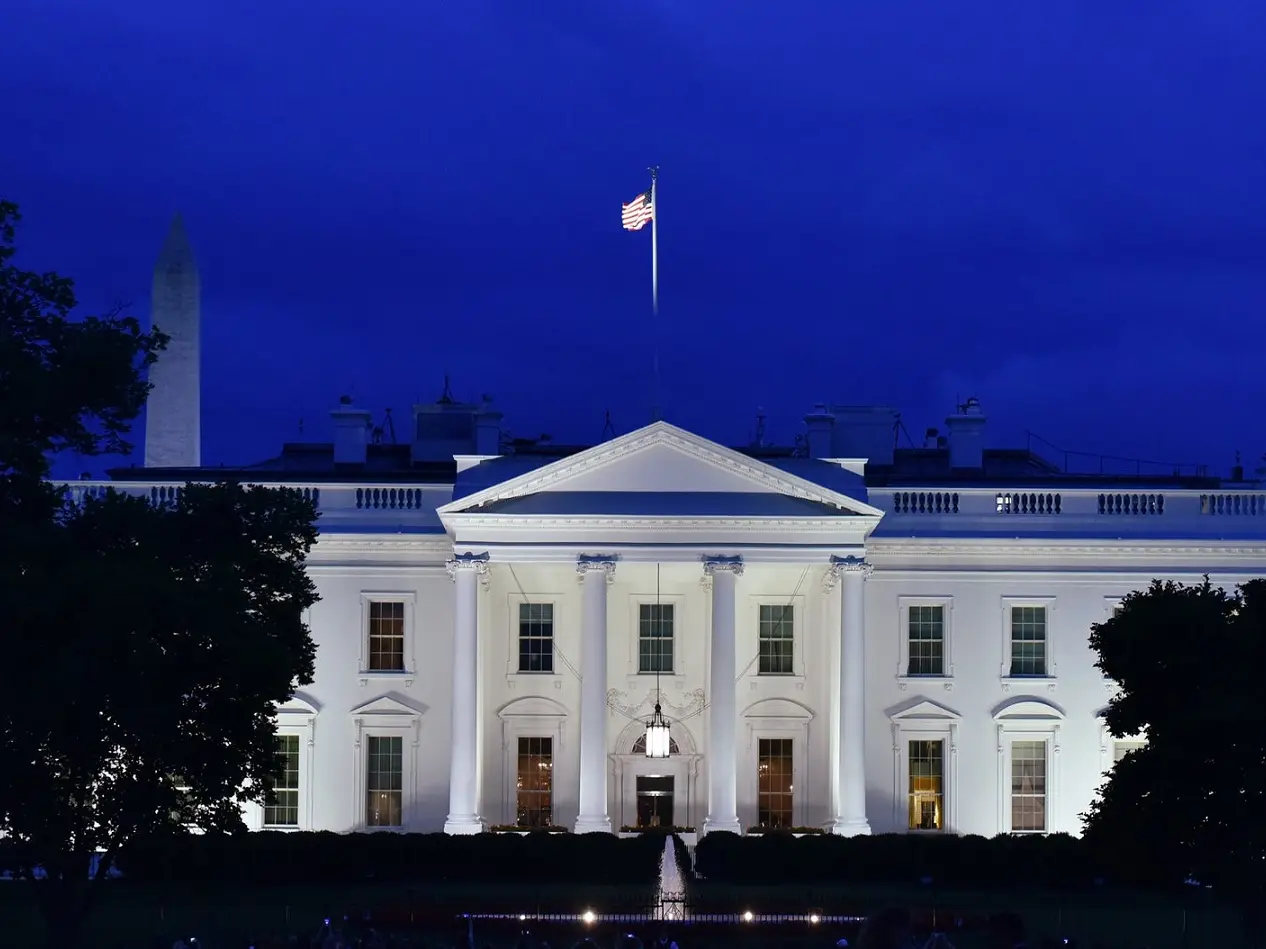)
BRICS success stuns White House, Trump targets India with 100% tariff | Gravitas
)
Meghan Markle's phone number leaked from children's WhatsApp group, couple switches Archie and Lilibet's school
)
The Early Spring season 2 is happening, but fans have one request - 'don't change the actors'
Adding to the concerns surrounding the audit's credibility, the Financial Times discovered that neither Loening Human Rights & Responsible Business GmbH, the German firm hired by Volkswagen to conduct the audit, nor Liangma, the Chinese law firm involved in the process, were accredited to perform SA8000 audits according to Social Accountability International, which is the body responsible for setting these standards.
When the summary of the audit report was released in late 2023, it concluded that there were no signs of forced labour at the Xinjiang facility. However, the auditors acknowledged the well-known challenges associated with data collection in China, particularly in the context of worker interviews.
The revelations about the audit's shortcomings have prompted mixed reactions. Several senior staff members at Loening have reportedly distanced themselves from the audit, while some of Volkswagen's investors have responded cautiously to the results, urging the automaker to conduct further investigations into the plant's operations.
In response to these findings, Volkswagen has maintained that despite not receiving an official SA8000 certification, they implemented "alternative ethical guidelines and management reviews" to ensure adherence to appropriate standards. However, the discrepancies highlighted by the Financial Times report raise significant questions about the thoroughness and reliability of the audit process.
The full audit report has also been obtained by other media outlets, including Germany's Der Spiegel and ZDF, suggesting that this issue may continue to attract attention and scrutiny in the coming weeks. As the situation unfolds, it remains to be seen how Volkswagen will address these concerns and what steps, if any, the company will take to conduct a more comprehensive and transparent assessment of its operations in Xinjiang.