Used EV prices plummet below gas cars amid changing consumer preferences

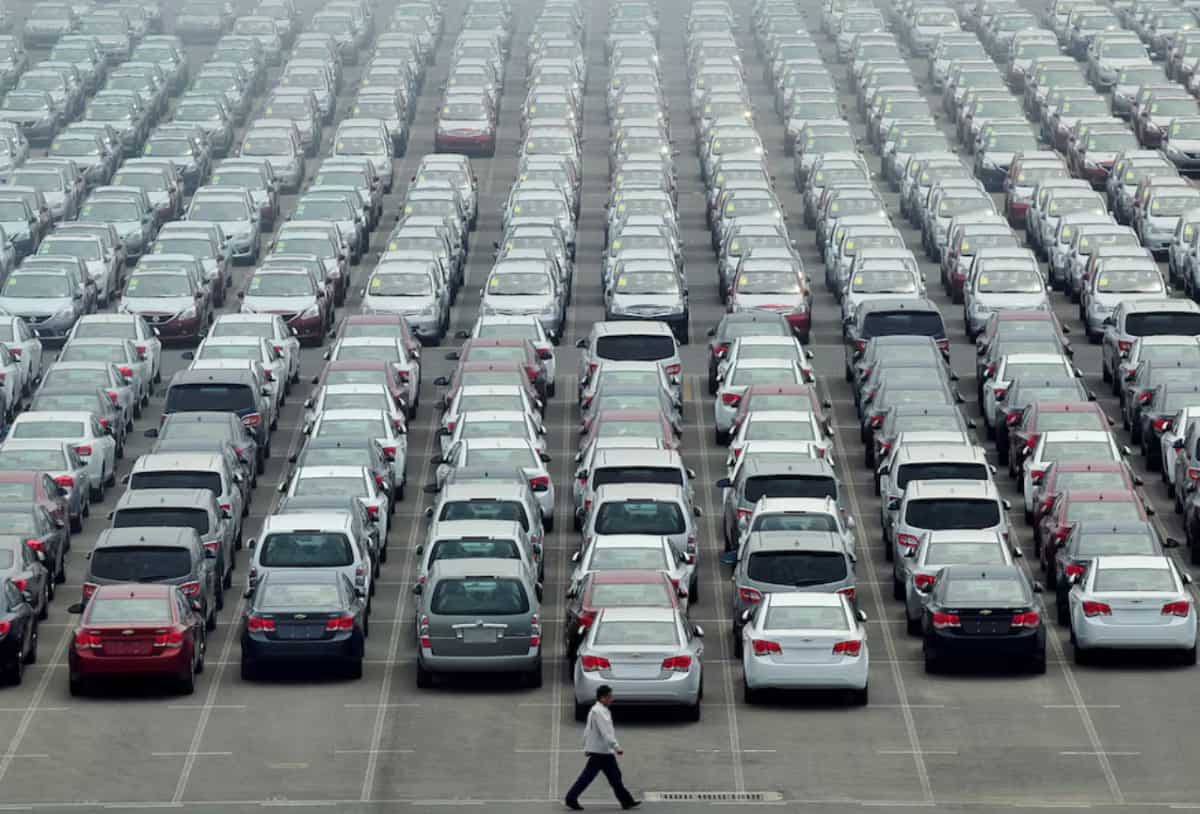
In June 2023, used EV prices were 25% higher than those of used gasoline cars.
The used electric vehicle (EV) market is undergoing a significant transformation as prices dip below those of their gasoline-powered counterparts. This shift, first observed in February, continues to deepen, reflecting changing consumer attitudes towards EVs.
In June 2023, used EV prices were 25% higher than those of used gasoline cars. By May this year, they were 8% lower, according to an analysis by iSeeCars. This analysis of 2.2 million one- to five-year-old used cars revealed that while gasoline vehicle prices dropped by 3-7% over the past year, EV prices plummeted by 30-39%.
"It's clear that used car shoppers will no longer pay a premium for electric vehicles," said Karl Brauer, executive analyst at iSeeCars. He noted that electric power has become a detractor in the consumer's mind, making EVs less desirable and therefore less valuable than traditional cars.

Consumer perception shifts
The significant price drop highlights a shift in consumer perception. More people are selling their used EVs, partially because the market is larger than ever before. In 2022, 176,918 used EVs were sold in the U.S., with over 45,000 sold in May alone. The increased availability of used EVs at lower prices is making them accessible to a broader market of potential first-time EV owners.
)
Mushtaq Khan dies at 56: When Welcome actor opened up about his salary for iconic role Ballu
)
US Supreme Court backs Trump administration's use of SAVE database to check voter citizenship
)
Heart of the Beast review: Brad Pitt leads a gripping tale of survival and loyalty
)
Outrage erupts after 3-year-old is married to 60-year-old man in Pakistan, link to her sister's murder being probed
)
Pakistan deploys over 20,000 security personnel as PTI vows march for Imran Khan's release
)
Asian Games: Shooting spree continues as India win silver in women’s 50m rifle 3P team event
)
‘Not just a local tragedy’: Nepal PM Shah warns UN of growing climate threat, says Nepal floods were 'a warning to the world'
)
OpenAI AI Agents hacked 4 websites before Hugging Face, researchers reveal
)
Pentagon quietly adds 37 wounded troops to Iran war tally without explaining when or how
)
Asian Games 2026: India women’s kabaddi team edge Iran 37-34 to clinch 3rd gold medal
)
Saudi Arabia still harbours intent to develop nuclear weapons, reveals US intelligence: Report
&im=FitAndFill=(700,400))
New Friday OTT releases (September 25, 2026): Don’t Be Shy, Hunkkaar: The Roar, Mango Pachcha- 6 movies and TV shows on Netflix, Prime Video and more
)
Yemen's war escalates: Saudi-backed leader calls for general mobilisation against the Houthis
)
‘Attack on Mecca a red line for Pakistan’: Shehbaz Sharif warns Houthis at UN
)
Tesla is preparing something big for Optimus: new Gen 3 models surface in app
)
Bias or safety concerns? Bengaluru CEO says firm will not hire men from UP, Bihar, Rajasthan, MP. Here's why
)
Did Hitler kill his niece Geli Raubal? Newly found records reopen a 95-year-old mystery
)
Indian diplomat Petal Gahlot raises deteriorating situation in Pakistan-occupied Kashmir in right of reply at UN
)
Nigeria Navy moves to boost oil security, tackle crude theft and infrastructure threats
)
Scientists detect first radio signals directly from faraway planet
)
‘It is all possible’: Putin weighs next steps on Ukraine talks, rules out Europe conflict
)
10,000 gather in support of 87-year-old forcefully evicted from home of 71 years
)
Trump rejects Iran's 7-day ceasefire proposal as US weighs renewed bombing after midterms: Report
)
Red Sea crisis: Houthis promise not to target European ships; UNSC condemns Saudi attacks
)
Gaza's war turned environmental damage into second crisis
)
Saudi oil exports surge despite Iran war
)
Trump-Xi summit wrap: Big pageantry, Iran talks, few major developments and more meetings planned
)
'Making history': Xi Jinping praises Trump as US-China leaders dine at White House
)
India's UN Envoy slams Pakistan: 'They claim security by day, terrorism by night'
)
Jay-Z rape case: Accuser says allegations were false, never met rapper
)
Myanmar training camp case: US national, 6 Ukrainians allowed to meet their families abroad
)
'FIRST LOOK from inside Noah’s Ark': Researchers share video from inside mysterious mound in Turkey
)
Cindy Crawford’s son Presley Gerber cremated as death probe continues
)
WATCH | As Shehbaz Sharif claims Pakistan’s ‘victory’ during 2025 conflict, Indian diplomat R Srinivas laughs at UN
)
‘Goal is to win it’: Virat Kohli confirms 2027 ODI World Cup will be his final tournament for India
)
'A terrorist country is asking me that question?': Jaishankar hits back at Pakistani journalist at UN; flags attacks on commercial shipping
)
US court backs Pentagon's decision to exclude Anthropic over Claude AI restrictions
Battery technology and depreciation concerns
Battery technology improvements have increased the range of new EV models, but concerns about battery degradation over time persist. Since 30-50% of an EV's value lies in its battery, this is a significant factor in the depreciation of used EVs. Despite this, EVs have lower overall ownership costs due to reduced fuel and maintenance expenses. Additionally, owners of used EVs can qualify for federal tax credits.
Tesla's price war impact
Tesla CEO Elon Musk's decision to cut prices has significantly impacted the market. In 2023, as demand slumped, Tesla slashed prices of its Model X, Y, and S vehicles. This move initiated an industry-wide price war, causing a ripple effect that led to declining prices for used EVs across the board. Scott Case, CEO of Recurrent, noted that the falling prices of used Teslas corresponded with new Tesla price drops, subsequently affecting prices of competing used EVs.
Hertz's EV strategy shift
In January, Hertz adjusted its aggressive EV strategy, selling off 20,000 EVs at its Hertz Car Sales locations. This amounted to one-third of its EV fleet, with used Teslas sold at a "no haggle" average price of $25,000 nationwide. This flood of used EVs into the market further contributed to declining prices.
Auto companies' strategic shifts
Declining demand and insufficient infrastructure have led many automakers to scale back aggressive EV rollouts. General Motors (GM) recently reduced its EV sales and production targets from 200,000-300,000 to 200,000-250,000. EVs accounted for less than 3% of GM's Q1 sales. Ford has also faced losses from its Model E electric vehicle rollout, despite a rise in combined hybrid and EV sales. Ford has rescinded a program requiring dealers to invest heavily in EV infrastructure to sell electric vehicles.
Infrastructure challenges and growth
Charging infrastructure remains in its early stages, posing an accessibility challenge for many Americans. According to the Department of Energy, there are over 64,000 publicly accessible EV charging stations in the U.S., with a total of 176,000 charging ports. While charging infrastructure has grown by 29% since the Inflation Reduction Act of 2022, which included tax incentives to adopt EVs, the U.S. still has roughly 145,000 gas stations.
A Pew Research analysis found that about six in 10 Americans live within two miles of a public charger, yet only 7% of these individuals would consider buying an EV. Most EV charging still occurs at home, and there are rural EV "deserts."
Consumer interest trends
A Gallup poll in April found a 3% annual increase in EV ownership but an equal percentage decline in serious interest in buying an EV, dropping from 12% to 9%. Overall, 35% of Americans said they might consider buying an EV in the future, down from 43% last year.
The decline in used EV prices reflects a complex interplay of consumer perception, technological advancements, and strategic shifts by automakers. As the market continues to evolve, it remains to be seen how these factors will shape the future of EV adoption.