Toyota, Mazda halt vehicle shipments amid safety test scandal

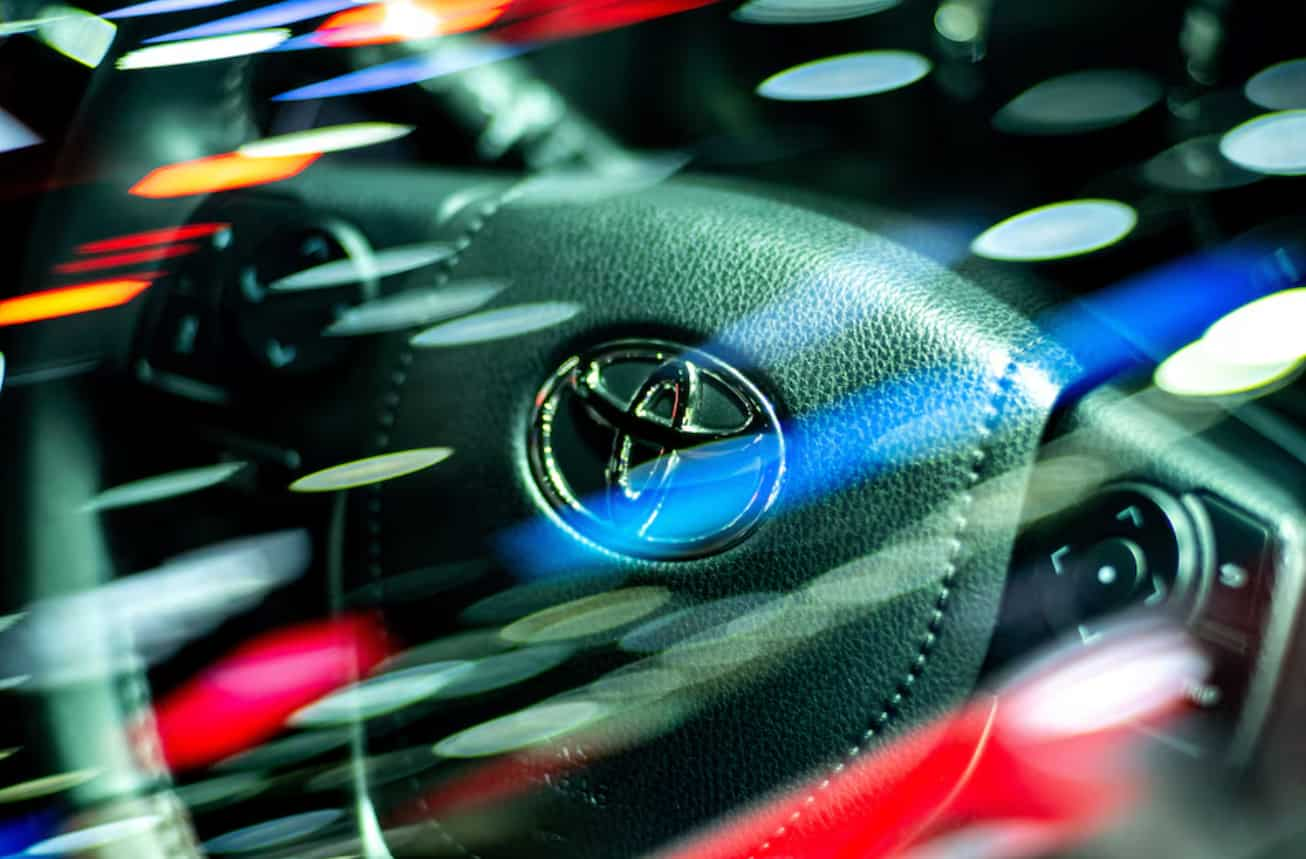
An on-site inspection is scheduled at Toyota's headquarters to further investigate the matter.
Toyota and Mazda have suspended shipments of some vehicles after Japan's transport ministry found irregularities in their certification applications. This development widens the safety test scandal that has plagued Japanese automakers, including Honda, Suzuki, and Yamaha.
Irregularities in certification
The Japanese transport ministry uncovered that several automakers submitted incorrect or manipulated test data for vehicle certification. As a result, Toyota, Mazda, and Yamaha were ordered to halt shipments of certain vehicles. An on-site inspection is scheduled at Toyota's headquarters in Aichi Prefecture to further investigate the matter.

A broader impact on the industry
The scandal's roots trace back to January, when the ministry requested automakers to review their certification applications following a similar issue at Toyota's Daihatsu unit. This scrutiny has now expanded, revealing more widespread irregularities across the industry. The ministry's findings have put a spotlight on the practices of these automakers, raising concerns about the integrity of vehicle certification processes.
)
US Supreme Court backs Trump administration's use of SAVE database to check voter citizenship
)
Heart of the Beast review: Brad Pitt leads a gripping tale of survival and loyalty
)
Outrage erupts after 3-year-old is married to 60-year-old man in Pakistan, link to her sister's murder being probed
)
Pakistan deploys over 20,000 security personnel as PTI vows march for Imran Khan's release
)
Asian Games: Shooting spree continues as India win silver in women’s 50m rifle 3P team event
)
‘Not just a local tragedy’: Nepal PM Shah warns UN of growing climate threat, says Nepal floods were 'a warning to the world'
)
OpenAI AI Agents hacked 4 websites before Hugging Face, researchers reveal
)
Pentagon quietly adds 37 wounded troops to Iran war tally without explaining when or how
&im=FitAndFill=(700,400))
New Friday OTT releases (September 25, 2026): Don’t Be Shy, Hunkkaar: The Roar, Mango Pachcha- 6 movies and TV shows on Netflix, Prime Video and more
)
Yemen's war escalates: Saudi-backed leader calls for general mobilisation against the Houthis
)
‘Attack on Mecca a red line for Pakistan’: Shehbaz Sharif warns Houthis at UN
)
Tesla is preparing something big for Optimus: new Gen 3 models surface in app
)
Bias or safety concerns? Bengaluru CEO says firm will not hire men from UP, Bihar, Rajasthan, MP. Here's why
)
Did Hitler kill his niece Geli Raubal? Newly found records reopen a 95-year-old mystery
)
Nigeria Navy moves to boost oil security, tackle crude theft and infrastructure threats
)
Indian diplomat Petal Gahlot raises deteriorating situation in Pakistan-occupied Kashmir in right of reply at UN
)
Scientists detect first radio signals directly from faraway planet
)
‘It is all possible’: Putin weighs next steps on Ukraine talks, rules out Europe conflict
)
10,000 gather in support of 87-year-old forcefully evicted from home of 71 years
)
Trump rejects Iran's 7-day ceasefire proposal as US weighs renewed bombing after midterms: Report
)
Red Sea crisis: Houthis promise not to target European ships; UNSC condemns Saudi attacks
)
Gaza's war turned environmental damage into second crisis
)
Trump-Xi summit wrap: Big pageantry, Iran talks, few major developments and more meetings planned
)
'Making history': Xi Jinping praises Trump as US-China leaders dine at White House
)
'We do not wish to continue. It's America that must choose': Iran president Pezeshkian calls on US to end war
)
India's UN Envoy slams Pakistan: 'They claim security by day, terrorism by night'
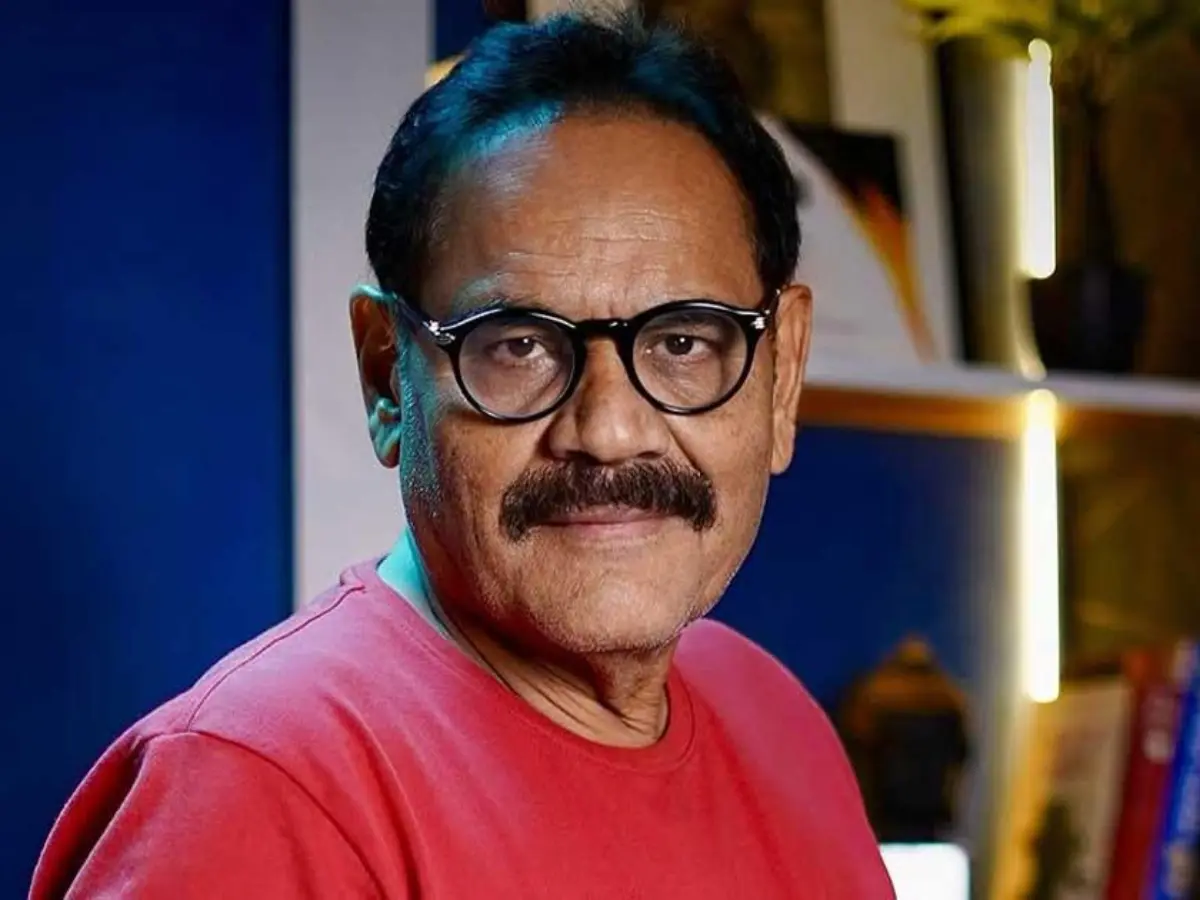)
Bollywood mourns Mushtaq Khan: Sunny Deol, Rajpal Yadav and others pay tribute
)
Myanmar training camp case: US national, 6 Ukrainians allowed to meet their families abroad
)
'FIRST LOOK from inside Noah’s Ark': Researchers share video from inside mysterious mound in Turkey
)
Cindy Crawford’s son Presley Gerber cremated as death probe continues
)
WATCH | As Shehbaz Sharif claims Pakistan’s ‘victory’ during 2025 conflict, Indian diplomat R Srinivas laughs at UN
)
'A terrorist country is asking me that question?': Jaishankar hits back at Pakistani journalist at UN; flags attacks on commercial shipping
)
Army chief reviews operational preparedness along LoC, visits mega eye camp in Tangdhar
&im=FitAndFill=(700,400))
‘Absolutely savage, sickening’: Zelensky slams Russia as daytime strikes kill 5 in Kyiv
)
US court backs Pentagon's decision to exclude Anthropic over Claude AI restrictions
Leadership under scrutiny
The timing of these revelations is particularly sensitive as Toyota approaches its annual general meeting. Influential proxy advisory firms Institutional Shareholder Services (ISS) and Glass Lewis have recommended shareholders vote against re-electing Akio Toyoda as chairman. ISS's report highlighted the recurring certification irregularities within the Toyota Group as a significant concern.
Apologies and temporary halts
At a press conference, Akio Toyoda, grandson of the automaker's founder, apologised for the misconduct. He acknowledged that the cars did not undergo the correct certification process before being sold. Toyota has temporarily halted shipments and sales of three car models made in Japan: the Corolla Fielder, Corolla Axio, and Yaris Cross.
Toyoda stated, "As the person in charge of the Toyota Group, I sincerely apologise to our customers, car enthusiasts, and all stakeholders for this." He assured that there were no performance issues contravening laws and regulations, so customers do not need to stop using their vehicles.
Government reaction
Japan's top government spokesperson, Yoshimasa Hayashi, expressed regret over the misconduct, noting that it tarnishes the government's efforts to promote corporate reforms. The scandal has not only affected the reputation of the automakers but also brought into question the effectiveness of regulatory oversight.
Financial impact
The financial markets responded negatively to the news. Toyota's shares closed down 1.8%, underperforming a 0.9% gain in the broader Topix index. Mazda's shares fell by 3.3%, reflecting investor concerns about the broader implications of the scandal.
Specific issues at Mazda
Mazda has been found to have tampered with engine control software test results and crash tests for the Roadster RF sports car and Mazda2 hatchback. The company also discovered that crash tests for the discontinued Atenza and Axela models were manipulated using a timer to set off airbags during frontal collision tests, instead of the on-board sensor.
Yamaha and Honda also affected
Yamaha has halted shipments of a sports motorcycle due to similar irregularities. Honda reported that it found misconduct in noise and output tests over more than eight years on some two dozen models no longer in production. This prolonged period of non-compliance further underscores the need for stricter oversight and transparency in the certification process.
Continuing investigations
Toyota is still investigating issues related to vehicle fuel efficiency and emissions, with a target to complete the inquiry by the end of June. This ongoing investigation indicates that the full extent of the irregularities may not yet be known, and further repercussions could follow as more details emerge.
The widening safety test scandal involving Toyota, Mazda, and other Japanese automakers underscores significant flaws in the certification process. The impact of these irregularities is profound, affecting corporate reputations, financial markets, and consumer trust. As the industry grapples with the fallout, there is an urgent need for improved transparency and stricter regulatory oversight to prevent such issues in the future.
(Inputs from Reuters)