Toyota doubles down on China with bold 2030 production target

Toyota
Toyota Motor Corporation is planning an ambitious expansion of its Chinese operations, targeting annual production of at least 2.5 million vehicles by 2030, according to three sources familiar with the matter who spoke on condition of anonymity.
The world's largest automaker's strategy represents a confident bet on the Chinese market at a time when other international manufacturers are scaling back their presence. The expansion plan, previously undisclosed, could see Toyota's production capacity increase to as much as 3 million vehicles annually by the decade's end – a remarkable 63% surge from its record 2022 production of 1.84 million units.
This aggressive growth strategy comes as Toyota grapples with intensifying competition from Chinese manufacturers, particularly in the electric vehicle segment. BYD and other domestic players have recently captured significant market share, prompting Toyota to reassess its approach to the world's largest automotive market.

The Japanese automotive giant has already begun communicating these expansion plans to key suppliers, seeking to reinforce confidence in its long-term commitment to China and ensure stability in its supply chain network. When approached for comment, Toyota provided a measured response, acknowledging the competitive nature of the Chinese market and stating its commitment to producing "ever-better cars" for Chinese consumers.
Industry analysts note that Toyota's strategy stands in stark contrast to recent moves by other international automakers. Mitsubishi Motors has completely withdrawn from China, while Honda Motor and Nissan Motor have announced reductions in their local production capacity. This divergence in strategy highlights Toyota's determination to maintain and grow its presence in this crucial market.
The expansion plans come with significant organisational changes. Toyota is moving to integrate its Chinese sales and production operations more closely, while simultaneously granting local executives greater autonomy in product development decisions. This shift acknowledges a growing awareness within Toyota that increased reliance on local expertise is crucial for success in the Chinese market.
&imwidth=180&imheight=135&format=webp&quality=medium)
Rahul Gandhi's plea against Election Commission delayed as Supreme Court registry flags 14 ‘defects’
&im=FitAndFill=(700,400)&imwidth=180&imheight=135&format=webp&quality=medium)
Navratri 2026: 9 days, 9 forms of Goddess Durga and 9 colours- Check the complete list
&imwidth=180&imheight=135&format=webp&quality=medium)
Korean peninsula tensions escalate as North Korea launches multiple ballistic missiles, PACOM says 'no threat to US personnel'
&imwidth=180&imheight=135&format=webp&quality=medium)
Trump weighs firing Kimberly Guilfoyle as US ambassador to Greece amid misconduct allegations: Report
&imwidth=180&imheight=135&format=webp&quality=medium)
Anti-SIR protest in Mumbai: Protestors wear black masks & ribbons in Mumbai
&imwidth=180&imheight=135&format=webp&quality=medium)
UK PM Andy Birnham renews claims of Russian meddling in Brexit vote
&imwidth=180&imheight=135&format=webp&quality=medium)
BCCI rejects venue shift reports, India vs Sri Lanka 1st ODI to remain in Delhi
&imwidth=180&imheight=135&format=webp&quality=medium)
'Absolutely disgusting': Australia slams US plan to livestream Nidal Hasan's execution; Mike Johnson raises concerns, warns of terrorist propaganda
&imwidth=180&imheight=135&format=webp&quality=medium)
1,500 drones illuminate Mumbai sky as Cordelia Cruises unveils second ship, Cordelia Sky
&imwidth=180&imheight=135&format=webp&quality=medium)
Houthis warns US of 'painful response' if Washington joins Saudi war in Yemen as airlines suspend flights to Saudi Arabia
&imwidth=180&imheight=135&format=webp&quality=medium)
India Rejects Pakistan-China Boundary Commission, Tells Islamabad to Drop 'Theatrics' | GRAVITAS
&imwidth=180&imheight=135&format=webp&quality=medium)
Congress demands action against chief election commissioner
&imwidth=180&imheight=135&format=webp&quality=medium)
Apple HomeView smart home hub may launch soon with A18 chip, display and Siri controls: What to expect
&imwidth=180&imheight=135&format=webp&quality=medium)
'Turn approver, resign, we'll forgive you': Rahul Gandhi claims receiving messages from CEC Gyanesh Kumar
&imwidth=180&imheight=135&format=webp&quality=medium)
'I will not be silenced': Ilhan Omar alleges political intimidation after federal officers search her Washington home
&imwidth=180&imheight=135&format=webp&quality=medium)
Robotic surgery, advanced treatment: What is coming to this small Gujarat town?
&imwidth=180&imheight=135&format=webp&quality=medium)
Pakistan's government blames PTI for rise of terrorism in Khyber Pakhtunkhwa
&imwidth=180&imheight=135&format=webp&quality=medium)
‘This is just the start’: Maaya Rajeshwaran on historic ITF title, confidence boost and future goals
&im=FitAndFill=(700,400)&imwidth=180&imheight=135&format=webp&quality=medium)
How does a robot decide what to do next?
&imwidth=180&imheight=135&format=webp&quality=medium)
Trump says he 'may' meet North Korean leader Kim Jong Un during upcoming Asia trip
&imwidth=180&imheight=135&format=webp&quality=medium)
'Ouch!!! That must hurt': Kangana Ranaut hails Kamal Haasan's sharp reply to Elon Musk over Starlink row
&imwidth=180&imheight=135&format=webp&quality=medium)
Sidhu Moose Wala’s younger brother wins hearts by recreating late singer’s signature move at Toronto Hologram Show
&imwidth=180&imheight=135&format=webp&quality=medium)
Girl 'dead' for 8 hours wakes up at her own funeral, dad insists she wasn't breathing
&imwidth=180&imheight=135&format=webp&quality=medium)
UK school ditches technology, shifts from screen to pen and paper for learning
&imwidth=180&imheight=135&format=webp&quality=medium)
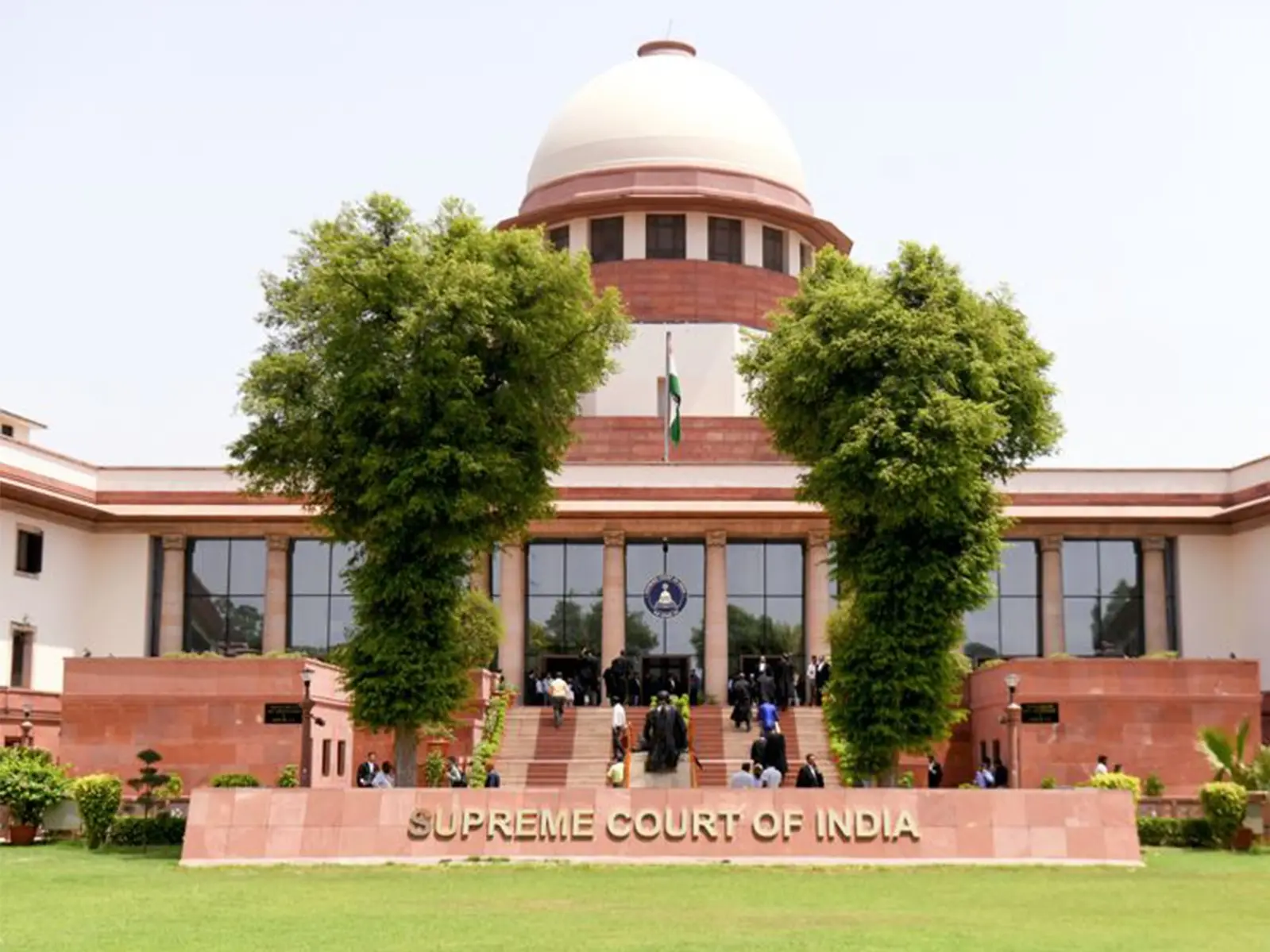
Opposition’s 10 demands in Supreme Court petition range from stay on SIR to audit of voter rolls
&imwidth=180&imheight=135&format=webp&quality=medium)
'I am thoroughly unamused': Judge slams Trump administration after 400 trees cut at Washington golf course
&imwidth=180&imheight=135&format=webp&quality=medium)
Portugal Federation confirms Cristiano Ronaldo’s return to national team despite suspension
&im=FitAndFill=(700,400)&imwidth=180&imheight=135&format=webp&quality=medium)
New OTT releases this week (October 12-18, 2026): Sacrifice, Koffee with Karan S9, Roadies Rebirth- 6 titles coming on Netflix, JioHotstar and more
&imwidth=180&imheight=135&format=webp&quality=medium)
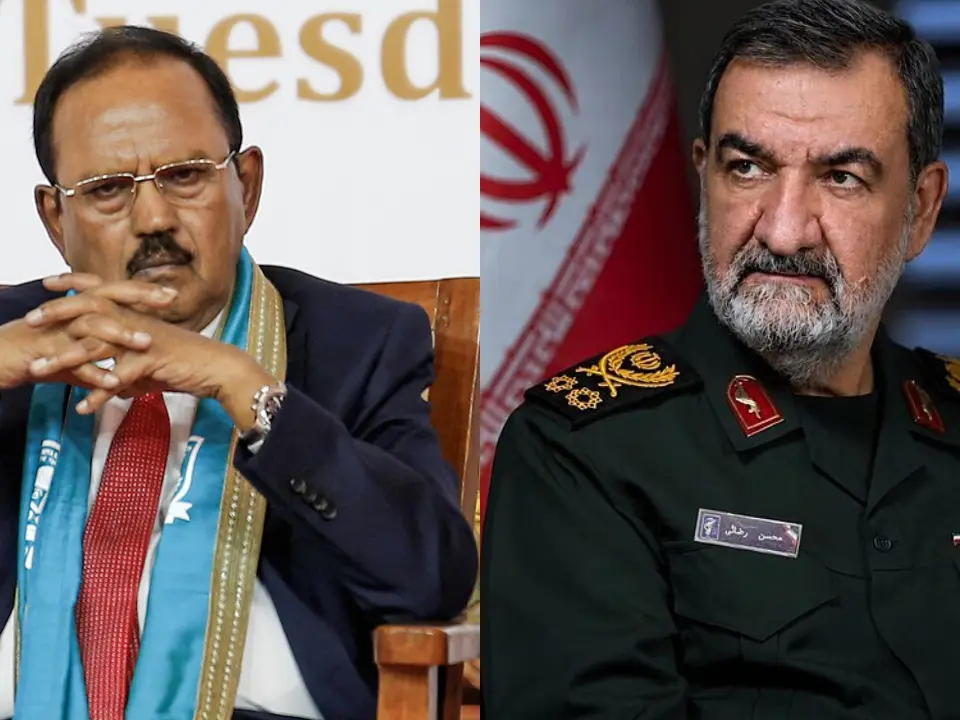
India's Ajit Doval, Iran's Mohsen Rezaei hold talks amid escalating West Asia tensions, discuss 'issues of mutual interest'
&imwidth=180&imheight=135&format=webp&quality=medium)
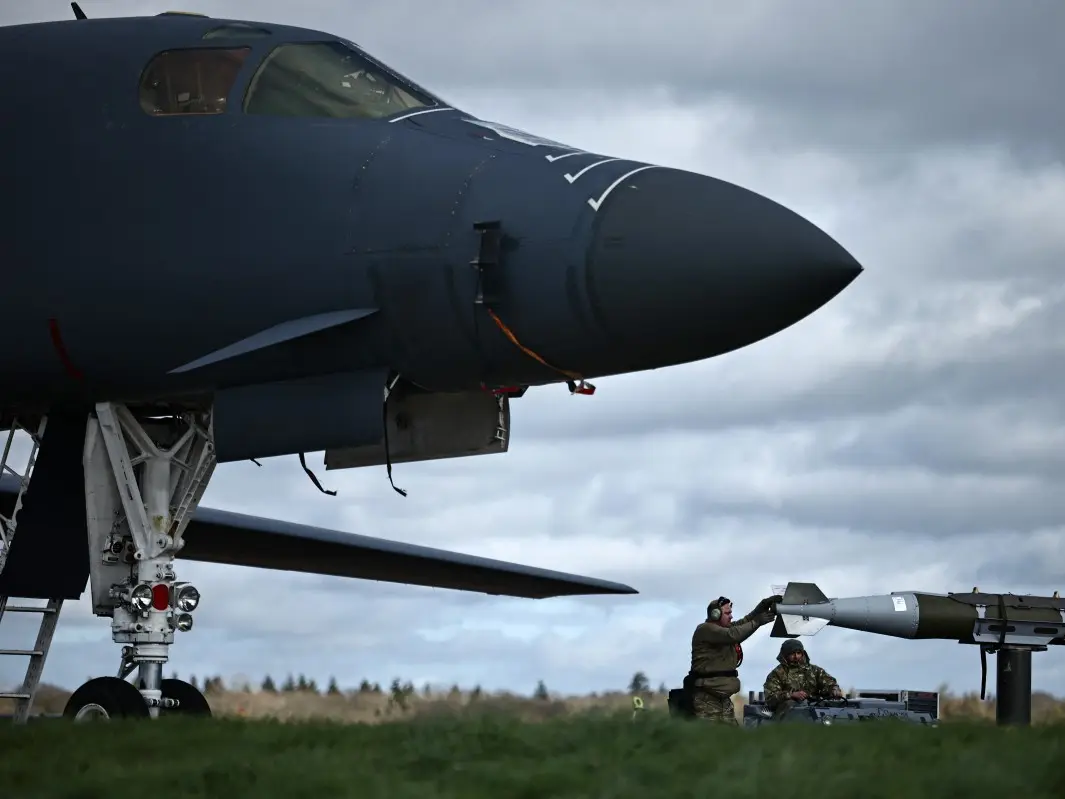
'Almost certainly': UK Prime Minister Andy Burnham says Iran's IRGC behind RAF Fairford threat
&imwidth=180&imheight=135&format=webp&quality=medium)
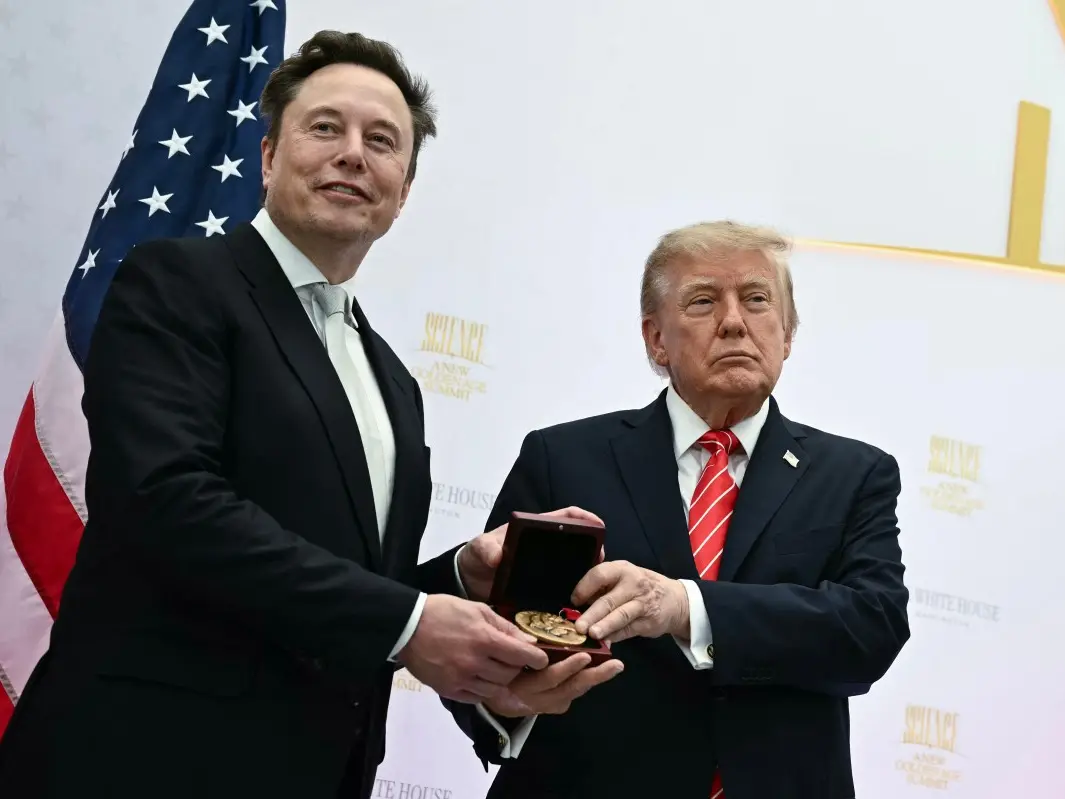
Elon Musk pumps $276 million into Republican campaigns ahead of US midterm elections
The company's current challenges in China are evident in its recent financial results. During the first half of the current fiscal year, Toyota reported a decline in operating income in China, primarily attributed to increased marketing costs necessitated by intense price competition from Chinese brands.
A key aspect of Toyota's new strategy involves restructuring its joint venture operations. The company plans to move away from its current "twinned vehicles" approach, where identical vehicles are produced at both joint ventures with different designs and branding. Instead, production of each model will be consolidated at a single joint venture facility, with the vehicles being made available through both joint ventures' dealership networks.
This restructuring comes as Toyota faces mounting pressure from successful independently developed vehicles by its joint venture partners. For instance, FAW Group's Hongqi brand and GAC Group's Aion EV have outperformed models from their respective Toyota joint ventures, FAW Toyota Motor and GAC Toyota Motor.
To address these challenges, Toyota announced plans to strengthen cooperation between its R&D centre in Jiangsu province and its two local joint ventures. This move aims to better incorporate local partners' expertise into Toyota's vehicle development process.
The impact of these changes extends beyond Toyota itself, affecting Japanese auto parts suppliers operating in China. As the competitive landscape continues to evolve, Toyota's commitment to the Chinese market could prove crucial for the broader Japanese automotive supply chain.

