Kia maintains ambitious 2030 EV target

Kia
South Korean automotive giant Kia Corporation is standing firm on its ambitious electric vehicle (EV) targets despite acknowledging significant near-term market uncertainties and regulatory challenges across global markets. Kevin Ahn, President and CEO of Kia Asia Pacific, reaffirmed the company's commitment to achieving annual sales of 1.6 million electric vehicles by 2030 during a product showcase event in Taipei on Wednesday.
Speaking at the event highlighting Kia's EV lineup, Ahn adopted a measured approach to current market dynamics. "We're not pushing volume to market. Especially this year, the market is changing very rapidly and there are so many uncertainties," he stated, acknowledging that the path to their 2030 goal would likely face periodic setbacks due to market conditions and shifting government policies.
The automaker, an affiliate of Hyundai Motor Group, is navigating through a complex landscape of international trade policies and market transitions. While Ahn refrained from directly commenting on specific policy impacts, such as the European Union's recent implementation of up to 45% tariffs on Chinese-made EVs, Kia's strategic response is evident in its global manufacturing blueprint.

In a significant move to strengthen its market position, Kia has already initiated EV production in China this year and has announced plans to manufacture small electric vehicles in Europe. Additionally, the company is advancing with plans to assemble EVs at its facility in Georgia, United States, demonstrating a strategic approach to localising production in key markets.
The global automotive industry is currently watching closely for potential policy shifts in the United States following recent political developments. While Ahn declined to speculate on the potential impact of these changes, industry analysts note that automakers are preparing for possible new tariffs on vehicles from Mexico and other countries, as well as potential reversals of existing EV-friendly policies.
Kia's steadfast commitment to its long-term EV objectives comes at a time when the automotive industry is experiencing unprecedented transformation. The company's strategy appears to balance aggressive growth targets with practical market considerations, as evidenced by Ahn's acknowledgment that there will be "some chasms, some difficulties, some volumes going down because of the market conditions and government policies."
&imwidth=180&imheight=135&format=webp&quality=medium)
Rahul Gandhi's plea against Election Commission delayed as Supreme Court registry flags 14 ‘defects’
&im=FitAndFill=(700,400)&imwidth=180&imheight=135&format=webp&quality=medium)
Navratri 2026: 9 days, 9 forms of Goddess Durga and 9 colours- Check the complete list
&imwidth=180&imheight=135&format=webp&quality=medium)
Korean peninsula tensions escalate as North Korea launches multiple ballistic missiles, PACOM says 'no threat to US personnel'
&imwidth=180&imheight=135&format=webp&quality=medium)
Trump weighs firing Kimberly Guilfoyle as US ambassador to Greece amid misconduct allegations: Report
&imwidth=180&imheight=135&format=webp&quality=medium)
Anti-SIR protest in Mumbai: Protestors wear black masks & ribbons in Mumbai
&imwidth=180&imheight=135&format=webp&quality=medium)
UK PM Andy Birnham renews claims of Russian meddling in Brexit vote
&imwidth=180&imheight=135&format=webp&quality=medium)
BCCI rejects venue shift reports, India vs Sri Lanka 1st ODI to remain in Delhi
&imwidth=180&imheight=135&format=webp&quality=medium)
'Absolutely disgusting': Australia slams US plan to livestream Nidal Hasan's execution; Mike Johnson raises concerns, warns of terrorist propaganda
&imwidth=180&imheight=135&format=webp&quality=medium)
1,500 drones illuminate Mumbai sky as Cordelia Cruises unveils second ship, Cordelia Sky
&imwidth=180&imheight=135&format=webp&quality=medium)
Houthis warns US of 'painful response' if Washington joins Saudi war in Yemen as airlines suspend flights to Saudi Arabia
&imwidth=180&imheight=135&format=webp&quality=medium)
India Rejects Pakistan-China Boundary Commission, Tells Islamabad to Drop 'Theatrics' | GRAVITAS
&imwidth=180&imheight=135&format=webp&quality=medium)
Congress demands action against chief election commissioner
&imwidth=180&imheight=135&format=webp&quality=medium)
Apple HomeView smart home hub may launch soon with A18 chip, display and Siri controls: What to expect
&imwidth=180&imheight=135&format=webp&quality=medium)
'Turn approver, resign, we'll forgive you': Rahul Gandhi claims receiving messages from CEC Gyanesh Kumar
&imwidth=180&imheight=135&format=webp&quality=medium)
'I will not be silenced': Ilhan Omar alleges political intimidation after federal officers search her Washington home
&imwidth=180&imheight=135&format=webp&quality=medium)
Robotic surgery, advanced treatment: What is coming to this small Gujarat town?
&imwidth=180&imheight=135&format=webp&quality=medium)
Pakistan's government blames PTI for rise of terrorism in Khyber Pakhtunkhwa
&imwidth=180&imheight=135&format=webp&quality=medium)
‘This is just the start’: Maaya Rajeshwaran on historic ITF title, confidence boost and future goals
&im=FitAndFill=(700,400)&imwidth=180&imheight=135&format=webp&quality=medium)
How does a robot decide what to do next?
&imwidth=180&imheight=135&format=webp&quality=medium)
Trump says he 'may' meet North Korean leader Kim Jong Un during upcoming Asia trip
&imwidth=180&imheight=135&format=webp&quality=medium)
'Ouch!!! That must hurt': Kangana Ranaut hails Kamal Haasan's sharp reply to Elon Musk over Starlink row
&imwidth=180&imheight=135&format=webp&quality=medium)
Sidhu Moose Wala’s younger brother wins hearts by recreating late singer’s signature move at Toronto Hologram Show
&imwidth=180&imheight=135&format=webp&quality=medium)
Girl 'dead' for 8 hours wakes up at her own funeral, dad insists she wasn't breathing
&imwidth=180&imheight=135&format=webp&quality=medium)
UK school ditches technology, shifts from screen to pen and paper for learning
&imwidth=180&imheight=135&format=webp&quality=medium)
Opposition’s 10 demands in Supreme Court petition range from stay on SIR to audit of voter rolls
&imwidth=180&imheight=135&format=webp&quality=medium)
'I am thoroughly unamused': Judge slams Trump administration after 400 trees cut at Washington golf course
&imwidth=180&imheight=135&format=webp&quality=medium)
Portugal Federation confirms Cristiano Ronaldo’s return to national team despite suspension
&im=FitAndFill=(700,400)&imwidth=180&imheight=135&format=webp&quality=medium)
New OTT releases this week (October 12-18, 2026): Sacrifice, Koffee with Karan S9, Roadies Rebirth- 6 titles coming on Netflix, JioHotstar and more
&imwidth=180&imheight=135&format=webp&quality=medium)
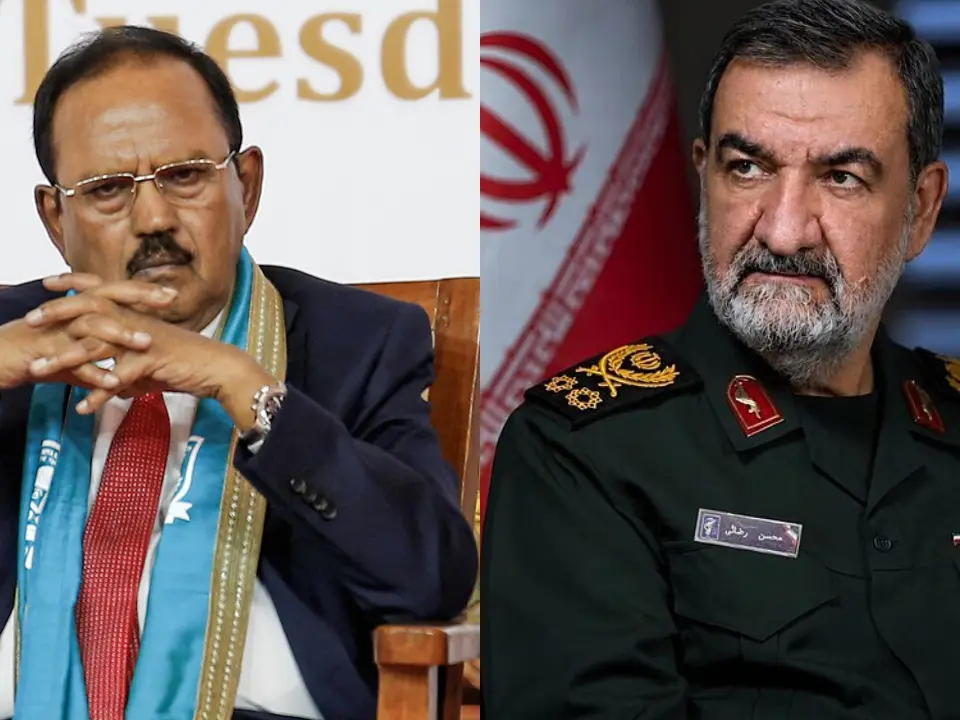
India's Ajit Doval, Iran's Mohsen Rezaei hold talks amid escalating West Asia tensions, discuss 'issues of mutual interest'
&imwidth=180&imheight=135&format=webp&quality=medium)
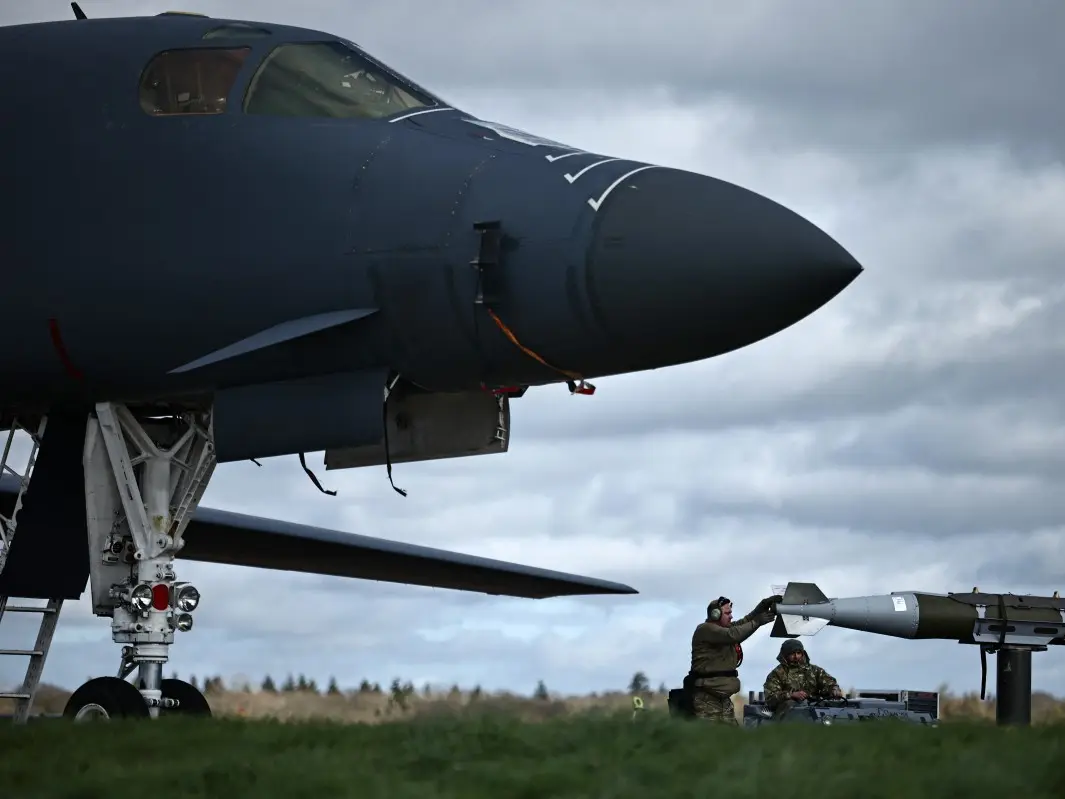
'Almost certainly': UK Prime Minister Andy Burnham says Iran's IRGC behind RAF Fairford threat
&imwidth=180&imheight=135&format=webp&quality=medium)
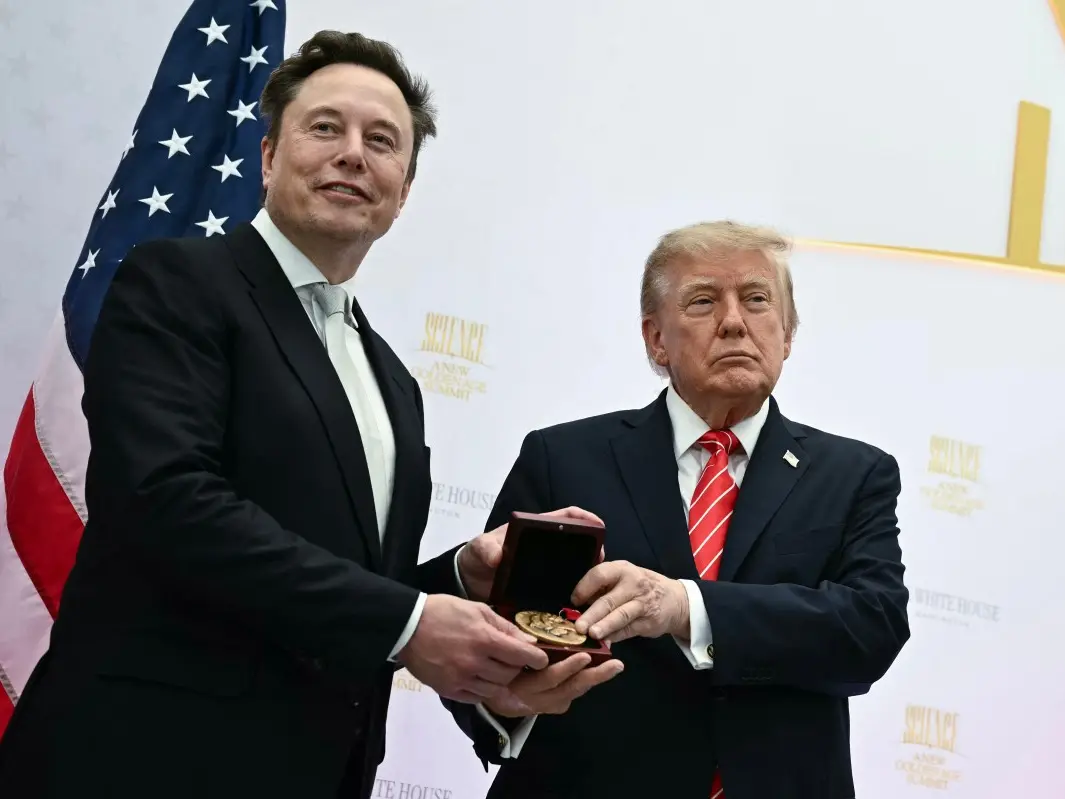
Elon Musk pumps $276 million into Republican campaigns ahead of US midterm elections
The manufacturer's approach reflects a broader industry trend of automotive companies maintaining long-term electrification goals while adapting their short-term strategies to navigate immediate market challenges. This includes responding to varying levels of EV adoption across different regions, evolving government incentives, and changing consumer preferences.
Kia's global manufacturing strategy, which now encompasses EV production across multiple continents, positions the company to better respond to regional market demands and regulatory requirements. This diversified production approach could prove crucial in helping the automaker achieve its ambitious 2030 target while minimising the impact of potential trade barriers and policy changes in individual markets.

