GM to sell stake in Michigan battery plant to LG Energy solution

GM to sell stake in Michigan battery plant to LG Energy solution
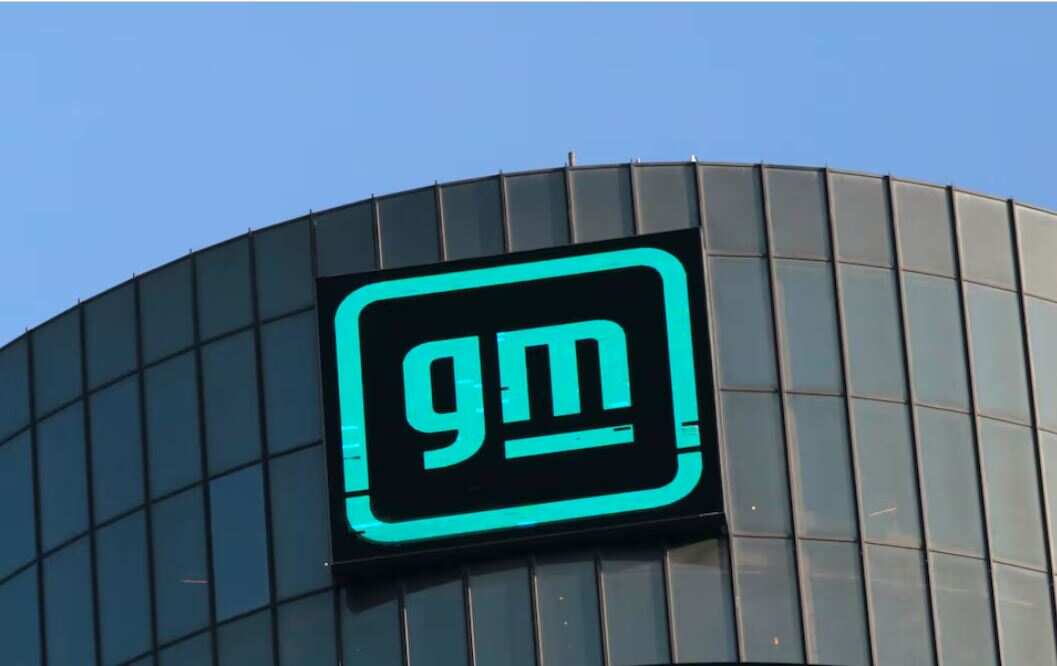
General Motors (GM) said Monday it will sell its stake in a nearly finished battery plant in Lansing, Michigan, to LG Energy Solution, its partner. GM’s move reflects its ongoing market recalibration of the electric vehicle (EV) strategy.
The deal is expected to close early next year, allowing GM to recoup its USD 1 billion investment in the facility. GM's ownership stake in the Ultium Cells joint venture will not be affected by the sale, comprised of battery plants being built in Ohio and Tennessee.
Under LG Energy Solution's management, the Lansing plant currently with close to 100 workers will supply a new, undisclosed customer. The facility is on track to fulfill its employment commitments, GM stated.

“Our belief is that we have the right cell and cell manufacturing capabilities in place to be able to grow with the EV market in a capital efficient way.”
LG Energy Solution said it reviewed the acquisition as part of the goal of increasing investment efficiency, and maximising plant operating rates in its North American plants.
The development occurs while the EV production incentives and market dynamics are hardly certain. The USD 7,500 federal EV tax credit is something the reports say President-elect Donald Trump’s transition team is considering doing away with, adding to the uncertainty that will face EV adoption.
)
Coast Guard jet carrying DHS Secretary Markwayne Mullin makes emergency landing after engine failure
)
‘This is real’: Hegseth’s post on Canadian military woman sparks controversy
&im=FitAndFill=(700,400))
How the Su-30MKI flies up to 8,000 kilometres using mid-air refueling
)
Pakistan faces growing hunger crisis amid rising food insecurity
)
Bangladesh batter Towhid Hridoy creates history with 350 not out in South Africa
)
Harry Potter and the Philosophers' Stone: New trailer reveals fresh look at Hogwarts, sorting ceremony and iconic moments to life
)
Nepal floods: 1,204 dead, 4,216 missing as tearful relatives pray for the missing
)
Manipur violence: 25 houses torched in Manipur’s Kangpokpi a day after 10 homes were burnt along Imphal-Tamenglong road
)
Man pushes Russian humanoid robot. Watch what happens next
)
Indian Air Force pilot Abhinandan Varthaman, who shot down Pak fighter jet retires, takes up private job
)
Rubio on Modi-Pezeshkian meeting: 'No country should help Iran evade sanctions'
)
Republican Senator Thom Tillis calls on Trump to fire Pete Hegseth over his 'inept management' of military
)
TN CM Vijay opens Mettur dam for Cauvery delta irrigation, surprises farmer with visit
)
Husband uses secret camera to record wife’s affair, wins divorce case, ends up in jail for spying
)
Report: Egypt eyes new Rafale F4 deal amid air force modernisation push
)
Houthis target Yemen with ballistic missiles, Yemeni army downs several drones
)
Pakistanis are eating less. What they are eating instead is even more alarming
&im=FitAndFill=(700,400))
Why the Su-30MKI uses a giant air brake on its back instead of its wings
)
Trump suggests renaming Strait of Hormuz to ‘Trump Strait’
)
EU and NATO step up pressure on Russia after Germany ‘escalation incidents’
)
India to host inaugural 2027 Women's Champions Trophy across Mumbai and Vadodara
)
Chaos in Ukraine's Kyiv: Zelensky calls shootout between spy services 'absolutely shameful'
&im=FitAndFill=(700,400))
Why the glass canopy on the Su-30MKI has a distinct golden tint
)
Beginning of the end? More glacial lake outbursts threaten millions in India, Nepal and China
)
No selfies with God, no reels inside: Tamil Nadu CM bans smartphones in temples | Gravitas
)
Pentagon just launched its AI portal with ChatGPT, Grok and Gemini
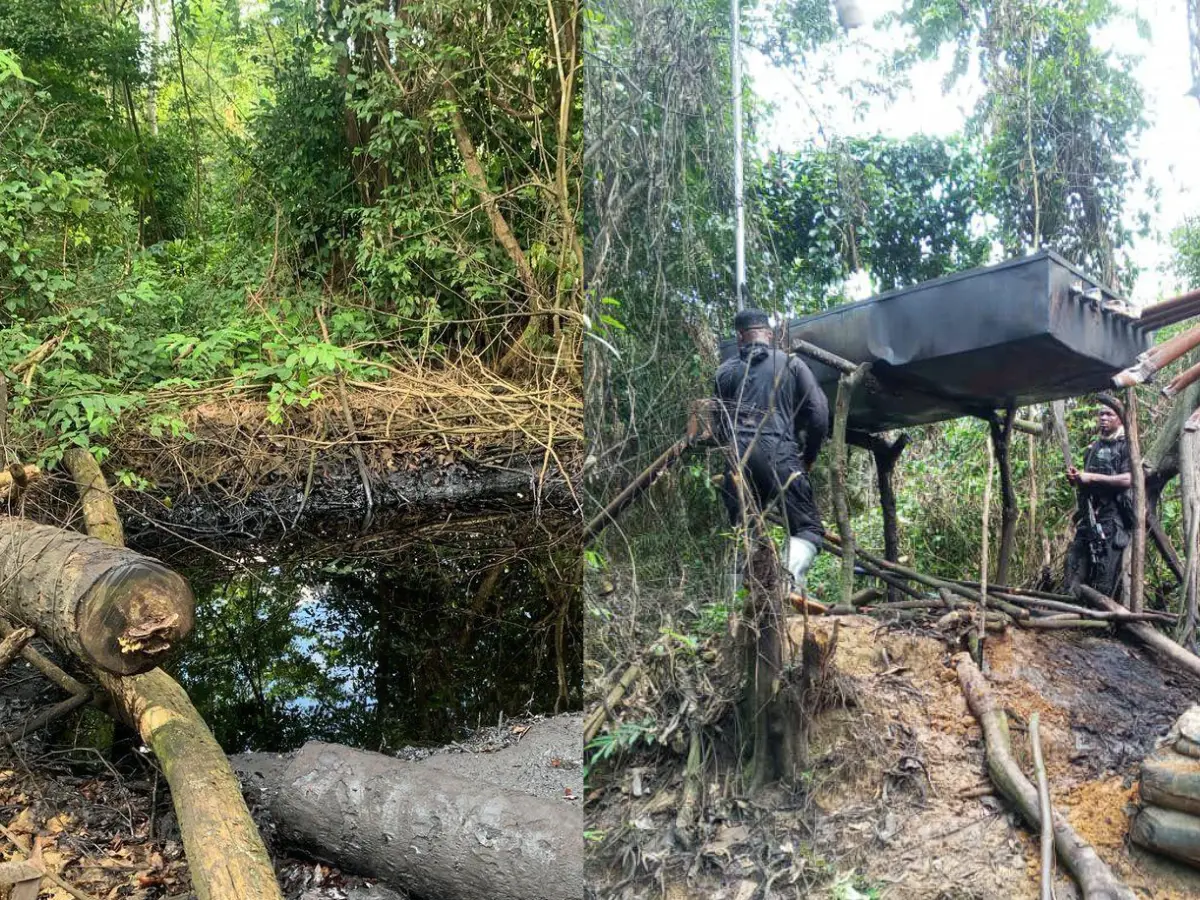)
Nigerian Navy discovers 99,000 litres of suspected stolen, illegally refined products as it intensifies anti-crude oil theft operations
)
At least 2 killed in Minneapolis shooting, suspect also dead
)
WION Exclusive: Hasina says she reads father’s unfinished memoir while planning Dhaka return
)
2,000 pairs of underwear buried in Switzerland revealed something startling
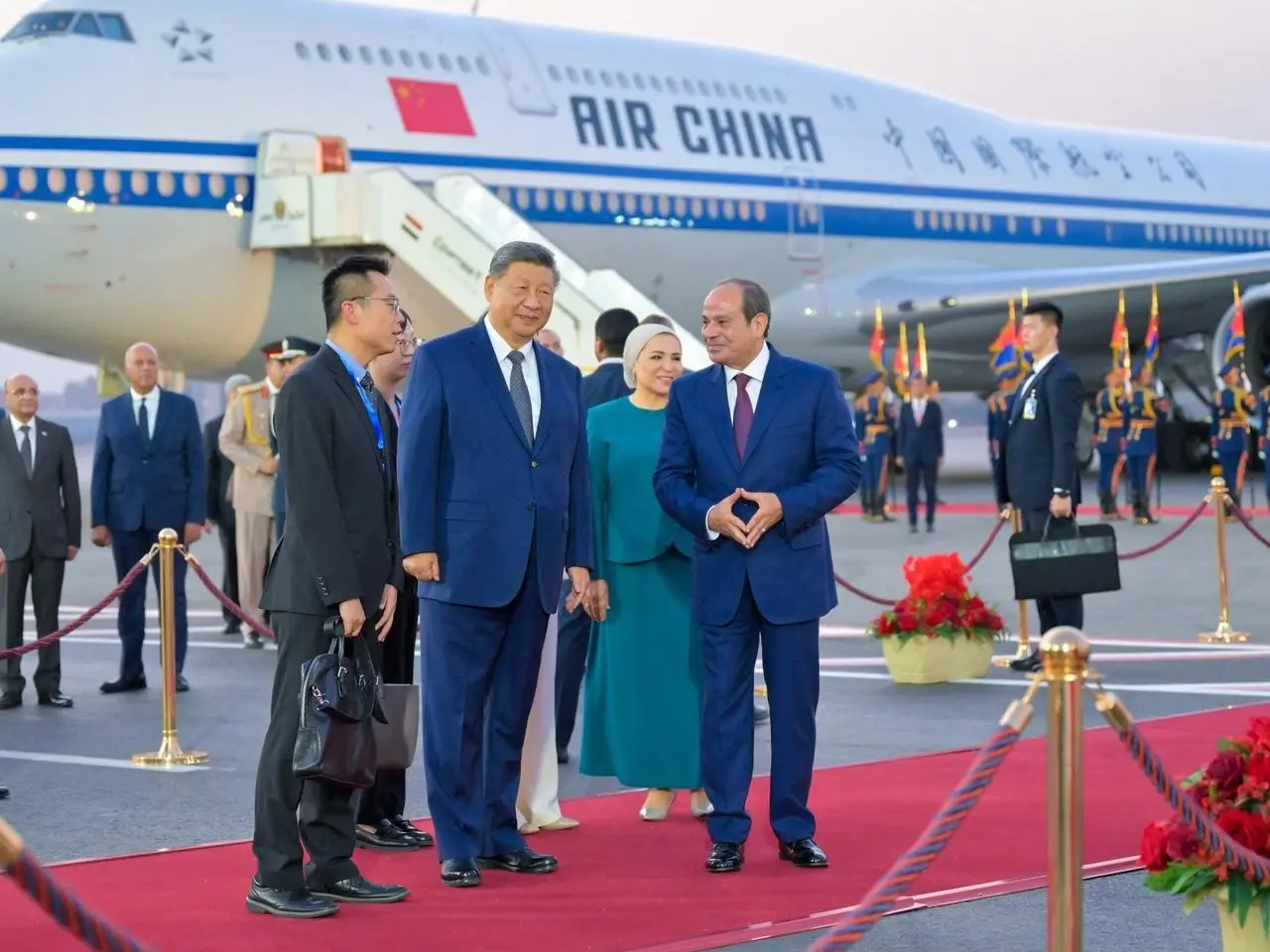)
Xi Jinping urges Middle East nations to reject ‘external’ interference, seek new ‘security architecture’
)
Trump says he’s ‘happy’ Harry and Meghan left US , calls them disrespectful
)
US Mint releases $1 coins featuring Donald Trump, priced up to $154.50
Over the past year, GM has been scaling back its EV ambitions. The automaker later scaled back its EV production forecast for 2024 and in July, CEO Mary Barra said the company would miss its goal of manufacturing 1 million EVs in North America by 2025 because growth of the market has been slower than expected.
But the automaker is also extending its long-standing partnership with LG Energy Solution to build prismatic battery cells that could help reduce EV costs and weight. Additionally, GM finalised a separate agreement with Samsung SDI in August to establish a prismatic battery factory in Indiana.
These moves underline GM's efforts to adjust its EV roadmap while balancing operational costs and evolving market demands.
