Yellen pledges US international cooperation, calls for global minimum tax

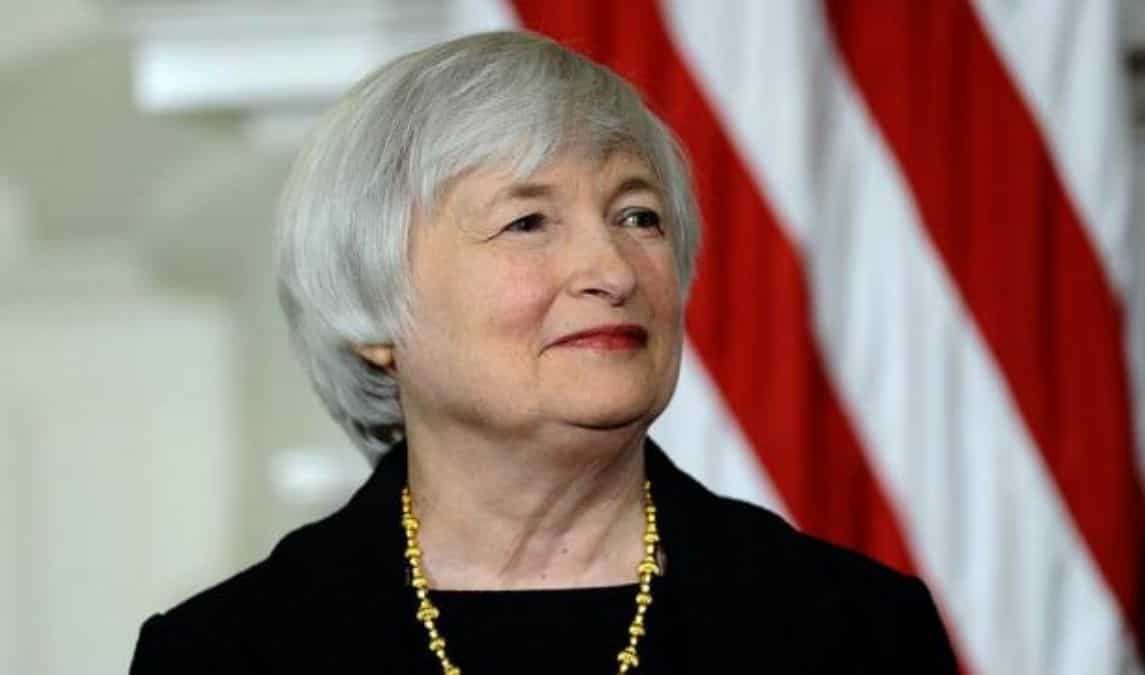
Janet Yellen
US Treasury SecretaryJanetYellensaid on Monday that she is working with G20 countries to agree on a global corporate minimum tax rate and pledged that restoring USmultilateral leadership would strengthen the global economy and advance USinterests.
In a speech ahead of her first International Monetary Fund and World Bank Spring Meetings as Treasury chief,Yellensignaled stronger USengagement on issues from climate change to human rights to tax base erosion.
A global minimum tax proposed by the Biden administration could help to end a "thirty-year race to the bottom on corporate tax rates,"Yellentold an online event hosted by the Chicago Council on Global Affairs.

The proposal is a key pillar of President Joe Biden's $2 trillion infrastructure spending plan, which calls for an increase in the UScorporate tax rate to 28 per centwhile eliminating some deductions associated with overseas profits.
Without a global minimum, the United States would again have higher rates than a number of other major economies, tax experts say, while the USproposal could help jump-start negotiations for a tax deal among major economies.
World Bank President David Malpass said finance leaders from the Group of 20 major economies on Wednesday would discuss global tax issues, including for digital services, adding that international attitudes were shifting away from continual tax reductions.
)
India ‘deeply concerned’ as Houthi strikes hit Saudi civilian & energy sites
)
Three labourers killed as DU student loses control of his car, rams into them on Dwarka Expressway
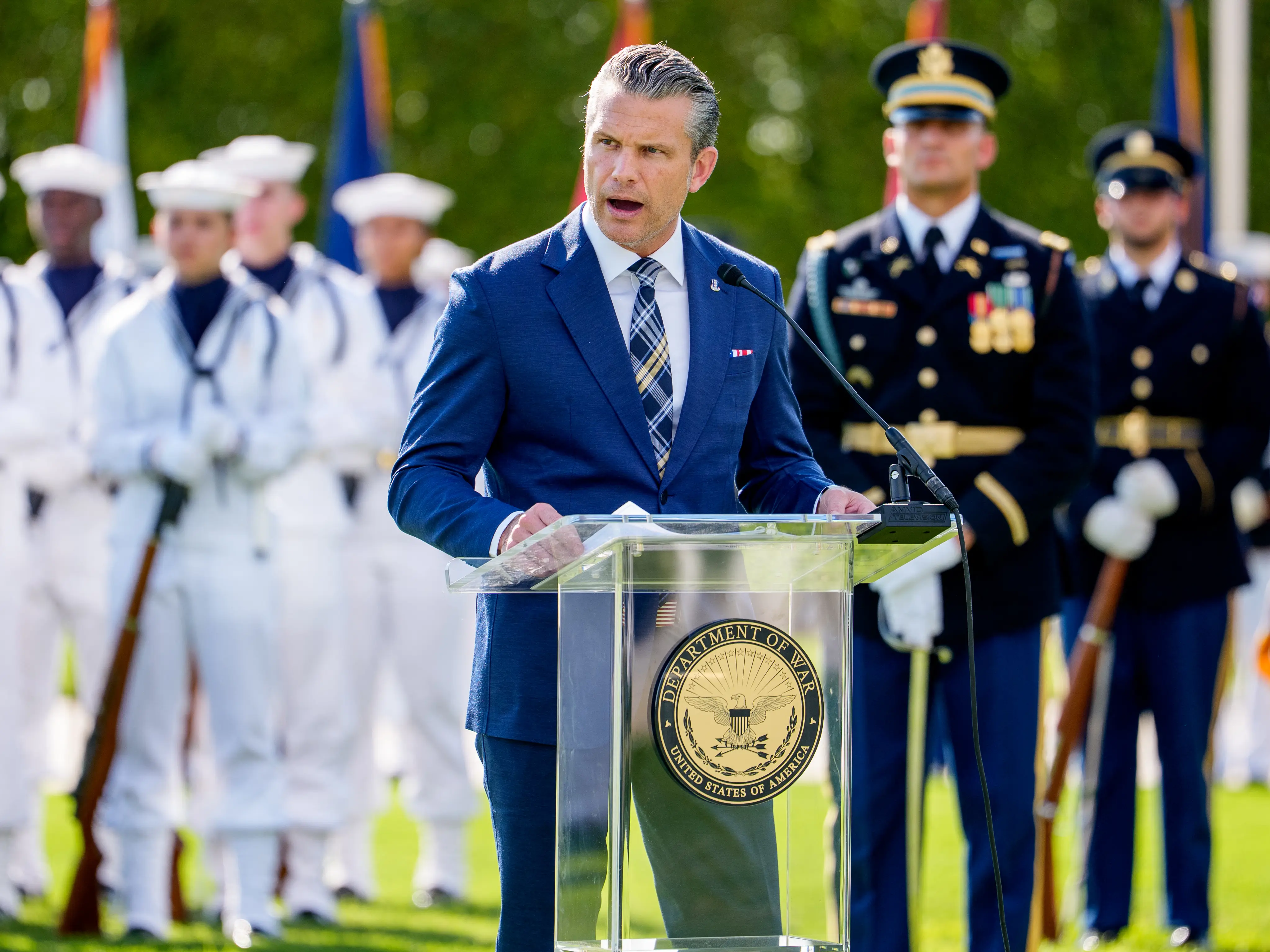)
Pentagon revives mandatory testosterone testing for male troops aged 30 and above
)
North Korea's last nuclear test in 2017 set off 1,399 earthquakes over 8 years, each stronger than previous
)
India seeks to build a full semiconductor supply chain
)
FACT CHECK: Why did PM Modi ask Xi ‘is it okay’ at BRICS Summit? New video reveals...
&im=FitAndFill=(700,400))
From Abhishek Sharma to Sahil Chauhan, 5 batters with fastest T20I hundreds
)
Indian activist-lawyer Prashant Bhushan's post brings focus on ‘conflict of interest’ appointments of ex-govt officials at Reliance, Adani groups
)
Former India player Diana Edulji wants Smriti Mandhana to replace Harman as skipper at the earliest
&im=FitAndFill=(700,400))
Meet top 5 batters in the latest ICC T20I Rankings
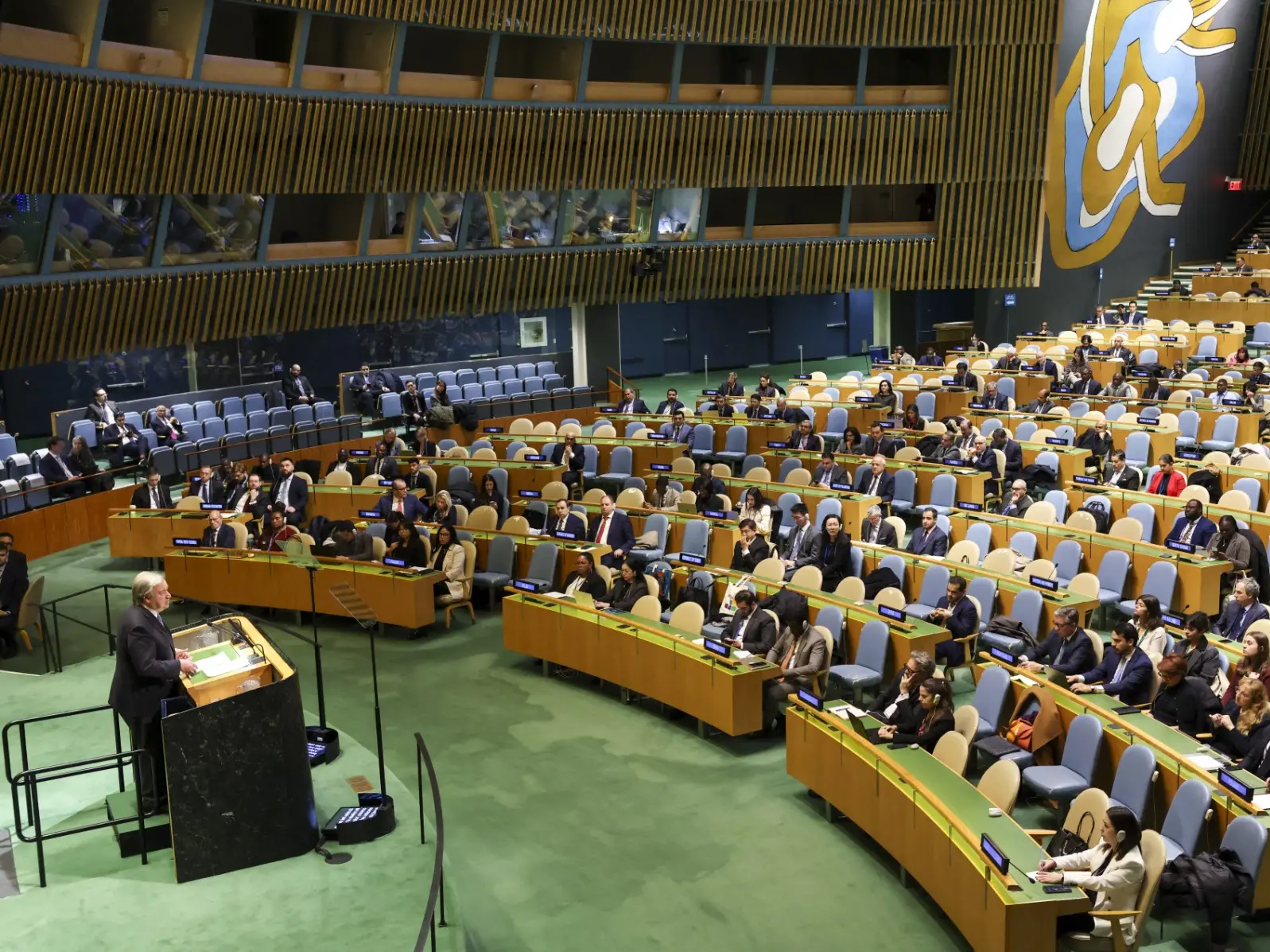)
UNGA 2026 theme explained: What does ‘Restoring trust, managing transformation: A United Nations that delivers for all’ mean?
)
Godfather of AI Geoffrey Hinton gives US lawmakers a one-year warning on AI
)
US F-16 fighter jet crashes in Michigan during training mission, pilot ejects safely
)
A first in 100 years: New cat species discovered in Bolivia is incredibly tiny
&im=FitAndFill=(700,400))
Meet top 5 Indian batters with fastest T20I centuries
)
Shivakumar attends 79th Kalyana Karnataka Utsav in Kalaburagi
)
Xi-Trump summit may boost military links
)
Hong Kong extends newborn cash support scheme by three years
)
How did an Australian river with 500 crocodiles pass the Olympic test? Here's how
)
‘Will go to any extent’: Pakistan vows to defend Saudi Arabia amid Houthi attacks
)
'He will always be ahead': India coach Gambhir says Sooryavanshi won't walk into team ahead of Samson
)
The Verdict | When precision fails: US commits war crime in Minab school strike, UN finds
&im=FitAndFill=(700,400))
New Friday OTT releases (September 18, 2026): Lust Stories 3, You+Me, Best of the Best- 8 new titles coming on Netflix, Prime Video and more
&im=FitAndFill=(700,400))
Which country has the most F-35s outside America?
)
Africa is splitting, and a lot sooner than estimated, giving way to a new ocean
)
'Gangsta' crab shoves knife blade at man and his dog in Florida - Watch
)
Trump bans CNN, MS NOW and Politico from White House over ‘FAKE NEWS’
)
Ganpati Visarjan: Alia Bhatt and Ranbir Kapoor bid adieu to Bappa, watch viral videos
)
Drone strikes cooling tower at Russia's Kursk Nuclear Plant, IAEA confirms
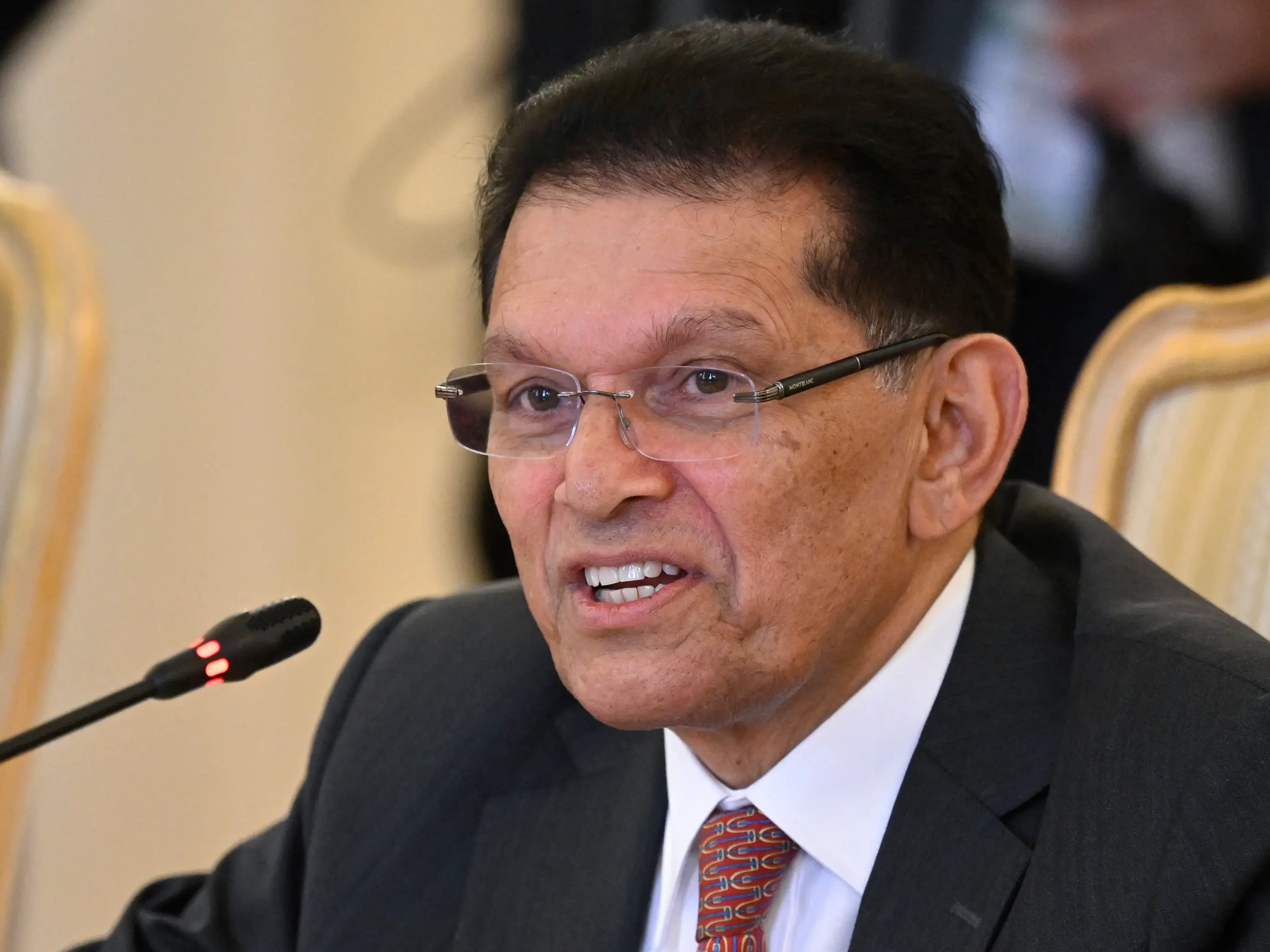)
Who is Khalilur Rahman? All you need to know about 81st UN General Assembly President
&im=FitAndFill=(700,400))
Meet top 5 bowlers in latest ICC T20I rankings
&im=FitAndFill=(700,400))
Suriya and Jyothika say ‘I do’ again after 20 years! See their dreamy wedding pics
)
Cristiano Ronaldo returns to Portugal squad for Nations League under new coach
)
Laura Wolvaardt sets new world record for most WT20I runs in a year
)
Asian Games 2026: Shafali stars as India thump Japan by 8 wickets to book semis berth
)
Ukraine plans record $109 bn defence spending, nearly two thirds of budget amid Russia war
"Taxes matter to development, and it's important that the world get it right," Malpass told CNBC television.
Separately, a group of Democratic senators unveiled a legislative proposal to roll back parts of former President Donald Trump's 2017 US tax cuts.
NEW ATTITUDE
Yellenalso said she would use the IMF and World Bank meetings this week to advance discussions on climate change, improve vaccine access for poor countries and push countries to do more to support a strong global recovery from the coronavirus pandemic.
"We will fare better if we work together and support each other,"Yellensaid.
Her more cooperative approach marks a sharp contrast to the 'America First' approach of her Trump administration predecessor, Steven Mnuchin. She has backed a $650 billion increase in IMF monetary reserves that Mnuchin opposed last year, and said she will work with international institutions and partners on carbon emission reduction targets.
Mnuchin had routinely opposed any climate change references in G20 and other communiques issued from large multilateral gatherings.
Yellenalso has droppeda key Mnuchin demand from international tax negotiations - a provision that would allow large UStechnology companies to opt out of any new rules on taxation of digital services.
PRESSURE ON TAX HAVENS
The new Treasury chief said it was important to "end the pressures of tax competition" and make sure governments "have stable tax systems that raise sufficient revenues in essential public goods and respond to crises, and that all citizens fairly share the burden of financing government."
Separately, a USTreasury official told reporters that it was important to have the world's major economies on board with a global minimum tax to make it effective, but did not say how many countries were needed for this.
The official said the United States would use its own tax legislation to prevent companies from shifting profits or residency to tax haven countries and would encourage other major economies to do the same.
The Biden plan proposes a 21 per centminimum corporate tax rate, coupled with eliminating exemptions on income from countries that do not enact a minimum tax. The administration says the plan will discourage the shifting of jobs and profits overseas.
Yellensaid in her remarks that while advanced economies had successfully supported their economies through the COVID-19 pandemic, it was too early to declare victory, and more support was needed for low income countries to gain access to vaccines.