World Bank warns of stagflation due to Russia's Ukraine invasion

World bank
The World Bank has warned that price shocks in food and fuel prices due to Russian invasion of Ukraine will be felt at least till the end of year 2024. This, said that bank, raises the risk of stagflation. The World Bank has expressed its observation in its latest Commodities Market Outlook report.
The report is World Bank's first comprehensive analysis of the war's impact on commodity market. The bank has said that the world is facing biggest commodity price shock since the 1970s.
It is being aggravated, it said, by restrictions in food, fuel and fertiliser trade that are exacerbating already elevated inflationary pressures around the world.

"Policymakers should take every opportunity to increase economic growth at home and avoid actions that bring harm to the global economy," said Indermit Gill, the World Bank’s Vice President for Equitable Growth, Finance, and Institutions.
Russia is the world's largest natural gas and fertiliser exporter, and second largest crude oil exporter. Together with Ukraine, it accounts for nearly a third of global wheat exports, 19% of corn exports and 80% of exports of sunflower oil exports.
There has been a disruption in export and production of natural gas, fertilisers, crude oil and other commodities since Russia's invasion of Ukraine on February 24 this year.
&imwidth=180&imheight=135&format=webp&quality=medium)
Blasts heard in Sanaa as Saudi-led coalition warns civilians to evacuate; Houthis vow retaliation
&imwidth=180&imheight=135&format=webp&quality=medium)
Saudi Arabia strikes Yemen oil sites as Houthi missiles target Riyadh; 'limited fire' breaks out at Aramco
&im=FitAndFill=(700,400)&imwidth=180&imheight=135&format=webp&quality=medium)
Navratri 2026: 9 days, 9 forms of Goddess Durga and 9 colours- Check the complete list
&imwidth=180&imheight=135&format=webp&quality=medium)
Trump accuses Houthis of driving up oil prices before US midterms, warns of consequences
&imwidth=180&imheight=135&format=webp&quality=medium)
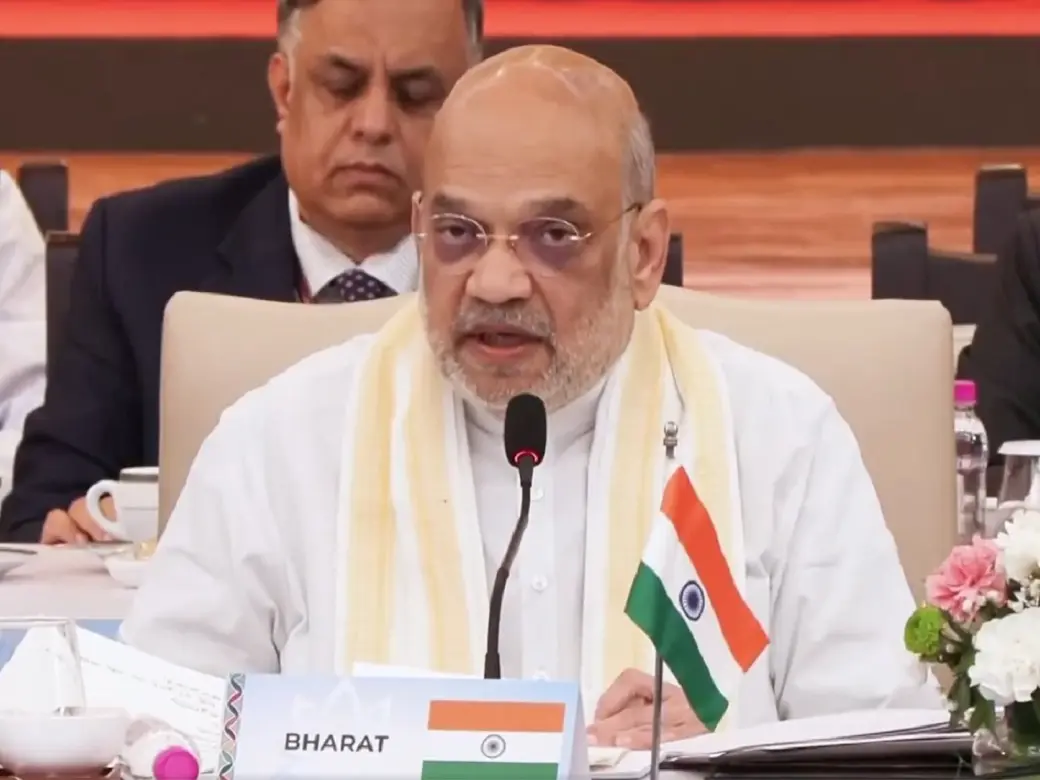
‘Don’t blame SIR, Congress will lose 2029 too’: Amit Shah tells Rahul Gandhi after Gujarat local poll results
&imwidth=180&imheight=135&format=webp&quality=medium)
Trump warns Houthis, says Erdogan would do as asked on Saudi Arabia
&imwidth=180&imheight=135&format=webp&quality=medium)
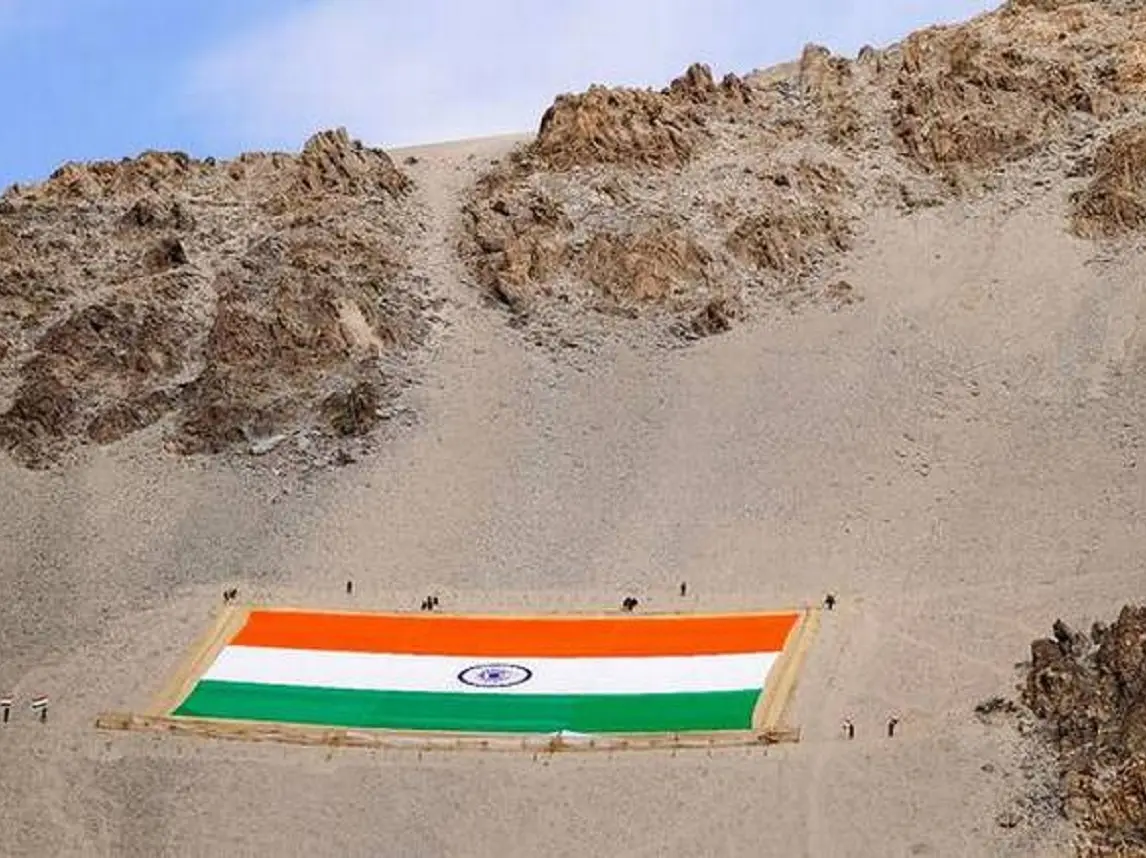
New Delhi rejects Beijing’s claims and remarks on Ladakh location naming exercise
&imwidth=180&imheight=135&format=webp&quality=medium)
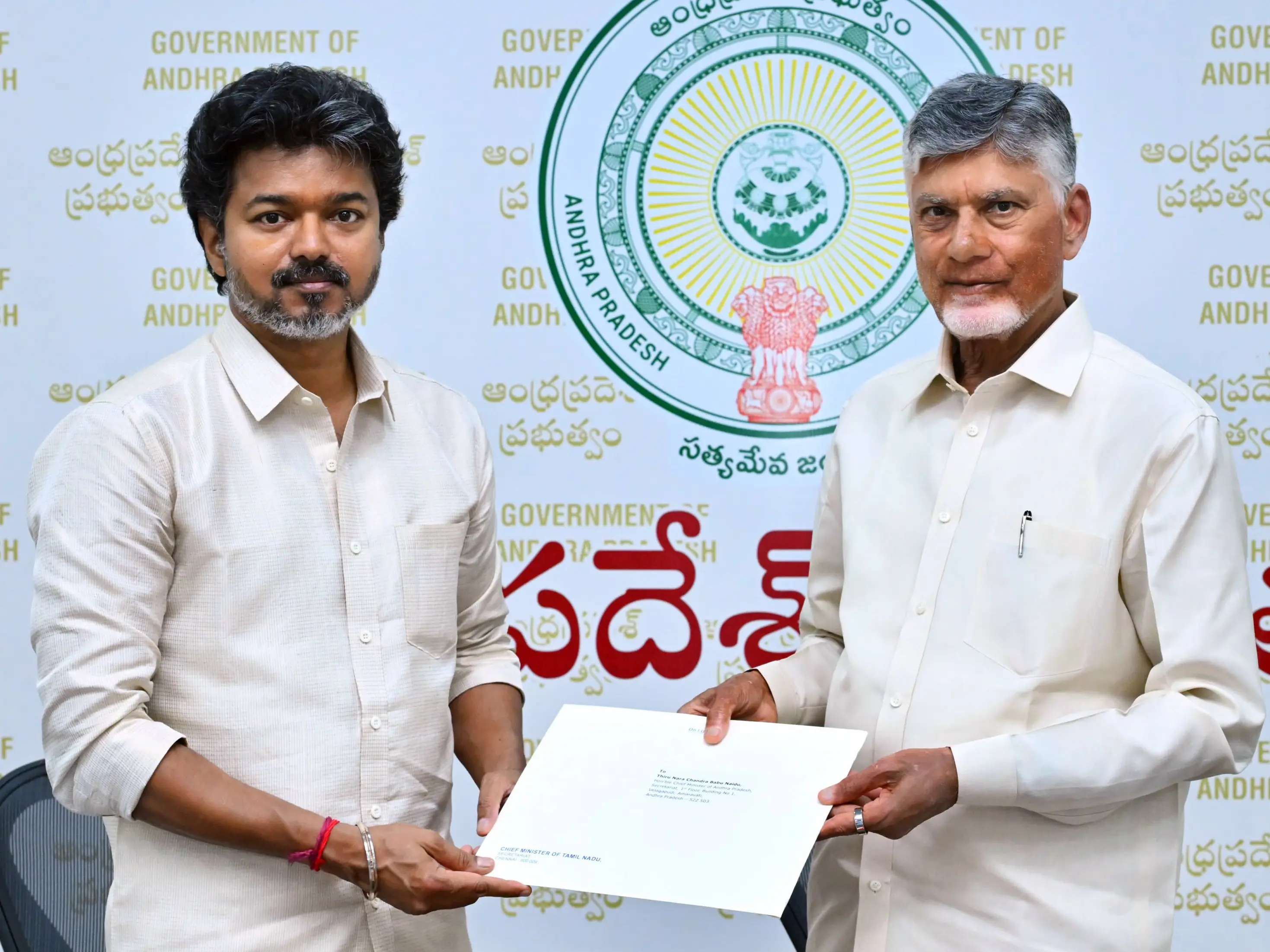
CMs Vijay-Naidu meet in Vijayawada, discuss water sharing, river-linking
&imwidth=180&imheight=135&format=webp&quality=medium)
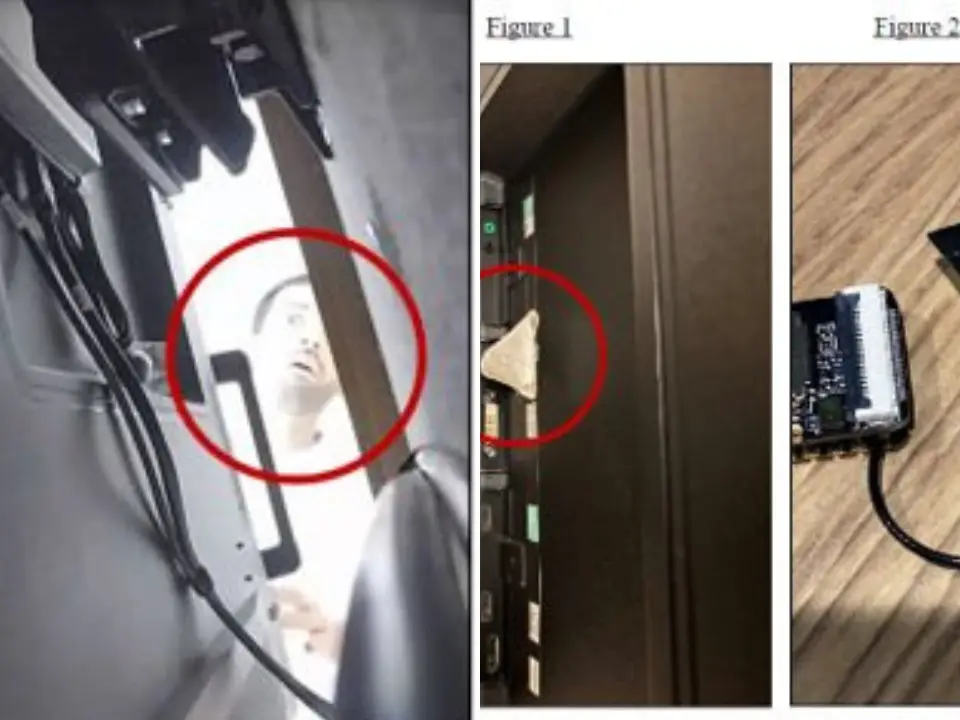
OpenAI employee arrested by FBI after allegedly hiding recording device in office
&imwidth=180&imheight=135&format=webp&quality=medium)
Man dies at Six Flags Georgia: Past accidents at Six Flags amusement parks across US
&imwidth=180&imheight=135&format=webp&quality=medium)
1,500 drones illuminate Mumbai sky as Cordelia Cruises unveils second ship, Cordelia Sky
&imwidth=180&imheight=135&format=webp&quality=medium)
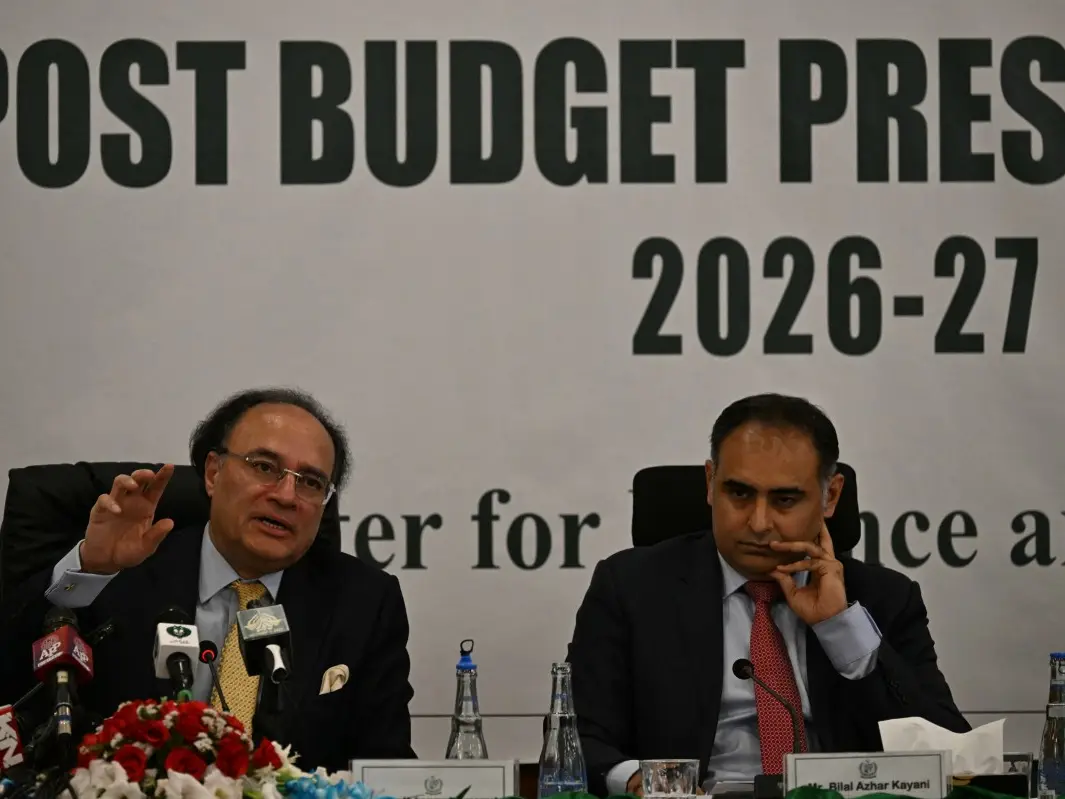
Pakistan to chair UN-backed global Borrowers’ Platform as its own debt burden mounts, triggers sarcastic reactions on social media
&imwidth=180&imheight=135&format=webp&quality=medium)
Suicidal man survives jump from 11th floor in Japan, could now be tried for murder
&imwidth=180&imheight=135&format=webp&quality=medium)
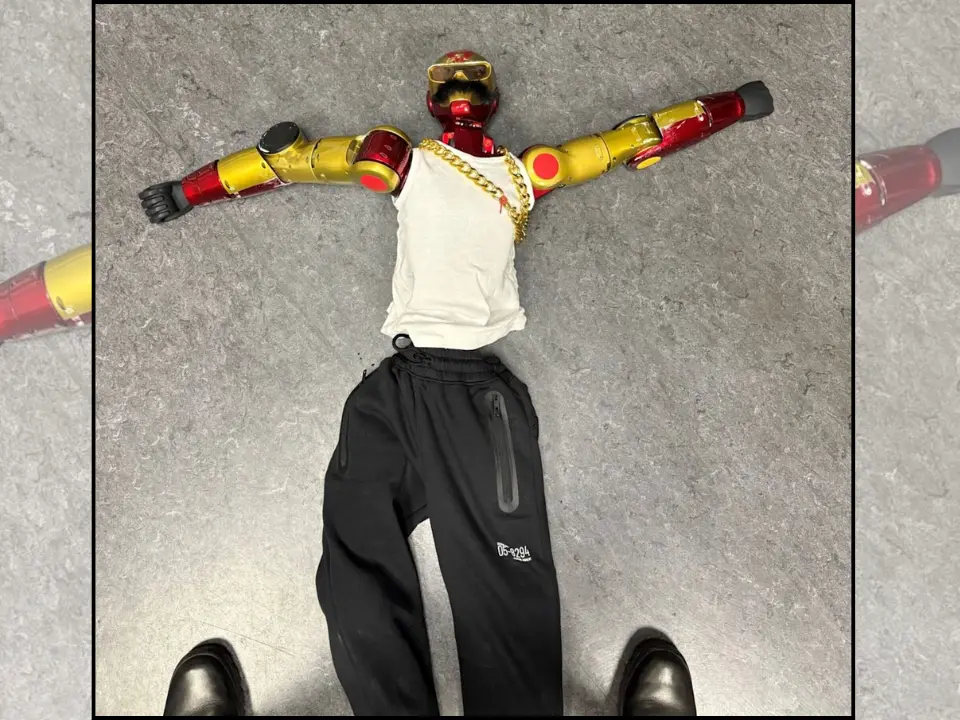
Robot gropes girl, makes thrusting movements in bizarre crime in Germany
&imwidth=180&imheight=135&format=webp&quality=medium)
Trump says Republicans face equally tough fight in House and Senate midterms
&imwidth=180&imheight=135&format=webp&quality=medium)
France accuses Musk of ‘online harassment’ of European leaders, warns of poll interference
&imwidth=180&imheight=135&format=webp&quality=medium)
MI5 chief warns Russia is UK’s ‘aggressor number one’ as Iran and AI threats grow
&imwidth=180&imheight=135&format=webp&quality=medium)
'Turn approver, resign, we'll forgive you': Rahul Gandhi claims receiving messages from CEC Gyanesh Kumar
&imwidth=180&imheight=135&format=webp&quality=medium)
‘My president, I mean my husband’: Trump's new press secretary Katie Zacharia's first briefing goes off the rails in 14 minutes
&im=FitAndFill=(700,400)&imwidth=180&imheight=135&format=webp&quality=medium)
IMF World Economic Outlook: 10 economies to watch for growth in FY27 and FY28 - Where does India stand?
&imwidth=180&imheight=135&format=webp&quality=medium)
L Murugan resigns as Union Minister, expresses wish to return to grassroots
&imwidth=180&imheight=135&format=webp&quality=medium)
'Ouch!!! That must hurt': Kangana Ranaut hails Kamal Haasan's sharp reply to Elon Musk over Starlink row
&imwidth=180&imheight=135&format=webp&quality=medium)
Sidhu Moose Wala’s younger brother wins hearts by recreating late singer’s signature move at Toronto Hologram Show
&imwidth=180&imheight=135&format=webp&quality=medium)
Girl 'dead' for 8 hours wakes up at her own funeral, dad insists she wasn't breathing
&imwidth=180&imheight=135&format=webp&quality=medium)
UK school ditches technology, shifts from screen to pen and paper for learning
&im=FitAndFill=(700,400)&imwidth=180&imheight=135&format=webp&quality=medium)
New OTT releases this week (October 12-18, 2026): Sacrifice, Koffee with Karan S9, Roadies Rebirth- 6 titles coming on Netflix, JioHotstar and more
&imwidth=180&imheight=135&format=webp&quality=medium)
Out on bail in fatal Mercedes crash, 20-year-old arrested again for allegedly trying to run over people in Odisha
&imwidth=180&imheight=135&format=webp&quality=medium)
Rahul Gandhi speaks on Anti-CeC protests: Gathering over tea after Supreme Court rally
&imwidth=180&imheight=135&format=webp&quality=medium)
Anupam Kher joins Ranbir Kapoor's Ramayana as Jatayu, new poster unveiled
&imwidth=180&imheight=135&format=webp&quality=medium)
Measles kills again: 6 dead in Pennsylvania as America faces its worst outbreak in decades | Gravitas
&imwidth=180&imheight=135&format=webp&quality=medium)
Mundhe: Fight against unsafe food goes on
&imwidth=180&imheight=135&format=webp&quality=medium)
Cornell University suspends fraternity parties over 2024 gang rape allegations
The bank said commodity prices will only retreat slightly and stay well above the most recent five-year average for the medium term.
"In the event of a prolonged war, or additional (Western) sanctions on Russia, prices could be even higher and more volatile than currently projected," it said.
WATCH WION LIVE HERE
In terms of policy responses to the crisis, the bank singled out tax cuts and subsidies that it said tend to exacerbate supply shortfalls and price hikes, calling instead for school feeding programmes as well as cash transfers and public employment programmes for disadvantaged groups.
(With inputs from agencies)