Will BRICS emerge as bloc within a bloc at Florida G20, flex its growing clout?

&imwidth=600&imheight=450&format=webp&quality=medium "Will BRICS emerge as bloc within a bloc at Florida G20, flex its growing clout?")
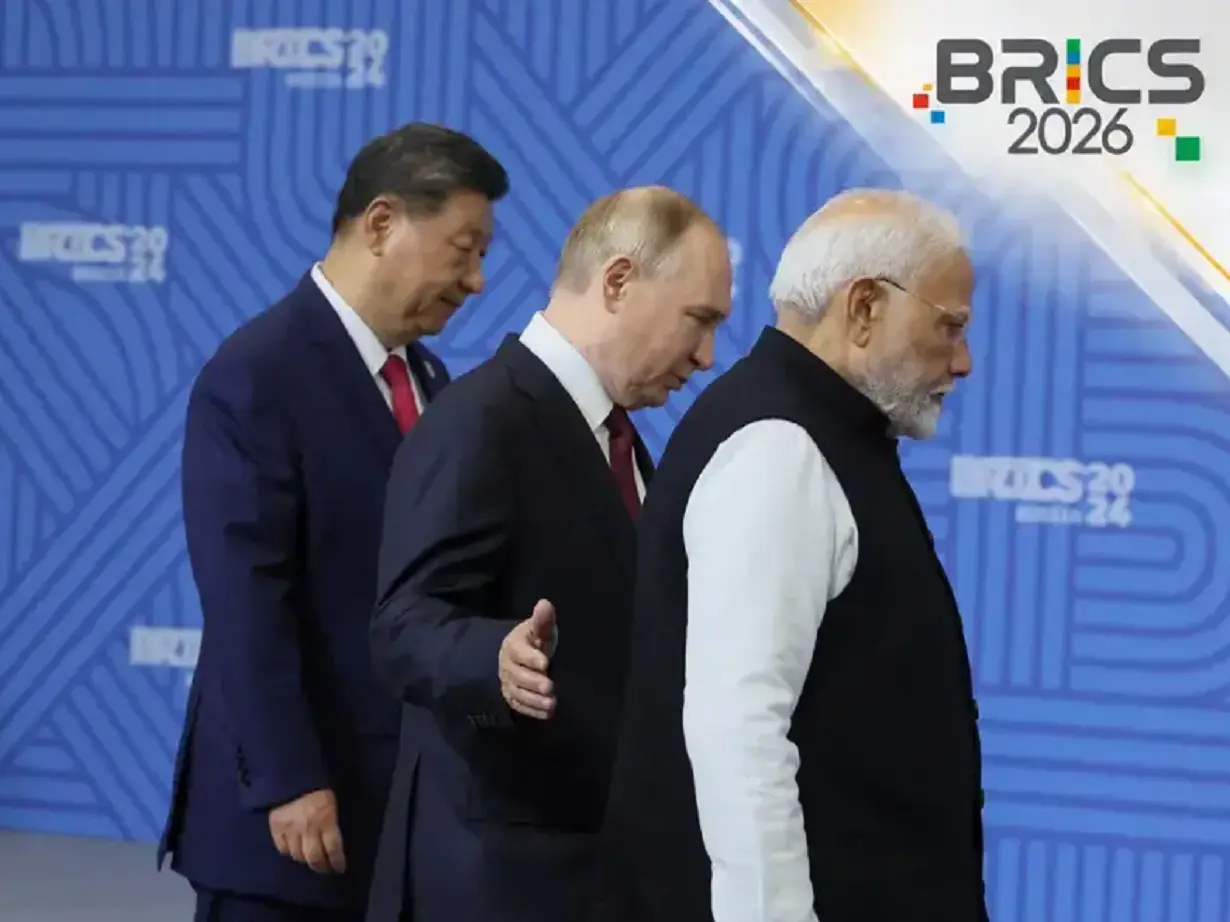
BRICS now commands a substantial share of the world’s population and economic activity. Photograph: (AFP)
As BRICS gathers momentum and bargaining power, one question is increasingly becoming significant. Diplomats and strategists are now analysing whether BRICS can emerge as an effective “bloc within a bloc” in the G20 Leaders Summit and present a distinct collective voice.
The rapid growth of BRICS has turned the grouping of nations into an increasingly influential alternative voice within the global order. BRICS has evolved considerably since its original grouping of Brazil, Russia, India, China and South Africa, and it now brings together 11 countries after including Egypt, Ethiopia, Iran, the United Arab Emirates, Indonesia and Saudi Arabia. Besides, Belarus, Bolivia, Kazakhstan, Cuba, Malaysia, Nigeria, Thailand, Uganda, Uzbekistan and Vietnam joined BRICS as partner countries in 2025, further increasing the grouping’s clout as it commands a substantial share of the world’s population and economic activity.
It is notable that all five original BRICS members are also members of the G20. This gives BRICS members the ability to promote their priorities inside the G20 while coordinating separately among themselves.
BRICS nations demand greater influence for developing countries in financial institutions
BRICS members demand greater influence for developing countries in institutions like the International Monetary Fund and World Bank, while also supporting reforms of global governance.
BRICS countries can coordinate on issues where their interests overlap, like reform of global financial institutions, greater representation for emerging economies, development finance, trade and the use of national currencies.
As BRICS gathers momentum and bargaining power, one question is increasingly becoming significant. Diplomats and strategists are now analysing whether BRICS can emerge as an effective “bloc within a bloc” in the G20 Leaders Summit and present a distinct collective voice.
Trending Stories
&imwidth=280&imheight=210&format=webp&quality=medium)
&imwidth=280&imheight=210&format=webp&quality=medium)
&imwidth=280&imheight=210&format=webp&quality=medium)
&imwidth=280&imheight=210&format=webp&quality=medium)
&imwidth=280&imheight=210&format=webp&quality=medium)
&imwidth=280&imheight=210&format=webp&quality=medium)
&imwidth=280&imheight=210&format=webp&quality=medium)
&imwidth=280&imheight=210&format=webp&quality=medium)
&imwidth=280&imheight=210&format=webp&quality=medium)
&imwidth=280&imheight=210&format=webp&quality=medium)
&imwidth=280&imheight=210&format=webp&quality=medium)
&imwidth=280&imheight=210&format=webp&quality=medium)
&imwidth=280&imheight=210&format=webp&quality=medium)
&imwidth=280&imheight=210&format=webp&quality=medium)
&imwidth=280&imheight=210&format=webp&quality=medium)
&imwidth=280&imheight=210&format=webp&quality=medium)
&imwidth=280&imheight=210&format=webp&quality=medium)
&imwidth=280&imheight=210&format=webp&quality=medium)
&imwidth=280&imheight=210&format=webp&quality=medium)
&imwidth=280&imheight=210&format=webp&quality=medium)
&imwidth=280&imheight=210&format=webp&quality=medium)
&imwidth=280&imheight=210&format=webp&quality=medium)
&imwidth=280&imheight=210&format=webp&quality=medium)
&imwidth=280&imheight=210&format=webp&quality=medium)
&imwidth=280&imheight=210&format=webp&quality=medium)
&imwidth=280&imheight=210&format=webp&quality=medium)
&im=FitAndFill=(700,400)&imwidth=280&imheight=210&format=webp&quality=medium)
&imwidth=280&imheight=210&format=webp&quality=medium)
&imwidth=280&imheight=210&format=webp&quality=medium)
&imwidth=280&imheight=210&format=webp&quality=medium)
&imwidth=280&imheight=210&format=webp&quality=medium)
&imwidth=280&imheight=210&format=webp&quality=medium)
&imwidth=280&imheight=210&format=webp&quality=medium)
&imwidth=280&imheight=210&format=webp&quality=medium)
G20 struggling to maintain consensus
The probability of such a situation gains importance as the G20 itself is struggling to maintain consensus. The United States, which holds the 2026 G20 presidency, has placed economic growth, trade imbalances and other “America First” priorities high on the agenda.
At a recent G20 finance ministers’ meeting in North Carolina, China objected to language on non-market policies and global trade imbalances and prevented a joint communiqué. As a result, the US issued a chair’s statement.
China obstructed consensus on language concerning “non-market policies” aimed at addressing global trade imbalances. While 19 G20 members, including the US, EU, Japan, and India, agreed on the need to eliminate such practices, China opposed wording that targeted its economic strategies, thereby blocking a joint communiqué.
However, China and Russia may see the G20 as an opportunity to challenge what they regard as an overly Western-dominated global economic order.
The G20 continues to possess a major institutional advantage: it brings together the world's largest economies from both the developed and developing worlds.
BRICS may evolve into a powerful negotiating bloc within the broader global system of G20, giving emerging economies greater leverage.
If BRICS succeeds, the G20 may have to negotiate not simply with individual emerging powers, but with a more organised Global South coalition.