Who is Ahmad Vahidi? Is IRGC chief shaping Iran’s war decisions? Here’s what we know

&imwidth=600&imheight=450&format=webp&quality=medium "Who is Ahmad Vahidi? Is IRGC chief shaping Iran’s war decisions? Here’s what we know")
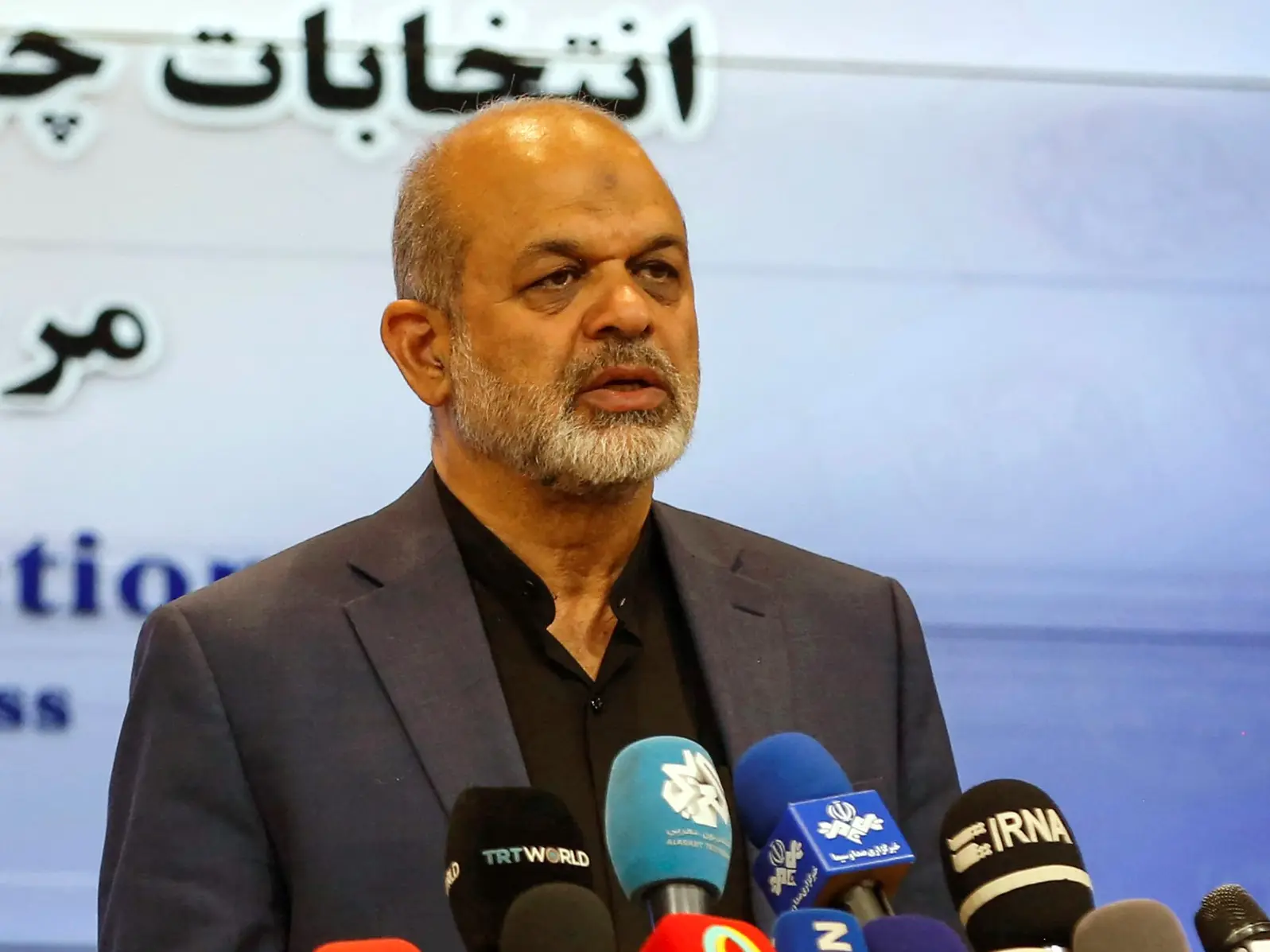
Then-Iranian Interior Minister Ahmad Vahidi speaks at a candidates' registration office in Tehran on May 30, 2024 Photograph: (AFP)
Ahmad Vahidi is the Commander-in-Chief of the IRGC, a hardline veteran and former Quds Force leader who now centralises Iran’s military-security strategy, increasingly overshadowing civilian diplomacy.
US President Donald Trump has claimed that Iran’s government is “seriously fractured” amid the ongoing conflict involving the US and Israel, as he announced an extension of the ceasefire. He said Washington was allowing time for “their leaders and representatives” to reach a unified position, though he did not name specific figures in Tehran. However, developments within Iran suggest not a breakdown but a restructuring of power, with authority increasingly concentrated within a hardline military-security establishment. This shift is also being reflected in Tehran’s hesitation to proceed with a second round of talks.
Following initial negotiations in Islamabad, Iran’s Foreign Minister Abbas Araghchi had said the Strait of Hormuz would remain “completely open” and indicated possible flexibility on issues such as nuclear enrichment and regional alliances.
That position was quickly reversed. The negotiating team was recalled to Tehran, and state-run media criticised Araghchi, saying his remarks had allowed Trump to “declare himself the winner”. Soon after, Iran’s armed forces announced the Strait had been closed again, citing the continued US naval blockade.
Power shifting to security core
This shows a tightly coordinated system centred around the Islamic Revolutionary Guard Corps (IRGC), the Supreme National Security Council, and politically connected security figures. At the centre of this structure is IRGC chief Ahmad Vahidi, supported by senior official Mohammad Bagher Zolghadr. Experts argue that Iran’s governance model does not reflect a simple divide between civilian and military leadership. Instead, diplomacy and military strategy are closely intertwined within a unified system dominated by security institutions.
Trending Stories
&imwidth=280&imheight=210&format=webp&quality=medium)
&imwidth=280&imheight=210&format=webp&quality=medium)
&imwidth=280&imheight=210&format=webp&quality=medium)
&imwidth=280&imheight=210&format=webp&quality=medium)
&imwidth=280&imheight=210&format=webp&quality=medium)
&imwidth=280&imheight=210&format=webp&quality=medium)
&im=FitAndFill=(700,400)&imwidth=280&imheight=210&format=webp&quality=medium)
&imwidth=280&imheight=210&format=webp&quality=medium)
&imwidth=280&imheight=210&format=webp&quality=medium)
&imwidth=280&imheight=210&format=webp&quality=medium)
&imwidth=280&imheight=210&format=webp&quality=medium)
&imwidth=280&imheight=210&format=webp&quality=medium)
&imwidth=280&imheight=210&format=webp&quality=medium)
&imwidth=280&imheight=210&format=webp&quality=medium)
&imwidth=280&imheight=210&format=webp&quality=medium)
&imwidth=280&imheight=210&format=webp&quality=medium)
&imwidth=280&imheight=210&format=webp&quality=medium)
&imwidth=280&imheight=210&format=webp&quality=medium)
&imwidth=280&imheight=210&format=webp&quality=medium)
&imwidth=280&imheight=210&format=webp&quality=medium)
&imwidth=280&imheight=210&format=webp&quality=medium)
&imwidth=280&imheight=210&format=webp&quality=medium)
&imwidth=280&imheight=210&format=webp&quality=medium)
&imwidth=280&imheight=210&format=webp&quality=medium)
&imwidth=280&imheight=210&format=webp&quality=medium)
&imwidth=280&imheight=210&format=webp&quality=medium)
&imwidth=280&imheight=210&format=webp&quality=medium)
&imwidth=280&imheight=210&format=webp&quality=medium)
&imwidth=280&imheight=210&format=webp&quality=medium)
&imwidth=280&imheight=210&format=webp&quality=medium)
&imwidth=280&imheight=210&format=webp&quality=medium)
&imwidth=280&imheight=210&format=webp&quality=medium)
&imwidth=280&imheight=210&format=webp&quality=medium)
&imwidth=280&imheight=210&format=webp&quality=medium)
&imwidth=280&imheight=210&format=webp&quality=medium)
&imwidth=280&imheight=210&format=webp&quality=medium)
The IRGC, formed after Iran’s 1979 revolution, has evolved from a protective force into the country’s most powerful institution. It now operates as a military, intelligence network, and economic actor, with influence across Lebanon, Iraq, Syria and Yemen through allied groups.
Its Basij force enforces domestic control, while the Quds Force oversees overseas operations. Analysts say years of sanctions and conflict have strengthened the IRGC, enabling it to build parallel structures that rival formal state institutions. As a result, Iran is increasingly described as a system where the military-security apparatus shapes policy, while civilian institutions implement it.
Ahmad Vahidi’s rise
At the centre of this shift is Vahidi, a founding member of the IRGC and former Quds Force commander, who has emerged as one of the most influential figures in Iran’s leadership. Elevated after his predecessor was killed early in the conflict, Vahidi is seen by analysts as representing the most hardline faction within the establishment. His influence extends beyond military operations into strategic decision-making, including ceasefire terms and escalation policies.
He has played a key role in developing Iran’s network of allied militias across West Asia, which form a central pillar of Tehran’s regional strategy. Vahidi also remains under sanctions from the US, the European Union and Canada over alleged links to terrorism and nuclear activities.

