What is US dollar system? How powerful is Bessent’s ‘Economic Outcast’ warning for China | WION Explains

&imwidth=600&imheight=450&format=webp&quality=medium "What is US dollar system? How powerful is Bessent’s ‘Economic Outcast’ warning for China | WION Explains")
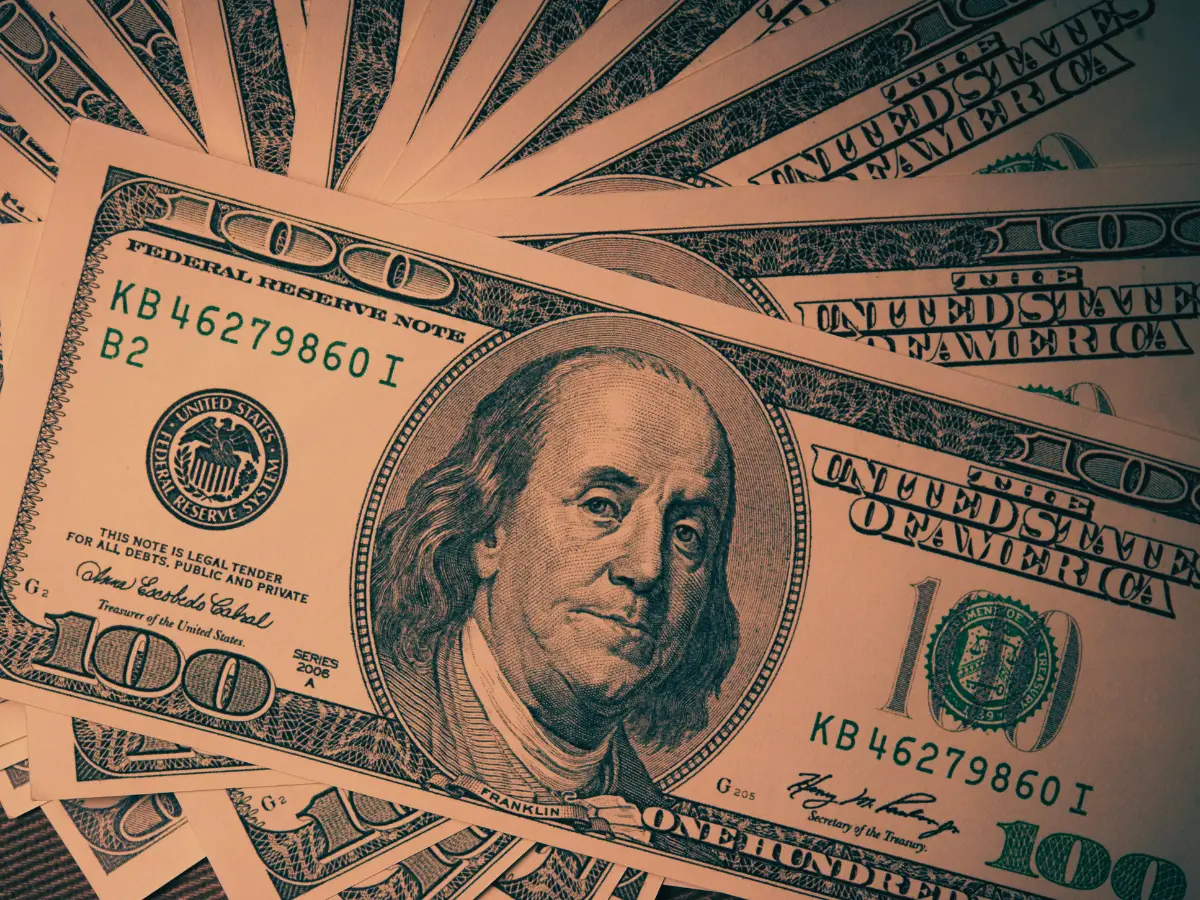
Image for representation Photograph: (Freepik)
US dollar system leverages global financial dominance, threatening secondary sanctions against entities aiding Iran via Operation Economic Outcast to sever Tehran's economic lifelines under pain of global market isolation.
US Treasury Secretary Scott Bessent on Monday (Aug 24) issued a stark warning for countries to cut any financial ties with Iran or risk being cut off from the US dollar system, launching a new economic pressure campaign against the Islamic Republic as the military front has reached a stalemate six months into the war.
Called “Operation Economic Outcast”, the campaign is being presented as a financial “D-Day”, drawing a comparison with the US-led invasion of Normandy during World War II. However, Bessent’s remarks offered few specific public actions and largely appeared to serve as a warning to countries maintaining financial links with Tehran.
“Well, we are giving everyone the opportunity to remedy bad behaviour, why would I want to blow up the global financial system?” Bessent said when asked why the administration had not announced specific or immediate measures.
He said President Donald Trump was speaking with world leaders, while officials from the Defence, Treasury and State departments were contacting their counterparts to demand that they sever ties with Tehran.
Bessent said the administration would not publicly name countries or give timelines for possible action, saying such discussions were taking place behind the scenes.
Trending Stories
&imwidth=280&imheight=210&format=webp&quality=medium)
&im=FitAndFill=(700,400)&imwidth=280&imheight=210&format=webp&quality=medium)
&im=FitAndFill=(700,400)&imwidth=280&imheight=210&format=webp&quality=medium)
&imwidth=280&imheight=210&format=webp&quality=medium)
&imwidth=280&imheight=210&format=webp&quality=medium)
&imwidth=280&imheight=210&format=webp&quality=medium)
&imwidth=280&imheight=210&format=webp&quality=medium)
&imwidth=280&imheight=210&format=webp&quality=medium)
&imwidth=280&imheight=210&format=webp&quality=medium)
&imwidth=280&imheight=210&format=webp&quality=medium)
&imwidth=280&imheight=210&format=webp&quality=medium)
&imwidth=280&imheight=210&format=webp&quality=medium)
&imwidth=280&imheight=210&format=webp&quality=medium)
&imwidth=280&imheight=210&format=webp&quality=medium)
&imwidth=280&imheight=210&format=webp&quality=medium)
&imwidth=280&imheight=210&format=webp&quality=medium)
&imwidth=280&imheight=210&format=webp&quality=medium)
&imwidth=280&imheight=210&format=webp&quality=medium)
&imwidth=280&imheight=210&format=webp&quality=medium)
&imwidth=280&imheight=210&format=webp&quality=medium)
&imwidth=280&imheight=210&format=webp&quality=medium)
&im=FitAndFill=(700,400)&imwidth=280&imheight=210&format=webp&quality=medium)
&imwidth=280&imheight=210&format=webp&quality=medium)
&imwidth=280&imheight=210&format=webp&quality=medium)
&imwidth=280&imheight=210&format=webp&quality=medium)
&imwidth=280&imheight=210&format=webp&quality=medium)
&imwidth=280&imheight=210&format=webp&quality=medium)
&imwidth=280&imheight=210&format=webp&quality=medium)
&imwidth=280&imheight=210&format=webp&quality=medium)
&imwidth=280&imheight=210&format=webp&quality=medium)
&imwidth=280&imheight=210&format=webp&quality=medium)
&imwidth=280&imheight=210&format=webp&quality=medium)
&imwidth=280&imheight=210&format=webp&quality=medium)
“We’re not going to name names. We’ve already seen some results, and I am confident the president, as you all know, is quite persuasive,” Bessent said at a press conference announcing the sanctions plan.
“I would expect that very quickly, if they do not respond, then you will see the ramifications of their actions.”
China, Iran’s largest trading partner and a major destination for its oil exports, was notably absent from Bessent’s remarks. Iranian oil exports to China have declined sharply during the war. Trump is scheduled to host Chinese President Xi Jinping for a state visit on September 24, with the two sides seeking to advance a trade deal.
Asked whether the administration was holding back on Beijing, Bessent said no country “is above the reach of US sanctions”.
“We find that the best way to engage with countries is through quiet diplomacy, and we are level-setting with every country to tell them our expectations,” he said. The Trump administration has previously sanctioned Chinese entities involved in processing Iranian oil.
What is the US dollar system?
The US dollar system refers to the global financial network in which the dollar plays a central role in international trade, banking and payments. The dollar is the world’s dominant reserve currency and is widely used by governments, companies and financial institutions to conduct cross-border transactions. Many commodities, including oil, are also priced and traded in dollars.
A large part of international banking passes through institutions linked to the US financial system. This gives Washington significant influence over global financial transactions and allows it to impose sanctions on countries, companies or individuals.
Also read: What are the chances US-Iran agreement will work out? Expert says less than 50%. Here's why
One of the key tools is access to the US banking system. The US Treasury can restrict sanctioned entities from using American banks or dealing in dollars. It can also impose secondary sanctions on foreign companies and financial institutions that continue certain dealings with sanctioned countries.
In practice, this means that a company or bank may face a choice between maintaining business with a sanctioned country such as Iran and retaining access to the much larger US-linked financial system.
This is the leverage behind Bessent’s warning. By threatening countries that continue financial ties with Tehran with consequences under the US sanctions regime, Washington is seeking to make the economic cost of doing business with Iran higher.
China says it will safeguard interests
China on Tuesday (Aug 25) said it would take measures to protect its interests after the US announced plans to impose further sanctions on Iran and entities linked to the country, including some in China. Washington has also expanded threats of secondary sanctions as part of what it described as an effort towards the “economic asphyxiation” of Iran, a key economic partner of Beijing.
“China has already stated many times that it firmly opposes illegal unilateral sanctions,” Chinese Foreign Ministry spokesman Lin Jian said at a regular press briefing. “China will take all necessary measures to firmly safeguard its own rights and interests,” he added.

