What is ‘Hexagon Alliance’, proposed by Benjamin Netanyahu ahead of PM Modi' Israel visit?

&imwidth=600&imheight=450&format=webp&quality=medium "What is ‘Hexagon Alliance’, proposed by Benjamin Netanyahu ahead of PM Modi' Israel visit?")
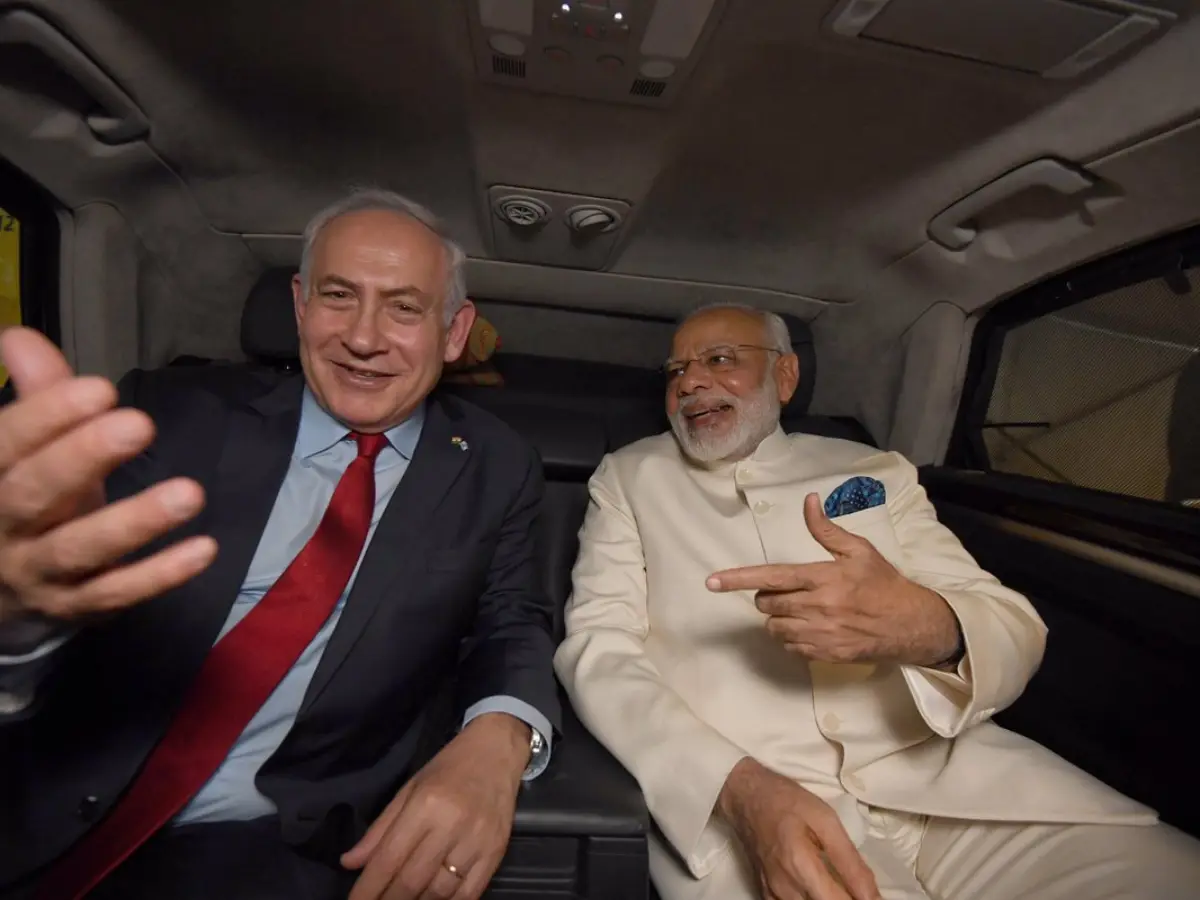
Benjamin Netanyahu and Narendra Modi Photograph: (AFP)
Israel PM Benjamin Netanyahu proposes a ‘hexagon’ alliance including India to counter regional threat axes ahead of India PM Narendra Modi’s visit to Israel
On the eve of Prime Minister Narendra Modi’s state visit to Israel, Israeli Prime Minister Benjamin Netanyahu has unveiled a proposal for a new strategic coalition that could reshape alignments in West Asia. Netanyahu described the idea as a “hexagon of alliances”, a structured grouping of countries that share similar security concerns and strategic interests. India was identified as a central partner, alongside Israel, Greece, and Cyprus. The framework is also expected to draw in select Arab, African, and Asian countries, though specific names have not yet been disclosed.
The announcement, issued by Israel’s foreign office on February 22, comes at a time of heightened geopolitical friction in the region. Tensions between Israel and Iran remain elevated, while Pakistan and Saudi Arabia formalised a Strategic Mutual Defence Agreement in September 2025, an arrangement some analysts have likened to an “Islamic Nato.” Turkey has also signalled possible interest in that pact.
Also Read: First round of India-Israel FTA negotiations begins in New Delhi ahead of PM Modi’s visit
Modi’s visit to Israel on February 25–26 marks his second trip to the country as Prime Minister. According to India’s Ministry of External Affairs, discussions between the two leaders are expected to cover regional developments and broader global issues of shared concern. During a cabinet meeting, Netanyahu outlined his vision for the alliance architecture, stating that it would bring together nations across the Middle East, the Mediterranean, Africa, and Asia that share common assessments of regional threats.
What is Hexagon Alliance?
He characterised the proposed bloc as a counter to what he called two destabilising forces: a “radical Shia axis,” primarily referring to Iran and its allied groups such as Hamas, Hezbollah, and the Houthis; and what he termed an emerging “radical Sunni axis,” which he linked to extremist organisations operating in the region.
Trending Stories
&imwidth=280&imheight=210&format=webp&quality=medium)
&im=FitAndFill=(700,400)&imwidth=280&imheight=210&format=webp&quality=medium)
&imwidth=280&imheight=210&format=webp&quality=medium)
&imwidth=280&imheight=210&format=webp&quality=medium)
&imwidth=280&imheight=210&format=webp&quality=medium)
&imwidth=280&imheight=210&format=webp&quality=medium)
&im=FitAndFill=(700,400)&imwidth=280&imheight=210&format=webp&quality=medium)
&imwidth=280&imheight=210&format=webp&quality=medium)
&imwidth=280&imheight=210&format=webp&quality=medium)
&imwidth=280&imheight=210&format=webp&quality=medium)
&imwidth=280&imheight=210&format=webp&quality=medium)
&im=FitAndFill=(700,400)&imwidth=280&imheight=210&format=webp&quality=medium)
&imwidth=280&imheight=210&format=webp&quality=medium)
&imwidth=280&imheight=210&format=webp&quality=medium)
&imwidth=280&imheight=210&format=webp&quality=medium)
&imwidth=280&imheight=210&format=webp&quality=medium)
&imwidth=280&imheight=210&format=webp&quality=medium)
&imwidth=280&imheight=210&format=webp&quality=medium)
&imwidth=280&imheight=210&format=webp&quality=medium)
&imwidth=280&imheight=210&format=webp&quality=medium)
&imwidth=280&imheight=210&format=webp&quality=medium)
&imwidth=280&imheight=210&format=webp&quality=medium)
&imwidth=280&imheight=210&format=webp&quality=medium)
&imwidth=280&imheight=210&format=webp&quality=medium)
&imwidth=280&imheight=210&format=webp&quality=medium)
&imwidth=280&imheight=210&format=webp&quality=medium)
&imwidth=280&imheight=210&format=webp&quality=medium)
&imwidth=280&imheight=210&format=webp&quality=medium)
&imwidth=280&imheight=210&format=webp&quality=medium)
&imwidth=280&imheight=210&format=webp&quality=medium)
Unlike earlier informal alignments, including the India-UAE-Israel-Greece understanding and multilateral platforms such as I2U2, this initiative signals a more formalised and security-focused structure. The proposed hexagon framework is intended to expand cooperation in defence coordination, intelligence-sharing, and strategic resilience.
By publicly articulating the concept and naming both partners and adversaries, Netanyahu has elevated the discussion from quiet diplomatic coordination to an openly declared strategic doctrine — one that positions India as a pivotal player in an evolving regional balance.

