What is China’s Atlas Drone Swarm System and is it emerging as a security concern for India and the world?

&imwidth=600&imheight=450&format=webp&quality=medium "What is China’s Atlas Drone Swarm System and is it emerging as a security concern for India and the world?")
Atlas Drone Swarm System Photograph: (AI Genrated)
Built around a Swarm-2 combat vehicle, a command unit, and a support vehicle, Atlas is designed for reconnaissance, electronic disruption, and coordinated strikes.
In late March, the People’s Liberation Army (PLA) unveiled its Atlas drone swarm system, a mobile battlefield platform designed to deploy and coordinate large numbers of drones from a single command point. Mounted on vehicles, the system is intended to launch up to 96 drones in a coordinated swarm, with control consolidated under one operator. Chinese state-linked reporting describes it as a mobile ‘mini-battlefield network’, integrating rapid launch capability, mobility, and multi-role drone functions.
The system reflects a broader shift in modern warfare towards networked, unmanned operations. Built around a Swarm-2 combat vehicle, a command unit, and a support vehicle, Atlas is designed for reconnaissance, electronic disruption, and coordinated strikes. With launch intervals of under three seconds per drone, it can deploy a full swarm in minutes, underscoring China’s emphasis on high-speed, coordinated unmanned systems in future battlefield concepts..
System architecture and rapid mass launch capability
The Swarm-2 platform can carry and launch up to 48 fixed-wing drones, while a single command vehicle can control up to 96 drones simultaneously in a coordinated swarm.
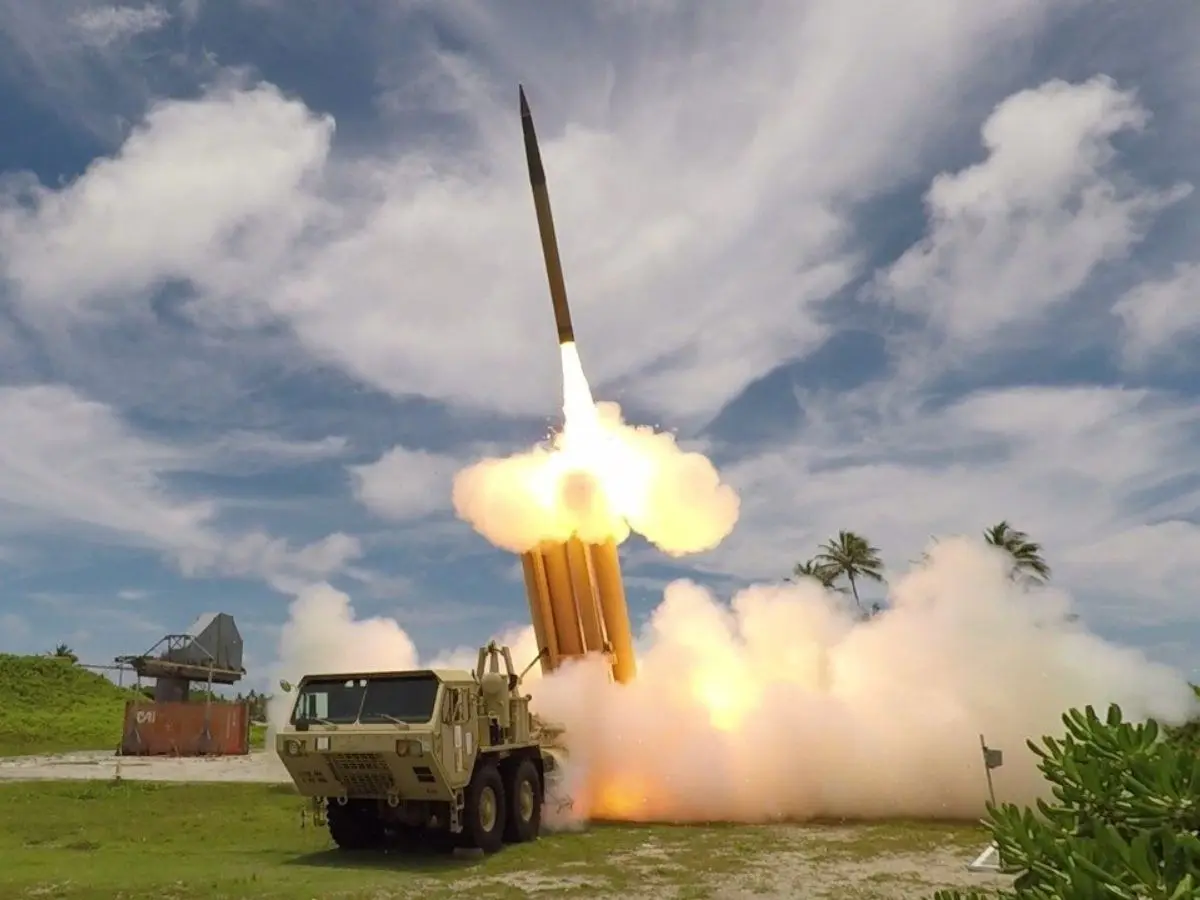
ALSO READ: '50% of stockpile depleted': What are US THAAD missiles, what makes them so rare and critical?
The three seconds launch sequencing between drones allows the full deployment of 96 drones within roughly 300 seconds for reconnaissance or attack missions. According to PLA-linked demonstrations, the system enables flexible grouping of drones into different operational formations, including coordinated defensive structures and precision strike patterns.
Trending Stories
&imwidth=280&imheight=210&format=webp&quality=medium)
&imwidth=280&imheight=210&format=webp&quality=medium)
&imwidth=280&imheight=210&format=webp&quality=medium)
&imwidth=280&imheight=210&format=webp&quality=medium)
&imwidth=280&imheight=210&format=webp&quality=medium)
&imwidth=280&imheight=210&format=webp&quality=medium)
&imwidth=280&imheight=210&format=webp&quality=medium)
&imwidth=280&imheight=210&format=webp&quality=medium)
&imwidth=280&imheight=210&format=webp&quality=medium)
&imwidth=280&imheight=210&format=webp&quality=medium)
&imwidth=280&imheight=210&format=webp&quality=medium)
&imwidth=280&imheight=210&format=webp&quality=medium)
&imwidth=280&imheight=210&format=webp&quality=medium)
&imwidth=280&imheight=210&format=webp&quality=medium)
&imwidth=280&imheight=210&format=webp&quality=medium)
&imwidth=280&imheight=210&format=webp&quality=medium)
&imwidth=280&imheight=210&format=webp&quality=medium)
&imwidth=280&imheight=210&format=webp&quality=medium)
&imwidth=280&imheight=210&format=webp&quality=medium)
&imwidth=280&imheight=210&format=webp&quality=medium)
&imwidth=280&imheight=210&format=webp&quality=medium)
&imwidth=280&imheight=210&format=webp&quality=medium)
&imwidth=280&imheight=210&format=webp&quality=medium)
&imwidth=280&imheight=210&format=webp&quality=medium)
&imwidth=280&imheight=210&format=webp&quality=medium)
&imwidth=280&imheight=210&format=webp&quality=medium)
&im=FitAndFill=(700,400)&imwidth=280&imheight=210&format=webp&quality=medium)
&imwidth=280&imheight=210&format=webp&quality=medium)
&imwidth=280&imheight=210&format=webp&quality=medium)
&imwidth=280&imheight=210&format=webp&quality=medium)
&imwidth=280&imheight=210&format=webp&quality=medium)
&imwidth=280&imheight=210&format=webp&quality=medium)
&imwidth=280&imheight=210&format=webp&quality=medium)
&imwidth=280&imheight=210&format=webp&quality=medium)
&imwidth=280&imheight=210&format=webp&quality=medium)
&imwidth=280&imheight=210&format=webp&quality=medium)
Operational capability and swarm functions
Each drone within the Atlas system can carry different payloads, conduct electro-optical reconnaissance, and relay communications. The system is designed for swarm-level coordination, where drones can adapt formations and execute tasks collectively while retaining individual autonomy.
Comparative references in Chinese defence commentary note that other systems, such as the US DARPA ‘Offset’ programme and the “Perdix” micro-drone swarm, have demonstrated large-scale deployments. China’s own ‘Jiu Tian’ drone mothership concept has also been reported to release 100–150 drones. The Atlas system is distinguished in official descriptions by its emphasis on coordinated control rather than sheer numbers alone.
Manufacturer and strategic context
The system is manufactured by China Electronic Technology Group Corporation (CETC), a state-owned defence electronics conglomerate working closely with the PLA. CETC has been central to China’s military-electronics development and operates within the country’s broader civil-military integration strategy. Its fields include communications equipment, computers, electronic equipment, software development, research services, investment and asset management for civil and military applications.
The Atlas drone swarm system has reportedly undergone multiple advanced trials, including a full public-facing demonstration conducted by the People’s Liberation Army (PLA) in March. This marked one of the first instances in which the system’s integrated launch and control capabilities were shown in a coordinated format. However, there has been no official confirmation from Beijing regarding operational battlefield deployment or a formal export version.
Debate around exportability remains open.
Chinese military affairs expert Wang Yunfei told the Global Times the system could greatly expand battlefield use, including saturation attacks on enemy air defenses, precision strikes and deep-strike missions. More broadly, the Atlas system fits into China’s doctrine of'intelligentized warfare', outlined in PLA strategic writings and the 14th Five-Year Plan, which envisions future conflicts as increasingly uncrewed, networked, and AI-driven.