

&imwidth=800&imheight=600&format=webp&quality=medium "What is Article 5 of US-Iran deal, and why is it being blamed for Hormuz unrest? WION Decodes")
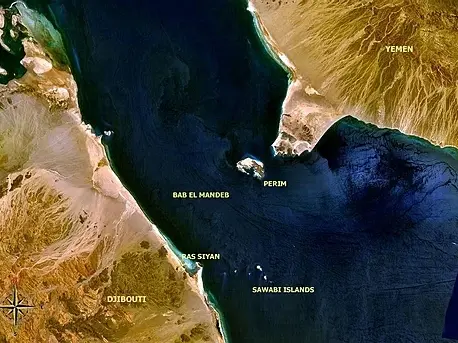
Just two weeks after the US and Iran signed a memorandum of understanding (MoU) aimed at ending months of conflict in West Asia, the agreement is facing its first major test. Tensions flare once again over the Strait of Hormuz. The two sides have exchanged accusations of violating the terms of the June 17 agreement following a fresh round of military strikes linked to the strategic waterway. At the centre of the dispute is Article 5 of the interim MoU, which outlines commitments to ensure the safe passage of commercial vessels through the Strait of Hormuz.
The latest escalation began on Friday (June 26) after a commercial ship transiting the strait was struck by a projectile. America responded with military strikes on Iranian targets, although Tehran has not claimed responsibility for the attack. Since then, both governments have accused each other of breaching Article 5 of the agreement.
What is Article 5 of the US-Iran MoU?
The interim agreement, signed by US President Donald Trump and Iranian President Masoud Pezeshkian, was designed to create room for broader negotiations on sanctions relief, Iran's nuclear programme and regional security. Its 5th article specifically addresses the reopening of the Strait of Hormuz, one of the world's most important maritime chokepoints.
The provision commits Iran to facilitating the resumption of commercial shipping after maritime traffic was severely disrupted when Tehran announced a blockade of the waterway following the outbreak of the US-Iran conflict on February 28.
Trending Stories
&im=FitAndFill=(700,400)&imwidth=180&imheight=135&format=webp&quality=medium)
Navratri 2026: 9 days, 9 forms of Goddess Durga and 9 colours- Check the complete list
&imwidth=180&imheight=135&format=webp&quality=medium)
Korean peninsula tensions escalate as North Korea launches multiple ballistic missiles, PACOM says 'no threat to US personnel'
&imwidth=180&imheight=135&format=webp&quality=medium)
Trump weighs firing Kimberly Guilfoyle as US ambassador to Greece amid misconduct allegations: Report
&imwidth=180&imheight=135&format=webp&quality=medium)
Anti-SIR protest in Mumbai: Protestors wear black masks & ribbons in Mumbai
&imwidth=180&imheight=135&format=webp&quality=medium)
UK PM Andy Birnham renews claims of Russian meddling in Brexit vote
&imwidth=180&imheight=135&format=webp&quality=medium)
BCCI rejects venue shift reports, India vs Sri Lanka 1st ODI to remain in Delhi
&imwidth=180&imheight=135&format=webp&quality=medium)
1,500 drones illuminate Mumbai sky as Cordelia Cruises unveils second ship, Cordelia Sky
&imwidth=180&imheight=135&format=webp&quality=medium)
India Rejects Pakistan-China Boundary Commission, Tells Islamabad to Drop 'Theatrics' | GRAVITAS
&imwidth=180&imheight=135&format=webp&quality=medium)
Houthis warns US of 'painful response' if Washington joins Saudi war in Yemen as airlines suspend flights to Saudi Arabia
&imwidth=180&imheight=135&format=webp&quality=medium)
Congress demands action against chief election commissioner
&imwidth=180&imheight=135&format=webp&quality=medium)
Apple HomeView smart home hub may launch soon with A18 chip, display and Siri controls: What to expect
&imwidth=180&imheight=135&format=webp&quality=medium)
'Turn approver, resign, we'll forgive you': Rahul Gandhi claims receiving messages from CEC Gyanesh Kumar
&imwidth=180&imheight=135&format=webp&quality=medium)
'I will not be silenced': Ilhan Omar alleges political intimidation after federal officers search her Washington home
&imwidth=180&imheight=135&format=webp&quality=medium)
Use AI as your ‘second brain’: Meta AI chief Alexandr Wang’s message to young people
&imwidth=180&imheight=135&format=webp&quality=medium)
Robotic surgery, advanced treatment: What is coming to this small Gujarat town?
&imwidth=180&imheight=135&format=webp&quality=medium)
US federal agents raid Dem Rep Ilhan Omar’s home ahead of midterms
&imwidth=180&imheight=135&format=webp&quality=medium)
Pakistan's government blames PTI for rise of terrorism in Khyber Pakhtunkhwa
&imwidth=180&imheight=135&format=webp&quality=medium)
‘This is just the start’: Maaya Rajeshwaran on historic ITF title, confidence boost and future goals
&im=FitAndFill=(700,400)&imwidth=180&imheight=135&format=webp&quality=medium)
How does a robot decide what to do next?
&imwidth=180&imheight=135&format=webp&quality=medium)
ICC penalises West Indies duo Powell, Rutherford for Code of Conduct breach
&imwidth=180&imheight=135&format=webp&quality=medium)
Trump says he 'may' meet North Korean leader Kim Jong Un during upcoming Asia trip
&imwidth=180&imheight=135&format=webp&quality=medium)
'Ouch!!! That must hurt': Kangana Ranaut hails Kamal Haasan's sharp reply to Elon Musk over Starlink row
&imwidth=180&imheight=135&format=webp&quality=medium)
Sidhu Moose Wala’s younger brother wins hearts by recreating late singer’s signature move at Toronto Hologram Show
&imwidth=180&imheight=135&format=webp&quality=medium)
UK school ditches technology, shifts from screen to pen and paper for learning
&imwidth=180&imheight=135&format=webp&quality=medium)
Opposition’s 10 demands in Supreme Court petition range from stay on SIR to audit of voter rolls
&imwidth=180&imheight=135&format=webp&quality=medium)
'I am thoroughly unamused': Judge slams Trump administration after 400 trees cut at Washington golf course
&imwidth=180&imheight=135&format=webp&quality=medium)
Portugal Federation confirms Cristiano Ronaldo’s return to national team despite suspension
&im=FitAndFill=(700,400)&imwidth=180&imheight=135&format=webp&quality=medium)
New OTT releases this week (October 12-18, 2026): Sacrifice, Koffee with Karan S9, Roadies Rebirth- 6 titles coming on Netflix, JioHotstar and more
&imwidth=180&imheight=135&format=webp&quality=medium)
Rishabh Pant ruled out of India A squad for New Zealand tour, Kumar Kushagra named replacement
&imwidth=180&imheight=135&format=webp&quality=medium)
India's Ajit Doval, Iran's Mohsen Rezaei hold talks amid escalating West Asia tensions, discuss 'issues of mutual interest'
&imwidth=180&imheight=135&format=webp&quality=medium)
'Almost certainly': UK Prime Minister Andy Burnham says Iran's IRGC behind RAF Fairford threat
&imwidth=180&imheight=135&format=webp&quality=medium)
Elon Musk pumps $276 million into Republican campaigns ahead of US midterm elections
Article 5 says, "Iran will make arrangements using its best efforts for the safe passage of commercial vessels with no charge for 60 days only from the Persian Gulf to the Sea of Oman and vice versa." The article also requires the removal of "technical and military obstacles", including Iranian naval mines, within 30 days.
In addition, it says Iran will engage in dialogue with the Sultanate of Oman to determine the future administration and maritime services in the Strait of Hormuz, in consultation with other Gulf littoral states and in accordance with international law and the sovereign rights of coastal states.
What do experts say?
Peter Kuznick, professor of history and director of the Nuclear Studies Institute at American University, told WION that the latest incident is unlikely to be the defining event that brings down the agreement. "This incident is only a slight influence in terms of the possibility of breaking it up," Kuznick said.
Meanwhile, analyst Elijah Magnier said renewed military confrontation remains unlikely despite warnings from Washington. US President Donald Trump has warned that the US could reimpose a blockade if Iran fails to comply with the roadmap laid out in the MoU.
Also read: What are the chances US-Iran agreement will work out? Expert says less than 50%. Here's why
Magnier argued that restarting the conflict would carry high economic and political costs for Washington, particularly given the sensitivity of global oil markets to any disruption in the Gulf. "I don't think the MoU was made for him to resume the blockade or the war," he said, adding that some of Trump's remarks may be intended for domestic political audiences and regional allies dissatisfied with the outcome of the conflict.

