'Matter of safety, fairness, respect, and truth': US to block trans women from entering on visas to compete in women’s sports

&imwidth=600&imheight=450&format=webp&quality=medium "'Matter of safety, fairness, respect, and truth': US to block trans women from entering on visas to compete in women’s sports")
US to block trans women from entering on visas to compete in women’s sports Photograph: (Reuters)
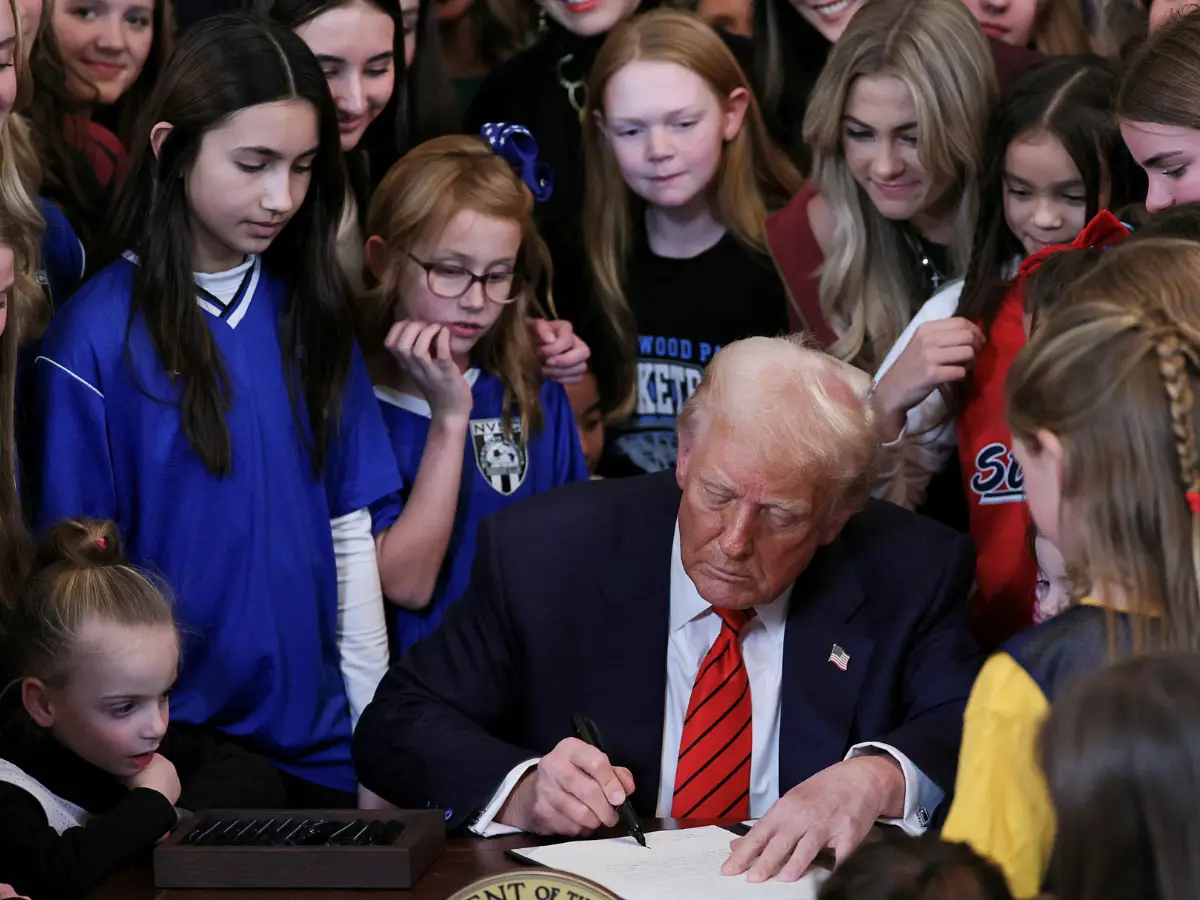
The US is updating visa rules to bar transgender women from competing in elite women’s sports, blocking “extraordinary ability” visas. The policy follows a Trump-era executive order on trans athletes.
The US Department of Homeland Security is updating its visa policy to stop transgender women from travelling to the country to take part in elite women’s sporting events. New guidance issued by US Citizenship and Immigration Services (USCIS) on Monday will prevent athletes from obtaining “extraordinary ability” visas to compete in female sports. The policy stems from an executive order signed by President Donald Trump in the early weeks of his presidency aimed at barring trans women from female sports.
Guidance targets ‘male athletes’ in women’s categories
The updated rules avoid using the term “transgender” and instead refer to “male athletes” seeking to compete in women’s events. Matthew Tragesser, a USCIS spokesperson, said the agency is “closing the loophole for foreign male athletes whose only chance at winning elite sports is to change their gender identity and leverage their biological advantages against women.”
“It’s a matter of safety, fairness, respect, and truth that only female athletes receive a visa to come to the US to participate in women’s sports,” he added. “The Trump Administration is standing up for the silent majority who’ve long been victims of leftist policies that defy common sense,” he said.
Wider scope beyond sport
The policy applies to three visa categories for individuals with “extraordinary ability” in science, art, education, business, or athletics. It also affects national interest waivers, which allow applicants to bypass labour certification for a green card if their work is deemed beneficial to the US.
Trending Stories
&imwidth=280&imheight=210&format=webp&quality=medium)
&imwidth=280&imheight=210&format=webp&quality=medium)
&imwidth=280&imheight=210&format=webp&quality=medium)
&imwidth=280&imheight=210&format=webp&quality=medium)
&imwidth=280&imheight=210&format=webp&quality=medium)
&imwidth=280&imheight=210&format=webp&quality=medium)
&imwidth=280&imheight=210&format=webp&quality=medium)
&imwidth=280&imheight=210&format=webp&quality=medium)
&imwidth=280&imheight=210&format=webp&quality=medium)
&imwidth=280&imheight=210&format=webp&quality=medium)
&imwidth=280&imheight=210&format=webp&quality=medium)
&imwidth=280&imheight=210&format=webp&quality=medium)
&imwidth=280&imheight=210&format=webp&quality=medium)
&imwidth=280&imheight=210&format=webp&quality=medium)
&imwidth=280&imheight=210&format=webp&quality=medium)
&im=FitAndFill=(700,400)&imwidth=280&imheight=210&format=webp&quality=medium)
&imwidth=280&imheight=210&format=webp&quality=medium)
&imwidth=280&imheight=210&format=webp&quality=medium)
&imwidth=280&imheight=210&format=webp&quality=medium)
&imwidth=280&imheight=210&format=webp&quality=medium)
&imwidth=280&imheight=210&format=webp&quality=medium)
&imwidth=280&imheight=210&format=webp&quality=medium)
&imwidth=280&imheight=210&format=webp&quality=medium)
&imwidth=280&imheight=210&format=webp&quality=medium)
&imwidth=280&imheight=210&format=webp&quality=medium)
&imwidth=280&imheight=210&format=webp&quality=medium)
&imwidth=280&imheight=210&format=webp&quality=medium)
&imwidth=280&imheight=210&format=webp&quality=medium)
&imwidth=280&imheight=210&format=webp&quality=medium)
&imwidth=280&imheight=210&format=webp&quality=medium)
&imwidth=280&imheight=210&format=webp&quality=medium)
Under the change, USCIS will treat the fact that a male athlete has competed against women as a “negative factor” when deciding whether they rank among the top in their sport. The agency also states it is not in the national interest to waive labour certification for trans women whose aim is to compete in female sports.
NCAA and Olympic implications
The NCAA, which oversees US college athletics, has around 25,000 international student athletes out of more than 500,000 total competitors. Its president, Charlie Baker, told a Senate panel last year that he was aware of fewer than 10 trans athletes in the system.
The new rules could have impacted those hoping to compete in the Los Angeles 2028 Summer Olympics. However, the US Olympic and Paralympic Committee last month barred trans women from female sports.
