

&imwidth=800&imheight=600&format=webp&quality=medium "US Supreme Court might end or limit Trump tariffs, and India will smile")
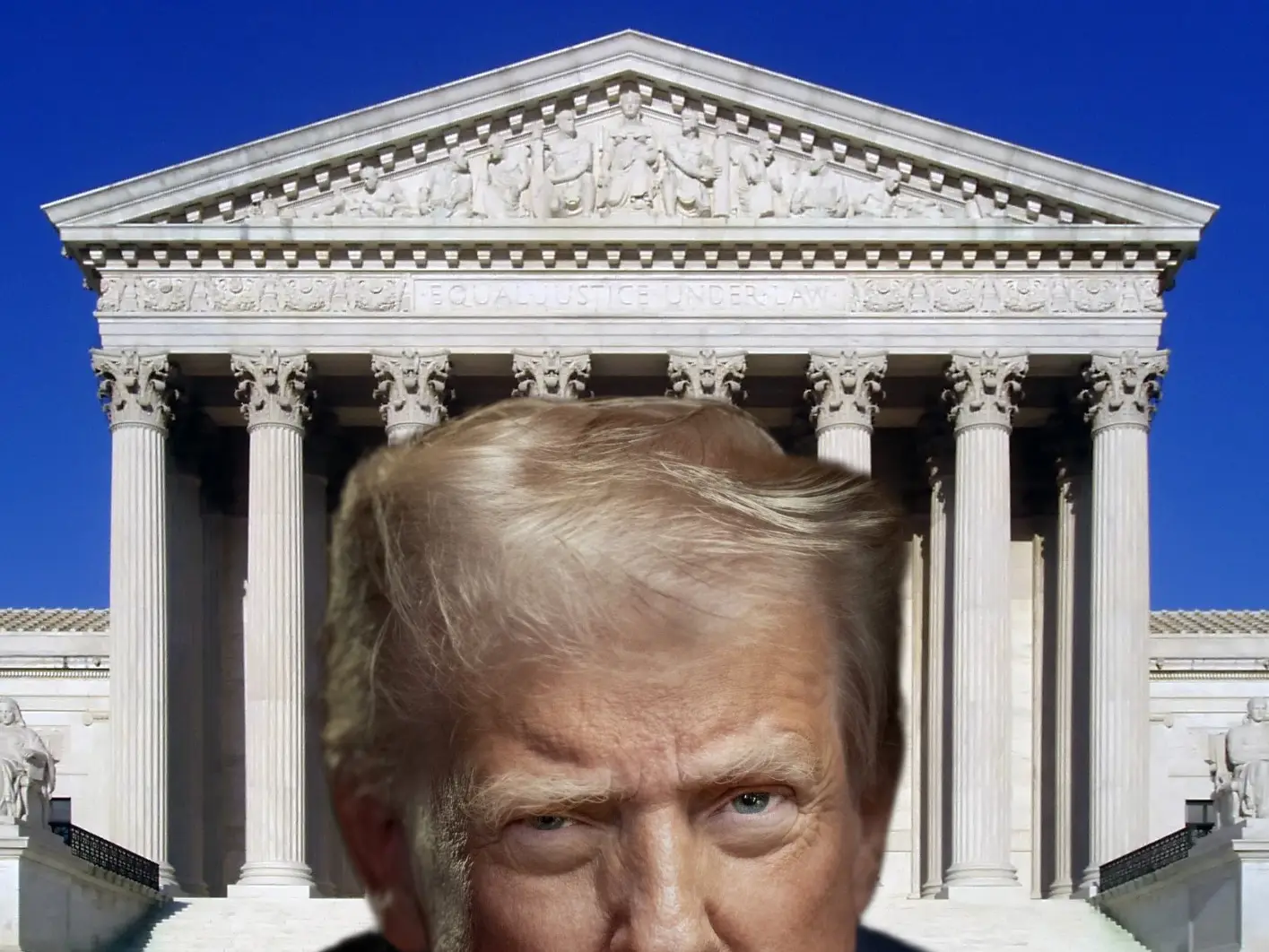
Donald Trump is feeling consternation as the US Supreme Court seems sceptical about the global tariffs he imposed unilaterally on several countries, including India. In all likelihood, the SCOTUS will end, or significantly restrict, the US president's marauding that led to economic pain and diplomatic tussles. If indeed that happens, one country will stand vindicated: India. Prime Minister Modi's government has taken a wait-and-watch approach while not compromising on the interests of Indian stakeholders - from farmers to local businesses. India's trade talks with US have dragged on, possibly intentionally. Now, the biggest resistance to tariffs came from within the US, and Trump might be forced to withdraw at least parts of this punitive regime. Here is what you should know:
What the SCOTUS hearing on Trump tariffs is about
At the heart of the hearings is Trump's use of emergency powers to impose the sweeping tariffs. The question is mainly about how such moves affect or alter US trade law. Specifically, it is about whether the International Emergency Economic Powers Act (IEEPA) allowed the president to unilaterally impose tariffs.
What happened at the Trump tariffs hearing?
Both conservative and liberal justices found the administration’s reading of the US trade law to be too broad. The court appeared more concerned about the “major questions” doctrine, which requires clear congressional authorisation for significant economic or political actions, such as the tariffs.
Trending Stories
&imwidth=180&imheight=135&format=webp&quality=medium)
Brendan Taylor overtakes Andy Flower to become Zimbabwe’s leading ODI run-scorer
&imwidth=180&imheight=135&format=webp&quality=medium)
Pakistan to head IMF, World Bank boards after 74 years amid persistent economic crisis
&imwidth=180&imheight=135&format=webp&quality=medium)
"The scariest thing was"... flydubai Captain Smit Machchhar recalls cockpit fight and how he thought of his son and daughter
&imwidth=180&imheight=135&format=webp&quality=medium)
'We are not sitting in ivory towers, we are aware': SC issues notice to Rahul Gandhi, Akhilesh Yadav
&imwidth=180&imheight=135&format=webp&quality=medium)
Flying car race: Alef Aeronautics welcomes Tesla Roadster '11 years' later, but are the two models the same?
&imwidth=180&imheight=135&format=webp&quality=medium)
6-year-old among 2 killed as vehicle crashes into youth soccer game in US
&imwidth=180&imheight=135&format=webp&quality=medium)
‘I have very severe problems’: Trump fuels health speculation during address to firefighters
&imwidth=180&imheight=135&format=webp&quality=medium)
US midterm elections 2026: Postal ballots and voter disenfranchisement — A key battle for Donald Trump
&imwidth=180&imheight=135&format=webp&quality=medium)
Lizard people? Ex-US Army sniper claims soldier killed by 'reptilian beings' in battle near Area 51
&imwidth=180&imheight=135&format=webp&quality=medium)
‘I don’t know how my family escaped': Congressman Raja Krishnamoorthi chokes while revealing he was inside US temple during foiled attack
&imwidth=180&imheight=135&format=webp&quality=medium)
Rain washes out 5th T20I as India-West Indies share honours 2-2
&imwidth=180&imheight=135&format=webp&quality=medium)
'Reason UN has lost credibility': Amid SIR protests India hits out at report alleging 'youth repression'
&imwidth=180&imheight=135&format=webp&quality=medium)
‘My president, I mean my husband’: Trump's new press secretary Katie Zacharia's first briefing goes off the rails in 14 minutes
&imwidth=180&imheight=135&format=webp&quality=medium)
China responds to Trump's Press Secretary Katie Zacharia after toilet remark: 'Visit China more often'
&imwidth=180&imheight=135&format=webp&quality=medium)
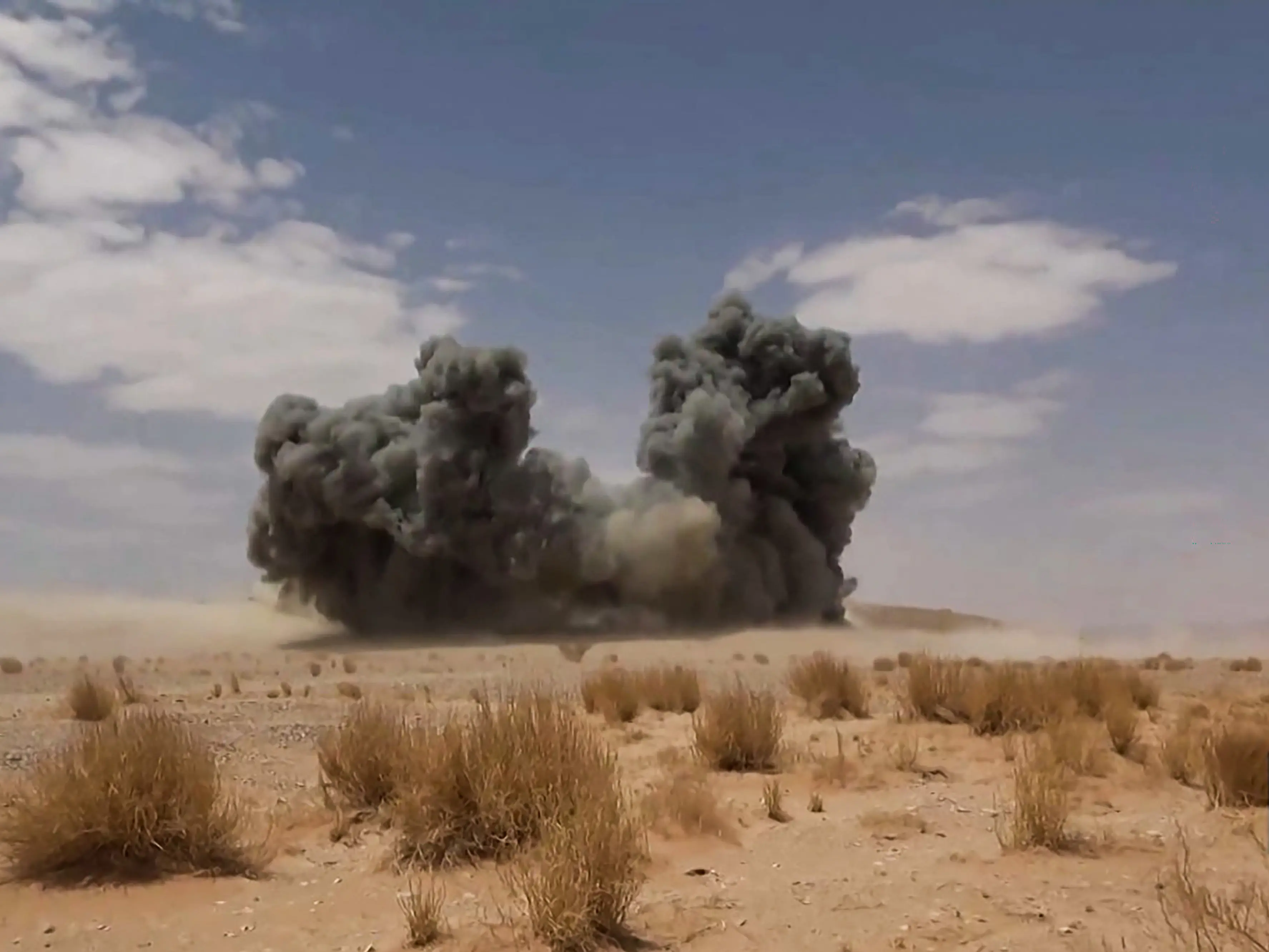
UAE agrees with Saudi Arabia to rejoin Yemen fight as Houthi strikes rattle Riyadh
&imwidth=180&imheight=135&format=webp&quality=medium)
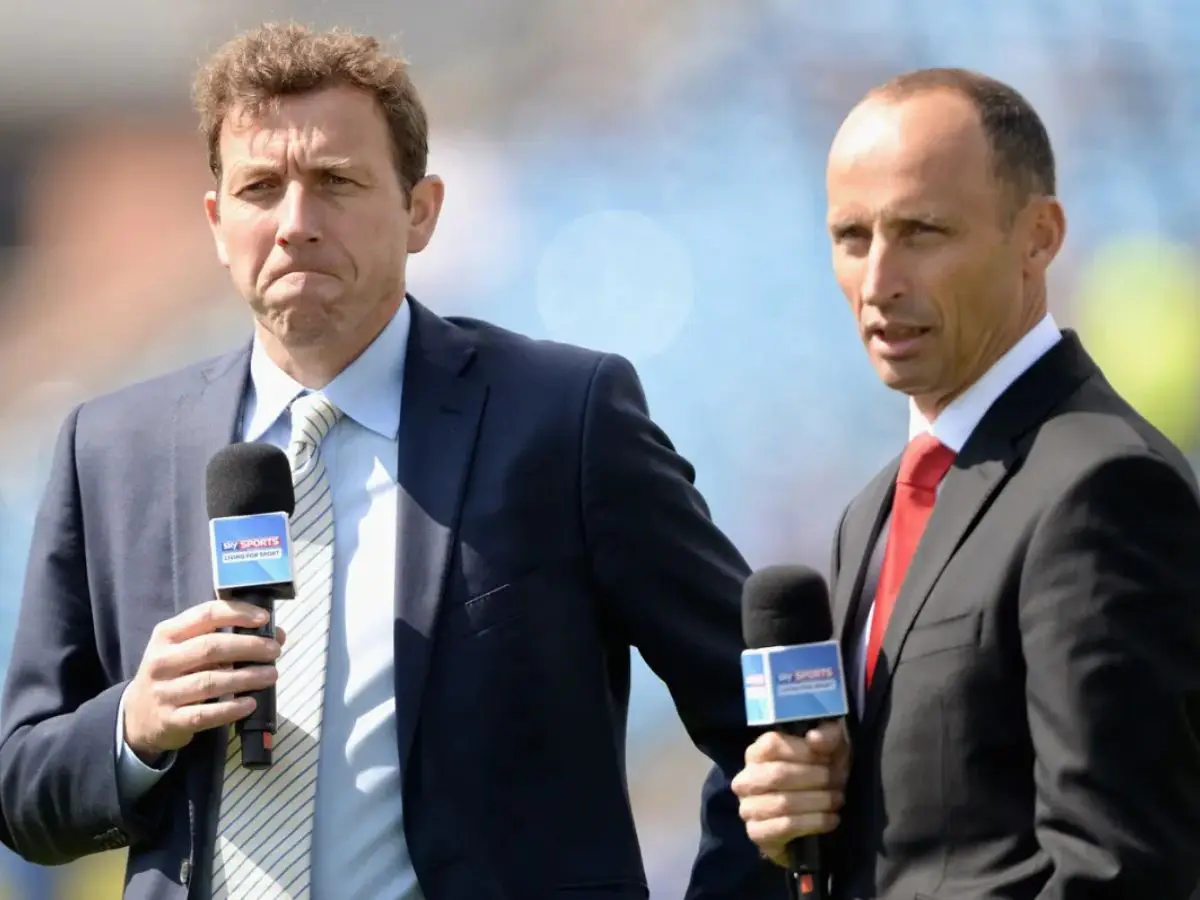
PCB omits Atherton, Hussain from tri-series commentary panel over Imran Khan interview row
&imwidth=180&imheight=135&format=webp&quality=medium)
SA vs AUS 2nd Test: Rain delays start as Rabada returns; Boland replaces Lyon for Australia
&imwidth=180&imheight=135&format=webp&quality=medium)
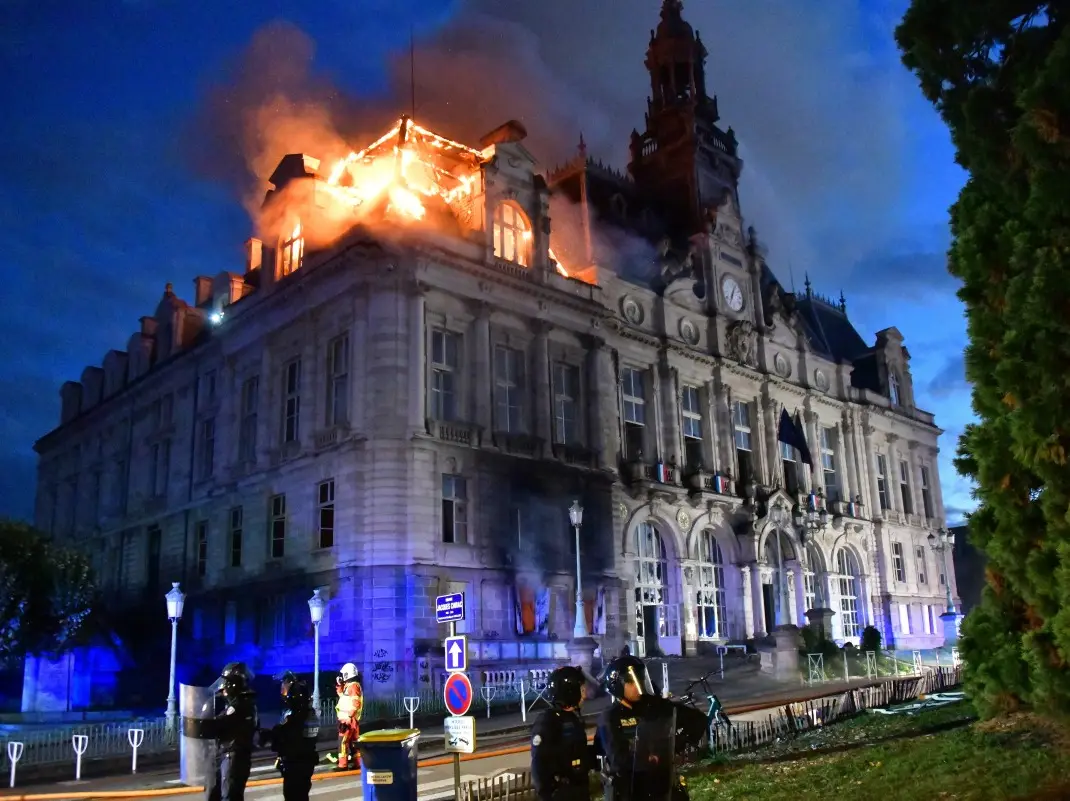
At least 400 arrested as protests turn violent in France; PM blames far left
&imwidth=180&imheight=135&format=webp&quality=medium)
WATCH | iPhones, luxury perfumes floating in Hormuz? Iranian fishermen make bizarre discovery
&imwidth=180&imheight=135&format=webp&quality=medium)
Two students die, 14 injured at Dandiya event in Hyderabad: Know what happened? VIDEO
&imwidth=180&imheight=135&format=webp&quality=medium)
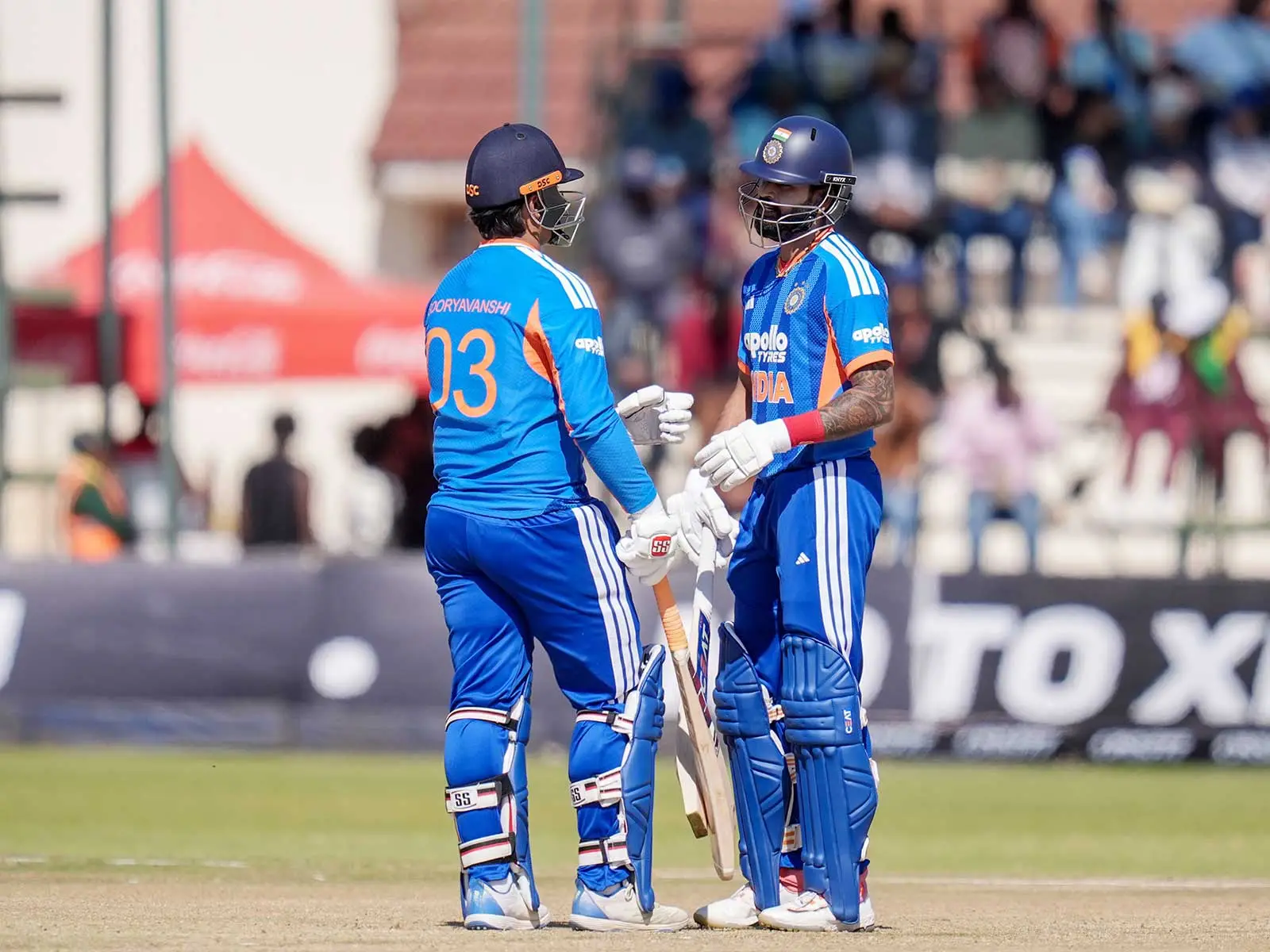
'keep telling him you will get your opportunities': Iyer opens up on conversations with Sooryavanshi
&imwidth=180&imheight=135&format=webp&quality=medium)
‘Be back in few weeks’: Emi Martinez shares first update after head clash in Premier League match
&imwidth=180&imheight=135&format=webp&quality=medium)
Tiger Shroff attacked by three gunmen in Mumbai, actor safe, two injured
&imwidth=180&imheight=135&format=webp&quality=medium)
Taylor Swift performs at star-studded Academy Museum Gala 2026 in stunning Dior ensemble
&imwidth=180&imheight=135&format=webp&quality=medium)
Anirudh Ravichander-Kavya Maran wedding: Telangana CM reveals Chennai reception date
&imwidth=180&imheight=135&format=webp&quality=medium)
Kolkata Durga Puja stampede: PM Modi announces Rs 2 lakh ex-gratia for kin of dead, Amit Shah to visit injured
&im=FitAndFill=(700,400)&imwidth=180&imheight=135&format=webp&quality=medium)
Inside Tesla's Roadster: 10 features of Elon Musk's 'flying car' that push the limits of electric vehicles | In Pics
&imwidth=180&imheight=135&format=webp&quality=medium)
One species, two lineages: Why Sri Lanka’s spectacled cobra differs genetically from Indian variant
&imwidth=180&imheight=135&format=webp&quality=medium)
Oil tanker carrying over 2M barrels of crude hits mine in Strait of Hormuz, catches fire, says Iran
&imwidth=180&imheight=135&format=webp&quality=medium)
2 injured in plane crash on busy California highway
&imwidth=180&imheight=135&format=webp&quality=medium)
'We feel like Mr India': Gujarat’s undercover SHE team guard garba nights at Navratri
&imwidth=180&imheight=135&format=webp&quality=medium)
Cattle-feed bran in biscuits, detergent in milk: FSSAI acts against 3 companies
&imwidth=180&imheight=135&format=webp&quality=medium)
13 dead after truck mows down devotees, crashes into temple gate in Madhya Pradesh's Gwalior
&imwidth=180&imheight=135&format=webp&quality=medium)
IND-W vs ZIM-W, 2nd T20I: When and where to watch live streaming in India?
The Supreme Court Justices , some of them appointed by Trump himself, did not appreciate his administration’s argument that the IEEPA allows the president to announce tariffs. At the hearing on Wednesday (Nov 5), Chief Justice John Roberts questioned whether tariffs (which essentially are taxes on Americans) could really be seen as mere “regulation” under the law.
Justice Amy Coney Barrett pressed the government attorney to explain why regulating 'importation' should include tariffs when no president in the US trade law’s 50-year history had done so.
Justice Neil Gorsuch warned that giving the president such sweeping authority would turn the US Congress’s power to tax and regulate trade into a ‘presidential prerogative.’
Even Brett Kavanaugh, who is generally cautious, questioned whether Congress ever meant IEEPA to authorise such a vast power.
The Solicitor General D John Sauer, defended the tariffs as 'legitimate responses to national emergencies', ranging from trade deficits to the fentanyl drug abuse crisis.
But the justices expressed unease with that reasoning.
Prediction markets think Trump could lose tariff case
Prediction markets and speculative traders are taking positions with the assumption that Trump's wings could be clipped by the court. Traders have quickly reduced their bets on the tariffs surviving the legal test at the SCOTUS. Platforms tracking the case showed steep drops in the odds of a Trump victory, which indicated that Wall Street now expect the court to invalidate or limit Trump's use of IEEPA. In fact, it's the outcome that the market wants: Trump tariffs have brought in inflationary pressures and hit global trade, and the court ruling could ease these, they hope.
Trump is watching the SCOTUS ruling
Trump is feeling a lot of tension on the case, and he has not been silent about it. He called the litigation 'a politically motivated attack'. He insisted that the tariffs were essential to protect American jobs and punish countries like China, Mexico and India for what he calls unfair trade practices. His line on tariffs has been to link them to national security, and even to the geopolitical balance around Russia and Ukraine. He has portrayed tariffs as crucial for maintaining US leverage, while accusing opponents of undermining his authority to act swiftly in emergencies.
Why the Trump tariff legal showdown is important for India
Since 2018, India has faced a number of US tariffs: on steel, aluminium, pharmaceuticals, and textiles, often over ‘national security’ grounds. India has refrained from tit-for-tat retaliation. It has filed challenges at the World Trade Organization, while maintaining dialogue with American trade officials.
India has extended US trade talks to buy time, even as global institutions and courts tested the legality of Trump’s moves. Indian negotiators have long stressed that trade rules must not be rewritten by unilateral presidential action.
That restraint now appears to have been correct in hindsight.
If the justices do indeed bulldoze Trump’s tariff machine, India will have reason to smile
The Supreme Court’s decision, which might take weeks or even months, will determine whether presidents can continue to wield emergency powers to reshape global trade on their own.
If it limits or strikes down Trump’s IEEPA tariffs, it will affirm the principle that only legislatures can authorise taxes and trade barriers, not the president. It will echo India’s argument that international commerce must rest on clear, rules-based frameworks rather than impulsive executive orders.
On the ground, it could ease pressure on Indian exporters who have faced tariff surcharges of up to 50 per cent in some sectors. Politically, it would strengthen India’s image as a defender of multilateralism.

