US raises alarm after China tests nuclear-capable missile over Pacific, says Beijing's arsenal of 'great concern'

&imwidth=600&imheight=450&format=webp&quality=medium "US raises alarm after China tests nuclear-capable missile over Pacific, says Beijing's arsenal of 'great concern'")
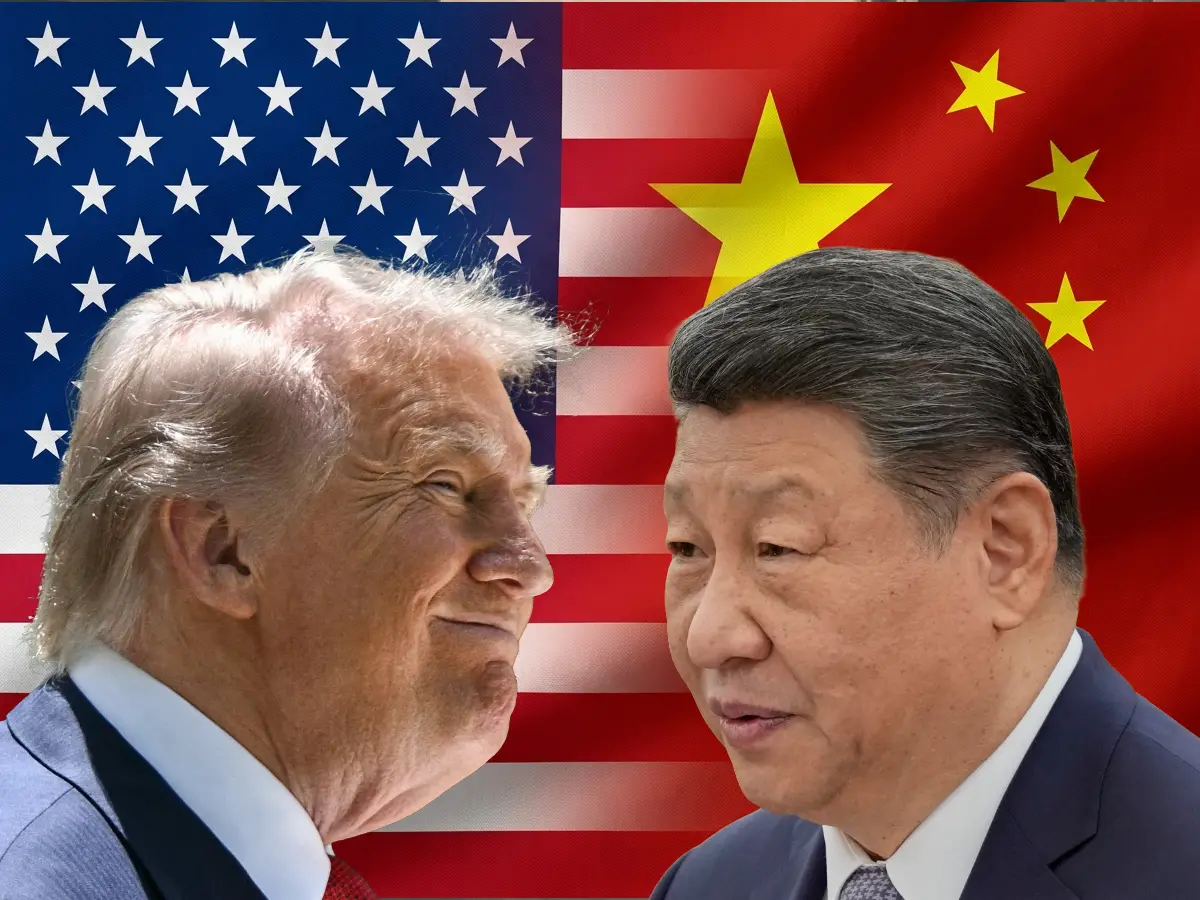
US President Donald Trump, Chinese President Xi Jinping Photograph: (WION Web Desk)
China says its Pacific missile launch was a "routine exercise". The US strongly disagrees. Washington says the test exposes Beijing's rapidly expanding and opaque nuclear programme. Scroll down to find out why this ICBM launch matters.
The United States has sharply criticised China after Beijing carried out a rare test of an intercontinental ballistic missile (ICBM) over the Pacific Ocean, saying the launch highlights its rapidly expanding and increasingly opaque nuclear programme. The missile, carrying a dummy warhead, was fired on Monday (Jul 6) as part of what China described as a routine military exercise. But the test has triggered concern across the Indo-Pacific, with the US, Japan, Australia and New Zealand all reacting to the launch.
Why the missile test matters
China's launch marked the country's second known ICBM test over international waters in two years. Before the 2024 launch, China had not publicly fired an intercontinental ballistic missile into the Pacific for more than four decades.
Military analysts say the latest test demonstrates Beijing's growing ability to strike targets far beyond Asia, including the continental United States.
Adding to the concern, monitors believe the missile was launched from a nuclear-powered submarine before landing near the Solomon Islands in the South Pacific. If confirmed, that would signal another leap in China's sea-based nuclear capabilities.
Trending Stories
&imwidth=280&imheight=210&format=webp&quality=medium)
&imwidth=280&imheight=210&format=webp&quality=medium)
&imwidth=280&imheight=210&format=webp&quality=medium)
&imwidth=280&imheight=210&format=webp&quality=medium)
&imwidth=280&imheight=210&format=webp&quality=medium)
&imwidth=280&imheight=210&format=webp&quality=medium)
&imwidth=280&imheight=210&format=webp&quality=medium)
&imwidth=280&imheight=210&format=webp&quality=medium)
&imwidth=280&imheight=210&format=webp&quality=medium)
&imwidth=280&imheight=210&format=webp&quality=medium)
&imwidth=280&imheight=210&format=webp&quality=medium)
&imwidth=280&imheight=210&format=webp&quality=medium)
&imwidth=280&imheight=210&format=webp&quality=medium)
&imwidth=280&imheight=210&format=webp&quality=medium)
&imwidth=280&imheight=210&format=webp&quality=medium)
&imwidth=280&imheight=210&format=webp&quality=medium)
&imwidth=280&imheight=210&format=webp&quality=medium)
&imwidth=280&imheight=210&format=webp&quality=medium)
&imwidth=280&imheight=210&format=webp&quality=medium)
&imwidth=280&imheight=210&format=webp&quality=medium)
&imwidth=280&imheight=210&format=webp&quality=medium)
&imwidth=280&imheight=210&format=webp&quality=medium)
&imwidth=280&imheight=210&format=webp&quality=medium)
&imwidth=280&imheight=210&format=webp&quality=medium)
&imwidth=280&imheight=210&format=webp&quality=medium)
&imwidth=280&imheight=210&format=webp&quality=medium)
&im=FitAndFill=(700,400)&imwidth=280&imheight=210&format=webp&quality=medium)
&imwidth=280&imheight=210&format=webp&quality=medium)
&imwidth=280&imheight=210&format=webp&quality=medium)
&imwidth=280&imheight=210&format=webp&quality=medium)
&imwidth=280&imheight=210&format=webp&quality=medium)
&imwidth=280&imheight=210&format=webp&quality=medium)
&imwidth=280&imheight=210&format=webp&quality=medium)
&imwidth=280&imheight=210&format=webp&quality=medium)
&imwidth=280&imheight=210&format=webp&quality=medium)
&imwidth=280&imheight=210&format=webp&quality=medium)
US says China is moving in the wrong direction
Responding to the launch, the US State Department accused Beijing of expanding its nuclear forces while refusing to engage in meaningful arms control talks.
"At a time when the United States is working harder than ever to prevent nuclear proliferation, China is doing the opposite," State Department spokesperson Tommy Pigott said.
"Beijing's rapid and opaque nuclear weapons buildup is of great concern to the region and the world."
Washington also urged China to begin regular notifications for future intercontinental missile launches and return to arms control discussions.
The issue has gained prominence after the United States allowed the New START treaty with Russia to expire earlier this year, arguing that any future agreement must also include China.
Regional concern grows
China said it informed "relevant countries" before the launch, while New Zealand confirmed it received notification roughly two hours before the test.
Japan, which also said it had been informed in advance, expressed "serious concerns" and urged Beijing to reconsider such activities.
Australia described the launch as destabilising for the region. Curiously, the missile test also coincided with Australia and Fiji signing a new defence agreement. While some observers questioned whether the two events were connected, analysts noted that missile tests of this scale are typically planned for months.
Russia, one of China's closest strategic partners, meanwhile, defended the launch. Moscow said the missile test was China's "sovereign right" and insisted that Beijing "is not threatening anyone in the world."

