
&imwidth=800&imheight=600&format=webp&quality=medium "US judge questions Trump’s decision to ban CNN, MS NOW and Politico from White House")
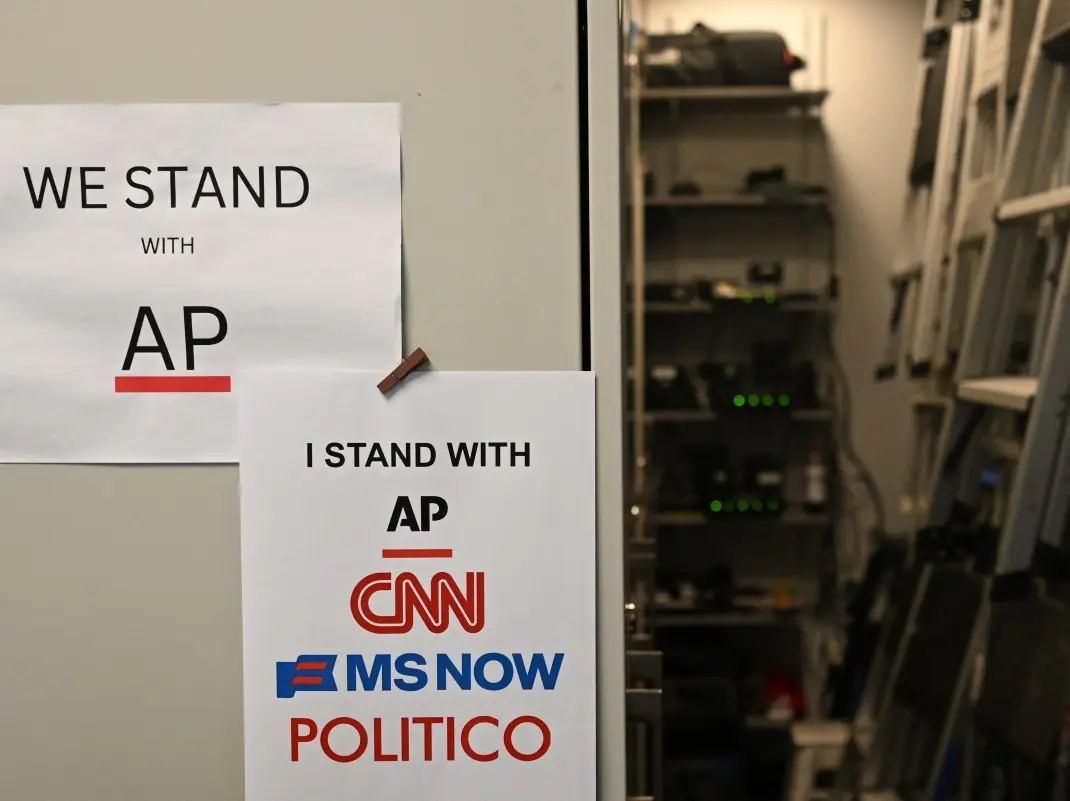
A US federal judge on Wednesday questioned whether President Donald Trump's decision to ban CNN, MS NOW and Politico from the White House complied with existing court rulings, but he did not immediately decide whether the news organizations should regain access. US District Judge Timothy Kelly held a hearing in Washington to consider a request from the three outlets for a temporary restraining order that would restore their White House access while their legal challenge proceeds. The outlets filed the lawsuit on Monday, arguing that the ban violates First Amendment protections for freedom of speech and a free press, as well as due process rights.
Kelly pointed to two previous rulings by the US Court of Appeals for the District of Columbia Circuit concerning journalists' access to the White House. He said those precedents establish that journalists are entitled to due process before their press credentials can be revoked. The judge also questioned whether the White House had provided CNN, MS NOW and Politico with a meaningful opportunity to challenge the decision before their access was withdrawn.
"The government said those cases ... were wrongly decided," Kelly said. “Maybe they were wrongly decided, maybe they weren't. But as a district court judge I have to apply them. I think it is fair to say the process the circuit laid out in those two cases wasn't followed here.” Kelly said he would issue a ruling later on the request for a temporary restraining order rather than making an immediate decision at the hearing. An attorney representing the news organizations argued that the outlets were denied advance notice and an opportunity to contest the decision before their access was revoked.

"By ejecting and banning the plaintiffs from the White House without a semblance of due process here, defendants have imposed what really amounts to an unprecedented, unreasonable and severe punishment," attorney Theodore Boutrous said. Michael Velchik, a Justice Department lawyer, defended the administration's position, saying letters sent to the news organizations on Tuesday provided sufficient explanation for the revocation of their press credentials.
Kelly, however, questioned that argument because the letters were delivered after the access had already been revoked and after the lawsuit had been filed. "I don't know how a letter that they got after the pass was revoked could provide them with the notice of the kind of standards that they would have to conform their conduct to, since it's a piece of paper they got saying, 'You've already violated this.'"
Trending Stories
)
Justice eludes Air India 1985 bombing victims as Canada probe goes 'inactive' | Gravitas
)
Trump revives India-Middle East-Europe economic corridor as India emerges central to West Asia’s future: What is it?
)
Erdogan again raises Kashmir issue at UNGA, calls for dialogue under UN Charter
)
Major League Soccer referee sacked for sexist comment about female match referee
)
Trump signs Greenland security deal with Denmark, paving way for two new US military bases
)
IND vs JPN T20I: How an overturned wide became point of difference between India's win and a tie
)
Trump-Xi summit: From trade to Taiwan, what will the US and Chinese presidents discuss in Washington?
)
Cyclone Arnab: Landfall expected before midnight tomorrow as IMD issues orange alerts across six states
)
ICC plans T20I expansion and fewer ODIs in 2027–2031 FTP cycle: Report
)
US-China tech war: Businesses in the front line
)
Gravitas | Boosting NHS productivity could save 20,600 lives in UK annually: Report
)
Nor'easter could batter 13 US states this week. What you should know
)
WION Iconic Tourism Summit: Seychelles envoy says India partnership is important for Seychelles
)
US and China vie for AI dominance as calls grow for regulation | Gravitas
)
Yemen clashes kill 154 people in two days as cornered Saudi battles Houthi offensive | Gravitas
)
China to test supersonic jet that moves at Mach 2, double the speed of sound
)
Bomb scare in New York amid UNGA: Suspicious suitcase found near UN headquarters
)
IND vs JPN, one-off T20I: Japan captain Kendel on pushing India to the brink - ‘It was special’
)
Mikel Arteta verbally agrees to three-year extension with Arsenal after title-winning Premier League season
)
WION Iconic Tourism Summit and Awards 2026: Key voices to discuss India’s tourism future
)
WION Iconic Tourism Summit and Iconic Awards 2026: India's travel economy leaders gather in Delhi
&im=FitAndFill=(700,400))
New OTT releases this week (September 21-27, 2026): Shaque: Trust No One, Hunkkaar, Don’t Be Shy- 5 new titles coming to Netflix, Prime Video and more
)
81st UN General Assembly: Burnham announces UK-US AI defence tie-up
)
Trump calls on nations to quit ‘rogue’ and ‘out-of-control’ International Criminal Court, rips UN
)
Infections transmitted from pregnant woman linked to autism risk
)
'What kind of confession is this?': Pakistan PM Shehbaz Sharif’s 'terrorists would be roaming New York' remark goes viral, raises alarm online. Watch
)
Elephants hide behind trees, stage surprise attack on poachers targeting rhinos in South Africa
)
IIT Bombay professor Suryanarayana Doolla sent on leave amid Sahil Wakode death probe
&im=FitAndFill=(700,400))
National Film Awards 2026: Kartik Aaryan, Mammootty, Yami Gautam, Randeep Hooda and other key winners
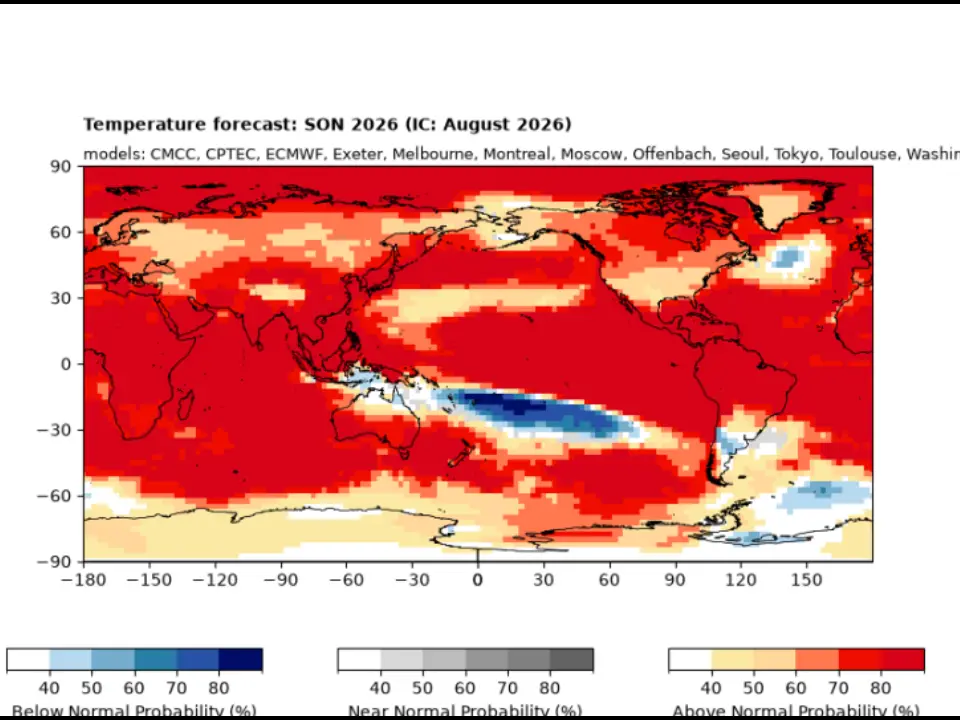)
El Niño 2026 heats up to become strongest in 1,000 years
)
Anne Hathaway to run in supporting race for Nolan's epic
)
Over 4,200 books withdrawn from circulation in J&K colleges, 94% from Kashmir
)
From Gaddafi tearing up UN Charter to Trump’s ‘escalatorgate’: Most unforgettable UNGA moments
)
Explainer: Why rare-earth export licences and Board of Trade are US priorities ahead of Trump-Xi summit
)
Asia prepares for record El Nino, food shock
)
Forget apps: Qualcomm CEO says AI agents will change how we use smartphones
)
Four female students raped during 'Red Zone' at California university. What we know
National security argument
In a filing before the hearing, the Justice Department argued that access to the White House is a privilege rather than an entitlement and maintained that the president has authority to suspend access for news organizations. The department also supported Trump's contention that national security concerns justified the restrictions. The three outlets have accused the administration of unlawfully discriminating against them because of their editorial viewpoints.
"The viewpoint discrimination is probably the clearest case in history. I mean, the president said, 'I don't like what you're publishing. I'm taking away your press pass based on that,'" Boutrous told the hearing. "They are using national security as this talisman, these magic words," Boutrous said. “It is just a pretextual, post hoc effort to justify just a blatant violation of due process.” Trump announced the ban on Friday through his social media platform, arguing that the news organizations "shouldn't be able to constantly write or report FICTION and LIES when they're covering the President of the United States."
The administration subsequently sent letters to the outlets accusing them of creating national security risks through their reporting. The letters cited coverage involving US missile stockpiles, construction of Trump's White House ballroom and attendance at the Republican Party's recent midterm convention. "The president has set out notice of his determination that he personally made to identify this particularity and not exhaustive list of reporting incidents. He has provided a process for plaintiffs to contest these particular incidents,” Velchik told the judge. But Boutrous said, "It's not due process when there is a prejudgment of the issues."
Earlier CNN press-pass case
The dispute also echoes a 2018 case involving CNN correspondent Jim Acosta. Kelly ordered the White House to restore Acosta's press pass after it had been revoked following a contentious news conference with Trump. At the time, Kelly ruled that the White House had failed to use fair and clear procedures in revoking Acosta's credential, describing the process as “shrouded in mystery.” Trump later criticized Kelly on social media and expressed regret over appointing him to the federal bench in 2017 during Trump's first presidential term.
The latest case has also drawn support from press freedom organizations and other news outlets. A coalition filed a legal brief on Wednesday supporting CNN, MS NOW and Politico, arguing that journalists should not lose access because of perceived editorial viewpoints. The brief was signed by the Reporters Committee for Freedom of the Press, Reuters, the Washington Post and Fox News, among others. The judge's eventual ruling on the temporary restraining order will determine whether the three organizations regain White House access while their broader legal challenge continues.

