US, Iran reach deal to gradually open Strait of Hormuz: Report

&imwidth=600&imheight=450&format=webp&quality=medium "US, Iran reach deal to gradually open Strait of Hormuz: Report")
Strait of Hormuz
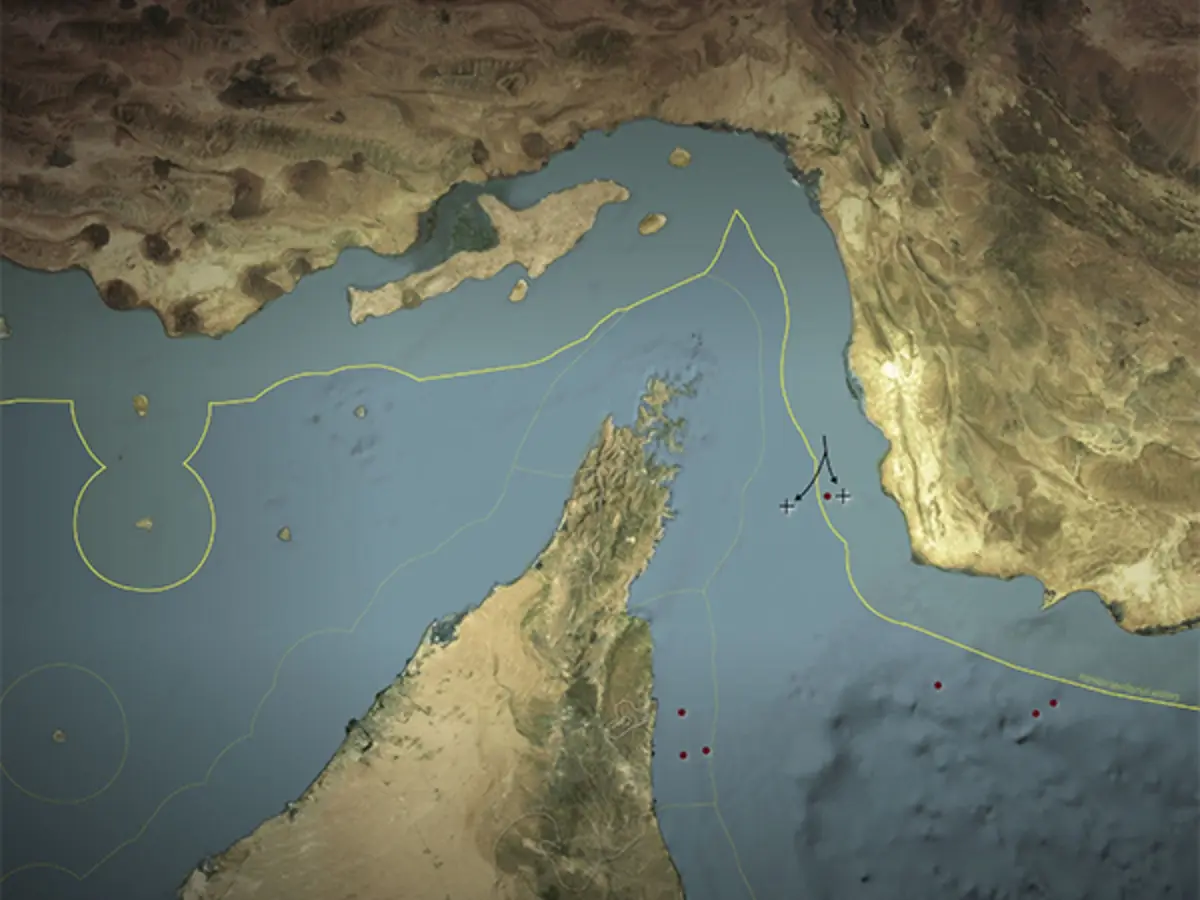
The Hormuz strait, which typically carries around one-fifth of global oil and gas supplies, has seen traffic reduced to a trickle since US-Israeli strikes on Iran on February 28 triggered a blockade by Tehran.
The American naval blockade in the Strait of Hormuz is likely to be lifted after Washington and Tehran reportedly reached an agreement in this regard. The agreement between both the sides on lifting the naval blockade was reached upon on Thursday (may 7) after US agreed for a gradual reopening of the Strait of Hormuz.
“Agreements have been reached regarding easing the blockade in exchange for the gradual reopening of the Strait of Hormuz. The coming hours will witness the release of ships stuck in the strait," sources said to Al Arabiya.
According to the media outlet, a breakthrough is likely in the status of the ships stranded in the Strait of Hormuz in the next few hours or so.
The Hormuz strait, which typically carries around one-fifth of global oil and gas supplies, has seen traffic reduced to a trickle since US-Israeli strikes on Iran on February 28 triggered a blockade by Tehran. The disruption has pushed oil prices to their highest levels in more than four years, heightening fears of prolonged supply shocks and a potential global economic slowdown.
Inside one-page memo to end war
The agreement between both the sides comes a day after the White House said it is getting close to reaching an agreement with Iran and is expecting Iranian responses on several key issues in the next 48 hours.
Trending Stories
&imwidth=280&imheight=210&format=webp&quality=medium)
&imwidth=280&imheight=210&format=webp&quality=medium)
&im=FitAndFill=(700,400)&imwidth=280&imheight=210&format=webp&quality=medium)
&imwidth=280&imheight=210&format=webp&quality=medium)
&imwidth=280&imheight=210&format=webp&quality=medium)
&imwidth=280&imheight=210&format=webp&quality=medium)
&imwidth=280&imheight=210&format=webp&quality=medium)
&imwidth=280&imheight=210&format=webp&quality=medium)
&imwidth=280&imheight=210&format=webp&quality=medium)
&imwidth=280&imheight=210&format=webp&quality=medium)
&imwidth=280&imheight=210&format=webp&quality=medium)
&imwidth=280&imheight=210&format=webp&quality=medium)
&imwidth=280&imheight=210&format=webp&quality=medium)
&imwidth=280&imheight=210&format=webp&quality=medium)
&imwidth=280&imheight=210&format=webp&quality=medium)
&imwidth=280&imheight=210&format=webp&quality=medium)
&imwidth=280&imheight=210&format=webp&quality=medium)
&imwidth=280&imheight=210&format=webp&quality=medium)
&imwidth=280&imheight=210&format=webp&quality=medium)
&imwidth=280&imheight=210&format=webp&quality=medium)
&imwidth=280&imheight=210&format=webp&quality=medium)
&im=FitAndFill=(700,400)&imwidth=280&imheight=210&format=webp&quality=medium)
&imwidth=280&imheight=210&format=webp&quality=medium)
&imwidth=280&imheight=210&format=webp&quality=medium)
&imwidth=280&imheight=210&format=webp&quality=medium)
&imwidth=280&imheight=210&format=webp&quality=medium)
&imwidth=280&imheight=210&format=webp&quality=medium)
&imwidth=280&imheight=210&format=webp&quality=medium)
&imwidth=280&imheight=210&format=webp&quality=medium)
&imwidth=280&imheight=210&format=webp&quality=medium)
&imwidth=280&imheight=210&format=webp&quality=medium)
&imwidth=280&imheight=210&format=webp&quality=medium)
&imwidth=280&imheight=210&format=webp&quality=medium)
Axios citing US officials and other sources had said the US believes it is getting closer to an agreement with Iran on a one-page, 14-point memorandum of understanding (MOU) to end the war and set a framework for detailed negotiations on Tehran’s nuclear program.
The deal includes Iran committing to a moratorium on nuclear enrichment, the US agreeing to lift sanctions on Tehran and releasing billions of frozen Iranian funds. It also includes both sides lifting restrictions on the transit of ships through the strategic Strait of Hormuz.
Many of the terms outlined in the memo depend on a final agreement being reached, leaving open the possibility of renewed conflict or a prolonged stalemate where active fighting has ceased but no lasting resolution has been achieved.
