US intel sees NO QUICK END to Iran’s Hormuz chokehold: Report

&imwidth=600&imheight=450&format=webp&quality=medium "US intel sees NO QUICK END to Iran’s Hormuz chokehold: Report")
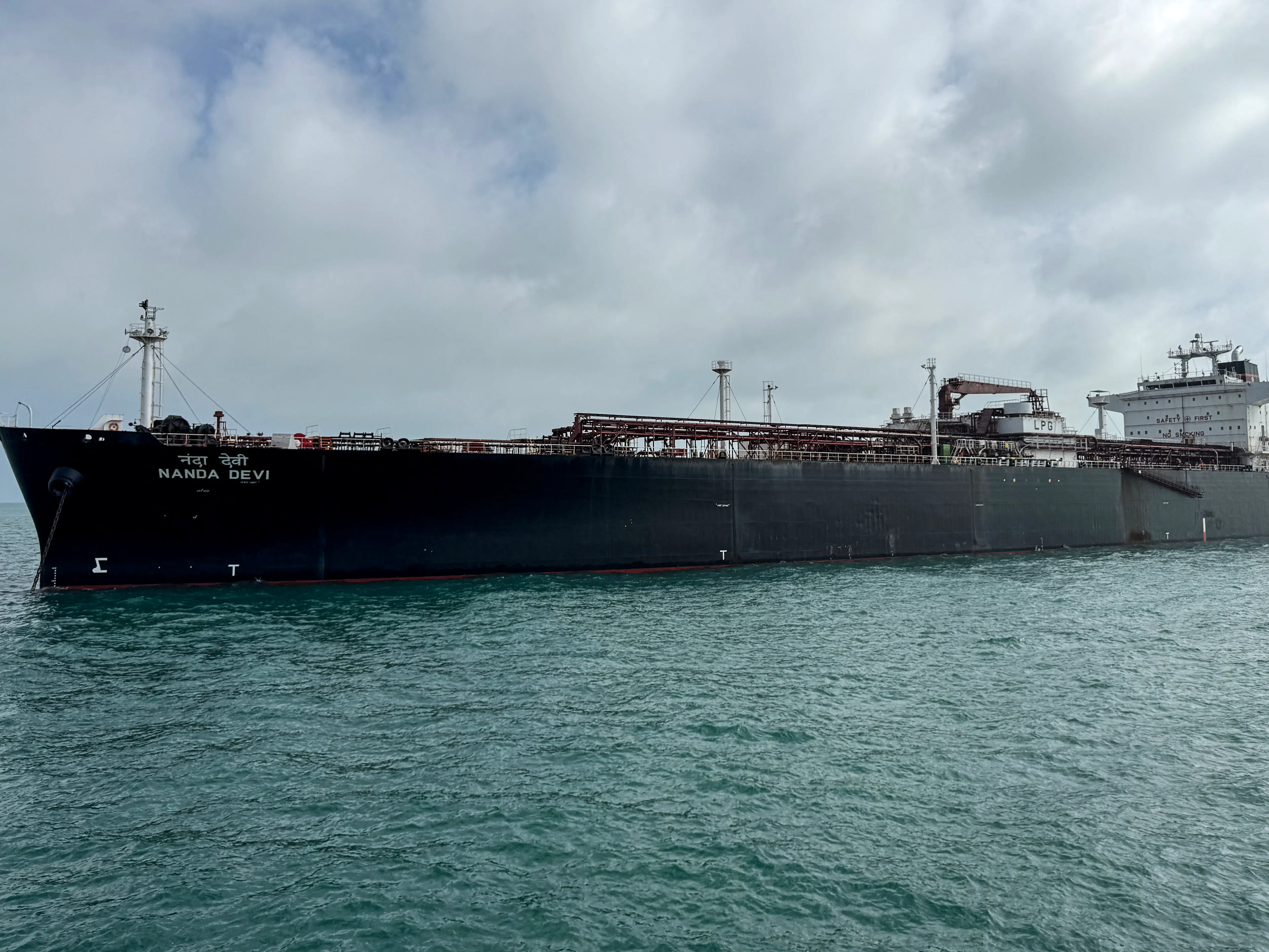
Indian vessel 'Nanda Devi' carrying liquefied petroleum gas (LPG) arrives at Vadinar Port in the Jamnagar district of Gujarat state on March 17, 2026 after Iran allowed it to pass through the Strait of Hormuz, a key energy corridor that remains disrupted by the Middle East war. Photograph: (AFP)
US intelligence says Iran is unlikely to reopen the Strait of Hormuz soon, using it as leverage against the US, disrupting global oil flows and raising risks of prolonged regional conflict.
Amid the escalated war in Iran, a recent US intelligence assessment indicated that the Islamic Republic is unlikely to reopen the Strait of Hormuz in the near term, viewing its control over the critical waterway as its most effective leverage against the US, three sources familiar with the reports told Reuters.
The findings suggest Tehran may continue restricting access to the strait - through which roughly a fifth of global oil supply passes - in an effort to keep energy prices elevated and pressure Donald Trump to seek a swift resolution to the nearly five-week-long conflict. The war has reportedly remained unpopular among sections of the US electorate.
The intelligence assessments also underscore a broader concern within US policy circles: that the conflict, initially aimed at weakening Iran’s military capabilities, may instead be enhancing its regional influence by demonstrating its capacity to disrupt one of the world’s most vital routes.
Also read: US F-15 crew member missing in Iran: How fighter pilots are trained to survive behind enemy lines
‘We can easily open the Strait’
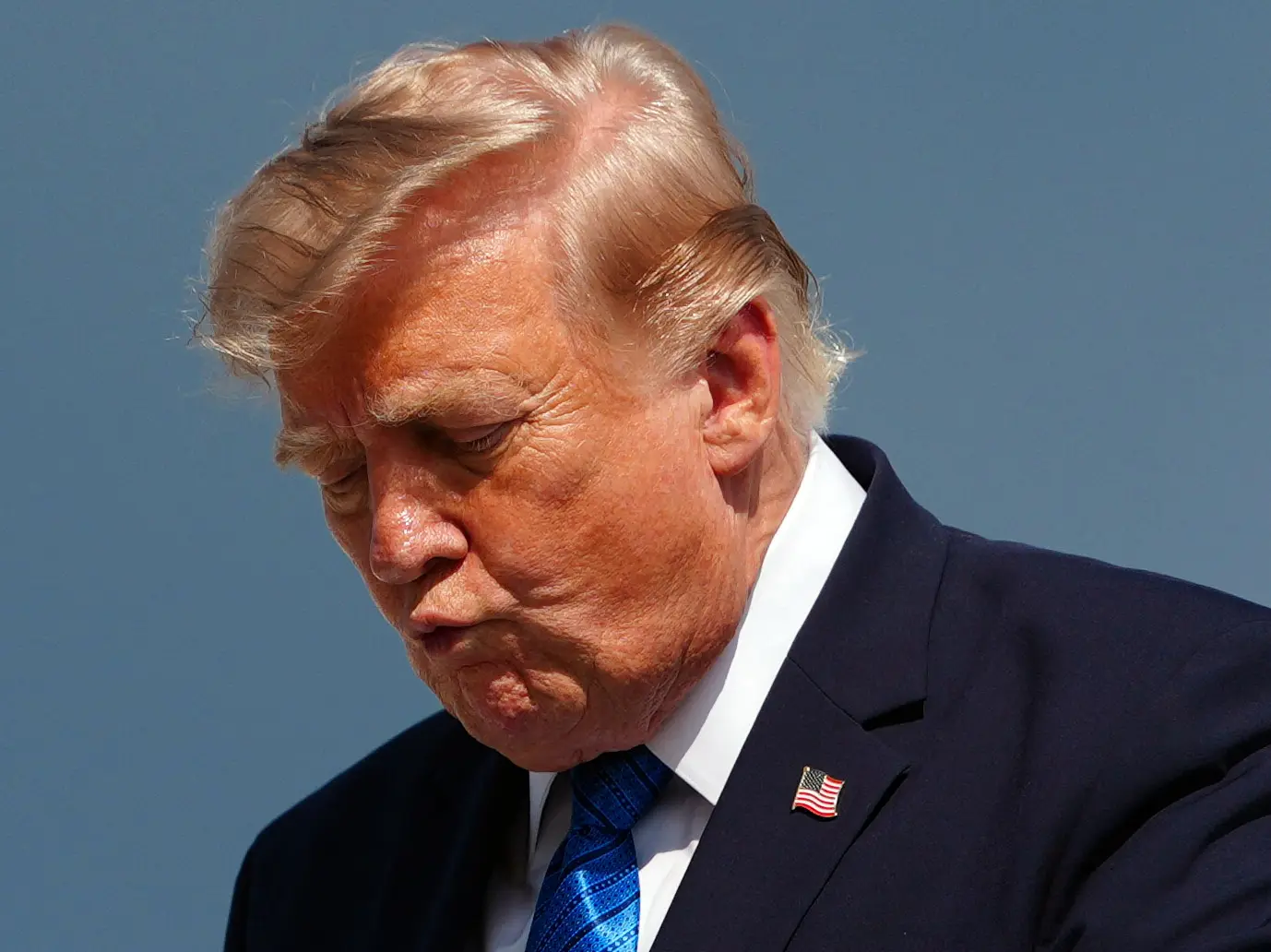
Trump has publicly downplayed the difficulty of restoring passage through the strait. In a post on his platform, Truth Social, he wrote: “With a little more time, we can easily OPEN THE HORMUZ STRAIT, TAKE THE OIL, & MAKE A FORTUNE.”
Trending Stories
&im=FitAndFill=(700,400))
)
)
)
)
)
)
)
)
)
)
)
)
)
)
&im=FitAndFill=(700,400))
)
)
&im=FitAndFill=(700,400))
)
)
)
)
)
)
)
&im=FitAndFill=(700,400))
)
)
)
)
)
)
&im=FitAndFill=(700,400))
However, analysts warn that any attempt to forcibly reopen the waterway could prove costly. Iran controls the northern coastline of the strait, and military action risks escalating into a prolonged and potentially wider conflict.
“In the attempt to try to prevent Iran from developing a weapon of mass destruction, the US handed Iran a weapon of mass disruption,” said Ali Vaez of the International Crisis Group. He added that Tehran recognises its ability to influence global energy markets through the Strait is “much more potent than even a nuclear weapon”.
Trump’s stance has appeared to shift in recent days. While he has at times framed reopening the strait as a precondition for a ceasefire, he has also called on Gulf nations and NATO allies to take the lead, noting they have more at stake in maintaining the flow of oil.
A White House official, speaking on condition of anonymity, said the president remains “confident that the strait will be open very soon” and has made clear that Iran would not be allowed to control maritime traffic after the conflict. At the same time, the official acknowledged that other nations dependent on Gulf energy supplies may need to play a larger role.
The Central Intelligence Agency did not immediately respond to requests for comment.
Iran tightens grip on key waterway
Since the outbreak of hostilities on February 28, Iran’s Islamic Revolutionary Guard Corps has employed a range of tactics to disrupt maritime traffic. Despite being outgunned, it has targeted commercial vessels, deployed naval mines, and imposed passage fees, effectively rendering transit through the strait unsafe or prohibitively expensive.

