US Independence Day 2026: What is Semiquincentennial? Meaning behind America's 250th anniversary

&imwidth=600&imheight=450&format=webp&quality=medium "US Independence Day 2026: What is Semiquincentennial? Meaning behind America's 250th anniversary")
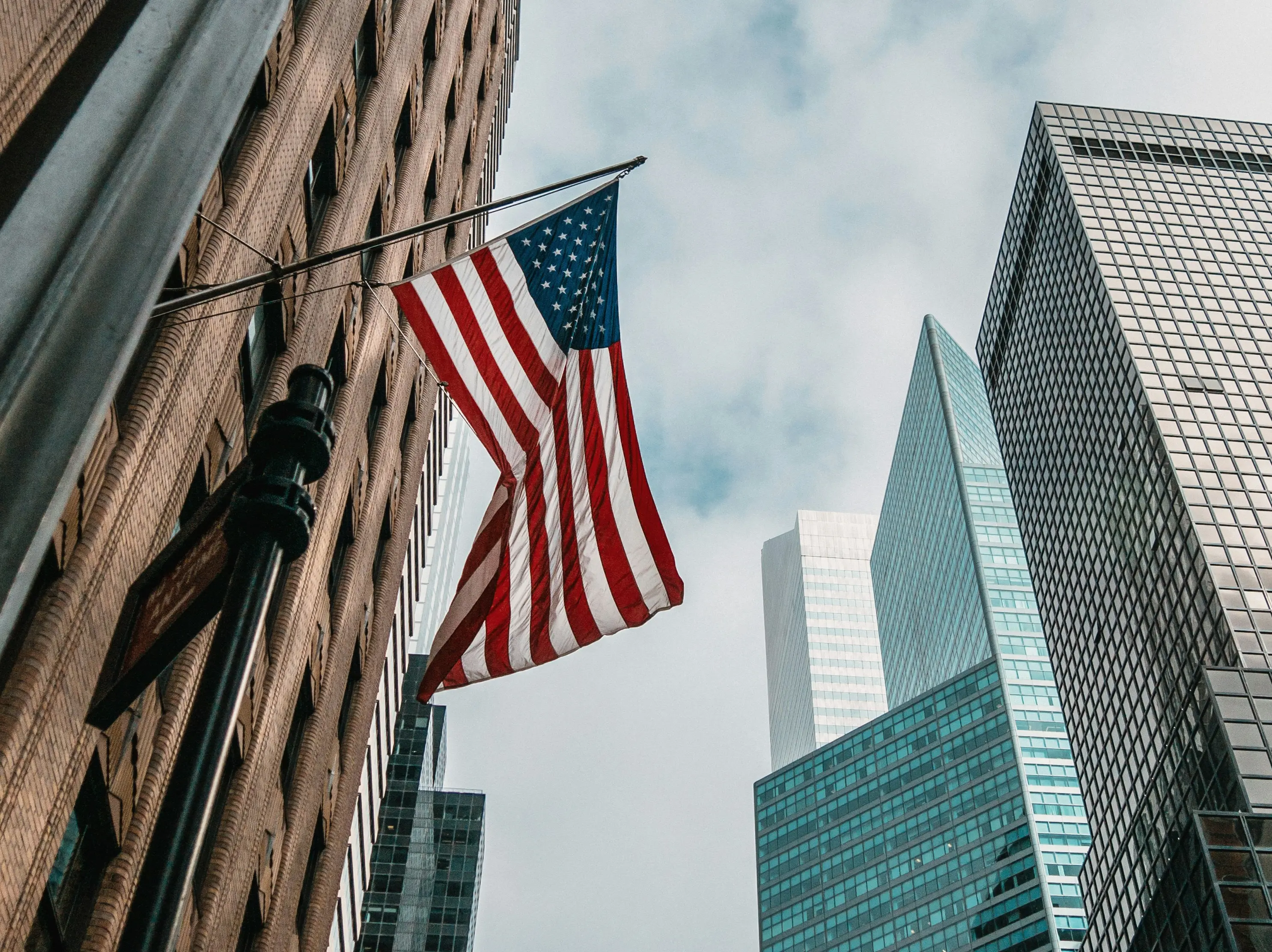
Representative image. Photograph: (Unsplash)
The word is frequently used to describe monumental milestones for nations or long-standing organisations. Currently, the word is being used for the United States, which is celebrating its 250th birthday as the nation adopted the Declaration of Independence on July 4, 2027.
The United States is celebrating its 250th birthday, the Semiquincentennial, on July 4, 2026, marking exactly 250 years since the adoption of the Declaration of Independence in 1776. This complex, 17-letter word formally designates the 250th anniversary of the signing of the Declaration of Independence, marking two and a half centuries since 56 delegates in Philadelphia sacrificed everything to break away from British rule and establish a new republic. United States birth took place after the 13 American colonies declared their separation from British rule.
The flagship celebrations span across all 50 states, where the most notable historical and entertainment events take place in traditional hubs like Philadelphia, Washington DC, Boston, and Charleston. In addition, major concerts, military parades, and world-record firework displays also take place.
What is the Semiquincentennial?
The semiquincentennial is a 250th anniversary, or the commemoration of an event that happened exactly 250 years ago. The word is frequently used to describe monumental milestones for nations or long-standing organisations. Currently, the word is being used for the United States, which is celebrating its 250th birthday as the nation adopted the Declaration of Independence in 1776 on the same day.
The anniversary also provides an opportunity for Americans to reflect on the founding principles of liberty, democracy and self-governance that shaped the country. Meanwhile, the journey of the US' independence started after the end of the French and Indian War in 1763, Britain imposed a series of taxes on its American colonies to recover wartime expenses. Measures such as the Stamp Act of 1765 and the Townshend Acts triggered widespread protests, with colonists arguing they were being taxed without representation in the British Parliament.
Trending Stories
&imwidth=280&imheight=210&format=webp&quality=medium)
&imwidth=280&imheight=210&format=webp&quality=medium)
&imwidth=280&imheight=210&format=webp&quality=medium)
&imwidth=280&imheight=210&format=webp&quality=medium)
&imwidth=280&imheight=210&format=webp&quality=medium)
&imwidth=280&imheight=210&format=webp&quality=medium)
&imwidth=280&imheight=210&format=webp&quality=medium)
&imwidth=280&imheight=210&format=webp&quality=medium)
&imwidth=280&imheight=210&format=webp&quality=medium)
&imwidth=280&imheight=210&format=webp&quality=medium)
&imwidth=280&imheight=210&format=webp&quality=medium)
&imwidth=280&imheight=210&format=webp&quality=medium)
&imwidth=280&imheight=210&format=webp&quality=medium)
&im=FitAndFill=(700,400)&imwidth=280&imheight=210&format=webp&quality=medium)
&imwidth=280&imheight=210&format=webp&quality=medium)
&imwidth=280&imheight=210&format=webp&quality=medium)
&imwidth=280&imheight=210&format=webp&quality=medium)
&imwidth=280&imheight=210&format=webp&quality=medium)
&imwidth=280&imheight=210&format=webp&quality=medium)
&imwidth=280&imheight=210&format=webp&quality=medium)
&imwidth=280&imheight=210&format=webp&quality=medium)
&im=FitAndFill=(700,400)&imwidth=280&imheight=210&format=webp&quality=medium)
&imwidth=280&imheight=210&format=webp&quality=medium)
&imwidth=280&imheight=210&format=webp&quality=medium)
&imwidth=280&imheight=210&format=webp&quality=medium)
&imwidth=280&imheight=210&format=webp&quality=medium)
&imwidth=280&imheight=210&format=webp&quality=medium)
&imwidth=280&imheight=210&format=webp&quality=medium)
&imwidth=280&imheight=210&format=webp&quality=medium)
&imwidth=280&imheight=210&format=webp&quality=medium)
&imwidth=280&imheight=210&format=webp&quality=medium)
&imwidth=280&imheight=210&format=webp&quality=medium)
Public opposition grew through protest and organised boycotts, marking one of the defining moments that came in December 1773 during the Boston Tea Party, when colonists dumped British tea into Boston Harbour to protest taxation. Britain responded with punitive measures known as the Intolerable Acts, further escalating tensions between the colonies and the British Crown.
Armed conflict eventually broke out in April 1775 with the Battles of Lexington and Concord, marking the beginning of the American Revolutionary War. As fighting continued, many colonial leaders concluded that reconciliation with Britain was no longer possible and began pushing for complete independence.

