US House approves $95 billion budget for Trump's war against Iran. Where will the money go?

&imwidth=600&imheight=450&format=webp&quality=medium "US House approves $95 billion budget for Trump's war against Iran. Where will the money go?")
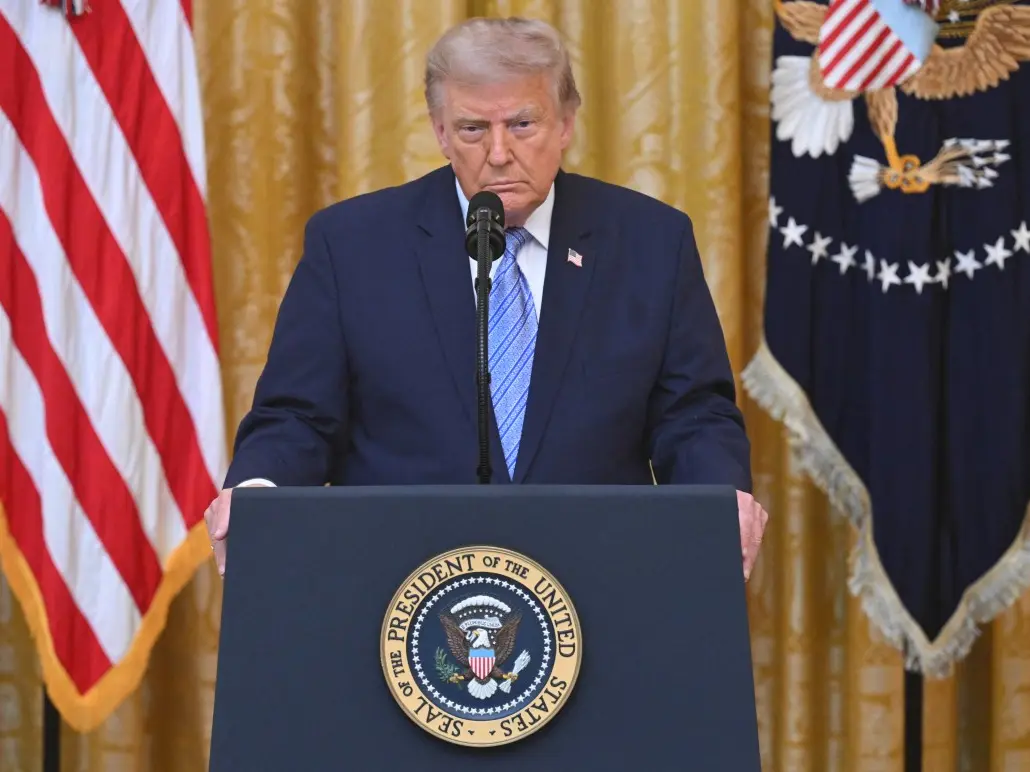
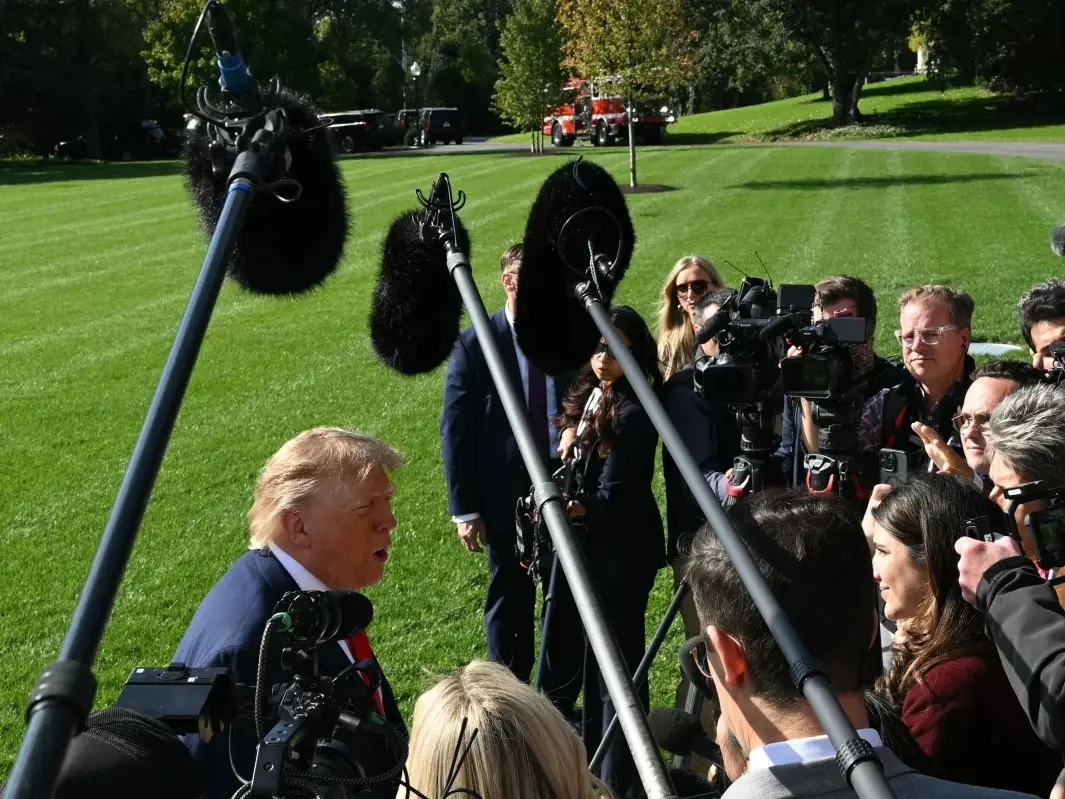
US President Donald Trump Photograph: (AFP)
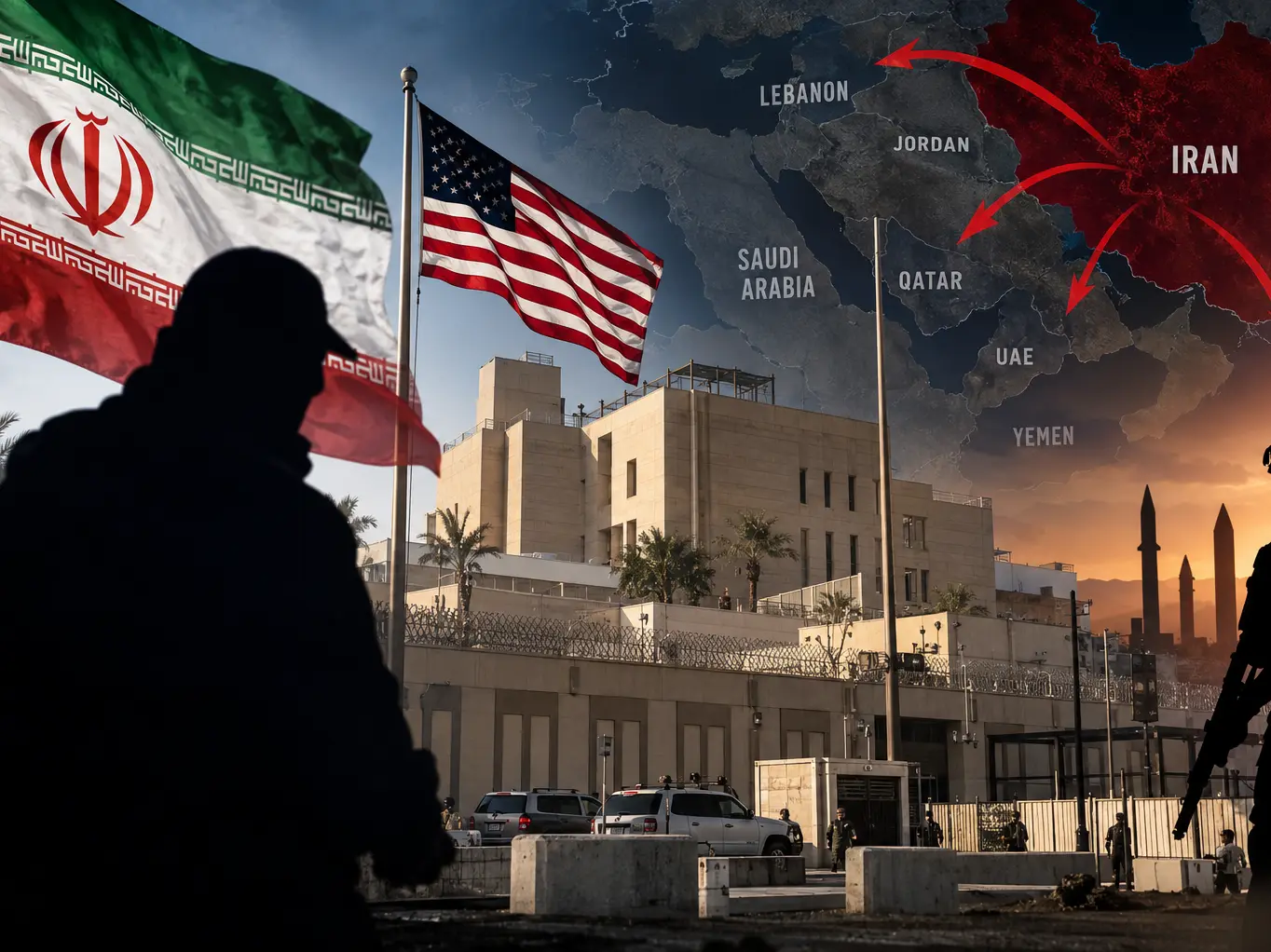
The US House of Representatives has narrowly approved a $95 billion budget framework that sets the stage for legislation funding Pentagon operations linked to the Iran war. What exactly did lawmakers approve? Where will the money go? And what happens next?
The US House of Representatives on Wednesday (Jul 22) narrowly approved a $95 billion budget framework, with the bulk of the funding set aside for the Pentagon as the United States deepens its military campaign against Iran. The measure passed 216-214, and will now head to the Senate.
So, what exactly did lawmakers approve? Where will the money go? And what happens next?
What did the House approve?
The House passed a budget framework, not the final legislation. A budget framework establishes overall spending limits and gives lawmakers instructions to draft detailed legislation later.
If the Senate also approves the framework, House Republicans can prepare the final spending package, which would later return to Congress for another vote.
Trending Stories
&imwidth=280&imheight=210&format=webp&quality=medium)
&imwidth=280&imheight=210&format=webp&quality=medium)
&imwidth=280&imheight=210&format=webp&quality=medium)
&imwidth=280&imheight=210&format=webp&quality=medium)
&imwidth=280&imheight=210&format=webp&quality=medium)
&imwidth=280&imheight=210&format=webp&quality=medium)
&im=FitAndFill=(700,400)&imwidth=280&imheight=210&format=webp&quality=medium)
&imwidth=280&imheight=210&format=webp&quality=medium)
&imwidth=280&imheight=210&format=webp&quality=medium)
&imwidth=280&imheight=210&format=webp&quality=medium)
&imwidth=280&imheight=210&format=webp&quality=medium)
&imwidth=280&imheight=210&format=webp&quality=medium)
&imwidth=280&imheight=210&format=webp&quality=medium)
&imwidth=280&imheight=210&format=webp&quality=medium)
&imwidth=280&imheight=210&format=webp&quality=medium)
&imwidth=280&imheight=210&format=webp&quality=medium)
&imwidth=280&imheight=210&format=webp&quality=medium)
&imwidth=280&imheight=210&format=webp&quality=medium)
&imwidth=280&imheight=210&format=webp&quality=medium)
&imwidth=280&imheight=210&format=webp&quality=medium)
&imwidth=280&imheight=210&format=webp&quality=medium)
&imwidth=280&imheight=210&format=webp&quality=medium)
&imwidth=280&imheight=210&format=webp&quality=medium)
&imwidth=280&imheight=210&format=webp&quality=medium)
&imwidth=280&imheight=210&format=webp&quality=medium)
&im=FitAndFill=(700,400)&imwidth=280&imheight=210&format=webp&quality=medium)
&imwidth=280&imheight=210&format=webp&quality=medium)
&imwidth=280&imheight=210&format=webp&quality=medium)
&imwidth=280&imheight=210&format=webp&quality=medium)
&imwidth=280&imheight=210&format=webp&quality=medium)
&imwidth=280&imheight=210&format=webp&quality=medium)
&imwidth=280&imheight=210&format=webp&quality=medium)
&imwidth=280&imheight=210&format=webp&quality=medium)
&imwidth=280&imheight=210&format=webp&quality=medium)
Where will the money go?
The proposed package allocates $95 billion across several priorities. The biggest share, $73 billion, is earmarked for the Pentagon and US intelligence agencies.
According to House Republicans, the funding is intended to support military operations linked to the ongoing war against Iran.
Another $12 billion is allocated to farmers affected by President Donald Trump's trade policies.
The remaining $10 billion would fund election-related programmes tied to Trump's push for nationwide voting restrictions after his broader SAVE America Act failed to secure enough support to move forward.
Why is this vote politically important?
The legislation, as per AFP, is widely viewed as the Republican Party's last major legislative effort before the November midterm elections. Control of Congress will be at stake in those elections, making the budget vote politically significant for President Donald Trump's second term.
Republicans argue the package strengthens national security while advancing their election priorities.
House Speaker Mike Johnson said the proposal puts Republicans "on a path to enacting two fundamentally simple and crucial goals: securing American elections and strengthening our homeland."
Why is the Senate crucial?
Despite clearing the House, the proposal still faces uncertainty. The Senate must first approve the budget framework before lawmakers can draft the final spending legislation.
Republicans hope to eventually use the budget reconciliation process, which allows certain budget-related bills to pass the Senate with a simple majority instead of the usual 60-vote threshold needed to overcome a filibuster. That would reduce the need for Democratic support.
Why are Democrats opposing it?
Democrats have criticised both the military spending and the administration's priorities.
Representative Rosa DeLauro argued that Americans are more concerned about inflation and rising living costs than increased military spending. "The American people do not want more open-ended, aimless, expensive, and deadly wars in the Middle East. They want the price of basic necessities like food, housing, healthcare, childcare, and gasoline to go down," she said.
What happens next?
The budget framework now moves to the US Senate. If senators approve it, House Republicans can begin writing the detailed legislation that specifies how the money will be spent. That bill would then require approval from both chambers before becoming law.

