Terrorist Hafiz Saeed's aide & LeT Co-founder Amir Hamza, linked to several attacks in India, shot in Lahore

&imwidth=600&imheight=450&format=webp&quality=medium "Terrorist Hafiz Saeed's aide & LeT Co-founder Amir Hamza, linked to several attacks in India, shot in Lahore")
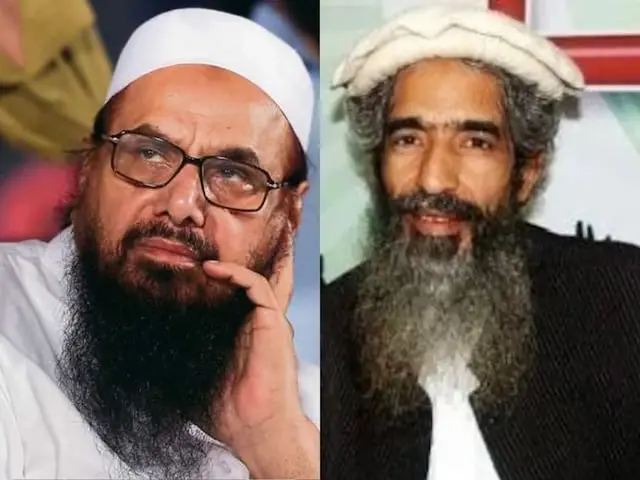
File photo of Hafiz Saeed and his close aide Maulana Amir Hamza. Photograph: (X/@rebelliousdogra)
The incident occurred near Peco Road’s Pindi Stop, where two unidentified armed men riding a motorcycle opened fire at their vehicle while passing through the area. Hamza sustained a gunshot wound to his arm in the attack.
An unidentified gunman attacked Lashkar-e-Taiba co-founder and Hafiz Saeed aide Maulana Amir Hamza inside his car in Lahore, Pakistan. According to reports, the incident occurred near Peco Road’s Pindi Stop, where two unidentified armed men riding a motorcycle opened fire at their vehicle while passing through the area.
Hamza sustained a gunshot wound to his arm in the attack. This marks the second attempt in less than a year when Hamza came under attack. In May 2025, an unidentified assailant shot the terrorist outside his residence in Lahore, after which he was quickly rushed to a hospital. Later, the Pakistani officials allegedly heightened his security.
Hamza, hailing from the Gujranwala city in the Punjab province of Pakistan, was pronounced a global terrorist by the US in Aug 2012. Amir Hamza, a senior LeT ideologue often described as an “Afghan Mujahideen,” was closely associated with Hafiz Saeed and Abdul Rehman Makki, who inducted him into the group’s central committee.
Hamza's portfolio
In the early 2000s, he was assigned to establish operational networks in India and was among those linked to the 2005 Bengaluru Indian Institute of Science attack. In 2018, following bans on Lashkar-e-Taiba and Jamaat-ud-Dawah, Saeed directed him to form a new outfit, Jaish-e-Manqafa. Although this move initially sparked speculation of internal divisions within the group, such claims were later dismissed.
According to the US Department of the Treasury, Hamza, as part of LeT’s central advisory body, played a key role in maintaining ties with allied groups under the leadership of Saeed. "Hamza has led a LeT-associated charity and was also an officer and member of a Lashkar's university trust that was led by Saeed. Hamza's responsibilities as of mid-2010 also included publishing propaganda on behalf of Lashkar. Hamza has served as editor of a LeT weekly newspaper and was also contributing articles to the LET publication," according to the website.
"Hamza was also one of three LeT terrorists designated to negotiate the release of detained Lashkar members and also served as the head of LET's "special campaigns" department," it adds.
&imwidth=280&imheight=210&format=webp&quality=medium)
&imwidth=280&imheight=210&format=webp&quality=medium)
&imwidth=280&imheight=210&format=webp&quality=medium)
&imwidth=280&imheight=210&format=webp&quality=medium)
&imwidth=280&imheight=210&format=webp&quality=medium)
&imwidth=280&imheight=210&format=webp&quality=medium)
&imwidth=280&imheight=210&format=webp&quality=medium)
&imwidth=280&imheight=210&format=webp&quality=medium)
&imwidth=280&imheight=210&format=webp&quality=medium)

&imwidth=280&imheight=210&format=webp&quality=medium)
&imwidth=280&imheight=210&format=webp&quality=medium)
&imwidth=280&imheight=210&format=webp&quality=medium)
&imwidth=280&imheight=210&format=webp&quality=medium)
&imwidth=280&imheight=210&format=webp&quality=medium)
&imwidth=280&imheight=210&format=webp&quality=medium)
&imwidth=280&imheight=210&format=webp&quality=medium)
&imwidth=280&imheight=210&format=webp&quality=medium)
&im=FitAndFill=(700,400)&imwidth=280&imheight=210&format=webp&quality=medium)
&imwidth=280&imheight=210&format=webp&quality=medium)
&imwidth=280&imheight=210&format=webp&quality=medium)
&imwidth=280&imheight=210&format=webp&quality=medium)
&imwidth=280&imheight=210&format=webp&quality=medium)
&imwidth=280&imheight=210&format=webp&quality=medium)
&imwidth=280&imheight=210&format=webp&quality=medium)
&imwidth=280&imheight=210&format=webp&quality=medium)
&im=FitAndFill=(700,400)&imwidth=280&imheight=210&format=webp&quality=medium)
&imwidth=280&imheight=210&format=webp&quality=medium)
&im=FitAndFill=(700,400)&imwidth=280&imheight=210&format=webp&quality=medium)
&imwidth=280&imheight=210&format=webp&quality=medium)

&im=FitAndFill=(700,400)&imwidth=280&imheight=210&format=webp&quality=medium)
&imwidth=280&imheight=210&format=webp&quality=medium)
&imwidth=280&imheight=210&format=webp&quality=medium)

