Ukrainian drone strikes cause large fire at Russian steel plant on second anniversary of war

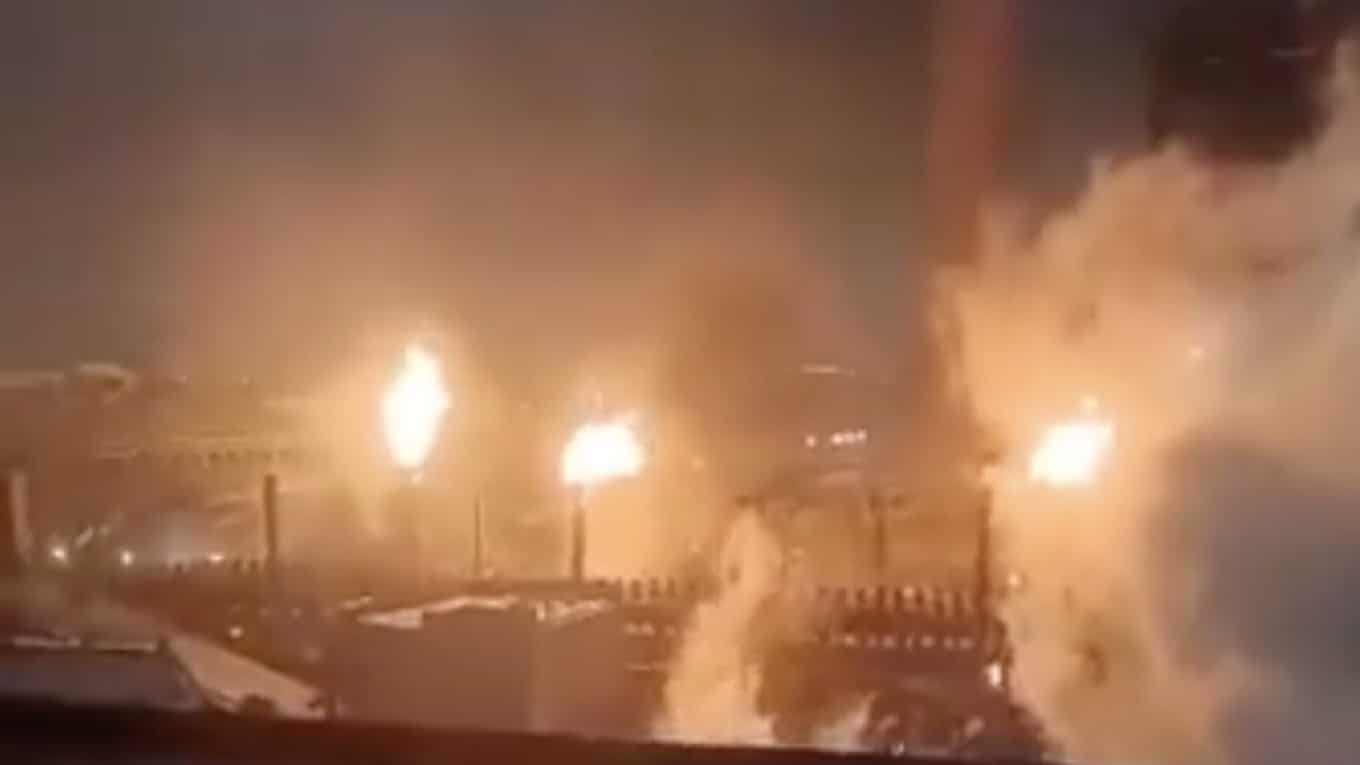
A fire at the Novolipetsk (NLMK) steel plant.
The second anniversary of the Russia-Ukraine war saw a major Russian steel factory hit by Ukrainian drones on Saturday (Feb 24). The attack happened overnight, causing a large fire. The attack, which took place in the city of Lipetsk, some 400 km (250 miles) north of the Ukrainian border, wasconfirmed by the governor of Russia's Lipetsk region,
The said Russian steel factory is responsible for 18 per cent of the country’s total output.
The governor said a fire was caused by a drone strike which was extinguished and there were no causalities. The plant is reportedly operated by Russian steelmaker Novolipetsk (NLMK).

"There is no significant impact on the plant's operations," the governor added on Saturday night.
Ukrainian forces were quoted as saying by Reuters that the attack was carried out by GUR military intelligence and the SBU security service. They also claimed that the fire caused the full evacuation of the plant, reflecting the severity of the attack.
"Raw materials from this enterprise are used to manufacture Russian missiles, artillery, and drones. Therefore, it is a legitimate goal for Ukraine," the source said, without specifying the location of the plant.
)
The Early Spring is proof not everyone can talk about their real feelings, and it is perfectly OK
)
UN votes to ‘correct the map’ as India backs fairer world view
)
Nigerian Navy discovers 99,000 litres of suspected stolen, illegally refined products as it intensifies anti-crude oil theft operations
)
Who is Aditi Paudel? 17-year-old becomes Japan's first literacy ambassador
)
Bengaluru: Officials find 40 kg expired chilli at chairman's club
)
Jaishankar rejects trade link to ending Ukraine war
)
Israeli strikes on Lebanon kill three, injure 23 despite truce
)
Alpine glacier was covered with sheep wool sheets to prevent melting. It worked
)
South Korea mulls deploying military assets to Strait of Hormuz
)
World's fifth-largest economy, British army can't afford to train
)
Breaking | Vance takes the podium: First White House briefing since Leavitt's exit
)
Taiwan raises 'concerns' over China's missile test
)
BRICS 2026: $1 trillion sovereign capital set to converge in Delhi for first iBRICS Summit
)
What is Iran's Pickaxe Mountain that Trump has again threatened to bomb?
)
UN votes to correct world map that visually shrank Africa for 450 years
)
Former NewJeans member Danielle launches YouTube channel, hints at new solo journey
)
Bangladesh batter Towhid Hridoy creates history with 350 not out in South Africa
)
Brendan Fraser’s transformation fuels The Mummy 4 excitement as fans welcome back Rick O’Connell
&im=FitAndFill=(700,400))
Krishna Janmashtami 2026: From Dhaniya Panjiri to Makhana Kheer- 5 best sweet dishes perfect for celebrating Lord Krishna’s birth
)
Donald Trump plans to travel to Ireland on Qatari-donated jet amid security concerns
)
Nazi-looted art to return to Jewish heirs
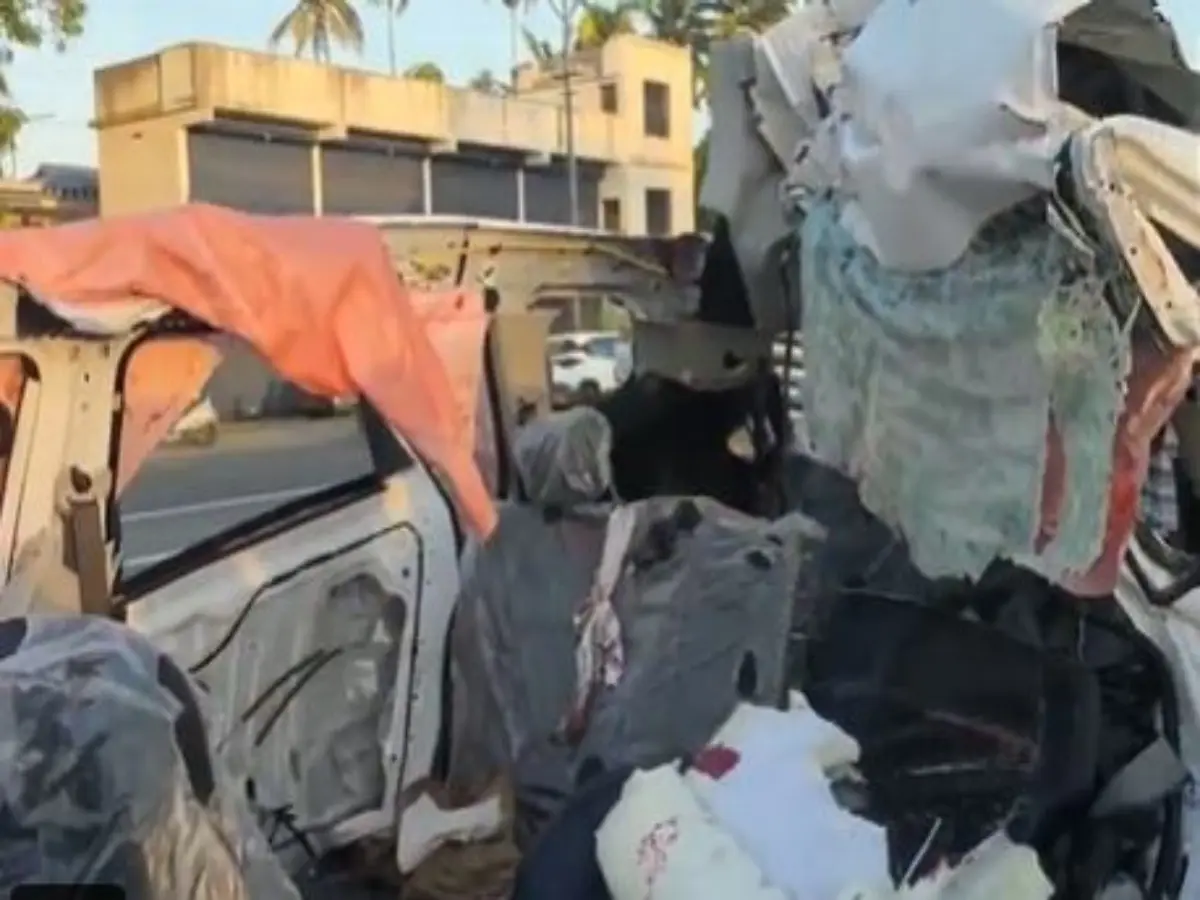)
Eight killed in Kerala’s Thrissur after car rams into lorry parked on highway
&im=FitAndFill=(700,400))
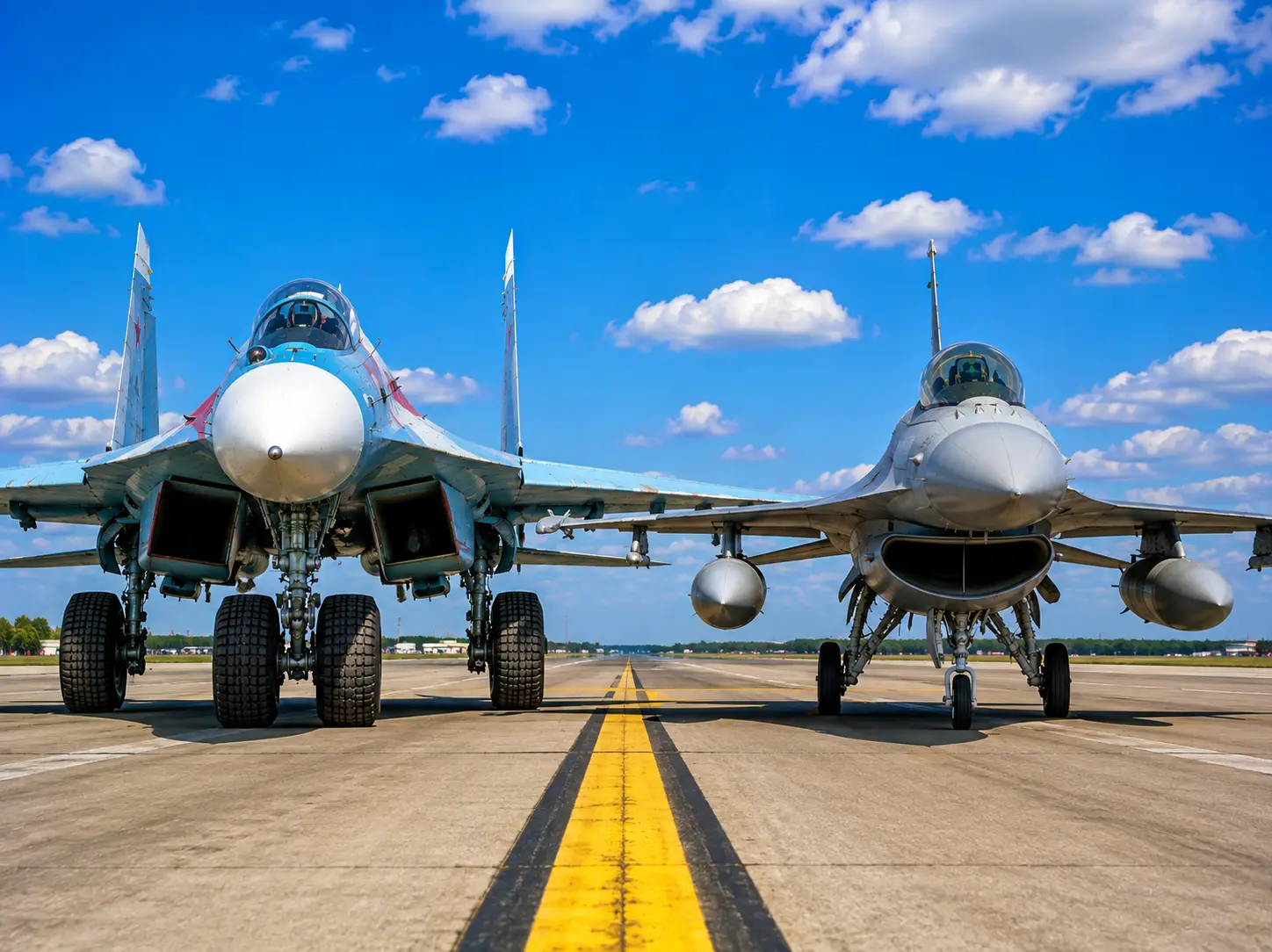
Why Russian fighter jets use bulky, low-pressure tyres compared to US jets
)
FBI-wanted fraud accused arrested in Jalandhar over $600,000 scam
&im=FitAndFill=(700,400))
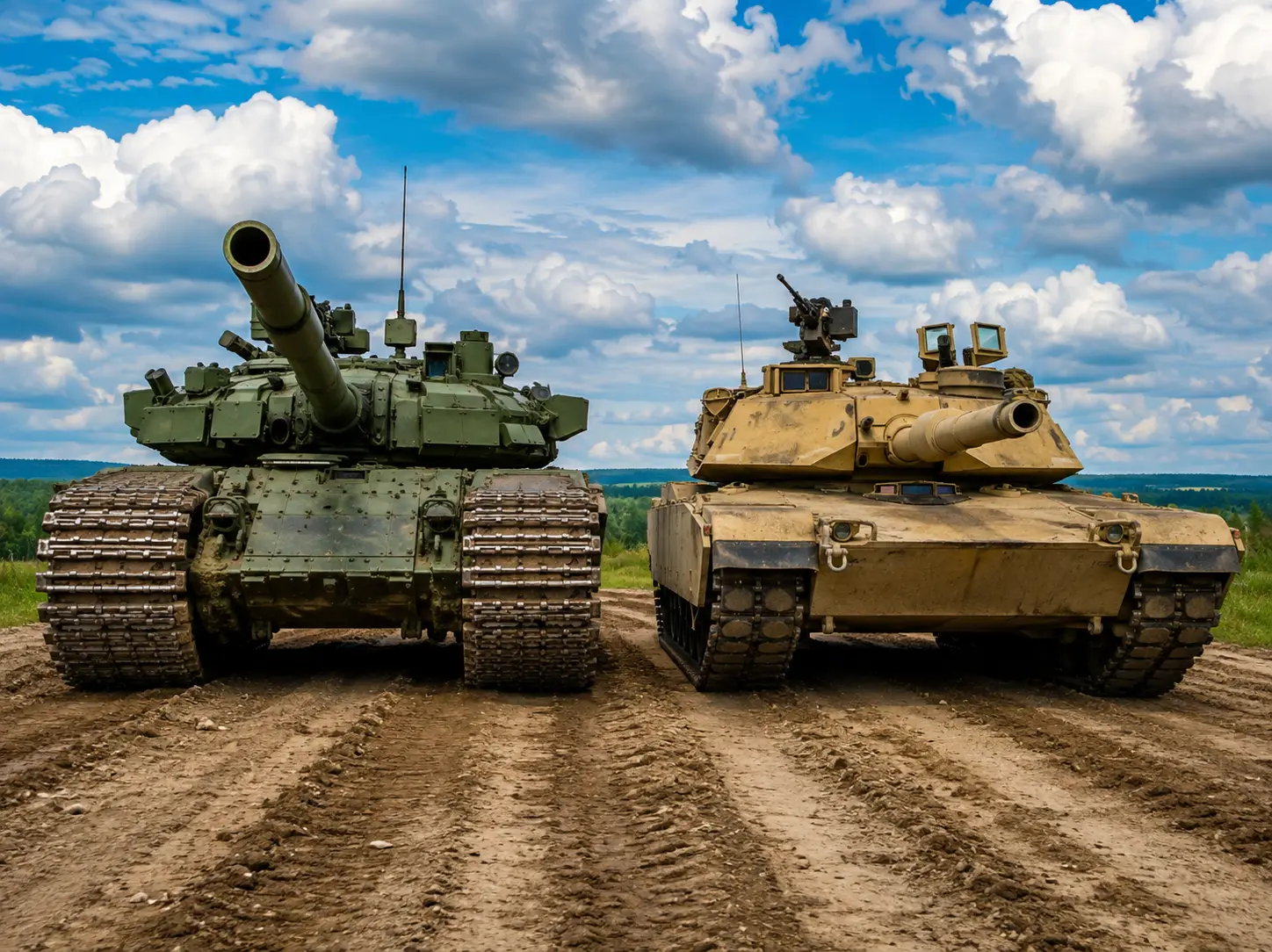
Why US tanks weigh over 20 tons more than Russian tanks
&im=FitAndFill=(700,400))
New Friday OTT releases (September 4, 2026): GDN, Dhamaal 4, Jagamae Sangeetham- Watch 6 new movies and TV shows on Netflix, Prime Video and more
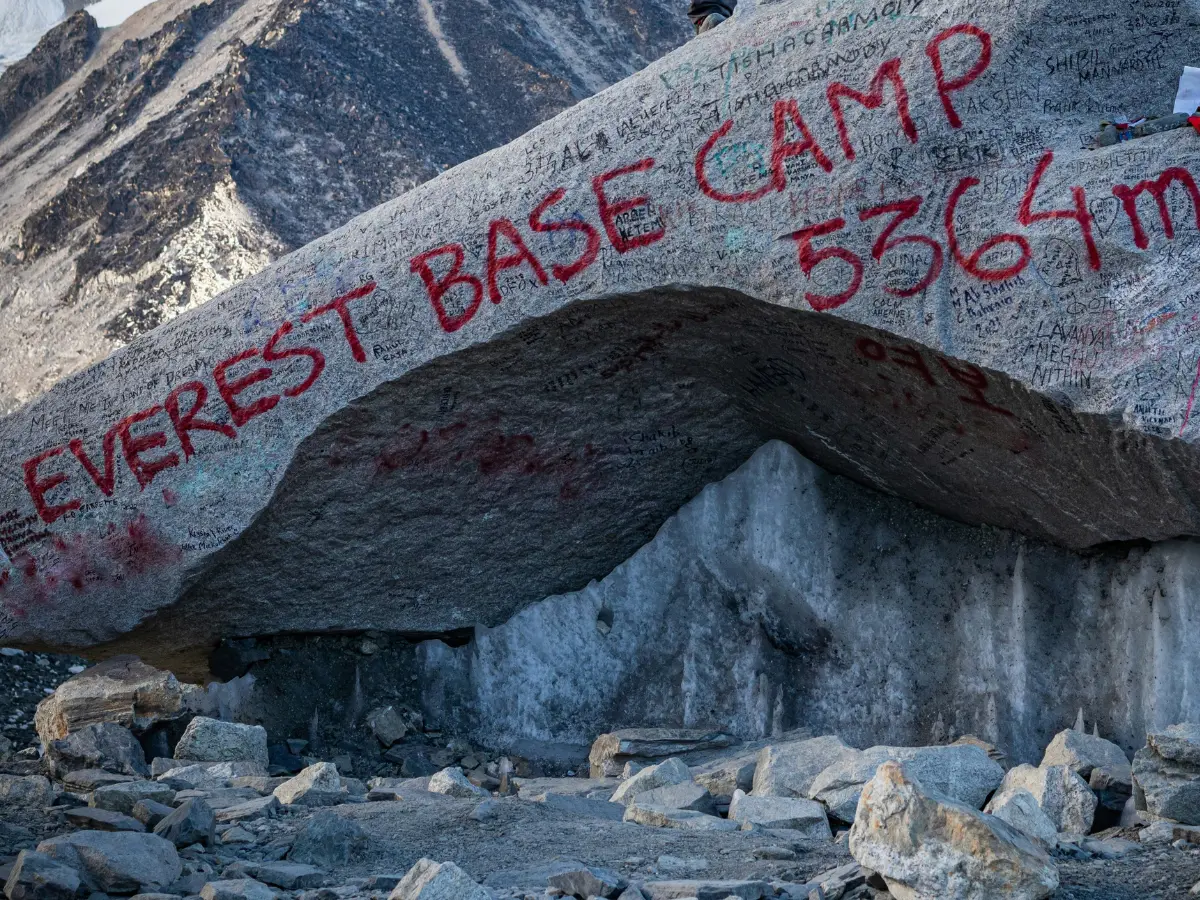)
Killing the Himalayas slowly: Human urine is melting a glacier on Mount Everest
Watch:Russia-Ukraine war: Western leaders arrive in Ukraine to pledge moral support
Some videos of the incident also appeared on social media, showing an explosion, with orange flames illuminating the nighttime sky.
NLMK said the fire broke out at 1:40 am local time and was brought under control soon after.
Ukrainian drone strikes well within Russian territories have become common, targeting Russian naval assets as well as key oil facilities and factories.
Despite Ukrainian sources having provided details of the attack to the media, Kyiv has refrained from taking responsibility ofthe strikes.
Meanwhile, Russia said several Ukrainian drones were downed over the Lipetsk, Kursk and Tula regions overnight.
Despite Ukrainian claims, NLMK maintains the steel factory doesn’t contribute to Moscow’s war.
NLMK said in October 2022 that its Russian operations were not capable of producing military-grade heavy steel and did not supply goods to the military.
(With inputs from agencies)