Trump to announce ‘major’ Russia move tomorrow: What's next for Kyiv and Moscow?

&imwidth=600&imheight=450&format=webp&quality=medium "Trump to announce ‘major’ Russia move tomorrow: What's next for Kyiv and Moscow?")
Trump to announce ‘major’ Russia move tomorrow: What's next for Kyiv and Moscow? Photograph: (Reuters)
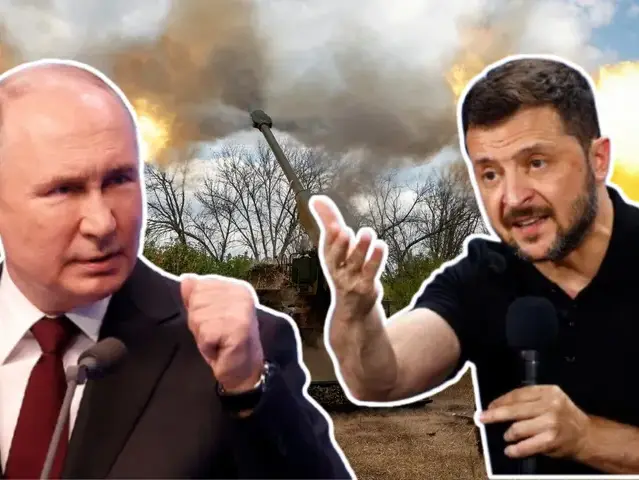
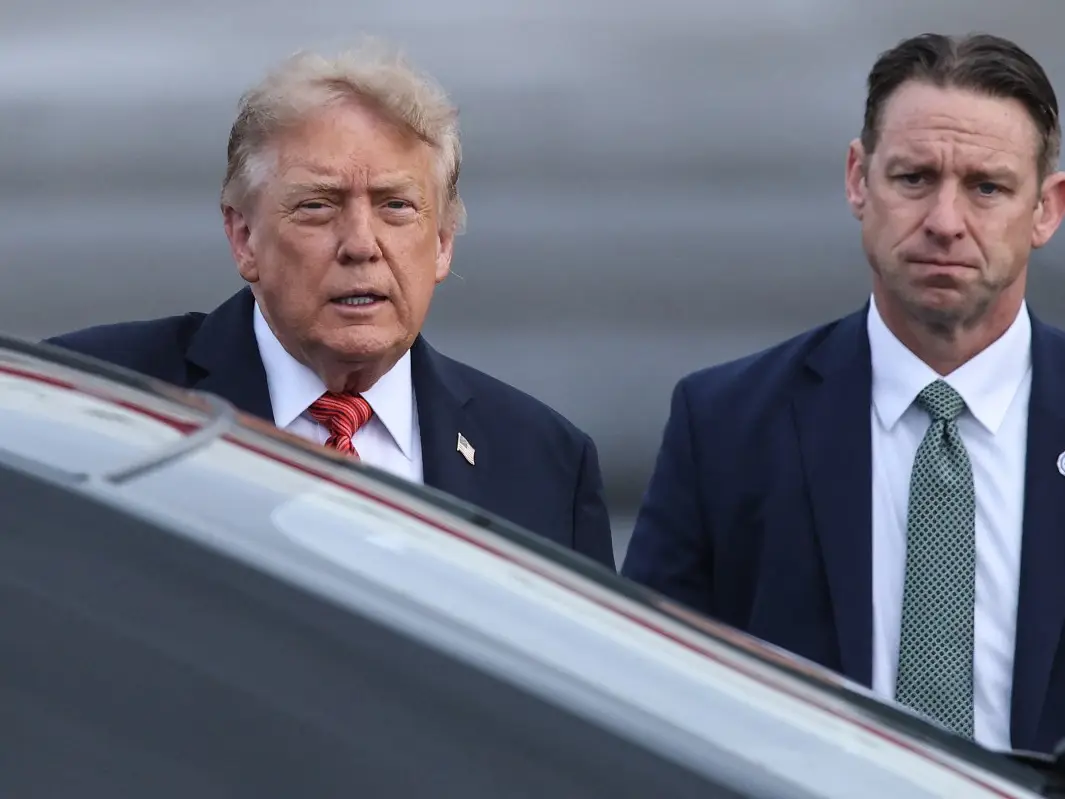
Trump has started criticising Vladimir Putin more openly, calling his past charm “meaningless”. But critics warn not to expect a policy shift. Trump’s frustration is growing.
As Russian forces continue their grinding assault in eastern Ukraine and fresh airstrikes hit Ukrainian cities, all eyes are once again on US President Donald Trump. “I think I’ll have a major statement to make on Russia on Monday,” Trump told NBC on 10 July, a hint that something could shift, but with little clarity on what exactly that would be.
Ukrainians are watching nervously. Unless Trump announces a serious boost in military support or new economic pressure on Russia, hopes for a quick end to the war on Kyiv’s terms remain faint.
Is Ukraine adapting to a shifting US stance?
Despite fears that Washington might step back from its support, Kyiv has worked hard to keep Trump onside. Relations with his administration, though previously rocky, have recently stabilised. Ukraine has even shown a willingness to engage in symbolic peace talks, like the recent ones in Istanbul, despite Russia refusing to compromise. Since mid-March, the Trump administration has supported a 30-day unconditional ceasefire. Ukraine accepted. Russia rejected it.
Has Trump changed his view on Putin?
Trending Stories
)
)
)
)
)
)
)
)
)
)
)
)
)
)
)
&im=FitAndFill=(700,400))
)
)
)
)
)
&im=FitAndFill=(700,400))
)
)
)
)
)
)
)
)
)
)
)
)
)
)
)
Trump has started criticising Vladimir Putin more openly, calling his past charm “meaningless”. But critics warn not to expect a policy shift. Trump’s frustration is growing. “Vladimir, STOP!” he posted after another Russian strike in April. But so far, that anger hasn’t turned into action.
What are Trump’s military options?
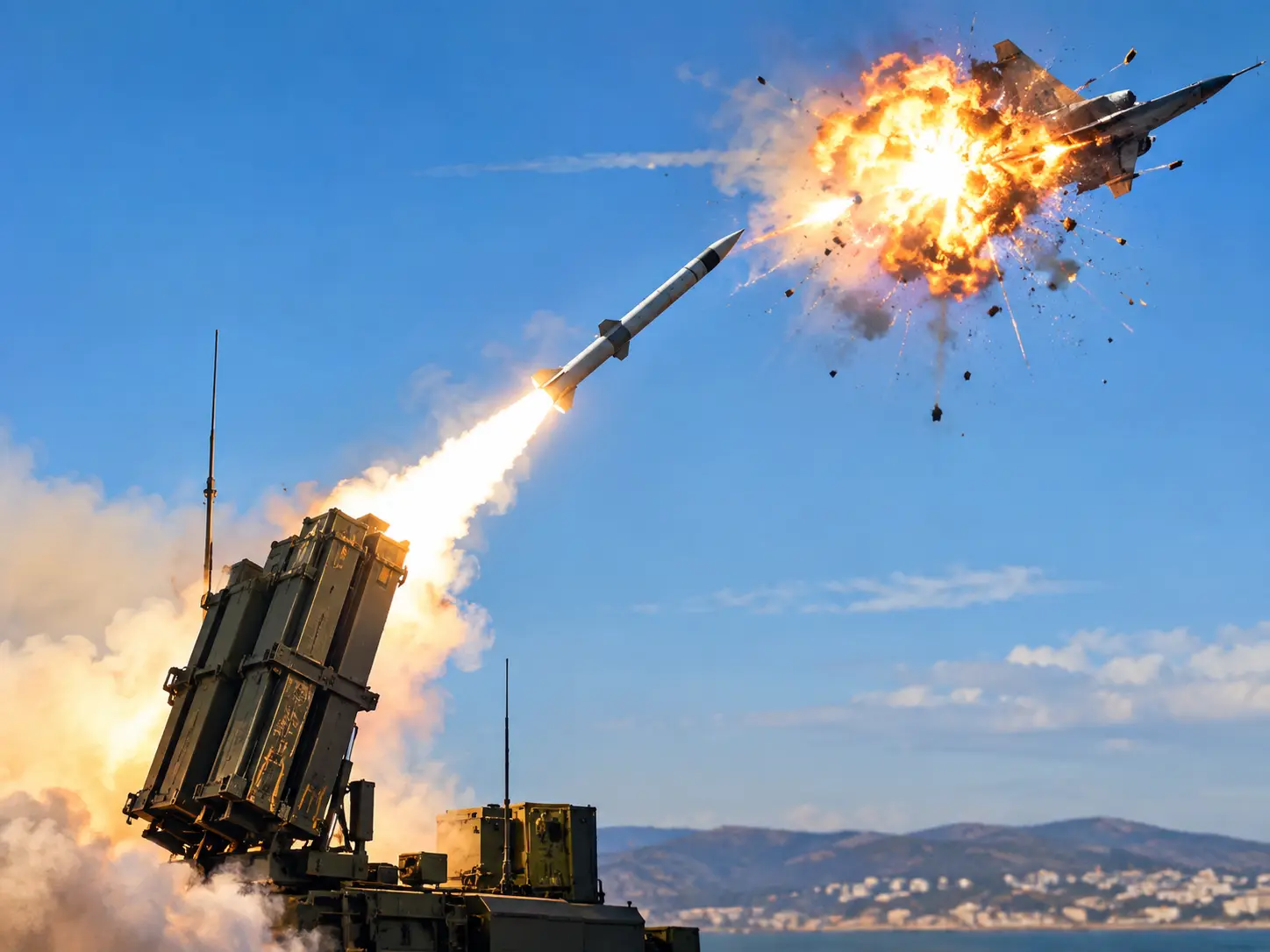
Earlier this year, Trump paused arms deliveries to Ukraine, then reversed course. “They are getting hit very hard now,” he said on 8 July. The latest plan involves selling arms to NATO, which will then pass them to Ukraine. Still, the aid is modest. Ten Patriot missiles are not a game-changer. Trump had previously frozen all aid after a spat with President Zelensky, accusing him of dragging the US into an unwinnable war. That support was later resumed, but Trump’s base remains sceptical.
Will Trump tighten sanctions on Russia?
He’s considering it. A new bill would hit countries like China and India that buy Russian oil. But Trump has reportedly pushed to water it down, fearing global oil prices could spike. “If the US finally imposes real costs on Moscow, it would mark a big shift,” said Giles. But so far, Trump has avoided serious action on sanctions.
Could the US walk away from the conflict?
Possibly. Secretary of State Marco Rubio hinted in April that Washington could “move on” if no ceasefire deal emerges. “It’s not our war,” Rubio said. Trump echoed that view, “We want to see it end.” Despite those warnings, diplomacy is still alive. Rubio and Russian Foreign Minister Sergey Lavrov met twice last week. “It’s a new and different approach,” Rubio said of the proposals being discussed, though he gave no details.
How does Russia see the peace process?
Moscow has stopped pretending. Russia now says openly that it plans to win the war by force. “We do not see any necessity to stop. Ukraine will have to surrender under much worse conditions,” said Russian ambassador Andrei Kelin. President Putin was more direct, “Wherever the foot of a Russian soldier steps is Russian land.”
What is Ukraine’s strategy now?
Zelenskyy’s goal is simple, keep Trump engaged. “For us, it’s a priority to maintain US support,” he said last month. If America walks away, he warned, Ukraine will face its most difficult situation yet. Some signs are positive. Trump’s tone towards Ukraine has softened slightly. He’s also backing a NATO-led model for weapons support. Still, the scale of the support is nowhere near what Ukraine received under President Biden. And Kyiv knows better than to assume today’s goodwill will last.
