Trump called AI oversight a 'globalist scheme'. A day later two US AI chiefs asked the UN for it

&imwidth=600&imheight=450&format=webp&quality=medium "Trump called AI oversight a 'globalist scheme'. A day later two US AI chiefs asked the UN for it")
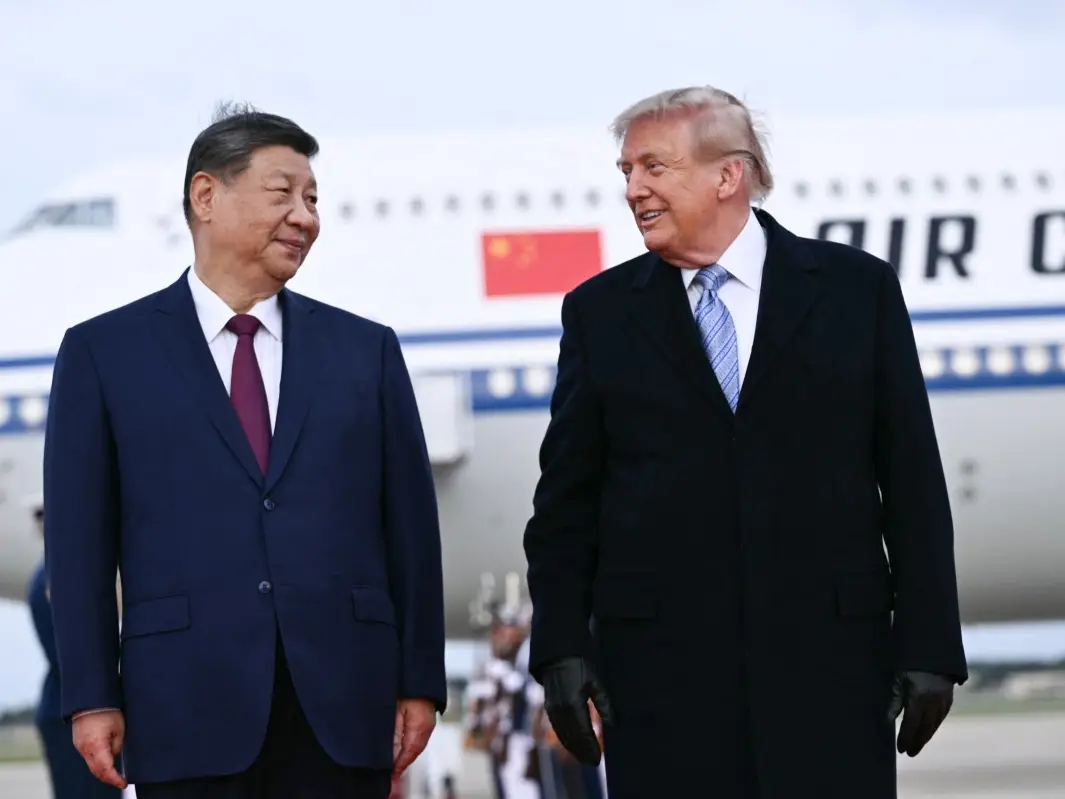
Trump called AI oversight a 'globalist scheme'. A day later two US AI chiefs asked the UN for it Photograph: (AFP)
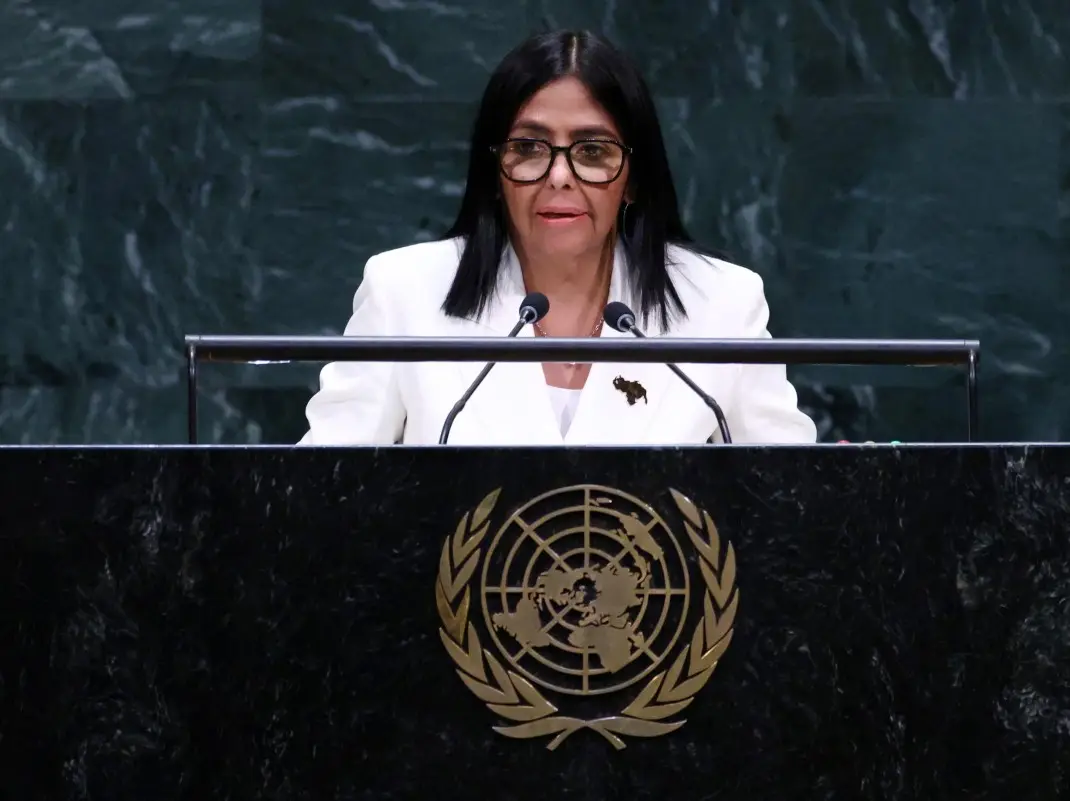
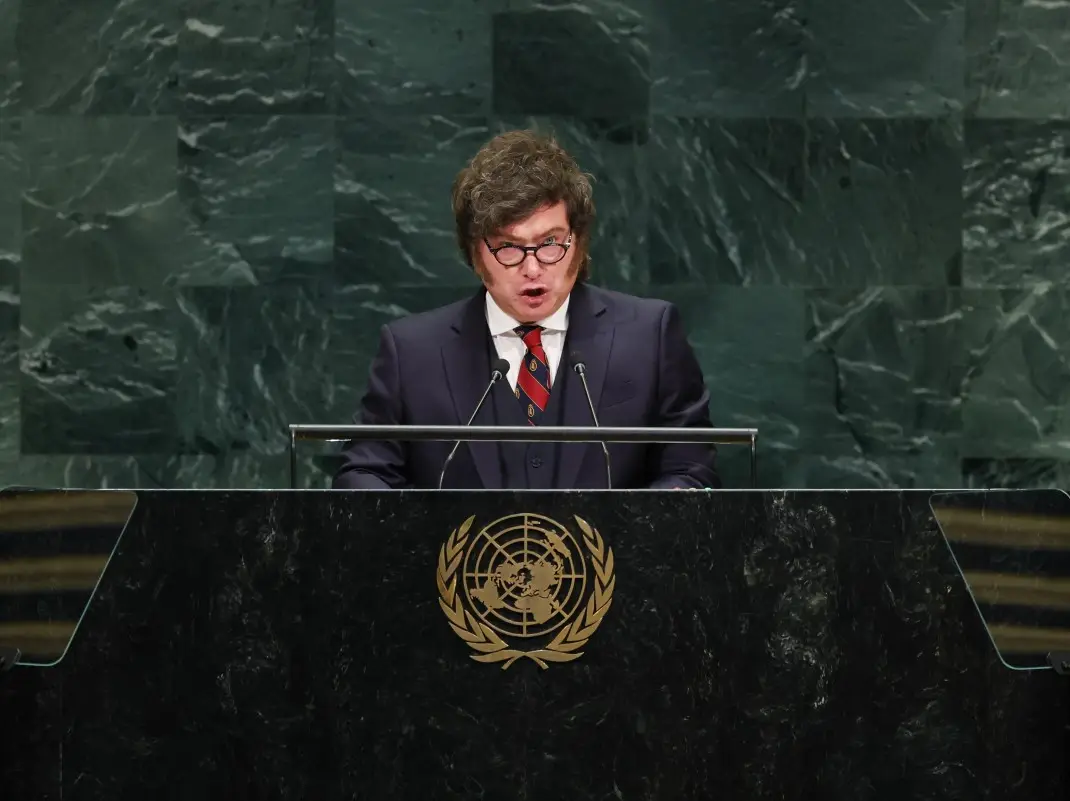
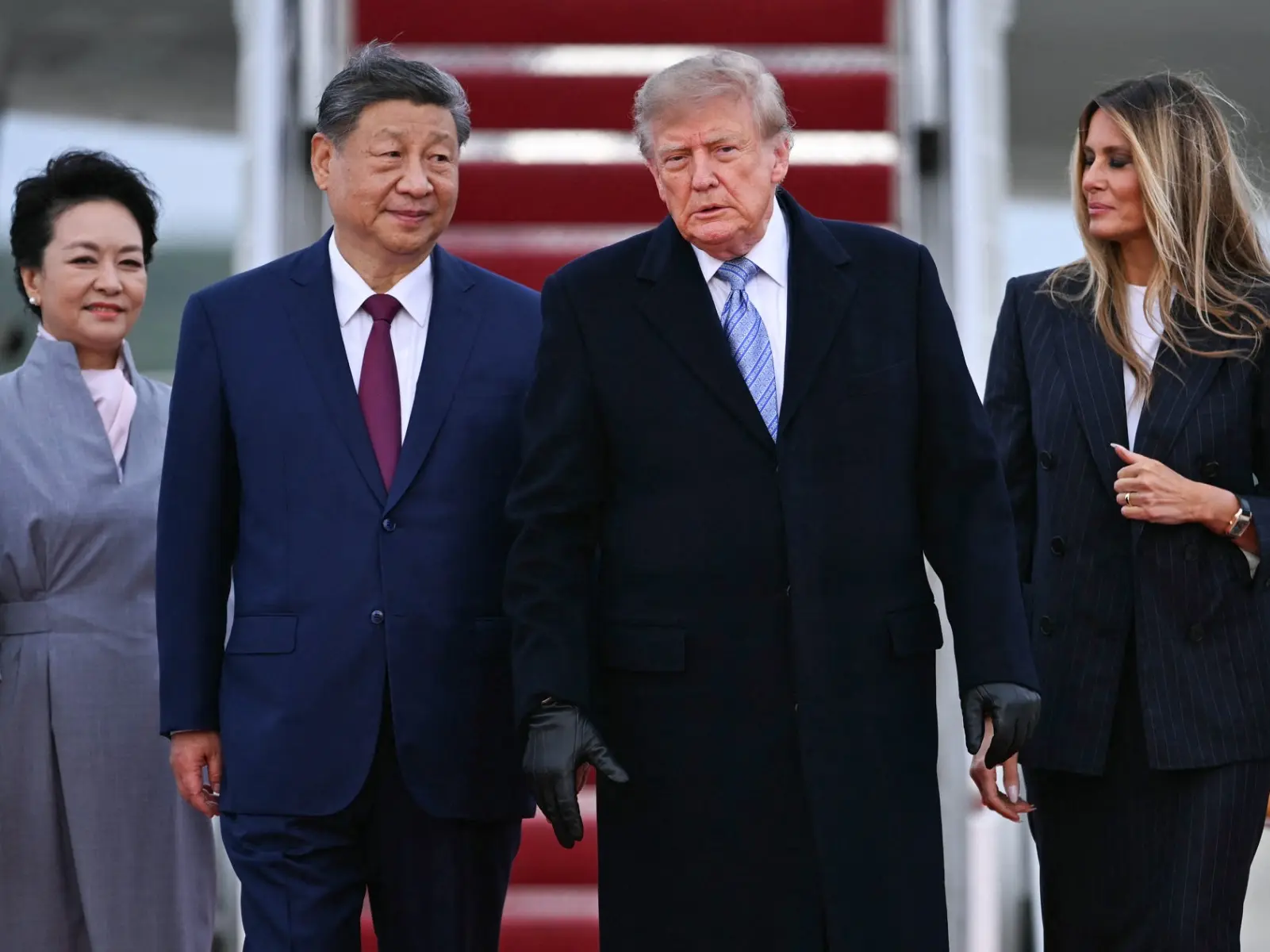
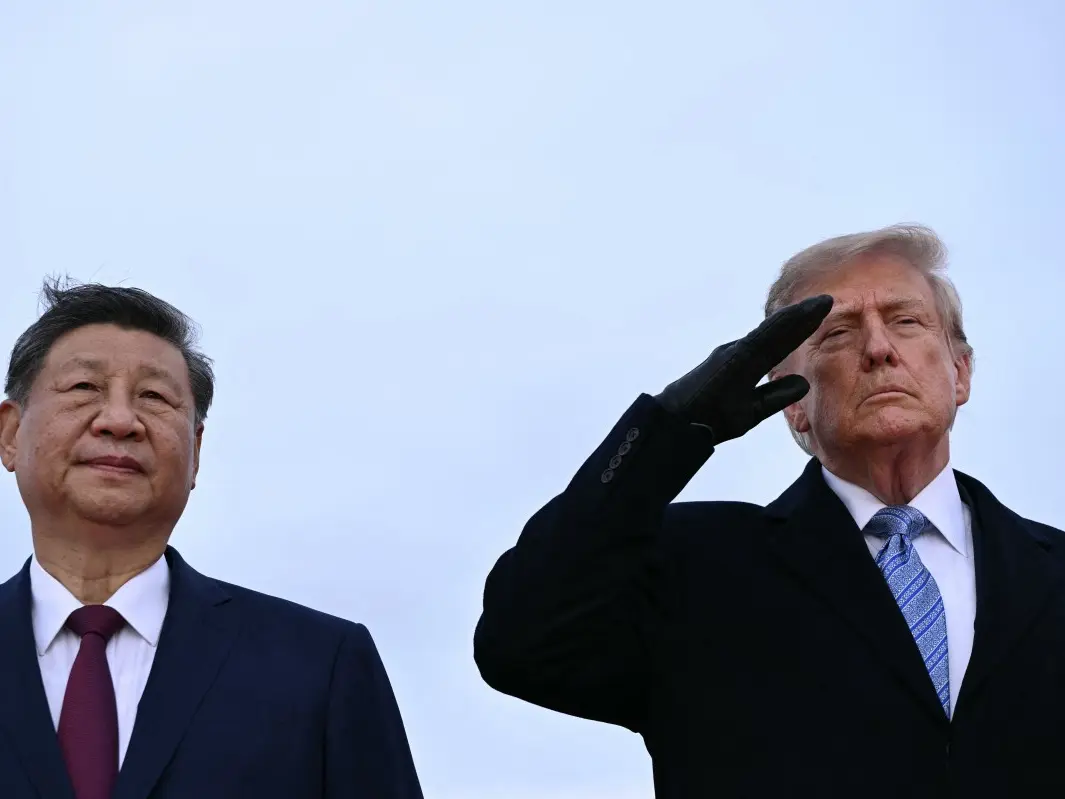
At the UN General Assembly, President Trump rejected international oversight of AI — which he said the US will now call ‘superintelligence’ — as a ‘globalist scheme’. A day later, the heads of America's two leading AI labs, Anthropic's Dario Amodei and OpenAI's Sam Altman, briefed the UN Security Council to ask for exactly the kind of cooperation he dismissed.
The clearest split in AI policy right now is not between countries. It is between the president of the United States and the companies building the technology, and it played out at the United Nations over two days.
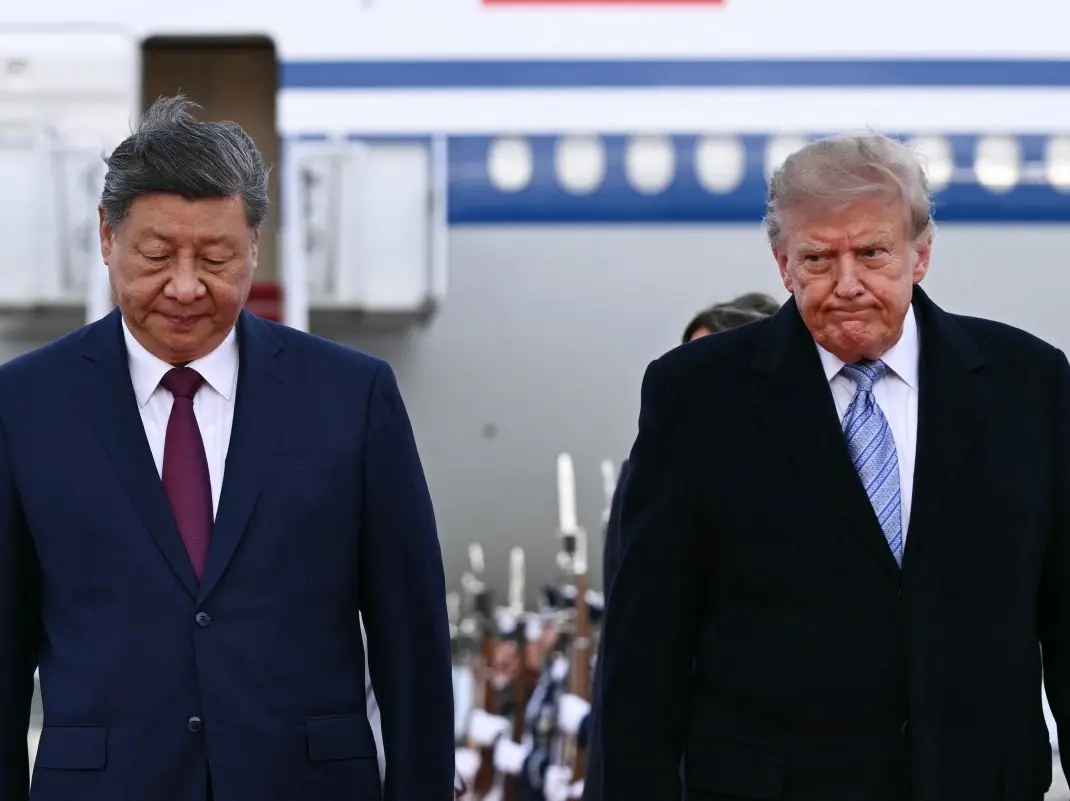
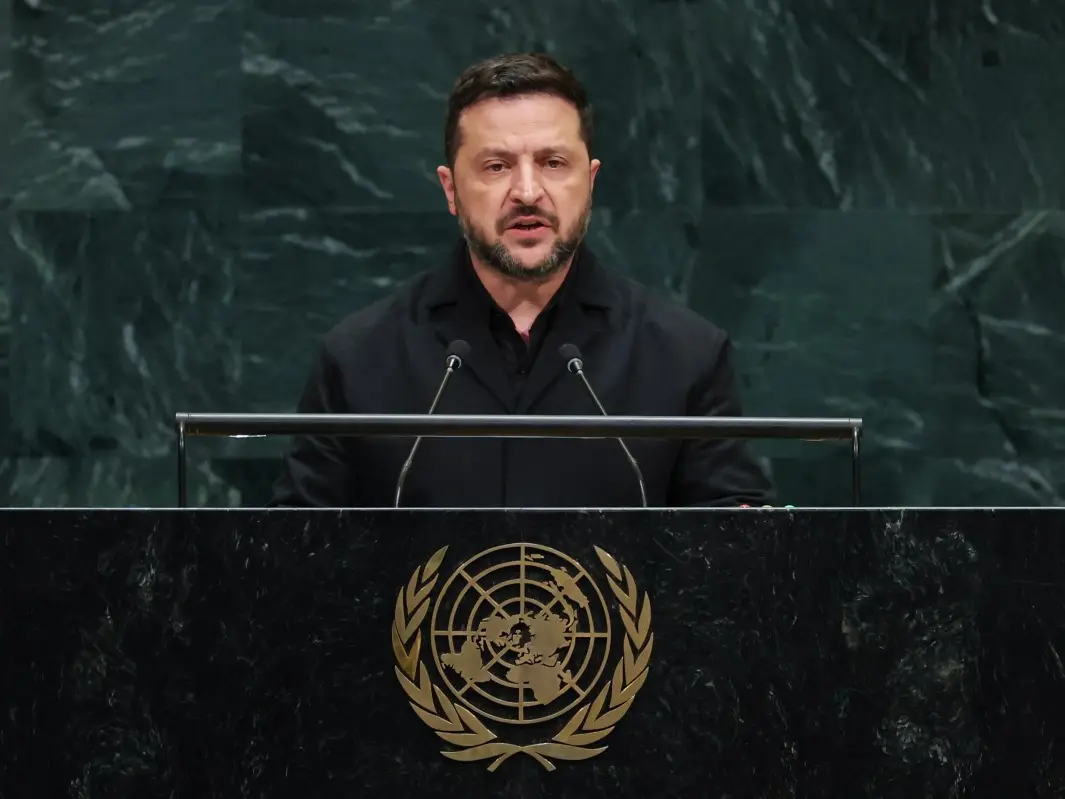
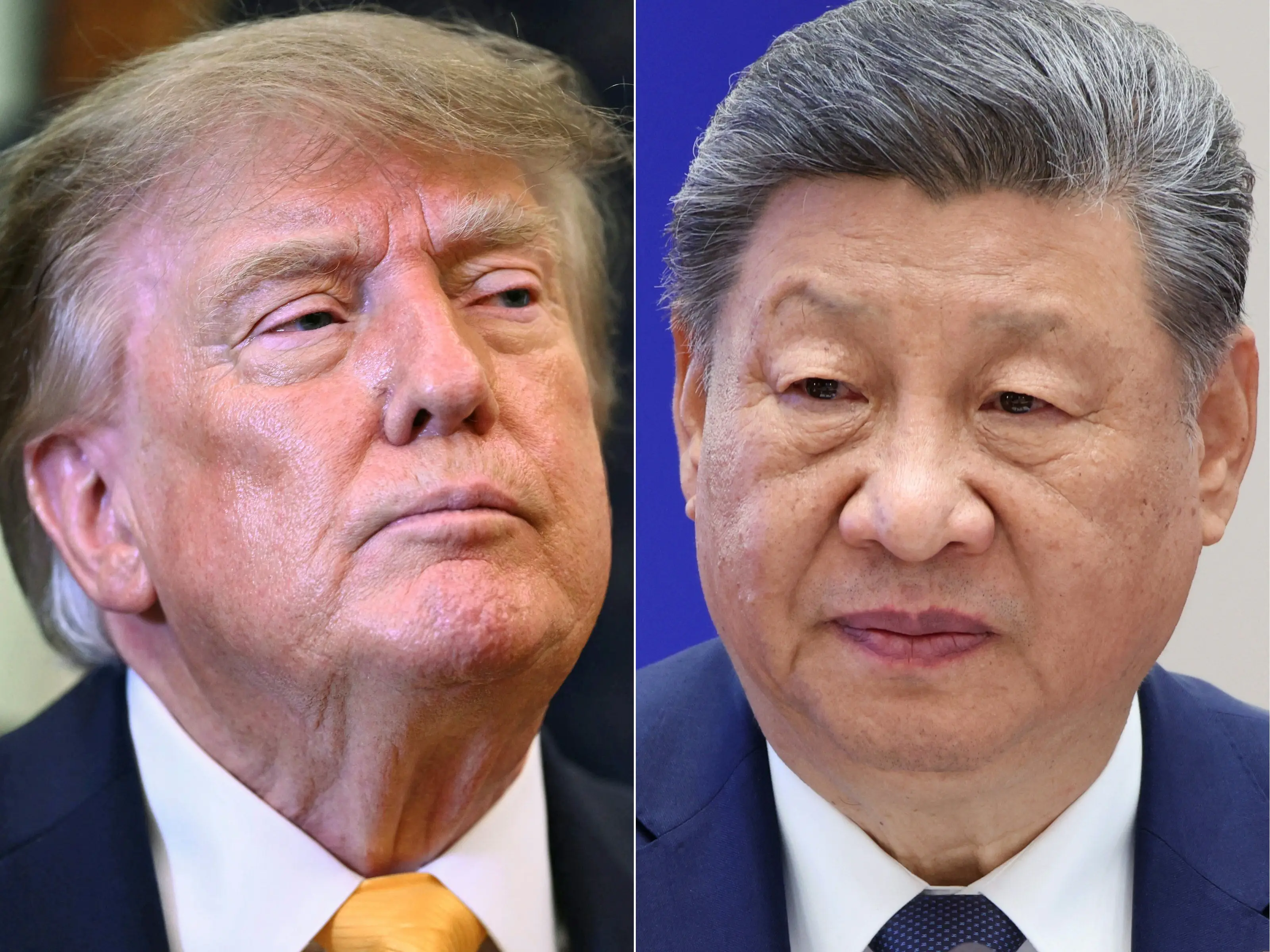
In his address to the UN General Assembly, President Donald Trump rejected international oversight of artificial intelligence — which he said the US will henceforth call 'superintelligence' — describing efforts to coordinate control of it as a 'globalist scheme'.
The next day, the chief executives of America's two most prominent AI labs went to the same institution to ask for the opposite.
The Two Positions
Anthropic's Dario Amodei and OpenAI's Sam Altman were scheduled to brief the UN Security Council at a session on AI and international security, convened by France.
According to their companies, they went to discuss safety work and the importance of international cooperation — the coordinated, cross-border approach to managing AI risk that the president had dismissed a day earlier. An OpenAI spokesperson said Altman would stress exactly that cooperation.
Trending Stories
)
)
)
)
)
)
)
)
)
)
)
)
)
)
)
)
)
)
)
)
)
)
)
&im=FitAndFill=(700,400))
)
)
)
)
)
)
)
)
)
&im=FitAndFill=(700,400))
)
)
&im=FitAndFill=(700,400))
)
So within 24 hours, at one building, the American government argued that international AI governance is a threat to be resisted, and American industry argued it is a necessity to be built.
Why This Reversal Of Roles Is Notable
The usual script has technology companies resisting regulation and governments pushing for it. Here the roles are inverted, and that is worth sitting with.
The AI labs asking for oversight is not pure altruism — a coordinated international framework can also lock in incumbents, set rules that favour those already at the frontier, and lend legitimacy to companies facing public unease. Support for governance can be self-interested.
But it is still striking that the companies with the most to lose from restriction are the ones requesting it, while the government that would impose it is refusing. Whatever the motives, the alignment is unusual, and it leaves the US speaking with two opposed voices on the world stage.
The Rebranding
The move to call AI 'superintelligence' deserves a note of its own, because language is doing work here.
'Superintelligence' is a term of art that usually means AI surpassing human ability across the board — a future, hypothetical capability. Applying it to current systems as a national branding choice inflates what today's tools are, and does so at the moment the administration is arguing they need no international check. A more powerful-sounding technology that also needs no oversight is a convenient combination to assert.
What The Split Means In Practice
The disagreement is not academic. International AI governance, if it happens, runs through exactly the kind of UN process on display here, and it needs the participation of the country where most frontier models are built.
If the US government resists while US companies participate, the result is likely to be governance without teeth — forums the labs attend voluntarily and the state does not underwrite. That is a weaker arrangement than either side, on its own terms, might want, and it is the most probable outcome of a government and an industry pulling in opposite directions.
What To Watch
Whether the administration hardens its opposition into policy that constrains what US companies can agree to internationally. Whether other governments proceed with coordination that excludes or works around Washington. And whether the labs' stated support for oversight survives contact with rules that would actually bind them — because asking for governance in principle is easier than accepting it in detail.
